

.webp)


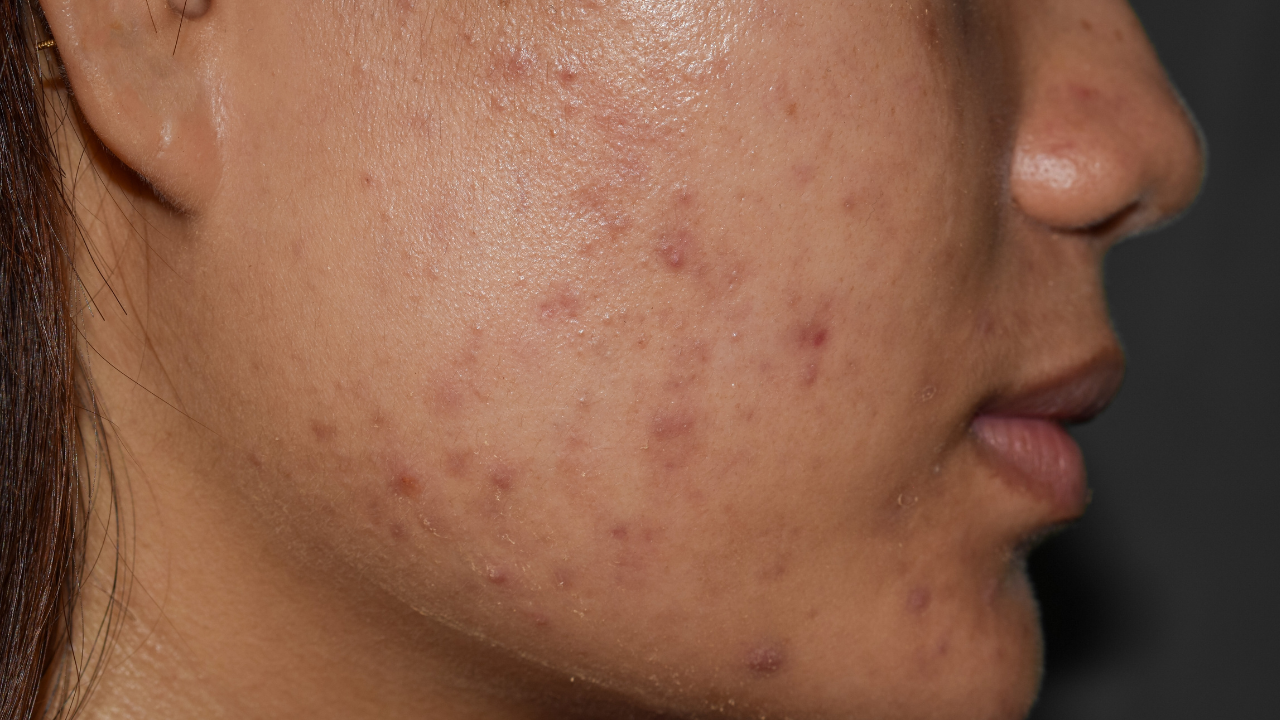
What is acne?
Acne vulgaris, or acne for short, is the medical term for pimples. It is an inflammatory disorder of the skin pores and sebaceous glands that mainly occurs on the face, back, shoulders and chest: areas where there are many sebaceous glands.
Healthy skin produces sebum, a natural oil that keeps your skin supple and protects it from dehydration. This sebum is produced by sebaceous glands that are deep in the skin and comes out through hair follicles and pores. Various things go wrong with acne: the pores are clogged by excess sebum and dead skin cells, causing sebum to accumulate under the skin.
This accumulation forms blackheads, also known as comedones. There are two types: white blackheads (closed comedones) where the pore is completely blocked, and black blackheads (open comedones) where the top of the blockage turns black due to oxidation. When bacteria multiply in these clogged pores, inflammation occurs that leads to red, swollen pimples.
The disorder typically starts during puberty due to hormonal changes. For some young people, it is limited to a few blackheads, while others have extensive, severe acne that can be stressful not only physically but also psychologically. Adults, especially women, can also develop or continue to have acne after the age of twenty.
Heb je last van Acne?
Laat je huid beoordelen door een erkende dermatoloog via de Skindr app. Upload foto's en krijg binnen 48 uur een diagnose met persoonlijk advies. Geen wachtkamer, geen verwijsbrief nodig.
How does acne occur?
The development of acne is a complex process in which several factors play a role. Understanding these causes helps to better treat and prevent the condition.
The main cause of acne is hormones, specifically androgens. These hormones are produced in greater amounts during puberty, in both boys and girls. Androgens stimulate the sebaceous glands to produce more sebum, which leads to clogged pores and forms the basis for acne. In women, hormonal fluctuations during the menstrual cycle, pregnancy, or due to the use of certain contraceptives may cause or worsen acne. This explains why some women are more prone to pimples around their periods, or why acne can occur when changing birth control.
This overproduction of sebum by the sebaceous glands makes it easier for pores to become clogged, especially when combined with a buildup of dead skin cells that normally shed but are now stuck in the pores. In these clogged pores, sebum and skin cells create an ideal breeding ground for bacteria, in particular Cutibacterium acnes. These bacteria normally live innocently on the skin, but when they multiply in clogged pores, they cause inflammation. Your immune system responds to these bacteria, leading to red, swollen, and painful pimples.
In addition to these internal processes, external factors can also cause or worsen acne. Contact with certain cosmetics, especially oily or oily products, can clog pores. Mechanical friction and pressure on the skin, such as a helmet, tight collar or touching your face frequently, can also cause or worsen acne. Certain medicines may also trigger or worsen acne, with corticosteroids being a common example. If you are taking medication and develop acne, discuss this with your doctor.
There are many misunderstandings about the causes of acne. It is important to know that acne is not caused by eating fatty foods, chocolate, or candy. Hygiene, perspiration, smoking, stress or tension are also not directly related to the development of acne, although stress can worsen existing acne. Acne is not an infectious disease and is therefore not contagious at all.
Symptoms and characteristics of acne
Acne can look very different, from mild blackheads to severe, painful inflammations. Recognizing the different forms helps to choose the right treatment.
The most characteristic sign of acne is blackheads, also known as comedones. Closed blackheads appear as tiny white or skin-colored bumps under the skin. Open blackheads have a black spot at the top, which is not due to dirt but due to oxidation of sebum and skin cells that come into contact with air.
When blackheads become inflamed, they develop into red, swollen bumps called papules. If there is also pus in them, they become pustules, recognisable by a yellow or white cup. These inflamed pimples can be painful and feel sensitive when touched.
More severe acne can develop larger, deeper inflammations. Noduli are large, hard, painful bumps deep in the skin, while cysts are pus-filled cavities that are even deeper and can be very painful. These severe forms have a greater risk of leaving scars.
After acne has healed, scars can indeed remain, especially if the pimples were severe or if they were scratched or pinched a lot. There are different types of scars: dimpled scars where the skin appears pulled in, and raised scars where too much scar tissue has formed. Dark or red spots may also remain after healing, which is called post-inflammatory hyperpigmentation. In dark-skinned people, these spots are often more noticeable and can remain visible for a long time, although they usually fade after a few months to years.
Where does acne occur?
Acne appears in places where there are many sebaceous glands. By knowing where acne typically occurs, you can better recognize and treat the condition.
The face is the most common location for acne. Here, pimples mainly occur on the forehead, nose and chin, the so-called T-zone, but also on the cheeks and jawline. In women, acne in adulthood often occurs around the mouth and along the jawline, which is usually associated with hormonal fluctuations.
After the face, the most common spots for acne are the back, shoulders, and chest. These areas also have many sebaceous glands. Acne on the back can be particularly difficult because it is harder to treat and often gets worse due to friction from clothing, backpacks, or sports equipment.
Sometimes acne also occurs on the neck, upper arms, or buttocks, although this is less common. The severity and location of acne may vary from person to person and may also change over time.
Heb je last van Acne?
Laat je huid beoordelen door een erkende dermatoloog via de Skindr app. Upload foto's en krijg binnen 48 uur een diagnose met persoonlijk advies. Geen wachtkamer, geen verwijsbrief nodig.
Acne treatment
Acne treatment depends on the severity and type of acne. The goal is not only to treat existing pimples, but also to prevent new outbreaks and avoid scarring.
For mild acne, mainly blackheads, local treatment is usually sufficient. Wash your face daily with water and a mild cleanser or antibacterial soap. Avoid aggressive scrubbing or washing, as this irritates the skin and makes acne worse. After cleansing, you can use a variety of local agents. Benzoyl peroxide in gel or cream form helps loosen blackheads and has a mild antibacterial effect. Start with a low concentration because it may cause irritation at first. After a few hours, rinse off the product until your skin gets used to it. Note: benzoyl peroxide can discolor hair, textiles, and metal, so be careful with towels, clothing, jewelry, and glasses.
Retinoids such as tretinoin or adapalene cause the skin to peel off, making it easier for sebum to go out and preventing new blackheads. These agents can also cause irritation, so build up use gradually. Avoid intense sunlight and tanning beds while using. Combination products often work best for mild to moderate acne because they address several causes of acne at the same time.
If local treatment does not provide sufficient results after two to three months, your doctor may switch to medication for internal use. This is always combined with local treatment for best results. Antibiotics in tablet form help fight the bacterial component of acne and reduce inflammation. You take these medicines for a few months. Possible side effects include gastrointestinal problems and increased sensitivity to sunlight. For women, hormonal treatment with birth control pills may be effective. Pills containing estrogen and progestin can reduce sebum production and often lead to a marked improvement in acne.
For severe acne that does not respond to other treatments, isotretinoin is a highly effective remedy. It is a substance related to vitamin A and strongly suppresses sebum production. Due to possible side effects, this medicine is only available with a prescription and requires careful medical supervision. The most common side effects include dry lips, dry nasal mucosa, dry eyes and general skin dryness. Regular blood checks are necessary during treatment because isotretinoin can increase liver enzymes and fats in the blood. Very important: this medicine should definitely not be used during pregnancy because it can cause serious birth defects. Women should rule out pregnancy before starting treatment and use highly reliable contraception during and up to one month after stopping.
In case of severe acne or the risk of scarring, your doctor will refer you to a dermatologist for specialized treatment. For people who already have acne scars, there are several treatment options available through a dermatologist, such as laser therapy, chemical peels, or fillers. Early acne treatment is the best way to prevent scarring.
What doesn't work against acne?
There are many myths circulating about acne and treatments that are not effective. It's important to know what isn't helping so you don't waste time and effort.
A common misconception is that acne comes from dirt and you can wash it away. Washing, exfoliating or using harsh cleansers too often irritates the skin and can make acne worse. The skin then produces even more sebum in response, which worsens the problem. Gentle cleansing once or twice a day is sufficient.
Squeezing out pimples is tempting but strongly discouraged. Squeezing can push inflammation deeper into the skin, cause infections, and increase the risk of scarring. Only open blackheads with a black tip can be gently expressed with the side of your fingers, not your nails, or a special comedone spoon, after washing your skin.
Although sunlight can temporarily suppress inflammation, acne often comes back more severely afterwards. Tanning beds are not recommended because they damage the skin and increase the risk of skin cancer, without a long-term effect on acne. The old idea that chocolate, fatty snacks or certain foods cause acne has also not been scientifically proven. For the vast majority of people, diet does not affect acne. Only in rare cases can a specific food allergy or intolerance affect acne.
A popular home remedy is applying toothpaste to pimples. This is strongly discouraged because toothpaste can cause skin irritation and allergic reactions. Only use products that are intended for acne treatment.
Frequently asked questions about acne
Is Acne Contagious?
No, acne is definitely not contagious. You cannot transfer it to others by touching or sharing towels or pillows. Acne occurs due to a combination of hormonal factors, overproduction of sebum and bacteria that normally live on the skin. It is not an infectious disease.
How long does it take for acne to go away?
This is different for everyone. In young people, acne often goes away on its own after puberty, usually around the age of 25. With treatment, you can see improvement within two to three months, but complete healing may take longer. Some people need months to years of treatment. Patience and consistency in treatment are important.
Can you prevent acne?
You can't change the hormonal predisposition to acne, but you can take measures to reduce outbreaks. Use gentle, non-comedogenic skin care products that don't clog pores. Avoid touching your face with unwashed hands. Always remove makeup before going to bed. Wash your face after exercise to remove sweat and dirt. These habits can help control acne.
When to see a doctor
See your doctor if your acne doesn't improve with over-the-counter products, if you develop severe or painful pimples, if you have a lot of scarring, or if acne affects your confidence and quality of life. Even if you think that medication is causing or worsening your acne, it's important to discuss this with your doctor. Early treatment prevents more serious problems and scarring.
Does acne come back after treatment?
Acne may come back after stopping treatment, especially if the underlying cause (such as hormonal factors) is still present. Some people need maintenance treatment to control acne. After a course of isotretinoin, the improvement persists for many people for a long time, although some may develop a milder form of acne that can be treated well with topical treatment after years.
Does acne only affect young people?
Although acne is most common among teenagers and young adults, adults can also experience it. Around one in five women suffer from persistent or new acne in adulthood, often related to hormonal fluctuations. In men, acne is less common in adulthood. Adult acne is treated in the same way as juvenile acne.





.svg)
