

.webp)


What is itching?
Itching is an annoying sensation in the skin that gives you a strong urge to scratch. It's one of the most common reasons people seek medical attention for skin problems. Although itching itself is not a disease, it can be a symptom of a variety of conditions.
There are special nerve endings in your skin that detect itching signals and transmit them to your brain. These signals occur when certain substances, such as histamine, are released into the skin. Your brain interprets these signals as itching and sends back a signal to scratch. Scratching provides temporary relief by interrupting the itching signals, but often damages the skin and can worsen the itching.
The intensity varies greatly from person to person. Some people experience a slight itch, while others suffer from intense itching that seriously disrupts their daily life. For example, itching that gets worse at night may indicate scabies, while itching after a hot shower often indicates a skin condition.
It is important to distinguish between itching with and without visible skin changes. Red spots, bumps, or blisters on the itchy areas usually indicate a skin condition. Itching without a visible change is more difficult to diagnose and may indicate a systemic cause or very dry skin. Prolonged itching can interfere with sleep, affect concentration and lead to frustration. Chronic scratching causes further skin damage and possibly infections.
Heb je last van itching?
Laat je huid beoordelen door een erkende dermatoloog via de Skindr app. Upload foto's en krijg binnen 48 uur een diagnose met persoonlijk advies. Geen wachtkamer, geen verwijsbrief nodig.
How does itching occur?
The causes of itching are extremely diverse and can be classified into four categories: skin disorders, drugs, systemic diseases, and psychogenic factors.
Skin disorders are the most common cause. Dry skin is probably the most important single cause, especially among older people during the winter months. The skin barrier is affected, exposing nerve endings and making them more irritable. Eczema causes itching due to inflammatory reactions in which inflammatory cells release histamine. In atopic eczema, there is also an increased sensitivity of the itching nerves.
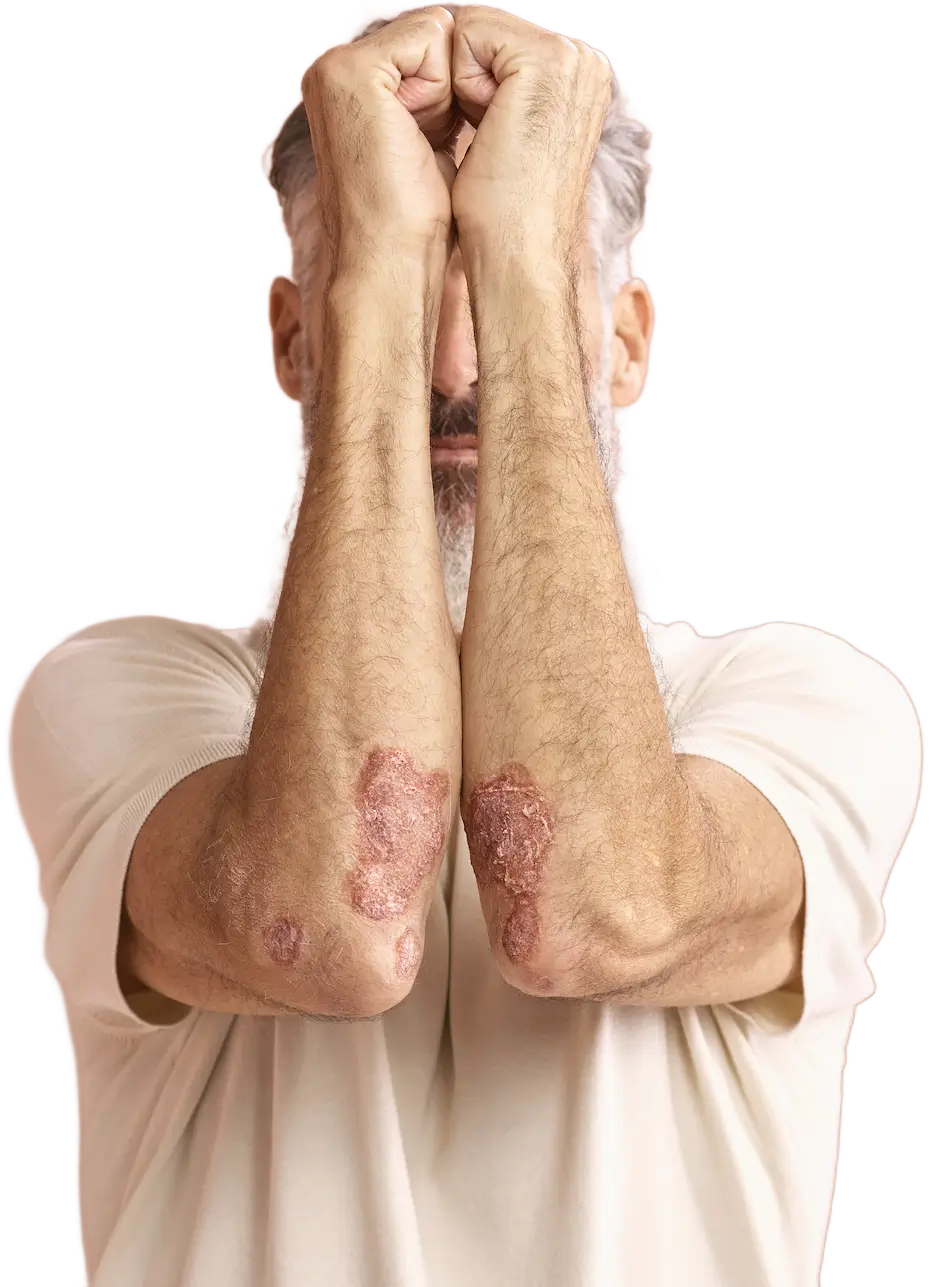
Hives occur when mast cells release large amounts of histamine in response to allergens. This causes intense itching and characteristic bloating. Scabies, caused by the scabies mite, causes severe itching, especially at night when the mites are active. Fungal infections cause itching due to irritation and often nest in warm, humid places. Psoriasis can be accompanied by itching due to rapid cell renewal and inflammation.
Medicines can cause itching in various ways. Some lead to allergic skin reactions, others cause dry skin as a side effect. Certain medications, especially heavy painkillers, can trigger itching signals directly. Medications that strain the liver and cause biliary congestion can cause intense itching. Almost any medication can cause itching, sometimes only after prolonged use.
Systemic disorders cause itching without the disease manifesting directly on the skin. In kidney disease, waste products that are normally excreted in the urine accumulate. These irritate nerve endings and often cause itching all over the body. Liver diseases cause itching due to accumulation of bile salts that irritate the skin from within. The itching is often extremely intense and worse on the palms and soles.
In certain cancers, especially lymphomas, itching is a common symptom. Thyroid disorders can cause itching, with an underactive thyroid leading to dry skin. Psychogenic itch occurs as a result of psychiatric disorders or due to a vicious cycle of itching and scratching. Neurodermatitis is a condition where repeated scratching thickens the skin, causing more itching.
Symptoms and characteristics of itching
Recognizing specific characteristics can help determine the cause. Itching appears in different ways with a variety of accompanying symptoms.
The basic feeling is often described as an itch, tingling, or burning that causes an almost irresistible urge to scratch. The intensity ranges from mildly annoying to unbearable. Some people describe it as ants crawling over the skin, others as a deep, burning sensation under the skin.
The pattern varies by cause. Continuous itching that lasts day and night occurs with dry skin and systemic causes. Intermittent itching may suggest an allergic reaction or hives. Itching that gets worse at night is typical of scabies, but it also occurs with eczema. Itching that worsens after a hot shower often indicates eczema or dry skin.
Visible skin changes provide important clues. Red, inflamed skin with bumps or blisters suggests eczema or an allergic reaction. Swaddles that change place are characteristic of hives. Scaly, dry skin indicates dry skin or psoriasis. Scratches and scabs are caused by scratching and can cause infections.
In scabies, you see typical corridors between the fingers, around the wrists and other characteristic areas. In fungal infections, there is often a sharply delineated red spot with scaling at the edges. Itching without visible skin changes occurs for systemic causes and requires extra attention. When scratched for a long time, the skin eventually thickens with pigment changes and scars.
Accompanying symptoms provide additional information. Itching with fatigue, weight loss, or fever may indicate a systemic illness. Itching with jaundice suggests a liver problem. Itching with thirst and frequent urination may indicate diabetes.
Where does itching occur?
On the scalp itching is caused by dandruff, eczema, psoriasis, head lice, or allergic reactions to hair products. Head lice mainly cause itching behind the ears and in the neck. Seborrheic eczema causes itching with scaling that can spread to the forehead.
In the face itching occurs in a variety of conditions. Eczema can affect cheeks, eyelids, and around the mouth. Allergic contact eczema from cosmetics focuses where the product has been applied. Seborrheic eczema causes itching around the nose, eyebrows, and in the T-zone.
On the trunk itching is manifested in numerous disorders. Eczema can occur anywhere with itchy red patches. Scabies causes intense itching, especially on the stomach and around the navel. Hives can pop up anywhere with waddles jumping in places. Fungal infections settle in skin folds with itchy, red areas.
In the pubic area yeast infections in the groin and yeast infections in women are common. Pubic lice cause severe itching in the pubic hair. Eczema can also affect the genitals.
The hands itching often due to contact eczema due to exposure to water, soap and detergents. Repeated washing dries out the skin and damages the skin barrier. Fungal infections can affect one hand with itchy, scaly skin on the palm.
The feet itching mainly due to fungal infections between the toes. The skin becomes soft, white and itchy. Eczema on the feet causes itching with dry, scaly skin. Scabies causes intense itching on the soles of the feet.
Generalized itching all over the body without a preferred location often indicates a systemic cause such as kidney or liver disease, drug side effect, or a blood disorder. This pattern requires medical research.
Heb je last van itching?
Laat je huid beoordelen door een erkende dermatoloog via de Skindr app. Upload foto's en krijg binnen 48 uur een diagnose met persoonlijk advies. Geen wachtkamer, geen verwijsbrief nodig.
Treatment of pruritus
Treatment focuses on addressing the underlying cause and alleviating the symptom. A successful approach often combines different strategies.
For dry skin intensive hydration is essential. Lubricate your skin with rich, fragrance-free creams several times a day. Use mild shower oil instead of soap and limit the length of showering. Wash with lukewarm water and gently pat your skin dry. These measures significantly restore the skin barrier.
Bee eczema and inflamed skin conditions, anti-inflammatory creams are the cornerstone of the treatment. These suppress the inflammatory response and reduce itching effectively. The strength is tailored to the location and severity. Use them exactly as prescribed. After improvement, maintenance treatment with milder creams may be sufficient.
For itching with a allergic component anti-allergy drugs are highly effective. These block histamine and work well for hives, insect bites and allergic eczema. Some make you sleepy, which can be beneficial in the evening. Newer generations have less of this effect.
Cooling treatments provide immediate but temporary relief. Apply cold compresses or use menthol-containing creams that provide a cooling effect. Store hydrating creams in the fridge for extra cooling.
Bee fungal infections antifungal creams or tablets are necessary. For skin fungi, local treatment for a few weeks is usually sufficient. Nail fungi often require long-term treatment with tablets. Good hygiene is essential: keep affected areas dry and wash towels regularly.
Scabies requires treatment with special creams that you apply all over the body. Roommates should also be treated because scabies is highly contagious. Wash all bed linen, towels and clothing at a high temperature. The treatment must be carried out exactly as prescribed.
In case of itching due to systemic diseases treatment of the underlying condition comes first. Kidney dialysis patients may benefit from specific medications. In liver diseases, medications that bind bile salts can reduce itching. Treating diabetes or thyroid problems often also improves itching.
There are additional options for persistent itching. Certain antidepressants have an anti-itch effect. Light therapy can help with chronic itching. In some cases, short-term cortisone is prescribed via tablets for severe, acute itching.
What doesn't work for itching?
While scratching provides short-term relief, it is counterproductive. It damages the skin barrier, causes inflammation and can lead to infections. In addition, scratching sets in motion a vicious cycle: the damaged skin itches more, which leads to more scratching. Instead, try patting or cooling the skin.
Hot showers may feel good at first but worsen dry skin and itching. Hot water removes moisture from the skin and removes protective oils. Always use lukewarm water and limit the length of showering.
Applying alcohol to the skin strongly dries the skin and worsens itching. Internal alcohol consumption also does not help and can aggravate some causes of itching. Perfume-containing lotions and creams can additionally irritate itchy skin. Perfumes are potential allergens. Only use fragrance-free, hypoallergenic products.
Self-medication with anti-inflammatory creams without medical advice is risky. These creams come in various strengths and some are too strong for certain parts of the body. Improper use may cause skin thinning and other side effects. Use it only on prescription.
Natural remedies such as herbal teas or essential oils have no proven effect on itching. Some natural products can actually cause allergic reactions in sensitive skin. Ignoring persistent itching in the hope that it will go away on its own may mean missing out on a treatable condition.
Frequently asked questions about itching
When should I go to the doctor with an itch?
Visit your doctor if itching lasts longer than two weeks without a clear cause, seriously interferes with your daily life or sleep, or if you have itching all over the body with no visible skin changes. Itching associated with other symptoms such as tiredness, weight loss, fever or jaundice also requires medical evaluation. Itching that does not respond to self-treatment also deserves attention.
Can itching be dangerous?
Itching itself is not dangerous but may be a symptom of a serious underlying condition such as liver or kidney disease, diabetes, or cancer. Chronic scratching can lead to skin damage, infections, and scarring. The psychological impact of chronic itching can be significant with sleep problems and difficulty concentrating. That's why it's important to take persistent itching seriously.
Why does my skin itch more at night?
In the evening, you are less distracted by daily activities, so you are more aware of the itching. Your body temperature rises slightly under the covers, which can increase itching signals. In the case of scabies, the mites are more active at night. Hormone fluctuations in your circadian rhythm can also influence itching. The lack of visual distractions means that itching is more prominent in your consciousness.
Do anti-inflammatory creams always help against itching?
Anti-inflammatory creams are highly effective for itching caused by inflammatory reactions such as eczema, psoriasis, and allergic reactions. However, they do not or hardly work for itching due to dry skin, fungal infections, scabies or systemic causes. Other treatments are needed for these types of itching. It is important that these creams are used correctly as prescribed.
Can stress cause itching?
Yes, stress can cause itching both directly and indirectly. Stress affects your immune system and can flare up existing skin conditions such as eczema. In addition, stress reinforces the perception of itching and lowers the threshold for itching sensations. In some people, stress leads to excessive scratching as a coping mechanism. Stress management through relaxation techniques and adequate sleep can help reduce itching.
Is itching hereditary?
Itching itself is not hereditary, but underlying conditions may be. Atopic eczema has a strong hereditary component and is more common in families with allergies. Psoriasis is also partly hereditary. If your parents have skin conditions associated with itching, your risk of developing similar problems is increased. The sensitivity of your itch nerves may also be partly genetic.
Bronnen
- Skindr dermatologists
- Gezondheidenwetenschap.be - Itching
- Ebpnet.be - Evidence-based guidelines
- BCFI.be - Pharmacotherapeutic Compass
- Thuisarts.nl - Itching
- Huidhuis.nl - Patient Information
- CM.be - Illness and treatment: itching


.svg)
