.webp)


What is episodic redness?
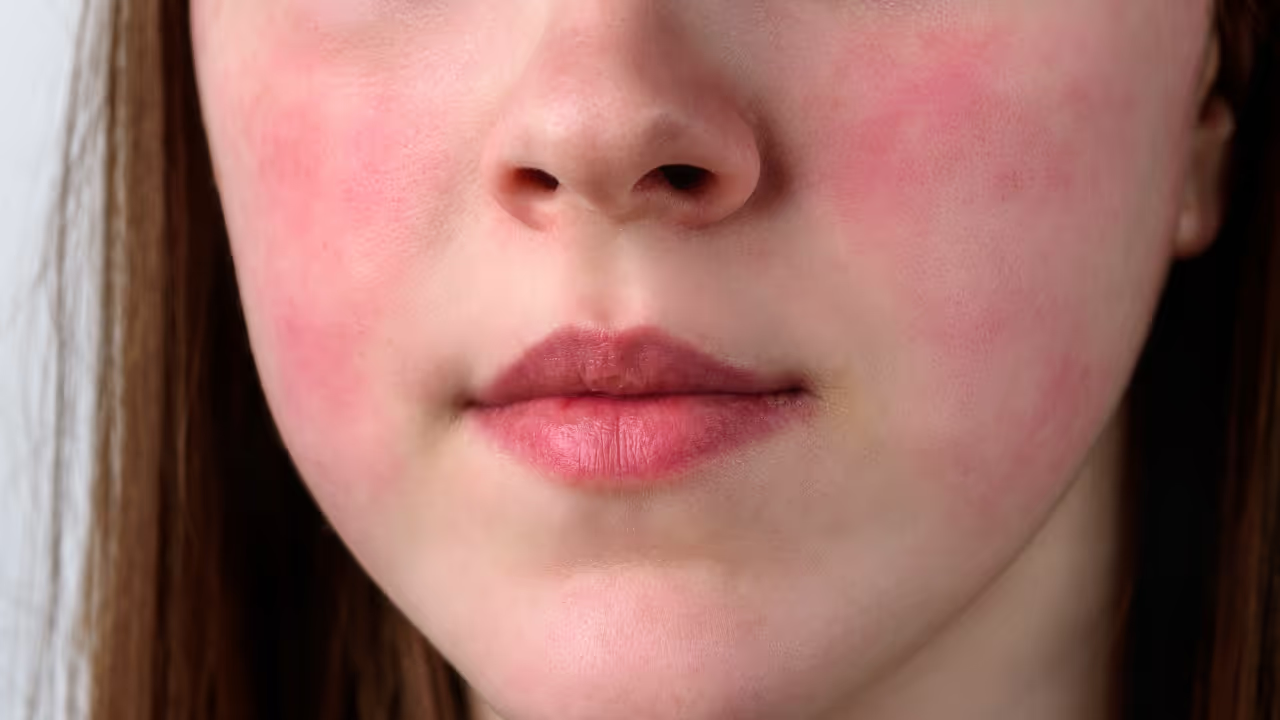
Episodic bouts of redness are times when your skin suddenly turns red, often accompanied by a feeling of warmth. This phenomenon occurs because the smallest blood vessels in your skin widen, causing more blood to flow to the surface. It is a natural process where your body temporarily increases the blood flow to your skin.
These attacks can range from mild and barely noticeable to very pronounced and visible. They usually last a few minutes but may last longer in some cases. The intensity and frequency vary greatly from person to person. Some people experience these episodes only occasionally, while others experience them on a daily basis.
The mechanism behind this redness is actually a normal part of how your body controls its temperature and responds to various stimuli. Your blood vessels may widen or narrow in response to emotions, temperature changes, certain substances in food or drink, or physical exercise. This is a healthy and necessary system that everyone has, but for some people, it is simply more sensitive or responds more strongly.
In the vast majority of cases, there is a completely benign explanation for these bouts of redness. It's important to realize this because the concern about what the redness might mean is often greater than necessary. Natural flushing with emotions, hot flashes during menopause, or a heated face after exercise are all normal symptoms that you don't have to worry about.
While most causes are harmless, in rare cases redness may indicate an underlying condition that deserves attention. That's why it's good to know when it's wise to see a doctor so that you get the right support when needed.
Do you suffer from Episodic redness?
Have your skin assessed by a licensed dermatologist via the Skindr app. Upload photos and get a diagnosis with personal advice within 48 hours. No waiting room, no referral required.
How does episodic redness occur?
The causes of sudden redness are diverse and usually completely normal. Understanding what triggers these episodes helps you to better place them and deal with them where possible.
Simply blushing is perhaps the most recognisable form of sudden redness. When you're nervous, ashamed, angry, or experiencing other strong emotions, your blood vessels in your face can widen. This is an involuntary response of your nervous system to emotional stimuli. Some people blush more easily than others, which is often hereditary. It's a completely normal physical reaction that you shouldn't be ashamed of, even though it may feel annoying.
Menopausal hot flashes are another common cause of sudden redness, especially in women between the ages of 45 and 55. These episodes are caused by hormonal changes that occur when your body produces less estrogen. The reduced amount of estrogen affects the temperature-regulating center in your brain, causing your body to mistakenly believe it's too hot. In response, it tries to cool down by widening the blood vessels, resulting in a wave of warmth and redness.
The skin condition rosacea can also lead to bouts of redness. In rosacea, the blood vessels in your face are extra sensitive and react strongly to all kinds of stimuli. In addition to redness, rosacea often also causes pimples and pimples on the face, and redness is not limited to temporary episodes but gradually becomes more permanent.
Physical exercise causes your body to produce more heat. To get rid of this heat, your blood vessels dilate, especially in your face, neck, and upper body. This is a healthy and desirable response that ensures that you don't overheat. The more intensive the effort, the more your body switches on this cooling system.
Alcohol consumption is a known trigger for redness. Alcohol causes your blood vessels to dilate, leading to a heated and red feeling, especially on the face. In some people, this effect is stronger than in others. People with Asian ancestry, for example, are more likely to suffer from severe redness after drinking alcohol due to a genetic variant in the enzymes that break down alcohol.
External heat can also cause redness. When you get into a warm room, take a hot shower, or sit in the sun, your blood vessels dilate to remove excess heat. This is a natural protection mechanism against overheating.
Fever is often accompanied by a red and heated feeling. Your body consciously raises the temperature to fight infections, and this increased temperature is reflected, among other things, in skin redness.
Spicy food with ingredients such as pepper, chilli, or other sharp spices can also cause redness. The capsaicin in these herbs stimulates nerve endings in your mouth and throat, causing a feeling of warmth. Your body responds to this as if it is actually warm and is trying to cool down by widening the blood vessels.
In rare cases, mental illnesses such as anxiety disorders or panic, side effects of certain medications, diseases of the nervous system, or very rarely malignant disorders can also cause redness. However, these situations are exceptional and are usually accompanied by other, obvious symptoms.
Symptoms and characteristics of episodic redness
Recognizing the different aspects of episodic redness helps you understand what's happening and whether there might be something going on that deserves attention.
Often, an attack of redness does not just start out of nowhere. Many people experience prior symptoms that announce that an episode is coming. A sudden feeling of warmth is the most common warning sign. This can start as a vague sensation that rapidly intensifies into a clear heat wave. Some people also feel a certain tightness or tension coming on. Sweating is another common accompanying symptom, where your body tries to get rid of heat.
The location of the redness varies but follows certain patterns. With ordinary blushing and hot flushes, the redness typically appears on your face, especially on your cheeks. It can spread to your neck and sometimes to your upper body and chest. This spread usually happens quickly, within seconds to a minute. Your skin turns bright red and feels warm when touched.
In rosacea, redness is largely confined to the face. It is characteristic that, in addition to the temporary episodes of redness, a more permanent redness also occurs. In addition, with rosacea, you often see small pimples and pimples, and sometimes visible blood vessels on the face. The nose, cheeks, forehead, and chin are the most affected areas.
When redness is the result of a general fever infection or an allergic reaction, not only your face but also other parts of your body turn red. In the event of an allergic reaction, the redness may be accompanied by itching and sometimes swelling or hives. This is an important distinction, as it indicates a reaction that may need medical attention.
The duration of an attack varies greatly. Blushing usually lasts a short time, from a few seconds to a few minutes. Menopausal hot flashes can last longer, ranging from a few minutes to sometimes half an hour. After the attack, the redness usually disappears gradually, allowing your skin to regain its normal color.
In the presence of an underlying condition, there will be other symptoms in addition to the redness. For example, anxiety disorders make you tremble, sweat and feel your heart pounding. In neurological disorders, there may be problems with movement, coordination, or other nerve functions. In rare tumours that produce certain hormones, there may be other specific symptoms such as diarrhoea, abdominal pain or heart palpitations. These combinations of symptoms are important signs that there may be more to it.
Where does episodic redness appear?
The location where redness appears often already provides clues to the possible cause. There are clear patterns that help you understand what is going on.
The face is by far the most common spot where episodic redness occurs. This is because the face is rich in blood vessels that lie close to the surface of the skin, so changes in blood flow are most visible here. Your cheeks are usually the first and most clearly involved. The redness can be limited to two round, red patches on your cheeks, or cover your entire face.
From the face, redness may spread to the neck. This mainly happens during more intense attacks, such as hot flashes or after alcohol consumption. The front and sides of your neck therefore turn red and feel warm.
The upper body, especially the chest and the top of your back, can also turn red with more extensive episodes. This is mainly seen with hot flashes during the menopause or after heavy physical exercise. The redness then often has a blotchy pattern and can extend to your shoulders.
In rosacea, the pattern is strictly limited to the face. Here is a specific phenomenon where the central part of the face is most affected. The nose, cheeks, center of forehead, and chin are typical locations. In some people with rosacea, the eyes are also affected, which is expressed in redness of the eyelids and the whites of the eyes. There are also burning, stinging and itching, dry and watery eyes, and a feeling like there is sand in the eyes.
When the redness is due to a fever due to an infection, you'll see a more diffuse redness over larger parts of the body. Your face is red, but your arms, legs and torso can also turn a heated, pink to red color. This goes hand in hand with the general feeling of illness and the elevated temperature.
In allergic reactions, the redness can appear anywhere on the body, often in combination with hives or swelling. The pattern is then less predictable and depends on where the allergen made contact with your body or how it entered your system.
Do you suffer from Episodic redness?
Have your skin assessed by a licensed dermatologist via the Skindr app. Upload photos and get a diagnosis with personal advice within 48 hours. No waiting room, no referral required.
Treatment of episodic redness
The approach to episodic redness depends on the cause and the extent to which it affects your daily life. Fortunately, there are various options for reducing or preventing the symptoms.
The first and often most effective step is to avoid situations and factors that trigger redness. This does require some insight into what specifically causes the attacks for you. If you notice that certain foods, such as spicy foods or hot drinks, cause redness, it is better to limit or avoid them. The same goes for alcohol, where moderate consumption or complete abstinence can reduce the frequency and intensity of attacks.
Extreme temperatures are also better avoided. This does not mean that you should never get out in the sun or avoid warm spaces again, but it does mean that you are aware of the effect and take it into account. A cool environment can be preventative. Some people like to let cool water run over their wrists on a regular basis.
In case of stress and emotional stimuli that lead to blushing, relaxation techniques can offer a solution. Breathing exercises, mindfulness, meditation, or yoga help calm your nervous system and can reduce the tendency to blush. It takes practice to master these techniques, but many people clearly experience benefits over time. These techniques are also valuable for anxiety disorders or panic disorders associated with redness.
For women who suffer from annoying hot flashes during the menopause, hormone therapy may be an option. This treatment compensates for the lack of estrogen and thus reduces hot flashes. Your doctor can discuss with you whether hormone therapy is appropriate for you, taking into account your specific situation and any contraindications.
When episodic redness has a major impact on your life, drug therapy may be considered. A low dose of certain medications that lower blood pressure and heart rhythm may also have a beneficial effect on the development of redness. These agents affect the nervous reactions that lead to the widening of the blood vessels. It is important that this is only done under the guidance of a doctor, who can determine the correct dosage and monitor possible side effects.
In the presence of anxiety, panic or excessive worrying, antidepressants can sometimes help. These medications stabilize the neurotransmitters in your brain and may also reduce physical symptoms of anxiety, including flushing and redness. This is also customized and requires guidance from a doctor or psychiatrist.
For people who are particularly concerned about the visibility of the redness, using cosmetics can be a practical solution. Green correction cream effectively neutralizes redness and can be applied under your normal foundation. This does not solve the cause, but it can help you feel more secure in social situations. For some people, this is enough to break the cycle of anxiety and blushing.
Rosacea requires specific treatment aimed at this skin condition. This may include medical creams, possibly supplemented with oral medication and/or laser treatment.
What doesn't work against episodic redness?
When dealing with episodic redness, there are some misconceptions and approaches that are ineffective or may even be counterproductive.
The idea that you can keep redness away by cooling your skin with ice cubes or ice-cold compresses only works temporarily. Although the cold can cause the blood vessels to contract briefly, the effect is only short lived. As soon as your skin gets back to temperature, the blood vessels can actually widen extra in response to the extreme cold. In addition, applying ice to the skin for a long time can even cause damage.
Excessive washing of your face with cold water or special products does not solve the problem either. Episodic redness comes from within, due to the widening of blood vessels, and isn't something you can wash away. Washing too often can actually irritate your skin and make it more sensitive.
Avoiding all social situations for fear of blushing is not a solution and can lead to social isolation. Blushing is a natural phenomenon that everyone experiences from time to time. By avoiding situations, you often reinforce the fear of blushing, which makes the problem worse. A better approach is to work on acceptance and develop coping strategies.
Some people try to mask their redness by drinking alcohol to relax, but this is of course counterproductive as alcohol is a known trigger for redness. Feeling less aware of your blushing may temporarily help, but it only makes the redness itself worse.
Using medicines that you may still have at home or ordered via the internet without consulting a doctor is not wise. Medications that affect blood vessels and blood pressure should always be used under medical supervision. Improper use can lead to side effects such as dizziness, tiredness, or other problems.
Ignoring hot flashes during the transition in the hope that they will go away on their own is also not the best strategy for everyone. While hot flashes can indeed decrease over time, they can last for years and significantly affect your quality of life. There are good treatment options available that make it worthwhile to seek help.
The idea that certain dietary supplements or herbs can cure episodic redness is usually not well founded. While some supplements may help with specific conditions like rosacea, there is no miracle cure that solves all forms of redness. Be critical of claims and discuss the use of supplements with your doctor.
Frequently asked questions about episodic redness
Is episodic redness dangerous?
In the vast majority of cases, episodic redness is completely harmless and not a sign of a serious problem. Common blushing, hot flushes, redness after exercise or alcohol are normal symptoms. Even with rosacea, although this is a chronic condition, there is no dangerous situation. Only in very rare cases can frequent or extreme redness along with other symptoms indicate an underlying condition that deserves attention. If you are unsure or have concerns, it is always wise to consult a doctor.
Can I prevent hot flushes during the transition?
You cannot completely prevent hot flashes during menopause, but you can take measures to reduce them in frequency and intensity. Avoiding familiar triggers such as spicy food, alcohol, caffeine, stress, and hot environments can help. Wearing layers of clothing that are easy to take off, using a fan and keeping a cool bedroom also make it easier to deal with hot flashes. For women who suffer a lot, hormone therapy can be an effective treatment.
Is rosacea growing into something serious?
Rosacea is a chronic skin condition that is not dangerous to your health, but can worsen without treatment. The redness may become more permanent, more visible blood vessels may develop, and in some cases the skin may thicken, especially on the nose. Around half of people with rosacea also have their eyes involved. With the right treatment and avoidance of triggers, you can often keep rosacea well under control and prevent further deterioration.
When should I see a doctor with episodic redness?
It is best to contact your doctor if the episodic redness is accompanied by other symptoms such as unexplained weight loss, persistent diarrhea, heart palpitations, severe headache, neurological symptoms, or fever. Professional support is also important when redness seriously affects your daily life, for example due to social anxiety or when you are suffering psychologically. If rosacea is suspected, which is associated with permanent redness and pimples on the face, a doctor or dermatologist can prescribe the appropriate treatment.
Do de-stressing techniques really help with blushing?
Yes, for certain people, relaxation techniques are effective in reducing the tendency to blush. Techniques such as breathing exercises, progressive muscle relaxation, mindfulness, and cognitive behavioral therapy can help calm your nervous system and reduce physical responses to stress. It does take practice and dedication to master these techniques. For some people, guidance from a psychologist or therapist is helpful to learn how to best apply these techniques. The effect varies from person to person, but many people experience improvement over time.
Is there a difference between blushing and hot flashes?
Yes, there are clear differences. Blushing is a short-term redness that mainly occurs as a response to emotions such as shame, embarrassment or anger. It is a social response that disappears within a few minutes. Hot flushes, on the other hand, are sudden waves of warmth and redness caused by hormonal changes, especially during menopause. They can last longer than blushing and are often accompanied by sweating and sometimes heart palpitations. Hot flushes can also occur at night, which flushing doesn't normally do.