.webp)


What is a carbuncle?
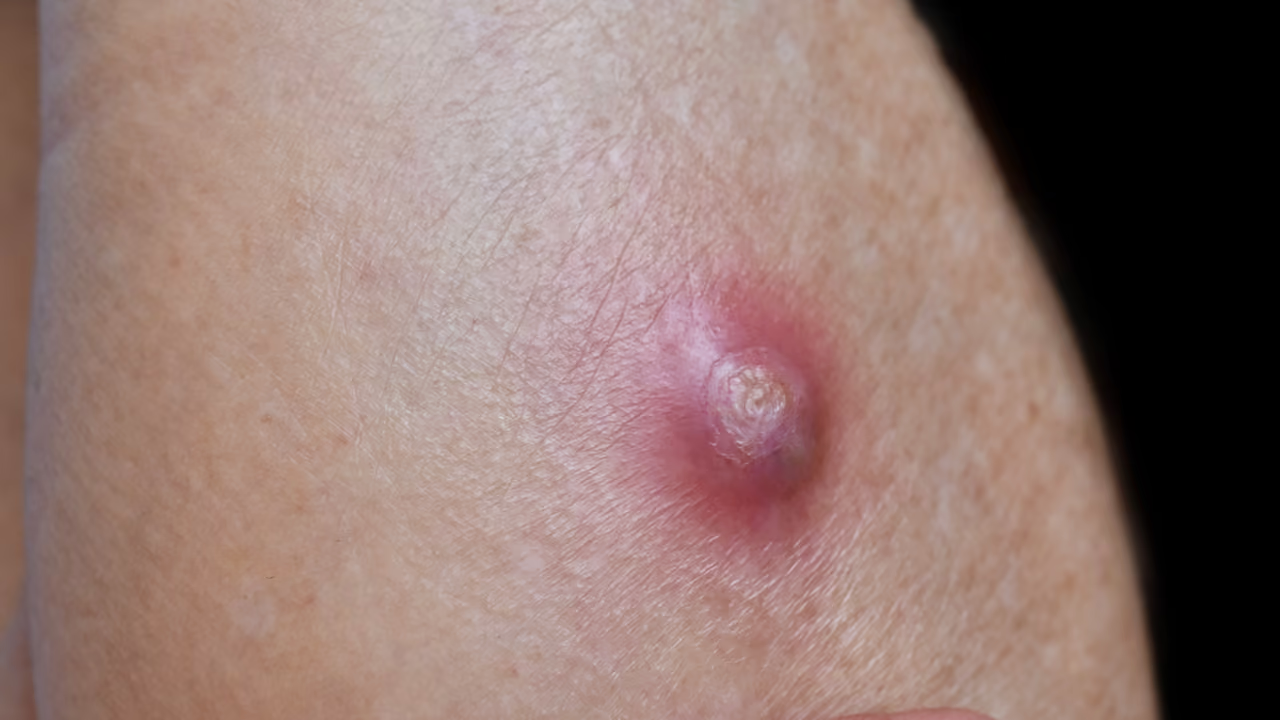
A carbuncle is a deep skin infection where multiple boils merge to form one large sore with multiple pus openings. It resembles a spongy swelling with small holes, hence the popular name "negenoog" (literally "nine-eye"). Medically, it is called a carbuncle. It goes beyond a common boil: whereas a boil involves a single infected hair follicle with one pus point, a carbuncle affects multiple hair follicles simultaneously and leads to a larger, deeper infection.
A carbuncle is rarer than a boil, but significantly more severe. Both are caused by the same bacterium, but with a carbuncle, the infection is more extensive and has penetrated deeper into the tissue. The distinction is important: a boil can sometimes mature at home, but a carbuncle always requires professional treatment.
It is reassuring that a carbuncle, if treated promptly and correctly, improves and heals well. A dermatologist or doctor can address the infection quickly and safely. Want to know more about skin infections that can resemble a carbuncle? Also read about pimples or other common skin conditions.
Do you suffer from Negenoog?
Personalized advice for your skin, completely online. Upload a few photos through the Skindr app and receive medical advice from a licensed dermatologist within 48 hours. No waiting room or referral required.
How does a carbuncle develop?
A carbuncle develops when the bacterium Staphylococcus aureus enters the skin through small lesions and infects multiple hair follicles in the immediate vicinity. The bacterium spreads through the tissue and causes a deeper, more extensive infection than with a common boil.
Certain factors significantly increase the risk of developing a carbuncle. Diabetes mellitus is the primary risk factor, as elevated blood sugar weakens the body's immune response. Obesity, a weakened immune system due to illness or treatment, poor skin hygiene, and persistent friction from tight clothing also play a role.
Furunculosis: recurrent boils or carbuncles
Individuals who repeatedly develop boils or carbuncles may suffer from furunculosis. This is a condition where Staphylococcus aureus permanently colonizes the nose or skin as a so-called carrier. Carriage provides a continuous source of reinfection. For furunculosis, it is advisable to discuss this with a doctor or dermatologist, as specific treatment strategies exist to eliminate carrier status. In people with an increased risk, recurrent skin conditions may be a sign that further investigation by a dermatologist is warranted. Recurrent infections can also indicate a deeper skin condition such as a skin biopsy can help rule out.
Signs and symptoms of a carbuncle
The most characteristic sign of a carbuncle is the presence of multiple pus openings in a single large, tense boil. This clearly distinguishes a carbuncle from a common boil, which only has one head. The boil is intensely red or purplish-red, hard to the touch, and exceptionally painful, even without being touched.
On lighter skin tones, the color is bright red to purplish-red, and the swelling is clearly visible. On darker skin tones, the discoloration is less noticeable, but the warmth, swelling, and pain are clearly palpable.
A carbuncle can be accompanied by general symptoms of illness: fever, fatigue, and a general feeling of being unwell. This systemic reaction is a sign that the body is fighting hard against the infection and that medical attention is necessary.
Unsure if your skin condition is a carbuncle? A certified Skindr dermatologist will assess the infection within 48 hours.
If neglected, serious complications can arise. A carbuncle on the face, above the upper lip, or near the nose is particularly risky. If you have a carbuncle on your face, consult a doctor immediately, without delay.
Where do carbuncles appear?
A carbuncle always appears on skin where hair follicles are present. The most common locations are the back of the neck, upper back, thighs, and buttocks. These are areas where the skin is regularly exposed to friction and perspiration.
A carbuncle can never appear on the palms of the hands or soles of the feet, because that skin does not contain hair follicles.
Special attention is needed for a carbuncle on the face. An infection above the upper lip, near the nose, or in the corners of the eyes is more dangerous than in other parts of the body. Always and immediately consult a doctor if you have a carbuncle on your face.
Do you suffer from Negenoog?
Personalized advice for your skin, completely online. Upload a few photos through the Skindr app and receive medical advice from a licensed dermatologist within 48 hours. No waiting room or referral required.
Treatment of a carbuncle
A carbuncle always requires medical treatment. Unlike a small boil, a carbuncle is too deep and too extensive to treat on your own.
The most effective approach is incision and drainage by a doctor. The boil is opened and drained in a controlled manner, which immediately relieves pain and significantly speeds up the healing process. In the initial phase, a warm compress (two to three times a day, ten to fifteen minutes) can help promote maturation.
An additional treatment is not always needed, but your doctor will discuss it for extensive infection, fever, the presence of risk factors such as diabetes, or a carbuncle on the face.
A number of preventive measures are useful: thorough hand washing, quickly disinfecting small wounds, avoiding tight clothing in sensitive areas, and never sharing towels or washcloths. Also read our blog article about recognizing a boil or carbuncle for more practical tips.
When should you see a doctor immediately? If you have a fever, a carbuncle on your face, or if the boil grows rapidly or does not improve after two days of warm compresses. Also with additional hives or other infectious skin diseases, urgent medical consultation is advised.
Not sure if it's a carbuncle? Through Skindr, you'll receive advice from a certified dermatologist within 48 hours.
What doesn't work against a carbuncle?
Squeezing or piercing it yourself is the most common mistake with a carbuncle. This spreads the bacteria deeper into the tissue and to surrounding hair follicles, worsening the infection instead of improving it.
Waiting it out when you have a fever or a carbuncle on your face is dangerous. The infection can spread through the bloodstream to other organs.
Ointments or creams applied to the skin do not reach the source of the infection. A carbuncle is a deep infection that requires internal treatment.
Heat alone, without medical supervision, is insufficient for an extensive infection. A compress can provide support in the initial stage, but it is not a treatment and does not replace a visit to a doctor.
Frequently asked questions about carbuncles
What is the difference between a carbuncle and a boil?
A boil is an infection of a single hair follicle with one pus point. A carbuncle is a cluster of several boils with multiple pus openings, a larger ulcer, and a deeper infection. A carbuncle is always more serious and requires medical treatment.
Is a carbuncle contagious?
The Staphylococcus aureus bacteria that causes a carbuncle can be transmitted through skin contact or shared textiles such as towels and washcloths. Avoid direct contact with the infection and do not share personal laundry.
Does a carbuncle go away on its own?
Rarely, and waiting for it to do so is risky. Spontaneous maturation takes a long time, is painful, and increases the risk of complications. A doctor can drain it quickly and safely, which significantly speeds up healing.
When should I see a dermatologist for a carbuncle?
Always if you suspect a carbuncle. Immediately if you have a fever, if it's located on your face, or if the ulcer is growing rapidly. A certified Skindr dermatologist will assess the infection within 48 hours and refer you to the appropriate care if incision is needed.
Can Skindr help with a carbuncle?
Through Skindr, a certified dermatologist provides personalised advice within 48 hours, based on photos and a description of symptoms. If an incision is necessary or in an emergency, a referral will be made to ensure no valuable time is lost.
How long does it take for a carbuncle to heal?
After medical treatment, full recovery typically takes two to four weeks. Without treatment, healing can take weeks to months, with a significantly higher risk of complications and scarring.
Resources
1. Skindr certified dermatologists
2. DermNet NZ, Carbuncle: dermnetnz.org/topics/carbuncle
3. Thuisarts.nl, Boil: thuisarts.nl/steenpuist
4. Huidziekten.nl, Boil-Furuncle: huidziekten.nl


](https://static.legitscript.com/seals/624359.png)