.webp)


What is atopic eczema?
Atopic eczema, also known as constitutional eczema , is a long-term inflammatory skin disease characterized by periods of intense itching, redness, and dryness. It is one of the most common skin conditions and can significantly impact your daily life. The condition is not contagious and cannot be transmitted to others.
Atopic eczema can begin at any age. For many, the first signs appear in the first months of life, usually between three and six months old. However, it can also emerge for the first time in adulthood. In many children, symptoms improve during puberty, but in about half, the condition persists in a milder form or returns later.
The word 'atopic' refers to a genetic predisposition to developing hypersensitivity disorders. People with atopic eczema often also have other atopic conditions in their family, such as asthma, hay fever, or food allergies.
With atopic eczema, the skin barrier does not function optimally. Healthy skin forms a protective layer that retains moisture and keeps harmful substances out. With atopic eczema, this barrier is weakened, causing the skin to dry out faster and be more sensitive to irritants. This explains why the skin reacts so strongly to things others barely notice. The condition has nothing to do with poor care or hygiene.
Do you suffer from Atopic eczema?
Personalized advice for your skin, completely online. Upload a few photos through the Skindr app and receive medical advice from a licensed dermatologist within 48 hours. No waiting room or referral required.
How does atopic eczema develop?
The exact cause of atopic eczema is not yet fully understood, but we do know that several factors contribute to the onset and worsening of the condition.
Genetic predisposition
The primary factor is heredity. If one or both parents have or had atopic eczema, asthma, or hay fever, there is a much greater chance that their child will also develop atopic eczema. For children whose parents both have an atopic condition, the risk is highest. This genetic predisposition causes the skin to react differently and the immune system to be hypersensitive.
Disrupted skin barrier
With atopic eczema, the skin produces insufficient lipids (fats) and moisture-binding substances. As a result, the outer skin layer cannot properly perform its protective function. Moisture evaporates faster, the skin dries out, and allergens and irritating substances penetrate more easily.
Immune System
In atopic eczema, the immune system overreacts to certain stimuli, leading to inflammatory reactions in the skin. These inflammations cause the typical red, swollen, and itchy patches.
Triggering Factors
Atopic eczema occurs in flare-ups, where periods of severe symptoms are alternated with calmer periods. Skin irritation from sweating, scratching, rough clothing (especially wool), or frequent washing with soap worsens the symptoms. For young children, scratching is particularly difficult to control, as they don't yet understand why they should stop. Stress and emotions can also trigger a flare-up, even in children. Sometimes contact allergies play a role; diet is much less frequently a factor. Finally, climate and seasons influence the eczema: winter with dry heating air is often more challenging, while sunlight can sometimes have a healing effect.
Symptoms and Characteristics of Atopic Eczema
The main and most bothersome symptom of atopic eczema is an intermittently present, itchy skin rash. The itching can be so intense that it disrupts sleep and affects concentration during the day. The urge to scratch is often irresistible, but scratching worsens the eczema and can lead to wounds and infections. In young children, itching often manifests as irritability and crying.
Visible Characteristics
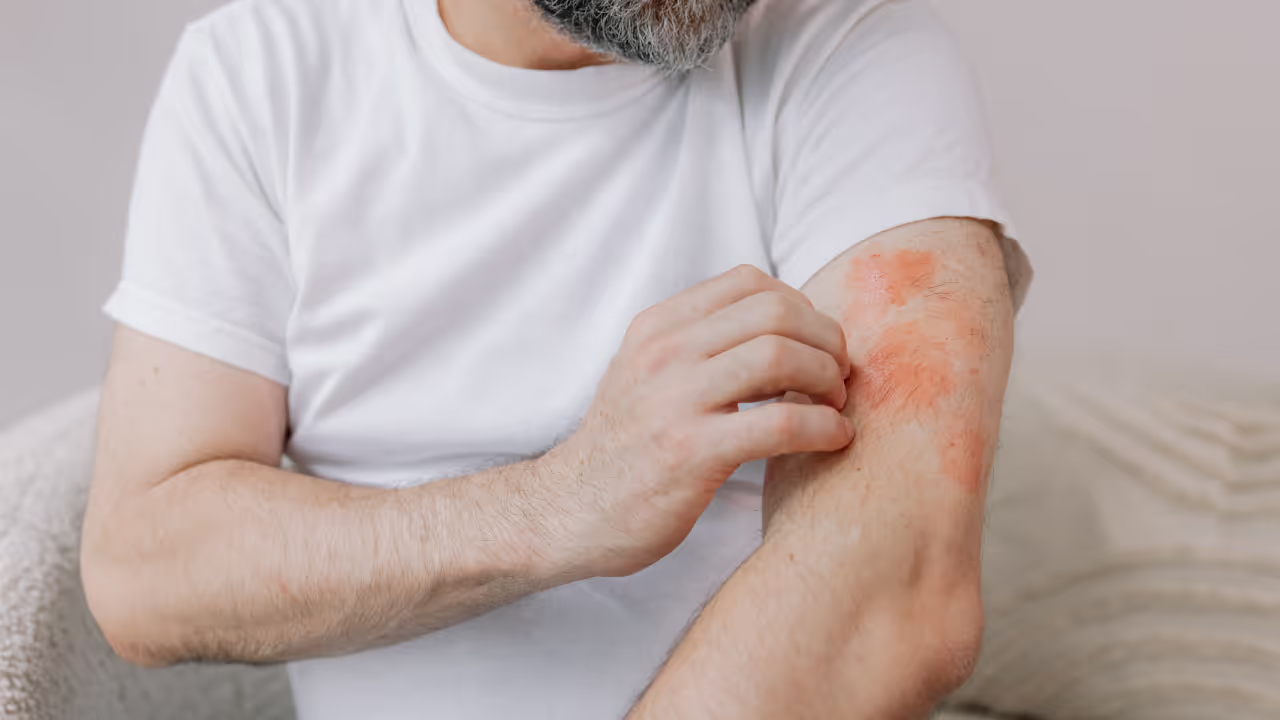
The rash looks different depending on age and the stage of the eczema. Often, you see red patches on dry, flaky skin. The skin can feel rough and thickened in areas where eczema has been present for a long time. Sometimes small blisters or bumps appear from which fluid emerges, known as weeping eczema; this fluid dries and forms crusts. Scratching can lead to scratch marks that may remain as scars or discolorations.
Differences in Skin Tone
In lighter skin tones, eczema is often bright red. In darker skin tones, it can appear purple, dark brown, or grey. After healing, darker or lighter spots may also appear, which usually fade over time.
Physical Sensations and Impact
Besides itching, the skin can feel tight, burning, or painful, especially when cracks appear in areas that move a lot. The constant itching, visibility, and sleeplessness take a heavy toll. Adults sometimes experience shame or sadness; in children, lack of sleep affects behavior, concentration at school, and mood, and parents also become tired and stressed.
Possible Complications
Scratch wounds can become infected with bacteria, recognizable by pus and yellowish crusts. Such infections are best treated quickly to prevent further complications. If the eczema remains severe despite treatment or spreads rapidly, have it assessed.
Where Does Atopic Eczema Occur?
Atopic eczema appears in characteristic locations, and this pattern shifts with age. Knowing where eczema typically occurs makes it easier to recognize.
In babies
In babies and very young children, eczema is primarily found on the face, especially on the cheeks, forehead, and chin. The scalp and the outer surfaces of the arms and legs can also be affected. The diaper area usually remains unaffected, which helps distinguish eczema from other skin conditions.
In older children
As children get older, the eczema tends to shift to the skin folds: the insides of the elbows, the backs of the knees, the wrists, and the ankles. The neck, especially in the creases, and the hands are also frequently affected.
In adults
In adults, eczema often appears on the face, neck, eyelids, in the backs of the knees, and the insides of the elbows. The skin there is thinner and more sensitive. Also the hands and wrists are common areas, especially for those whose professions involve frequent contact with water, soap, or chemical substances.
The rash is often symmetrical and in severe cases, can spread over large areas of the body.
Do you suffer from Atopic eczema?
Personalized advice for your skin, completely online. Upload a few photos through the Skindr app and receive medical advice from a licensed dermatologist within 48 hours. No waiting room or referral required.
Treatment of Atopic Eczema
The most important thing to know is that atopic eczema is a chronic condition that cannot be fully cured. Therefore, treatment focuses on two goals: properly caring for the skin to restore its barrier function, and treating flare-ups to alleviate symptoms.
Medical Treatments
During a flare-up, the doctor usually opts for corticosteroid creams or ointments. Corticosteroids are powerful anti-inflammatory agents that reduce redness, swelling, and itching. Various strengths are available, and the doctor selects the appropriate strength based on age, severity, and location on the body. Young children and sensitive areas like the face always receive a milder treatment than arms or legs. Modern corticosteroid creams are safe when used as recommended, and their benefits far outweigh the minor risks.
If the eczema returns very quickly after stopping corticosteroids, the dermatologist may recommend non-corticosteroid anti-inflammatory creams as a follow-up treatment or for alternation. In severe cases, light therapy can help, although it is less common in young children. For very severe eczema, treatments in tablet or injectable form are also available; but for children, this only occurs under intensive supervision in specialized centers. According to research, nutritional supplements generally do not provide significant improvement.
Self-care and Prevention
The foundation of any treatment is to moisturize your skin daily, even when eczema is not active. Moisturizing creams, ointments, lotions, and bath oils keep the skin hydrated and strengthen its barrier. Preferably apply immediately after showering or bathing, to still-damp skin. Ointment often works better than cream for very dry skin. Choose hypoallergenic products free of fragrance or dyes. For parents of young children, there are sometimes 'lotion schools' where you learn how to best care for the skin.
When to see a doctor?
Consult a doctor for new or unclear symptoms, for a flare-up that doesn't respond to usual treatment, for signs of infection, or when itching severely disrupts sleep and daily functioning. Through Skindr, you will receive advice from a certified dermatologist within 48 hours.
What doesn't work for atopic eczema?
There are many misconceptions about atopic eczema. Knowing what doesn't work saves you time, money, and disappointment.
It won't go away on its own without care. Although the symptoms in many children decrease with age, eczema does not improve without proper skincare and can even worsen, increasing the risk of infections and scars.
A diet is usually not the solution. For most people, diet plays no role. Only with a proven food allergy does avoiding that specific food help. Strict dieting without a medical reason is harmful, especially for children's growth.
Washing too much worsens eczema. Daily bathing with warm water and a lot of soap dries out the skin. Limit yourself to lukewarm showers two to three times a week with minimal soap.
A tanning bed is not a treatment: it increases the risk of skin cancer. It's best to avoid alternative remedies without scientific evidence.
Frequently asked questions about atopic eczema
Is atopic eczema contagious?
No, atopic eczema is absolutely not contagious. You cannot transmit it through touch, hugging, or sharing towels or toys. It stems from a genetic predisposition and how one's own skin and immune system function. Even when eczema becomes infected with bacteria, the underlying condition remains non-transmissible.
Does atopic eczema disappear on its own?
In many children, symptoms decrease during puberty, and about half experience little to no discomfort as adults. The other half continues to have symptoms to varying degrees. The predisposition remains lifelong, but with proper care, the symptoms are usually well manageable.
How long does a flare-up last?
That varies greatly per person and depends on how quickly you treat and care for your skin. With treatment, mild flare-ups often improve within one to two weeks. Severe flare-ups sometimes last four to six weeks or longer. Without treatment, a flare-up can persist for months.
What helps with itching?
Keep nails short to limit damage from scratching; for babies, thin cotton mittens help during sleep. A cool bedroom and distraction can soothe the itch. Good and regular moisturizing remains the foundation. For severe itching, the doctor may recommend an anti-itch medication.
Can I exercise and swim with atopic eczema?
Yes, normal activities are perfectly fine and important, especially for children. Shower quickly after exercising or swimming and then moisturize, as sweat and chlorine irritate the skin. Don't let eczema limit social or sports activities.
When should I see a dermatologist for atopic eczema?
Seek help for new or unclear symptoms, for a flare-up that doesn't respond to usual treatment, for signs of infection such as pus or yellow crusts, or when itching severely disrupts sleep and daily life. An assessment is also advisable when eczema has a significant emotional impact.
Can Skindr help with atopic eczema?
Yes. Send a few photos and a description of your symptoms, and a certified dermatologist will assess your skin within 48 hours, without a waiting room. You'll receive personalized treatment advice and, where necessary, guidance on the appropriate next step.

](https://static.legitscript.com/seals/624359.png)