.webp)


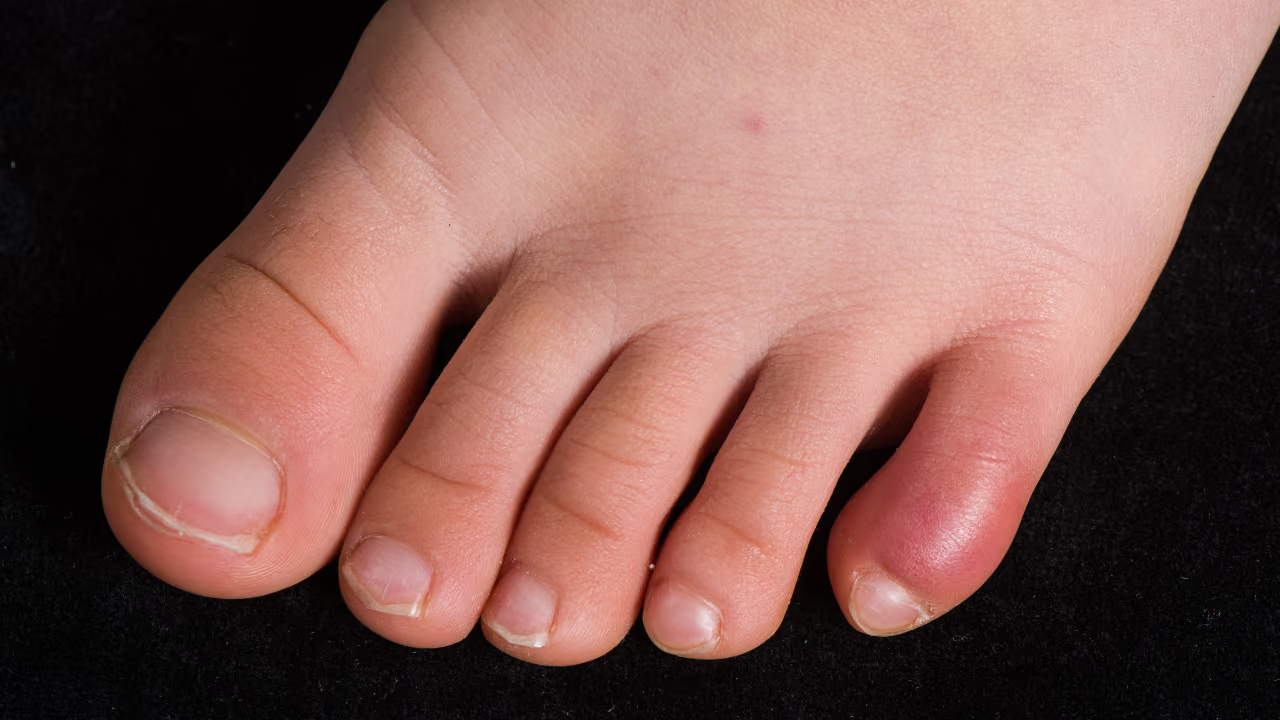
What are chilblains?
Chilblains are itchy red or purplish discolourations on the fingers, toes and sometimes the heels, caused by a vascular reaction to damp cold. The medical term is perniones, also known as perniosis. The condition is benign and not contagious. Perniones is a different condition from eczema, although both skin conditions can cause intense itching.
The difference between chilblains on the toes and hands
Chilblains on the toes and hands are the same mechanism in a different location. Toe chilblains are considerably more common than hand chilblains, as the toes are exposed to cold and moisture in footwear for longer. The approach and treatment are identical for both.
Acute and chronic perniones
Perniones can follow an acute or chronic course. In the acute form, symptoms resolve spontaneously within 1 to 3 weeks once the skin is kept warm. In the chronic form, symptoms return every cold season. Chronic perniones are more common in people with persistent vascular sensitivity and sometimes require medical supervision. Few sources make this distinction, even though it makes a significant difference to the patient's approach and expectations.
Do you suffer from Chilblains?
Personalized advice for your skin, completely online. Upload a few photos through the Skindr app and receive medical advice from a licensed dermatologist within 48 hours. No waiting room or referral required.
How do chilblains develop?
Chilblains develop when the small blood vessels (capillaries) in the skin constrict in the cold to limit heat loss. When the skin then warms up too quickly, the blood vessels suddenly dilate, leading to leakage of fluid into the surrounding tissue. This causes the typical swelling, redness and itching.
A counter-intuitive but important fact: temperatures between 0 and 5°C combined with humid air are more dangerous for chilblains than severe dry frost. Damp cold impairs the skin's thermoregulation more strongly than dry cold. Read more about the mechanism at DermNet NZ on pernio.
Who is more at risk of chilblains?
Young women are more at risk than men. Further risk factors include a family predisposition, low body weight, smoking (which constricts blood vessels), the use of certain blood pressure treatments and venous insufficiency. People who work outdoors for extended periods in damp conditions are also at increased risk.
Symptoms and characteristics of chilblains
The typical symptoms of chilblains are a red-blue-purple discolouration, swelling and a burning or itching sensation that intensifies on warming. The affected areas may be tender to the touch.
On lighter skin, the patches are reddish or blue-purple. On darker skin, they are dark purple to brownish, less noticeable but equally unpleasant. In persistent or severe cases, blisters, small ulcers or wounds may develop, increasing the risk of infection. According to Thuisarts.nl, symptoms resolve in most people as soon as they stay warm.
Chilblains are sometimes confused with Raynaud's phenomenon, but there are clear differences. Raynaud's involves brief episodes of discolouration (white-blue-red) that resolve within minutes on warming. Chilblains last hours to days, leave visible skin changes and do not resolve quickly. When symptoms persist or worsen, the distinction is medically relevant.
Not sure whether it's perniones or Raynaud's phenomenon? A certified Skindr dermatologist will assess your symptoms within 48 hours.
Where do chilblains occur?
The fingertips, heels and toes are most commonly affected. Chilblains on the toes are more frequent than on the hands, as the feet are in contact with damp cold via wet shoes and socks for longer. Less frequently, the ears, nose and lower legs are also affected. In people who regularly work outside in wet conditions, symptoms can occur in multiple locations simultaneously. Those who suffer from both perniones and hand eczema may experience symptoms in multiple areas in damp cold conditions. If there is doubt about the cause of recurring itching on the hands or feet, assessment by a dermatologist is advisable.
Do you suffer from Chilblains?
Personalized advice for your skin, completely online. Upload a few photos through the Skindr app and receive medical advice from a licensed dermatologist within 48 hours. No waiting room or referral required.
Treatment of chilblains
The management of chilblains consists of prevention, home care advice and medical treatment for persistent or chronic symptoms.
Prevention
Wear warm, moisture-wicking layers and dry footwear. Keep hands and feet constantly warm, especially when moving between indoors and outdoors. Exercise promotes circulation. Smoking constricts blood vessels and significantly increases the risk of perniones: stopping smoking helps.
Home care for existing symptoms
Always warm the skin gradually. Never stand directly next to a heat source (radiator, hot bath, hot water bottle): this worsens the vascular damage. Apply a rich, protective cream to the affected skin. Do not scratch.
Medical treatment options
If home care is insufficient, several medical options are available. A treatment your doctor recommends can relieve the local inflammatory reaction. For chronic or severe perniones, vasodilators are used, which open blood vessels and reduce symptoms. Contrast baths and a cream that helps reduce itching and skin discomfort are among the supplementary options. Phototherapy is a further option in persistent cases. A comprehensive overview of treatment options can be found at huidfonds.nl.
Consulting a dermatologist is worthwhile for blisters, wounds or infection, for weekly recurrence despite good protection, or if an underlying condition such as Raynaud's phenomenon or a systemic disease is suspected. For hand problems in winter that go beyond perniones, a dermatologist provides the right assessment. In severe cases with open wounds on the leg or feet, prompt assessment by a dermatologist is advisable.
Via Skindr, you receive advice from a certified Belgian dermatologist within 48 hours, without a referral from your GP.
What doesn't work against chilblains
Warming up quickly with a hot water bottle, near a fire or in a hot bath is the most common mistake: it causes sudden vasodilation and worsens the vascular damage and swelling. Scratching the itchy spots feels relieving but increases the risk of infection, especially with blisters or open sores. Continuing to walk or stay active with open wounds or blisters increases the risk of infection. Unproven folk remedies such as ginger or vinegar can irritate the skin without any proven benefit. A dermatologist provides the right assessment and prevents harmful self-treatment in serious or recurrent cases. If there is doubt about the cause (perniones, contact eczema or another skin condition), professional advice is advisable.
Frequently asked questions about chilblains
Are chilblains on the toes and hands the same thing?
Yes, the same mechanism in a different location. Chilblains on the toes are more common due to longer exposure to damp cold in footwear. The approach and treatment are identical.
How long do chilblains last?
The acute form resolves spontaneously within 1 to 3 weeks once the skin is kept warm and protected. The chronic form returns every cold season and sometimes requires medical supervision.
At what temperature do chilblains develop?
Temperatures between 0 and 5°C combined with humid air are most risky for chilblains. Severe dry frost is less problematic than damp cold just above freezing point.
What is the difference between chilblains and Raynaud's phenomenon?
Raynaud's involves brief episodes of white-blue-red discolouration that resolve within minutes. Chilblains last hours to days, leave visible skin changes and improve more slowly.
Do chilblains go away on their own?
Usually yes, as soon as the skin is consistently kept warm. For blisters, wounds or infection, medical treatment is needed.
Can Skindr help with chilblains?
Yes. Via Skindr, a certified Belgian dermatologist assesses your symptoms within 48 hours based on photos, without a referral from your GP. You'll quickly know whether it's perniones or something else.


](https://static.legitscript.com/seals/624359.png)