.webp)


What are burns?
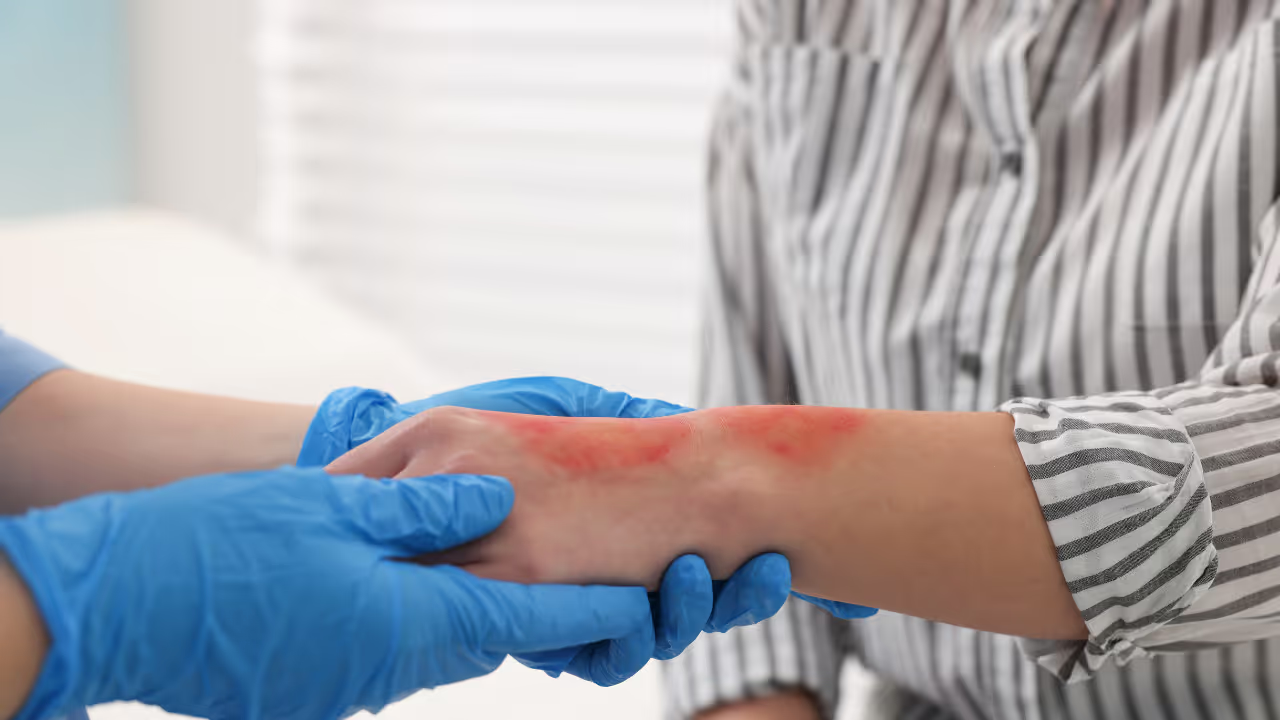
A burn is damage to the skin and possibly deeper tissues due to heat, electricity or aggressive chemicals. The skin loses its protective function, which can lead to moisture loss, infections and pain. The severity of the damage depends on several factors: the temperature of the heat source and the duration of the contact.
Burns are common in everyday life. Examples include kitchen accidents with boiling water or hot pans, touching a hot oven or iron, burning by flames of fire or candles, and chemical burns due to contact with corrosive liquids such as uncloggers or bleach. Electrical burns, for example due to contact with electrical outlets or high voltage, also occur.
The skin consists of three layers: the epidermis, the dermis and the subcutaneous connective tissue. Depending on how many of these layers are damaged, we speak of different degrees of burns. This classification helps doctors assess what treatment is needed and whether hospitalization is necessary.
SuperFICIAL burns involve only the upper layers of the skin. The skin turns red, may hurt and small blisters may occur. The sense of touch remains intact and when you press on the skin, it turns white and then turns red again. The wound surface is moist. These burns usually heal within two to three weeks, usually without permanent scarring. Inadequate aftercare can cause color changes.
Deep burns also affect the deeper layers of the skin. The sense of touch is impaired or completely disappeared, which is a sign of serious nerve damage. The skin no longer turns red after applying pressure. The wound surface often looks dry and may be white, brown or black. Burns caused by flame or electric current are usually deep. These wounds heal much slower and often leave scars.
In addition to the depth, the size of the burned zone is also important. A simple rule of thumb is that the palm of an adult covers approximately 1% of the total body surface. An arm corresponds to 9%, a leg to 18%, and the torso to 36% of the body surface. Burns that cover more than 10% of the body are considered serious and require hospitalization.
Do you suffer from Burns?
Have your skin assessed by a licensed dermatologist via the Skindr app. Upload photos and get a diagnosis with personal advice within 48 hours. No waiting room, no referral required.
How do burns occur?
Burns occur when the skin is exposed to extreme conditions that damage the normal structure of the tissue. Different causes can lead to burns, each with their own characteristics and risks.
Thermal burns, caused by heat, are the most common. This can happen through direct contact with fire or flame, for example when clothing catches fire. Boiling water, hot oil, or other hot liquids cause scorches that are often large and deep. Contact with hot objects such as hotplates, pans, irons or engine exhaust pipes causes local, often deep burns. The severity depends a lot on the temperature and how long the contact lasts.
Chemical burns occur due to contact with aggressive substances that destroy skin tissue. Strong acids such as uncloggers or battery acid, and strong bases such as bleach or oven cleaner, can cause serious wounds. The dangerous thing about chemical burns is that the damage continues even after contact with the substance has stopped. That's why immediate and thorough rinsing with water is so important.
Electrical burns have their own characteristics. Current can conduct through the body and cause internal damage that is greater than the visible skin damage. An electric burn often shows small entry and exit points on the skin, while damage to muscles and organs can be significant. High-voltage accidents can cause life-threatening injuries.
Radiation fires due to excessive exposure to sunlight or UV light are usually superficial but can be painful. Exposure to radioactive radiation can also cause burns, although fortunately this is very rare.
The depth of a burn is determined by the amount of energy released and the duration of exposure. The higher the temperature and the longer the contact, the deeper the damage. The location on the body also plays a role: the skin on the face, hands and feet is thinner and more vulnerable than, for example, the skin on the back.
After the actual combustion, an inflammatory reaction occurs in the body. The damaged cells release substances that attract more inflammatory cells. This is a natural recovery process, but in the case of severe burns, this reaction can be so severe that it leads to shock. Moisture loss occurs through the damaged skin, which can cause a drop in blood pressure. There is also a risk of infections because the skin's natural barrier has been broken.
Symptoms and characteristics of burns
The symptoms of burns vary greatly depending on the depth and extent of the damage. Recognizing the severity is important to determine whether self-treatment is possible or whether medical attention is needed.
In superficial, first-degree burns, the skin is bright red and feels warm. There is intense pain because the nerve endings in the epidermis are stimulated. The skin may swell slightly. Small blisters with clear moisture may form, often within hours of the burn. The skin under the bladder is pink and moist. The pain is worst in the first 24 to 48 hours.
Second-degree burns are deeper and involve larger blisters that are filled with clear to yellowish fluid. The area around it may be white or pink. The pain is severe and the skin is very sensitive to touch. When the bladders burst, the underlying tissue is exposed, increasing the risk of infections. These wounds heal more slowly, usually in two to three weeks.
In third degree burns, the skin is white, brown or black and feels leathery. It is striking that these wounds often hurt less than superficial wounds because the nerves are destroyed or damaged. The absence of pain in a serious looking wound is therefore just an alarm signal for deep damage. The skin is dry and charred residues may be visible.
In addition to local symptoms, general signs can also occur, especially with extensive burns. Chills or fever may indicate shock or an incipient infection. Dizziness, fainting, or confusion are signs of severe fluid loss or shock. Rapid heart rate and rapid breathing are stress reactions of the body. Nausea and vomiting occur with severe burns or when the face and respiratory tract are involved.
Specific symptoms may indicate certain complications. Facial burns can lead to swelling of the airways, especially if smoke has been inhaled. Soot deposits in the nose or mouth, a hoarsened voice, or trouble breathing are alarming signs. Burns around joints can limit mobility. Circular burns around limbs can impair blood circulation, leading to tissue damage.
It's important to remember that burns can worsen in the first 48 to 72 hours. What initially seems superficial can develop into a deeper wound. That is why reassessment after a few days is essential.
Where do burns occur?
Burns can occur all over the body, but certain areas are more commonly affected depending on the type of accident. The distribution across the body often follows predictable patterns associated with the cause of the burn.
The face is frequently affected by accidents involving fire, explosions or splashes of hot liquids. The skin here is thin and particularly vulnerable. Facial burns always require extra medical attention due to the proximity of the airways and the risks of breathing problems. The front part of the neck also often falls into this zone.
The hands are the most common location for burns because we naturally use our hands to touch, grasp, or ward off danger. The fingers, palms, and wrists are most at risk. In children, we often see burns on the palms when they touch hot surfaces.
The arms, especially the forearms, are often hit by splashes of boiling water or hot oil. The inside of the forearm has thinner skin and is more sensitive. Defense movements against fire or heat often involve the outsides of arms and elbows.
The hull shows different patterns depending on the cause. When clothing is burning, we often see large, contiguous areas on the chest, stomach or back. In children, the front of the torso often comes into contact with spilled hot drinks flowing down from a table. The back is less commonly affected, except in accidents where someone ends up in flames.
The legs typically show splashing patterns when scorched with hot liquids running down. The front of the thighs and shins are the most vulnerable. In small children, we sometimes see symmetrical patterns on both legs when they are placed in bathwater that is too hot, which unfortunately can also be a sign of abuse.
The feet are at risk when in contact with hot surfaces such as heated sand, asphalt or metal grilles. Splashes and pouring liquids are also the first to affect the feet. This is more common in elderly people with reduced sensation due to nerve damage.
Certain parts of the body receive special attention in the treatment. Joints such as elbows, knees, armpits and groin are critical areas because scars can limit mobility here. Creases and overlapping skin areas are harder to heal due to constant movement and humidity. Genital burns, although rare, are a separate category due to the sensitivity and functionality of this area.
The extent of burns is measured according to the “rule of nine,” where different parts of the body represent a percentage of the total body surface. This classification helps doctors assess the seriousness and helps determine whether hospitalization is necessary.
Do you suffer from Burns?
Have your skin assessed by a licensed dermatologist via the Skindr app. Upload photos and get a diagnosis with personal advice within 48 hours. No waiting room, no referral required.
Treatment of burns
Treatment for burns begins with adequate first aid, followed by professional medical care when necessary. The goal is to limit damage, prevent infections, relieve pain and minimize scarring.
The very first step is to stop the combustion process. When clothing is burning, the victim must lie down and roll on the ground to extinguish the flames, according to the stop, drop and roll principle. Don't try to stay upright, as that will only spread the flames.
Immediately afterwards, it is essential to rinse the burn with lukewarm water. This is the most important first aid measure. Rinse for 20 to 30 minutes, starting as soon as possible after the burn. The water must be lukewarm, not icy, as cold water can cause further damage due to hypothermia. Rinsing cools the tissue and stops the burning process that continues in the deeper layers of the skin.
In the case of chemical burns, thorough rinsing is even more important. Keep rinsing for at least 20 minutes and in the meantime, gently remove any stained clothing. Do not attempt to neutralize with other chemicals, as the reaction may produce extra heat and increase damage.
Leave foreign substances that stick to the skin, such as melted plastic or asphalt, on site. Do not try to remove it yourself, as this will cause additional damage. This is work for medical staff. Do remove jewelry and tight clothing around the burn before swelling occurs.
After rinsing, cover smaller burns with a clean, damp cloth while transporting them to medical attention. For larger burns, use dry, clean cloths to protect the victim against heat loss. Protect against hypothermia, as people with extensive burns can cool down quickly. Try to reassure the victim, because fear and pain increase stress.
For minor, superficial burns, the doctor can start treatment. The wound is first thoroughly cleaned. Dead skin and dirt may be removed to prevent infections. The burn is treated with a special paraffin gauze and ointment that promotes healing. A thick absorbent bandage absorbs the moisture that the wound secretes during the first 48 hours.
Good pain relief is important. Paracetamol is often sufficient for minor burns. More severe wounds require stronger pain relievers. The first two days, the pain is usually the worst.
The wound still evolves in the first 48 to 72 hours. Therefore, reassessment is necessary after two to three days. The doctor checks that the wound is healing properly and adjusts the treatment if necessary.
In case of severe burns that are deep, cover more than 10% of the body surface, or are in critical areas such as the face, hands, feet or genitals, hospitalization is necessary. Specialized care is also required in the case of electrical or chemical burns, burns in very young children or the elderly, or when the airways are involved.
Intensive treatment is provided in the hospital or burn center. This includes infusion of fluid to prevent shock, meticulous pain management, keeping the airways open in case of facial burns, and preventing and treating infections. Very deep burns may require skin transplantation, which involves transferring healthy skin from another place on the body to the burn.
Rehabilitation and physiotherapy are important to prevent scars from restricting mobility, especially in case of burns above joints. Printed clothing can help make scars flatter and softer. In the case of burns on the face or in other visible areas, psychological support can help you learn how to deal with a changed appearance.
What doesn't work against burns?
There are many misconceptions about treating burns that are not only ineffective, but can actually worsen the situation. It is important to know them to avoid mistakes.
Applying butter, toothpaste, oil, or other home remedies to a burn is an outdated practice that you should definitely avoid. These substances trap the heat so that combustion continues deeper into the tissue. In addition, they increase the risk of infections and make it harder for medical staff to clean and assess the wound properly later.
Placing icy water or ice cubes directly on the wound seems logical to cool, but it actually causes extra damage. The extreme cold can freeze the tissue and die, worsening the wound. In the case of major burns, icy water can also lead to hypothermia of the entire body. Always use lukewarm water for rinsing.
Piercing blisters is tempting because they feel tense, but you shouldn't do it yourself. The fluid in blisters protects the underlying tissue. If you pierce a bladder, you significantly increase the risk of infections. Only when a bladder bursts on its own or becomes so large that it obstructs movement can medical staff decide to open it under sterile conditions.
Removing loose skin or chilled remains of the burn yourself seems useful, but should be left to healthcare professionals. Self-pulling on dead skin enlarges the wound and hurts a lot. It may also still contain living cells that are lost during removal.
Using cotton wool or fluff material directly on the wound is inconvenient. These materials stick to the wound surface and are painful to remove. Always use special wound material or clean, smooth cloths.
Allowing the wound to heal in the air without a cover does not work well for burns. The wound dries out, which is painful and delays healing. It also increases the risk of infection. A moist wound environment, created by special ointments and bandages, actually promotes healing.
Stopping pain relief too quickly because you are afraid of addiction or side effects is unwise. Adequate pain control is crucial for recovery. Pain causes stress that delays healing. Always discuss pain breakthroughs with your doctor instead of ignoring them.
The idea that you should scar a burn because it's natural is outdated. Modern treatments such as printed clothing, silicone gels and sometimes surgical corrections can significantly improve scars. Especially for children, it is important to minimize scarring because scars do not grow with the body.
Frequently asked questions about burns
Should I go to the doctor with a burn?
See a doctor for burns larger than the palm of your hand, deep burns where the skin is white, black or leathery, burns on the face, hands, feet, or joints, and all chemical or electrical burns. Medical attention is also needed if signs of infection such as increasing redness, swelling, pus or fever, or when the pain does not respond to pain relievers. For babies and young children, it is wise to always consult a doctor, even with seemingly minor burns.
How long does it take for a burn to heal?
SuperFICIAL burns usually heal within two to three weeks without scarring. Deeper burns take longer, often four to six weeks or more. The healing time depends on the depth, size and location of the burn, your general health and age. Burns in children usually heal faster than in the elderly. Scars will continue to mature for months and may continue to change for up to two years after the burn.
Are there scars left from burns?
SuperFICIAL burns usually leave no scars. Deeper burns do cause scars that can be permanent. The visibility of scars depends on the depth of the wound, the location on the body, your genetic predisposition to scarring, and the quality of the treatment. Scars on the face or other visible areas can be psychologically stressful. Modern treatments can improve scars.
What should I do if a blister opens?
If a blister opens on its own, leave the loose skin on as natural protection. Wash your hands thoroughly before treating the wound. Clean the wound gently with lukewarm water. Apply an antibacterial ointment and cover with a sterile bandage. Check the bandage daily for signs of infection such as increasing redness, swelling, or pus and refresh it as needed. If you are concerned or the wound does not appear to be healing properly, consult your doctor.
Can I sunbathe with a healed burn?
Avoid direct sunlight exposure from recently healed burns for at least one year. The new fabric is extra sensitive to UV radiation and can become permanently dark. Always use high-factor sunscreen on healed burns and cover them with clothing if possible. Even after one year, protection remains important to prevent discoloration.
When can I exercise again after a burn?
This depends on the location and severity of the burn. In the case of minor, superficial burns, you can often resume light activities after just a few days, provided that the wound is well protected. In case of joint burns or larger burns, it can take weeks to months before intensive sport is possible. Physical therapy may be necessary to maintain mobility. Always follow your doctor's advice and don't force if it hurts, as this can make scars worse.