.webp)


What is melasma?
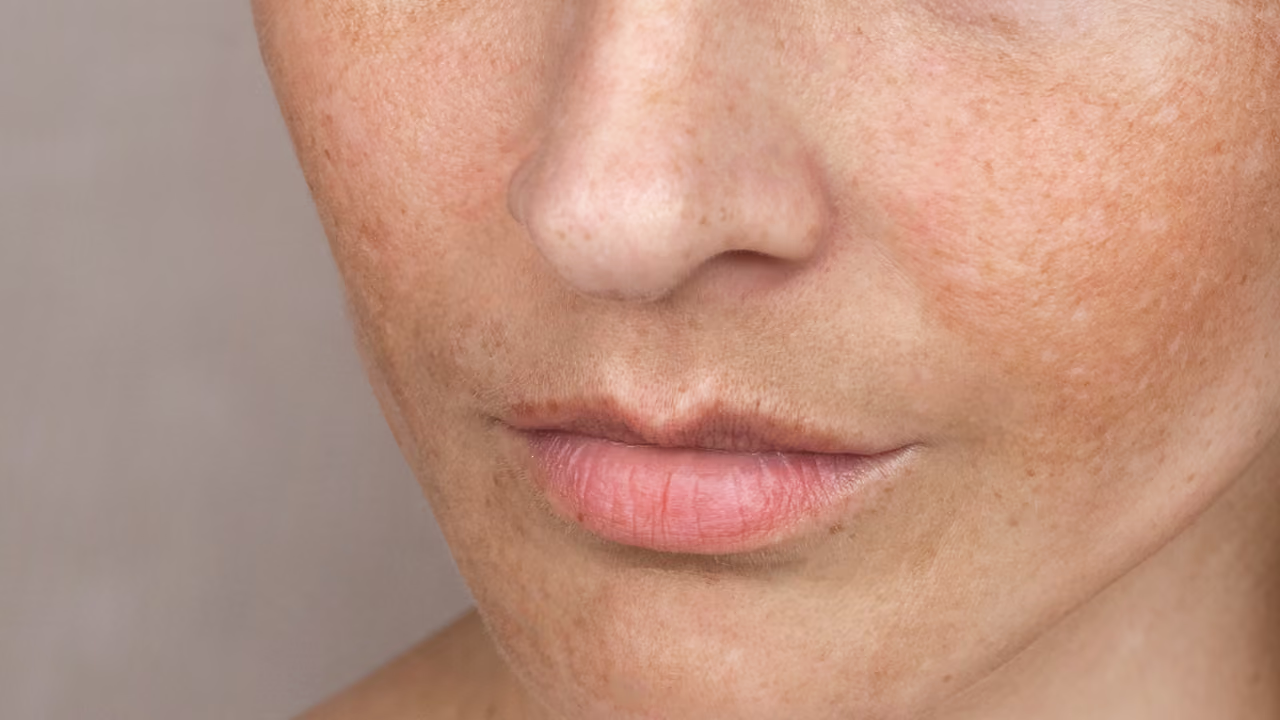
Melasma is a common pigmentation disorder characterised by brown to greyish-brown patches on the face, usually distributed symmetrically. The patches develop when pigment cells (melanocytes) locally produce excess pigment, often under the influence of hormones and sunlight.
Medical literature uses several terms for the same condition. Chloasma is a synonym sometimes used by doctors, particularly when melasma appears during pregnancy. In everyday language, this is referred to as the pregnancy mask.
The condition affects women far more often than men, in a ratio of approximately nine to one. Women between 20 and 50 are most frequently affected. People with darker skin tones are also more susceptible.
Importantly: melasma is completely harmless. It is a cosmetic condition, not a precursor to skin cancer. With the right guidance and consistent sun protection, you can fade the patches and limit recurrence.
Do you suffer from Melasma?
Personalized advice for your skin, completely online. Upload a few photos through the Skindr app and receive medical advice from a licensed dermatologist within 48 hours. No waiting room or referral required.
How does melasma develop?
Melasma develops through a combination of hormonal fluctuations and UV exposure. These two factors reinforce each other: hormones make pigment cells more sensitive, and the sun converts that sensitivity into visible brown patches.
Hormones as the main driver
Oestrogen and progesterone stimulate pigment cells to produce more pigment. This is why melasma often appears during pregnancy (one of the most common skin changes during pregnancy), when using hormonal contraception, and sometimes after stopping. In some women the patches disappear spontaneously; in others they persist.
Sun as a trigger
UV radiation is the most important external trigger. Even brief sun exposure on a cloudy day can provoke a new increase in pigmentation. This is why melasma often returns in spring and summer.
Other contributing factors
Genetic predisposition, thyroid disorders, photosensitising products and skin irritation also play a role. It is often a combination of several factors.
Symptoms and characteristics of melasma
Melasma is recognisable by brown to greyish-brown patches that are clearly defined and distributed symmetrically across the face. The patches are not painful, do not itch and do not flake.
The colour varies by skin tone: light to medium brown on lighter skin, greyish-brown on darker skin. Patches are more visible after sun exposure and lighter in winter.
An important difference: melasma is usually symmetrical, whereas isolated sun spots (lentigo) appear scattered. If in doubt, have your patches assessed by a certified dermatologist.
Where does melasma appear?
Melasma almost always appears on sun-exposed areas, particularly the face. The cheeks are the most common location, followed by the upper lip, forehead, nose and chin. The pattern is generally symmetrical.
Three classic patterns: centrofacial (most common), malar (cheeks and nose), mandibular (jawline). Outside the face, melasma can occasionally appear on the neck, décolletage and forearms.
Do you suffer from Melasma?
Personalized advice for your skin, completely online. Upload a few photos through the Skindr app and receive medical advice from a licensed dermatologist within 48 hours. No waiting room or referral required.
Treatment of melasma
Treating melasma requires patience and a layered approach. Without consistent sun protection, no other step will work.
Sun protection as the foundation
A broad-spectrum SPF 50+ sunscreen is essential every day, all year round, including on cloudy days.
Depigmenting skincare
A dermatologist can recommend depigmenting creams suited to your skin type. Professional assessment is essential to avoid irritation or paradoxical darkening.
Peeling and laser
For persistent melasma, a chemical peel or laser may be considered. Risk of post-inflammatory hyperpigmentation on darker skin. Skindr assesses your situation and refers you accordingly.
Combined approach
Combination formulas only through a doctor or pharmacist, not during pregnancy. Via Skindr, personalised advice within 48 hours.
What doesn’t work for melasma
Aggressive scrubs stimulate pigment production rather than reducing it. Lightening creams from dubious channels may contain prohibited ingredients. Certain active ingredients are not safe during pregnancy. Without SPF 50+, no treatment delivers lasting results.
Frequently asked questions about melasma
Is melasma contagious?
No, absolutely not. It develops through hormones, sun exposure and genetic predisposition.
Does melasma go away on its own?
Sometimes with hormonal melasma, often not. Other forms tend to be chronic.
Difference between melasma and chloasma?
Same condition. Chloasma = hormonally triggered. Pregnancy mask = during pregnancy.
Can melasma affect men?
Yes, though far more common in women (roughly nine to one).
Which sunscreen?
Broad-spectrum SPF 50+ protecting against UVA and visible light, applied daily.
When to see a dermatologist?
If unsure what the patches are, they are spreading, or sun protection hasn’t helped after a few months.
Can Skindr help?
Absolutely. Send photos to a certified Belgian dermatologist and receive advice within 48 hours.
Resources
- Skindr dermatologists: Clinical advice from the Skindr dermatological panel
- EBPNet (Domus Medica): Belgian evidence-based guidelines — pigmentation disorders
- DermNet NZ: Melasma
- Thuisarts.nl (NHG): I have melasma (chloasma)
- Huidziekten.nl: Medical reference — pigmentation disorders

](https://static.legitscript.com/seals/624359.png)