.webp)


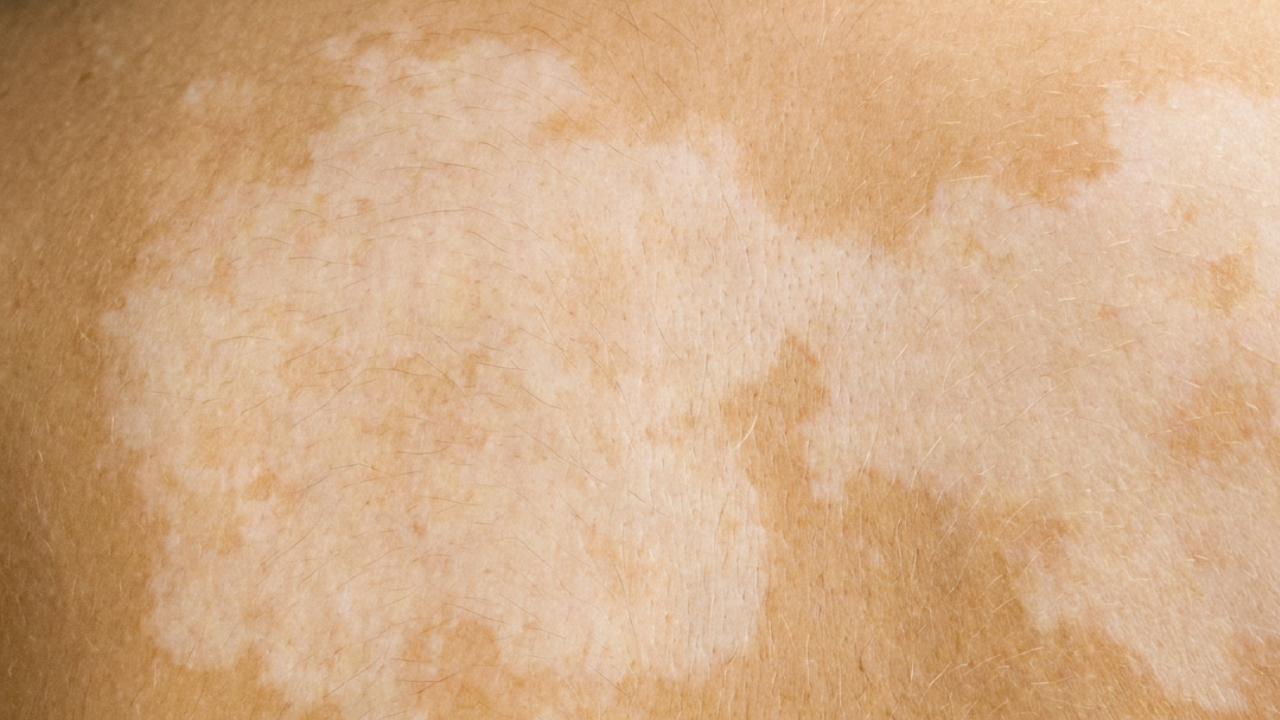
What is pityriasis versicolor?
Pityriasis versicolor is a superficial fungal infection of the skin, caused by the Malassezia yeast. The common term is sun fungus; in medical literature, tinea versicolor is also used. The condition is completely benign but can be aesthetically bothersome due to the color changes it causes on the skin.
Is pityriasis versicolor contagious?
No. Pityriasis versicolor is not contagious. The Malassezia yeast is already part of the normal skin flora; almost everyone carries this yeast on their skin. Person-to-person transmission does not occur, not even in a swimming pool, sauna, or through clothing. The spots only appear when the yeast overgrows under certain conditions and begins to affect the pigment cells.
Pityriasis versicolor is the most recognizable manifestation of Malassezia overgrowth on the torso. The same yeast is also responsible for scalp conditions such as dandruff and plays a role in seborrheic dermatitis: different conditions, the same cause.
Do you suffer from Pityriasis versicolor?
Personalized advice for your skin, completely online. Upload a few photos through the Skindr app and receive medical advice from a licensed dermatologist within 48 hours. No waiting room or referral required.
How does pityriasis versicolor develop?
Pityriasis versicolor develops when the Malassezia yeast overgrows and disrupts pigment production in the skin. The yeast produces a substance that inhibits melanocytes (pigment cells). This leads to areas with less pigment (white spots) or more pigment (browner spots), depending on skin tone and the yeast's activity level.
Heat, sweating, and oily skin
Heat, excessive sweating, and oily skin are the primary triggers. This explains why the condition is more common in summer and in warm climates. The Malassezia yeast thrives on sebum (skin oil) and flourishes in humid, warm conditions. People with naturally oilier skin are more susceptible.
Immune system and hormones
A weakened immune system, hormonal changes (puberty, pregnancy), certain treatments, and malnutrition can also contribute to overgrowth. People with seborrheic dermatitis sometimes also have pityriasis versicolor, as the same yeast drives both conditions. Similar fungal skin infections of the skin such as ringworm are caused by a different type of fungus, but sometimes show similar spots on the torso. Anyone who has had pityriasis versicolor once is more susceptible to recurrence.
Symptoms and characteristics of pityriasis versicolor
Pityriasis versicolor causes small, round spots that lightly flake when you gently rub them. The color of the spots depends on the skin tone and the activity level of the infection.
Pityriasis versicolor on light skin
On light or fair skin, the spots are typically light brown to pink during an active infection. After treatment or in winter, they turn white or lighter than the surrounding skin. They are most noticeable in summer, when the surrounding skin tans but the affected areas do not tan in the sun.
Pityriasis versicolor on dark skin
On dark or pigmented skin, the spots are usually darker than the surrounding skin (hyperpigmentation). After treatment, white residual spots can also remain on dark skin tones, visible for months. Distinguishing it from vitiligo can sometimes be difficult: pityriasis versicolor flakes lightly and responds to antifungal treatment, while vitiligo does not. A related condition that also causes white spots is pityriasis rosea, although it has a different cause and course.
Assessment
Pityriasis versicolor can be identified using a Wood's lamp: the fungus fluoresces yellow-green under UV light. Microscopic examination reveals the characteristic "spaghetti and meatballs" appearance of fungal hyphae and spores. More about the clinical features via DermNet NZ.
Unsure if your spots are pityriasis versicolor? A certified Skindr dermatologist will assess your photo within 48 hours.
Where does pityriasis versicolor occur?
Pityriasis versicolor most commonly affects the upper back, chest, shoulders, and neck. These are areas where sebaceous glands are more active and where heat and moisture accumulate more easily. The abdomen, sides, and sometimes the face (forehead) can also be affected.
In severe or persistent infections, the scalp can be affected, even if the spots are not visible due to hair. The scalp then acts as a silent reservoir that leads to recurrence if not treated concurrently. Also, complaints such as hair loss can sometimes be related to scalp conditions.
Palms, soles, and mucous membranes always remain unaffected: Malassezia yeast requires sebum as a food source and cannot thrive in areas without sebaceous glands.
Do you suffer from Pityriasis versicolor?
Personalized advice for your skin, completely online. Upload a few photos through the Skindr app and receive medical advice from a licensed dermatologist within 48 hours. No waiting room or referral required.
Treatment of Pityriasis Versicolor
Pityriasis versicolor responds well to antifungal treatment, but the white residual spots that remain after treatment can stay visible for 3 to 6 months. The skin fully restores its normal pigmentation, but this takes time. This is normal and not a sign that the treatment isn't working. The Dutch Thuisarts.nl clearly explains the treatment protocol from a patient's perspective.
Step 1: Antifungal Shampoo or Cream
Antifungal shampoo, or a shampoo that helps reduce flaking, is applied to the affected areas and the scalp, left on for 10 to 15 minutes, and then rinsed off. This protocol is repeated daily for 14 days. Creams for certain fungal skin infections are an alternative for smaller affected areas.
Step 2: Tablets for Persistent Cases
For extensive or recurrent infections, a tablet treatment for certain fungal infections is an option, available only through a doctor. It is not suitable during pregnancy and interacts with other treatments.
Step 3: Preventing Recurrence
Pityriasis versicolor frequently recurs, even after successful treatment. Maintenance treatment (antifungal shampoo 1 to 2 times a month, including the scalp) reduces the risk of recurrence during warmer months. Always treat the scalp as well, even if it is symptom-free.
If there's no improvement after 4 weeks of treatment, or if it persistently recurs, a dermatologist consultation is advisable. Do you also experience itching or skin irritation in addition to the spots, then an assessment is definitely recommended. Through Skindr, you'll receive advice from a certified dermatologist within 48 hours. No GP referral is needed.
What Doesn't Work Against Pityriasis Versicolor?
Vaseline and greasy skin creams are strictly to be avoided for pityriasis versicolor. Malassezia yeast feeds on fats: greasy products on the skin stimulate its growth and worsen the infection. Choose a light, non-comedogenic moisturizer. More background on Malassezia-related conditions can be found at huidziekten.nl.
Stopping treatment too early because the skin appears improved almost always leads to recurrence. The fungus is still present but no longer actively visible. Follow the full 14-day protocol.
Seeking sun exposure to 'burn away' the white spots doesn't help. On the contrary, sun exposure causes the surrounding skin to tan more intensely, making the white spots even more noticeable.
Forgetting to treat the scalp is a common mistake: Malassezia can regenerate from the scalp and cause a recurrence on the torso.
Frequently asked questions about pityriasis versicolor
Is pityriasis versicolor contagious?
No. The Malassezia yeast is already present on everyone's skin. Pityriasis versicolor is not transmissible through contact, clothing, swimming pools, or saunas.
Does pityriasis versicolor go away on its own?
The active infection rarely resolves on its own without treatment. The residual white spots that remain after treatment fade spontaneously over 3 to 6 months.
How long are the white spots visible after treatment?
On average, 3 to 6 months. The pigment cells recover slowly. This is normal and does not mean the infection is still active.
What is the best treatment for pityriasis versicolor?
An antifungal shampoo used daily for 14 days is the first choice for most cases. For recurrence or extensive infection, a tablet treatment is available through a doctor.
When should I see a dermatologist?
If there's no improvement after 4 weeks of treatment, for persistently recurring infection, or if you have doubts about the assessment (distinguishing it from vitiligo or pityriasis alba).
Can Skindr help with pityriasis versicolor?
Yes. A certified Skindr dermatologist will review your photo within 48 hours and provide personalised advice. No waiting room, no referral needed.

](https://static.legitscript.com/seals/624359.png)