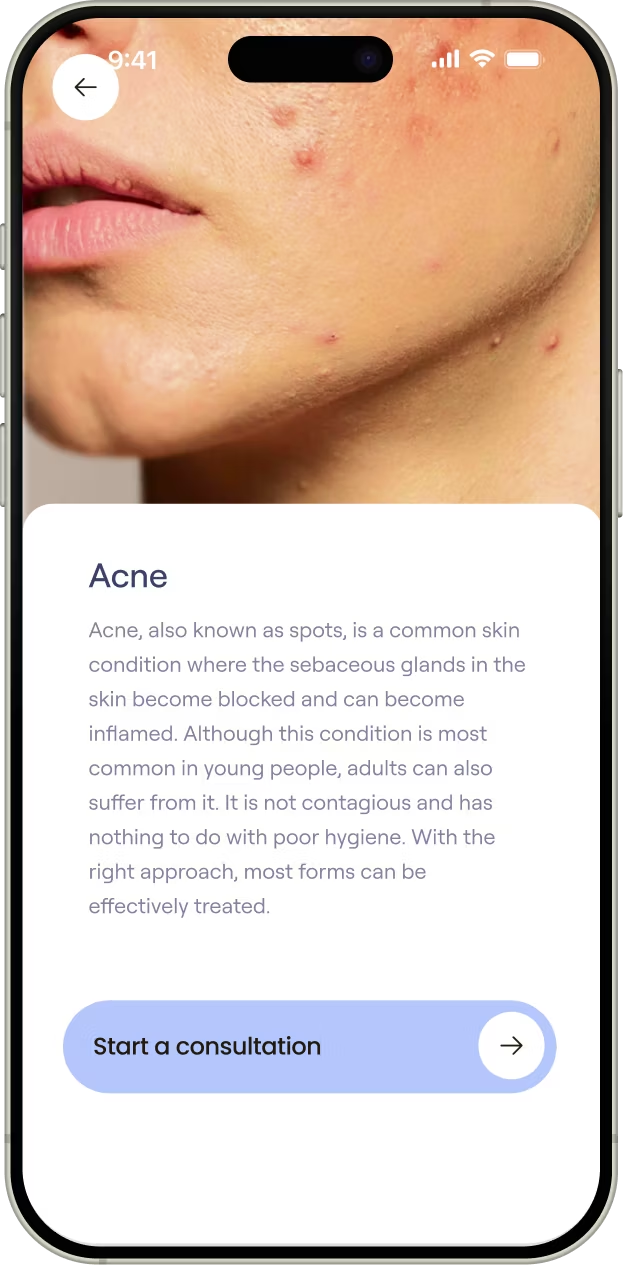
.webp)


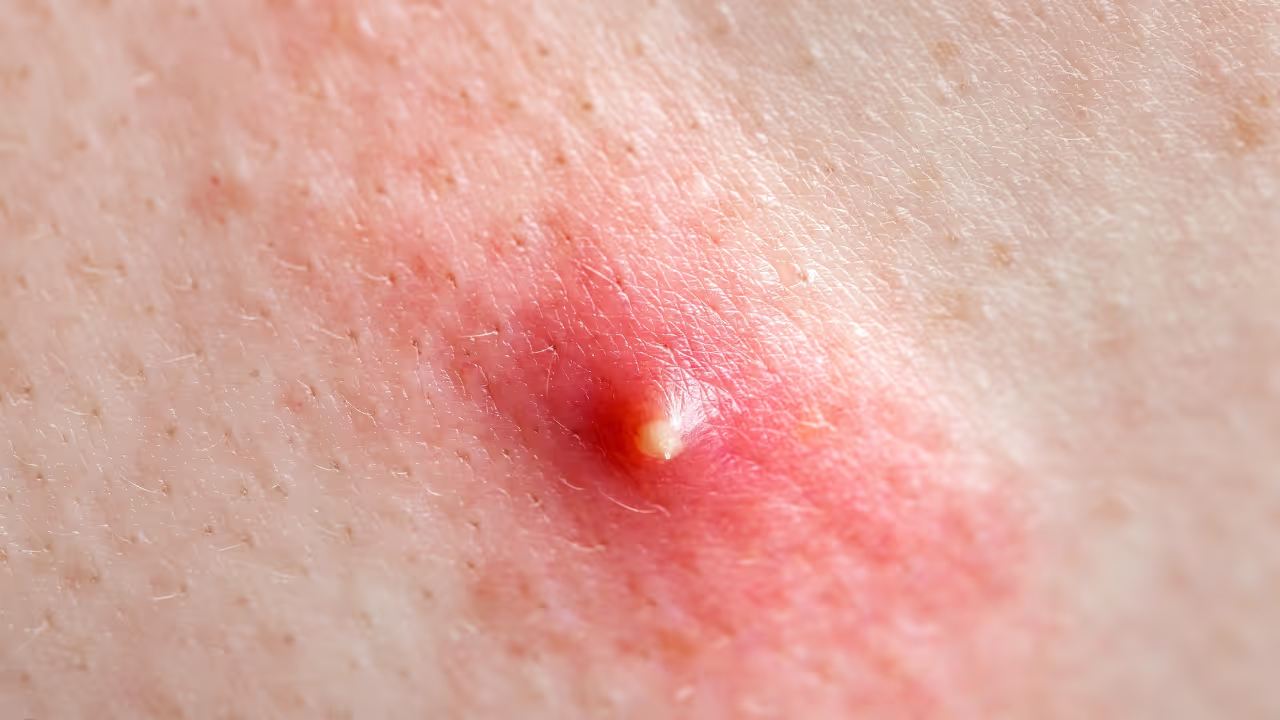
What are pustules?
Pustules are small, often red and painful bumps on the skin that occur when hair follicles or pores become clogged. Your skin naturally produces sebum, an oily substance that keeps your skin supple and protects it from drying out. This sebum is produced by sebaceous glands in the skin and comes out through the pores. When these pores are clogged by a combination of excess sebum, dead skin cells, and bacteria, pustules develop.
There are different types of pustules, each with their own characteristics and causes. Some pustules remain superficial and heal quickly, while others are deeper in the skin and last longer. It's important to understand what type of pimple you have, as this will determine which treatment works best.
Pustules most often occur in places where there are many sebaceous glands, such as the face, neck, shoulders, back, and chest. They affect people of all ages, but are particularly common during puberty when hormones stimulate sebum production. However, adults can also suffer from pustules, especially women around their periods or during pregnancy.
Do you suffer from Pustules?
Have your skin assessed by a licensed dermatologist via the Skindr app. Upload photos and get a diagnosis with personal advice within 48 hours. No waiting room, no referral required.
How do pustules develop?
The development of pustules often begins with a blockage of the pores. Your skin is constantly renewing itself, with old skin cells dying and new cells taking their place. Normally, these dead cells are removed naturally. Sometimes, however, this does not happen properly and dead skin cells remain in the pores along with sebum.
Hormonal changes play an important role in the development of pustules. During puberty, menstruation, pregnancy, or the use of certain medications, hormones can stimulate the sebaceous glands to produce more sebum. This excess sebum production significantly increases the risk of clogged pores.
Bacteria are often involved in the development of inflamed pustules. Different types of bacteria naturally live on your skin, including Staphylococcus aureus and Cutibacterium acnes. These bacteria can multiply in clogged pores, leading to inflammation. Your body responds by sending white blood cells to the site, resulting in redness, swelling, and the characteristic pus in the pimple.
Certain factors can promote or worsen the development of pustules. Friction caused by tight clothing, helmet, or backpack can irritate the skin and lead to pustules. The use of oily or oily cosmetics can also clog pores. Stress affects your hormone balance and can therefore indirectly cause pustules. In addition, certain medicines, such as cortisone products, may increase the risk of pustules.
Learn more about specific types of pustules
Pustules can have different causes and manifest themselves in various ways. For a more in-depth explanation of specific shapes, please refer to our detailed pages:
Acne: The most common form of pustules, especially among young people. Read all about blackheads, inflamed pustules and effective treatments on our acne page.
Folliculitis (inflammation of hair follicles): Small red pimples in areas of hair follicles, often caused by bacteria. This condition occurs on hairy parts of the body such as the neck, armpits, and groin.
furuncle (furuncle): A large, painful ulcer that occurs when an inflamed hair follicle spreads into deeper tissue. Boils sometimes require medical treatment.
Nine-eyed (carbuncle): A collection of multiple inflamed hair follicles that together form a larger, painful ulcer. This mainly occurs in people with reduced immunity.
Perioral Dermatitis: Small pimples and pimples specifically around the mouth, often caused by the use of cortisone creams or certain cosmetics.
Each of these disorders has its own characteristics, causes, and best treatment options. Check out the specific pages for detailed information to help you better understand and address your skin problem.
Symptoms and characteristics of pustules
Pustules can manifest themselves in different ways, depending on the type and severity of the disorder. The most common form is a small red bump on the skin that can be sensitive or painful when touched. This bump may develop a white or yellow cup in the middle, which contains pus.
With superficial pustules, you usually see small red patches on the skin, sometimes with a white or yellow point in the center. These pustules are often slightly painful and can be itchy. If you get to them or squeeze them out, they can burst open and release some moisture or pus. After healing, they usually disappear without leaving scars.
Deeper pustules are further into the skin and feel like larger, harder lumps under the skin's surface. They are often more painful than superficial pustules and do not always have a visible cup. These inflammations can last for weeks and sometimes leave scars or discoloration on the skin when healed.
In addition to the visible pustules, some people also experience itching or burning on the affected skin. The skin around pustules may be red and irritated. In severe inflammation, pustules can feel warm and several pustules can coalesce into larger inflamed areas.
Where do pustules appear?
Pustules can occur in any part of the body where hair follicles are present, but certain areas are more sensitive than others. The face is the most common location, particularly the nose, forehead, cheeks, and chin. Areas where sebum production is often highest.
On the back, pustules may develop, especially on the shoulder blades and the upper part of the back. This location is often more difficult to treat because it is difficult to access it yourself and because friction from clothing can worsen the situation. The shoulders are also a common spot for pimples, especially among people who wear backpacks or exercise intensively.
The chest is another typical location where pustules can form. This is more common in men than in women, but both can suffer from it. The neck, especially the back and hairline, is also prone to pustules. This is because hair and hair products can clog pores.
Less common locations include the arms, buttocks, and thighs. In these areas, pustules can occur due to friction, sweating, or hair follicles that are irritated by shaving or waxing. The nature and pattern of pustules on different parts of the body can provide clues to the underlying cause.
Do you suffer from Pustules?
Have your skin assessed by a licensed dermatologist via the Skindr app. Upload photos and get a diagnosis with personal advice within 48 hours. No waiting room, no referral required.
Treatment of pustules
Treatment for pustules depends on the type, severity, and cause. Self-care is often sufficient for mild pustules. The most important thing is to cleanse your skin properly without overdoing it. Wash your face twice daily with a mild cleanser and lukewarm water. Excessive washing or scrubbing actually irritates the skin and can make the situation worse.
For mild to moderate pustules, local treatments are available at the pharmacy. Products containing benzoyl peroxide help fight bacteria and exfoliate the skin, leaving pores open. Salicylic acid also works well to open clogged pores. Start with a low concentration to see how your skin reacts, as these agents can dry out or irritate the skin.
For mild, persistent, or more severe pustules, your doctor may prescribe stronger treatments. Creams or gels containing retinoic acid help regulate skin renewal and prevent pores from clogging. These remedies are effective but may cause skin irritation at the beginning. However, your skin usually gets used to it after a few weeks of use.
Antibiotics can play an important role in the treatment of inflamed pustules, both as an initial treatment and when other therapies do not provide sufficient results. These can be topical antibiotics in the form of creams or gels, or tablets for more extensive conditions. Low doses of antibiotics are often used for acne. These do not work like classic antibiotics that kill bacteria, but mainly help to calm the inflammatory response in the skin. This reduces redness and swelling.
Specialized treatments are available for specific forms of pustules. Birth control pills can sometimes help with hormonally related pustules in women. Very severe cases may require stronger medications that can only be prescribed by a dermatologist. These treatments require close supervision due to possible side effects.
What doesn't work against pustules?
There are many misunderstandings about the cause and treatment of pustules. It's important to know what doesn't work or can even be harmful. Squeezing out pustules is tempting but often leads to worsening. By squeezing, you push bacteria deeper into the skin, which worsens the inflammation and increases the risk of scarring.
Smearing toothpaste on pustules is a common home remedy, but dermatologists strongly advise against it. Toothpaste contains ingredients that can irritate the skin and make the situation worse. The same goes for lemon or other acidic products that damage rather than help your skin.
Too aggressive cleaning methods do not make pustules better. Excessive washing, harsh exfoliation or use of alcohol-containing products damage your skin's natural protective layer. This leads to more irritation and can actually stimulate your skin to produce more sebum as compensation.
The idea that certain foods such as chocolate or fatty foods directly cause pustules is largely a myth. While diet may play a role in your overall health, no direct link between specific foods and pustules has been shown in most people. A healthy, varied diet is of course always recommended, but you don't have to follow extreme diets to combat your pustules.
Sunlight and tanning beds do not help against pustules, even though many people think so. The sun can temporarily suppress inflammation and make pustules less visible, but they often come back worse over time.
In addition, sun exposure can make it difficult to heal pimples and promote scarring. A common problem is the darker color of old pimples (post-inflammatory hyperpigmentation), where the inflamed areas leave brown spots that can remain visible for a long time.
In addition, excessive sun exposure puts you at risk of skin damage and accelerated skin aging.
Frequently asked questions about pustules
Are pustules contagious?
Pustules themselves are not contagious and you can't catch them by touching someone who has pustules. The bacteria involved in inflammation are already living on everyone's skin. However, pus from a pimple, if it comes into contact with wounds on your own or other people's skin, can cause new infections there. That's why good hand hygiene is important.
How long do pustules last?
A single pimple usually goes away on its own within a week to ten days. Deeper inflammations can last longer, sometimes several weeks. If you consistently suffer from new pustules that form while old ones heal, you speak of a persistent condition that deserves treatment. With the right approach, you can see improvement within six to eight weeks.
Can you prevent pustules?
You can reduce the risk of pustules by following a good skin care routine. Cleanse your skin regularly but not too often, use non-comedogenic cosmetics that don't clog pores, and avoid touching your face with unwashed hands. If you are prone to pustules, pay attention to which products or habits lead to outbreaks for you.
When to see a doctor
Visit your doctor if pustules don't improve after six to eight weeks of self-treatment, if they are painful or form major inflammations, or if they leave scars. Medical advice is also wise if pustules seriously affect your self-esteem or if you suddenly get a lot of pustules as an adult.
Can pustules come back after treatment?
Yes, pustules can come back, especially if the underlying cause hasn't been addressed. Hormonal fluctuations, hereditary predisposition or certain lifestyle factors can make you permanently susceptible to pustules. Continuous skin care and sometimes long-term maintenance treatment are then necessary to keep your skin clean.
Can stress cause pustules?
Stress does not directly cause pustules, but it can make them worse. When stressed, your body produces hormones that stimulate the sebaceous glands, which can lead to more pustules. In addition, when stressed, people touch their faces more often or take less care of their skin, which can indirectly lead to pustules.
Are there different types of pustules?
Yes, there are different types of pustules, each with their own characteristics. Acne is the best-known form with blackheads and inflamed pustules. Folliculitis is inflammation of hair follicles that causes small red pimples. Boils are large, painful sores that sit deep in the skin. For each type, there is a separate, detailed page where you can find more information about the specific characteristics and treatment.
Resources
- Gezondheidenwetenschap.be: Acne
- Gezondheidenwetenschap.be: Inflammation of hair follicles (folliculitis) and skin abscess
- Gezondheidenwetenschap.be: Inflammation around the mouth (perioral dermatitis)
- Gezondheidenwetenschap.be: Facial rash
- Gezondheidenwetenschap.be: Skin disorders in children
- www.ebpnet.be
- www.huidziekten.nl