.webp)


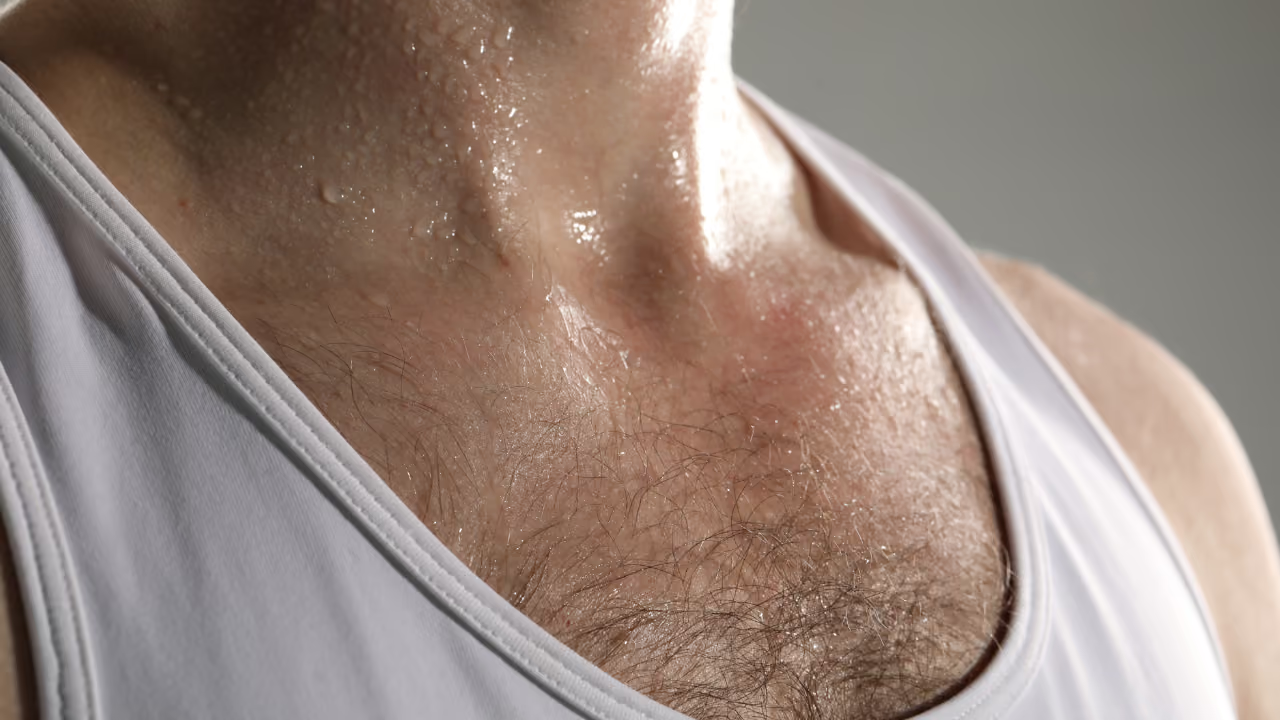
What is excessive sweating?
Excessive sweating, medically known as hyperhidrosis, is a condition in which the sweat glands produce more sweat than the body needs for temperature regulation. Sweating occurs without a trigger, regardless of the ambient temperature or physical activity.
In primary hyperhidrosis (focal hyperhidrosis), excessive sweating occurs in defined areas such as the armpits, hands, feet or head. There is no underlying disease. In 30 to 50 per cent of patients, there is a hereditary component.
In secondary hyperhidrosis, the entire body sweats excessively as a result of an underlying condition or certain treatments. Common causes include an overactive thyroid, diabetes, the menopause and certain antidepressants. Sudden excessive sweating combined with fatigue, weight loss or fever requires prompt medical attention.
Do you suffer from Overmatig zweten?
Personalized advice for your skin, completely online. Upload a few photos through the Skindr app and receive medical advice from a licensed dermatologist within 48 hours. No waiting room or referral required.
How does excessive sweating develop?
Primary hyperhidrosis: sweat glands react excessively to nerve stimuli, presumably due to heightened gland sensitivity or overactive nerve pathways. Stress and emotions amplify the response. Usually begins during puberty.
Secondary hyperhidrosis: a side effect of another condition (hypothyroidism, diabetes, menopause, infections) or certain treatments you are taking (antidepressants, painkillers). Blood tests are recommended if an underlying cause is suspected.
Night sweats as a separate issue: alongside the menopause, tuberculosis and lymph node problems are causes that a doctor should rule out when night sweats occur without a clear explanation.
Symptoms and characteristics of excessive sweating
In axillary hyperhidrosis (armpits): large sweat patches on clothing. In palmar hyperhidrosis (hands): constantly damp or dripping, making everyday tasks difficult. In plantar hyperhidrosis (feet): damp shoes and an increased risk of skin irritation and fungal infections. In craniofacial hyperhidrosis (head/neck): sweating when eating hot food or experiencing mild emotions. Excessive sweating of the skin can also contribute to skin problems in children when the condition begins at an early age.
The psychosocial impact is significant: shame, anxiety, social isolation. This is a recognised aspect of the condition, not a personal failing.
Assessment: clinical, based on the pattern of symptoms. Iodine starch test (Minor’s test) if the location is unclear. Blood tests if a secondary cause is suspected. According to DermNet NZ, hyperhidrosis is one of the most underestimated skin conditions worldwide.
Unsure whether your excessive sweating has an underlying cause? A certified Skindr dermatologist can help you within 48 hours.
Where does excessive sweating occur?
In primary hyperhidrosis, always in defined areas: armpits (axillary), hands (palmar), feet (plantar), head and neck (craniofacial), back/torso. In secondary hyperhidrosis: generalised across the entire body. This distinction is an important clue for the doctor.
Do you suffer from Overmatig zweten?
Personalized advice for your skin, completely online. Upload a few photos through the Skindr app and receive medical advice from a licensed dermatologist within 48 hours. No waiting room or referral required.
Treatment of excessive sweating
Step by step: self-care (strong antiperspirant on dry skin in the evening) → aluminium chloride (higher concentration, available only through a doctor or pharmacist, on dry skin in the evening) → iontophoresis (electrical current through water for hands/feet) → injections that temporarily block the sweat glands (4–12 months’ effect, by a dermatologist) → tablets that reduce sweating (side effects possible) → MiraDry heat treatment → surgery (sympathectomy as a last resort). Patients with rosacea or acne may also experience hot flushes or skin irritation alongside sweating, requiring a combined approach.
Please note: Skindr assesses the situation and provides advice. Treatments such as iontophoresis, injections or surgery are carried out at a specialised doctor or clinic. More information about treatment options can be found on Thuisarts.nl.
When to consult a dermatologist: if excessive sweating significantly affects daily life, sudden onset without a clear cause, night sweats with other symptoms, or insufficient results with standard antiperspirant.
Via Skindr, you receive advice from a certified dermatologist within 48 hours on the best treatment for your situation.
What doesn’t work for excessive sweating?
Regular deodorant: masks odour but has no effect on sweat secretion. Showering too frequently damages the skin barrier. Tight synthetic clothing makes sweating worse. Waiting it out: primary hyperhidrosis rarely disappears without treatment. Self-treatment with anticholinergics is dangerous (side effects include dry mouth, blurred vision, heart arrhythmia). Skin irritation from excessive sweating can also lead to hives or similar skin reactions.
Frequently asked questions about excessive sweating
Why do I sweat so much and feel tired all the time?
This may indicate a thyroid problem or diabetes. Consult a dermatologist or doctor for blood tests. According to huidziekten.nl, thyroid and hormonal problems are the most common underlying causes.
What causes excessive sweating from the head and neck?
Craniofacial hyperhidrosis: sweat glands react excessively to heat, spicy food or emotions. Can be primary or a side effect of certain treatments.
Is excessive sweating hereditary?
In primary hyperhidrosis, a family component is present in 30–50% of patients.
Is excessive sweating dangerous?
Primary hyperhidrosis is not dangerous in itself but has a significant impact on quality of life. Secondary hyperhidrosis may indicate an underlying condition.
Can excessive sweating go away on its own?
Primary hyperhidrosis rarely disappears completely without treatment. Secondary hyperhidrosis improves if the underlying cause is treated.
Do injections help with excessive sweating?
Yes, injections that temporarily block the sweat glands are proven effective for axillary hyperhidrosis. The effect lasts 4–12 months.
When should I see a dermatologist?
If excessive sweating affects daily life, standard antiperspirant doesn’t help, or there is a sudden onset with other symptoms. Via Skindr, get advice within 48 hours. Hair loss and excessive sweating can both indicate a hormonal imbalance that deserves a combined assessment.
Resources
1. Skindr dermatologists — skindr.com
2. UZ Antwerp (UZA) — uza.be
3. Thuisarts.nl (NHG) — thuisarts.nl
4. Gezondheid en Wetenschap (EBPNet) — gezondheidenwetenschap.be
5. DermNet NZ — dermnetnz.org


](https://static.legitscript.com/seals/624359.png)