.webp)




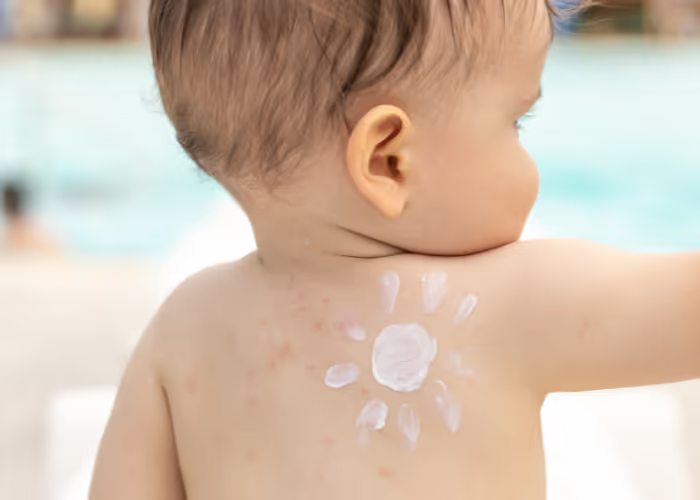
The delicate baby skin needs some extra attention. Not least attention to the ingredients in the products you use to care for their skin. So why are these ingredient lists always so difficult to read?
Which products are not so nice for your child and which alternatives do our dermatologists? Nice bonus: not only your child, but also you can benefit from this;)
Which ingredients are better to avoid for your child's skin?
Perfumes
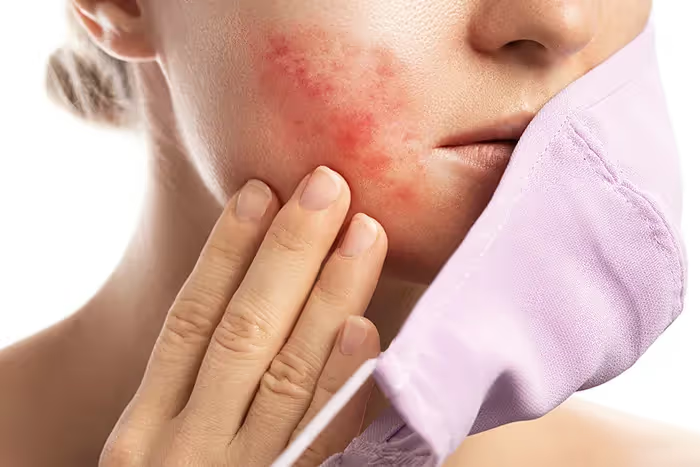
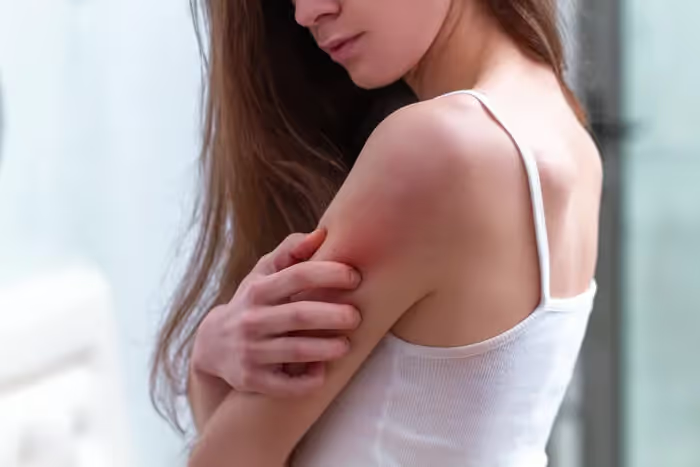
It's nice when your child smells great, but perfumes are in most cases very aggressive to the skin. They are the number 1 cause of allergies and therefore definitely not the favorite of the dermatologist. How is that? In many cases, perfumes contain chemicals that can irritate the skin. Irritations that can lead to allergies to certain substances and contact eczema, which is difficult for your child to get rid of.
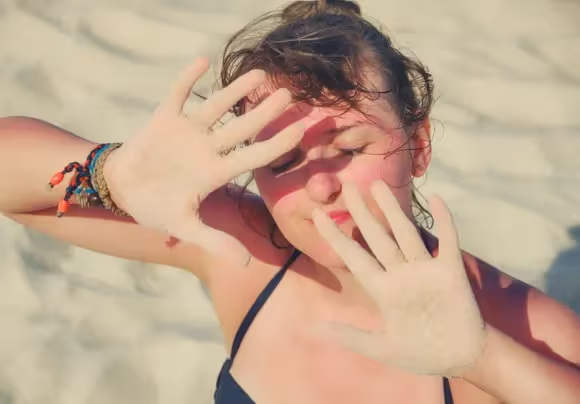
In addition, perfumes are also photosensitive. This is dermatological for: they make the skin much more sensitive to light and therefore to the sun. They therefore ensure that the skin absorbs UV rays faster and easier, which causes many skin disorders today.
You can therefore protect your child from this from an early age simply by choosing products without chemical perfumes.
Sulphates (SLS, SLES)
Sulphates ensure that products foam beautifully. As a result, they clean well, but just too well. They strip the skin and hair of essential fats and oils that are specific to your child's body. You don't want that because it's precisely those fats and oils that best care for the skin.
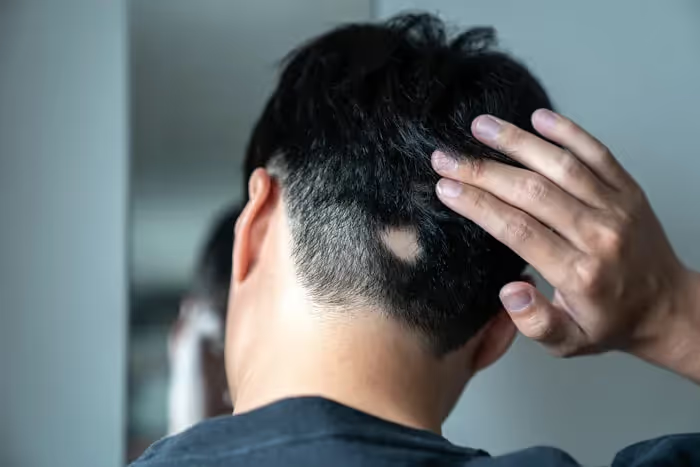
If they fall away, a protective layer falls away. This leads to skin irritations, rashes, hair loss, flakes or allergic reactions. So we prefer to stay far away from it. All the more for small children, as their skin is still developing and we don't want to damage it from the start.
Parabens
Preservatives are extremely important for keeping products good. They stop bacteria and mold from forming that can cause skin irritation, which is why they are also found in almost all products.
Nevertheless, the safety of parabens is under attack. According to some studies, they are said to promote allergies and disrupt the hormonal balance. However, this has not been proven.
So although parabens are an excellent preservative, when caring for your child, it is best to choose those products that add a minimal amount of parabens. Unfortunately, you cannot see this on the packaging, but you can always ask the manufacturer.
Mineral oils (petroleum, parafine)
Mineral oils do the opposite of previous ingredients: instead of taking something away from the skin, it just coats it. That layer of oil ends up in open pores, which cannot process and clog the oil. This increases the risk of inflammation, but also reduces the moisture circulation in the skin. Paradoxically, mineral oils can therefore further dry out the skin.
Which products do we recommend as dermatologist or ready to use?
- Cottonseed is a great ingredient for children with dry skin. This is because it helps to retain moisture in the skin.
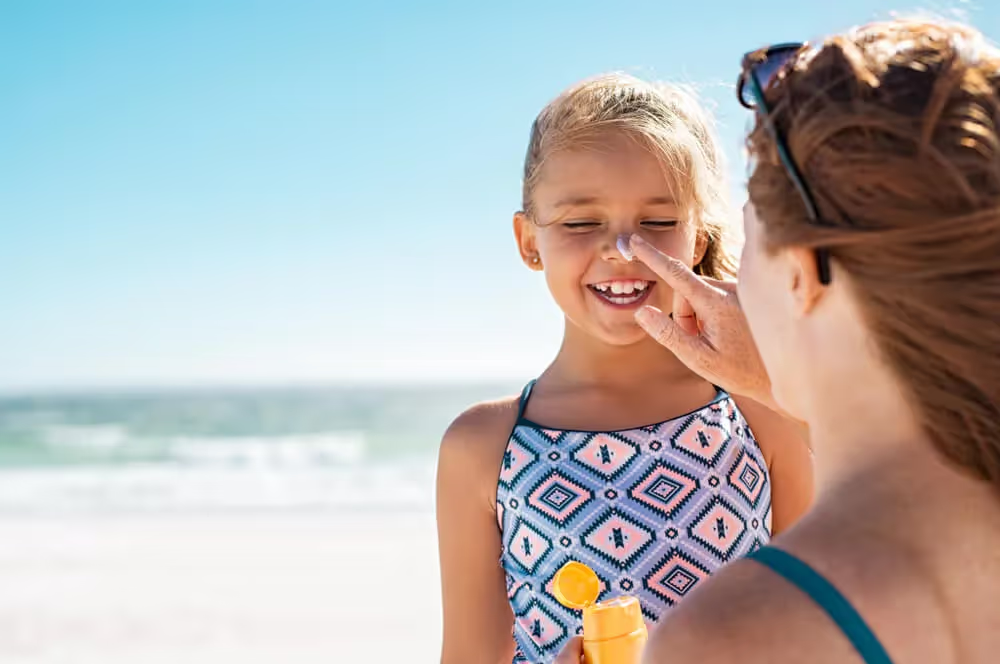
- Zinc oxide is, in turn, a good ingredient for oily skin or skin irritation. It has a healing and protective effect. You should also opt for zinc oxide-based sunscreen with a natural UV filter. This reflects the sun and reduces the risk of skin irritation.
- Chamomile in the products for your children will provide a calming effect. If there is itching or irritation, it can calm the skin.
- Avocado oil whether nut oil (almond, macadamia...) nourish the skin. So good, in fact, that it matches the skin oils that your child produces himself.
- Coconut cleans the skin without stripping it of its own fats and oils. So it's a good alternative to SLS.
- Fruit oil such as apricots or argan fruits contain a lot of vitamins and make the skin look healthy from the inside out.

%20(1).avif)
.avif)


%20(1).avif)
.avif)
.avif)

.avif)


-min.avif)
-min.avif)
-min.avif)
.avif)


.webp)























.avif)


](https://static.legitscript.com/seals/624359.png)