.webp)




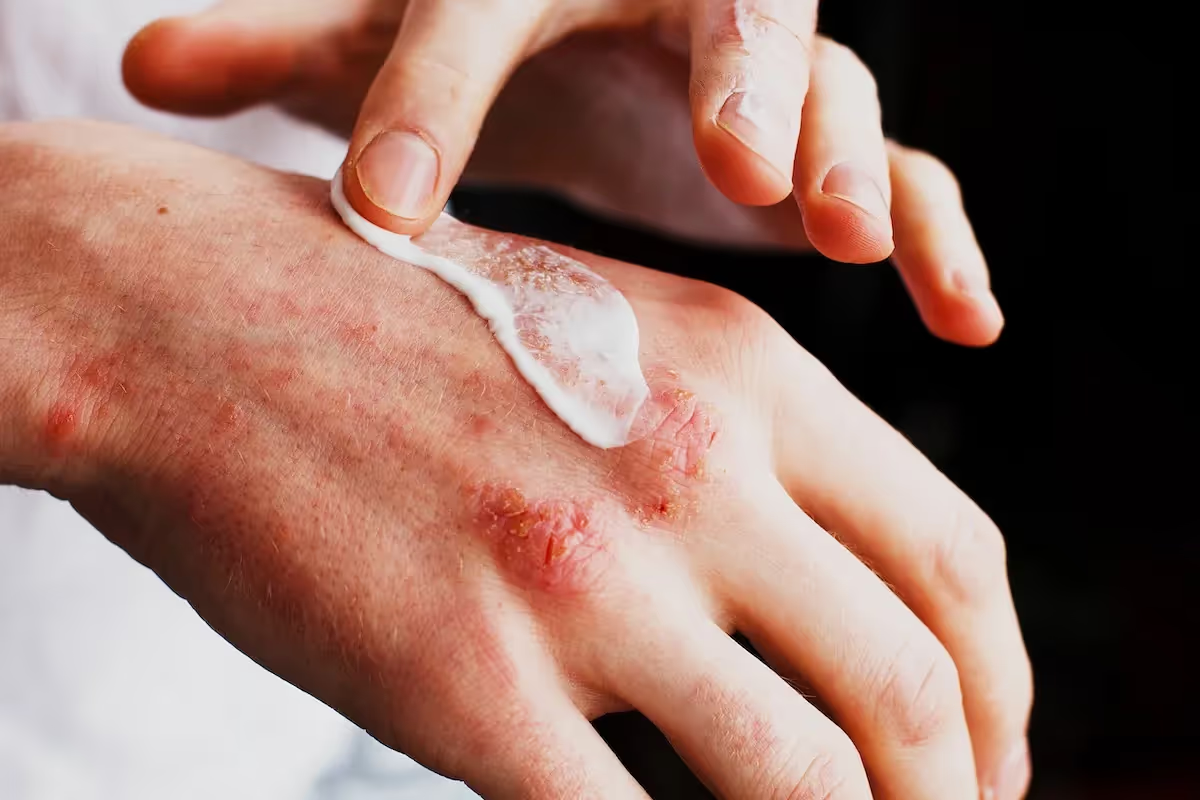
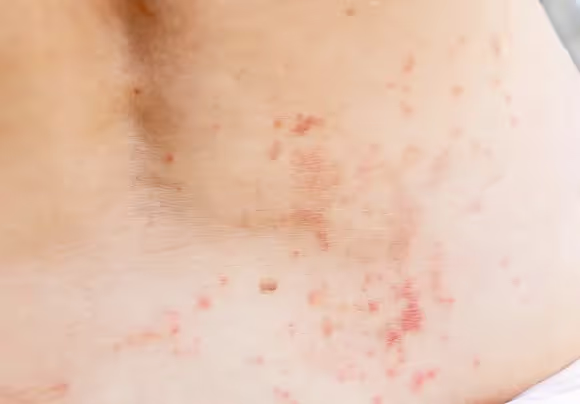
Eczema affects millions of people and appears as red, itchy, and inflamed skin, which can have a significant impact on your daily life. Fortunately, there are many medical treatments and therapies available that can help you control symptoms and improve your quality of life.
What is eczema and why is a personal approach important?
Eczema is a chronic skin condition that can range from mild to severe. Because no two cases of eczema are the same, a customized treatment plan is crucial. Working with a dermatologist ensures that you get the right treatments that suit your specific skin type and symptoms.
Eczema Treatment Options
From topical creams to advanced therapies such as biologicals, each has its unique benefits.
1. Local treatments
For mild to moderate eczema, topical treatments are often the first choice. These include:
- Cortisones: These anti-inflammatory creams quickly reduce redness and itching. Cortisone creams are safe when the right cream, in the right place, is used for the right time. This is because they come in different variants, where guidance from your doctor is very important.
- Calcineurin inhibitors: These suppress the immune response in the skin. without the classic drawbacks of cortisone creams. They have been specially developed for people with chronic (recurrent) eczema who require long-term treatment.
- Moisturizing ointments and creams: They help restore the skin barrier and prevent further dehydration. Sometimes on prescription, but sometimes also freely available.
Hint: Be sure to discuss any changes with your dermatologist.
2. Innovative light therapy
Light therapy, also known as phototherapy, is an effective option for moderate to severe eczema. This treatment uses controlled UVB radiation to reduce inflammation and soothe the skin.
- How does it work? You will visit a dermatology center about three times a week for sessions of a few minutes. After 10-15 sessions, you will see improvement and the total duration is usually a maximum of 30 sessions.
Light therapy is always performed under medical supervision to minimize possible side effects.
3. Tablet medication
Severe eczema outbreaks may require tablet medication. Regular medical check-ups, including blood tests, are necessary to ensure the safety of these treatments.
4. The latest breakthrough, biologicals
Biologicals are advanced medicines that block inflammatory proteins or immune cells. These treatments are highly effective for people for whom other therapies don't work.
This has the advantage that you can quickly relieve symptoms and that you have fewer side effects than with traditional medication. Unfortunately, it comes at a high cost and therefore strict repayment conditions.
The importance of dermatological guidance
When it comes to eczema treatments, it's crucial to have regular contact with your dermatologist. An expert can guide you in adjusting your treatment and monitoring your progress. This prevents complications and ensures that you get the best results.
Tips for an eczema-friendly lifestyle
In addition to medical treatments, you can contribute to healthier skin yourself by:
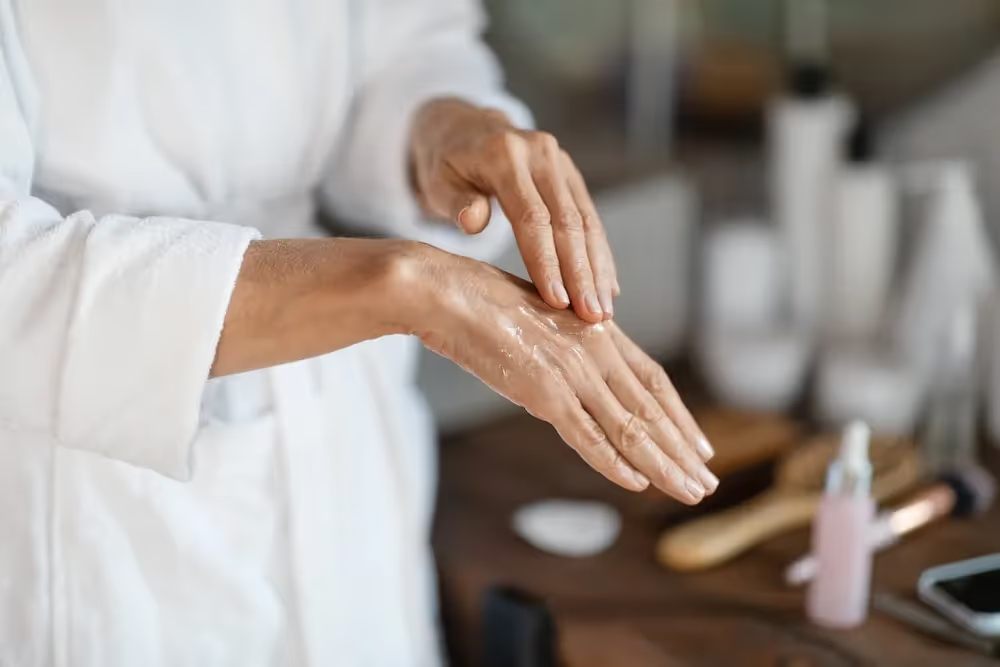
- Hydration: Use a moisturizer daily to strengthen your skin barrier.
- Avoiding triggers: Identify and avoid irritants such as certain soaps, perfumes, and foods.
- Stress Management: Stress can make eczema worse, so relaxation techniques like yoga or meditation can help.
The reality of eczema treatment
While there are many effective treatments, it's important to remember that eczema is not completely curable. This can be frustrating, but the goal of good treatment is to best control symptoms and minimize flare-ups. Even with the right therapy, eczema can come back occasionally — that doesn't mean the treatment isn't working, but it does mean that it's a chronic condition that needs to be managed properly. Through a personalized approach and regular follow-up with your dermatologist, you can keep your skin as healthy as possible and significantly reduce the impact on your daily life.


%20(1).avif)
.avif)


%20(1).avif)
.avif)
.avif)

.avif)


-min.avif)
-min.avif)
-min.avif)

.avif)


.webp)































.avif)


](https://static.legitscript.com/seals/624359.png)