.webp)



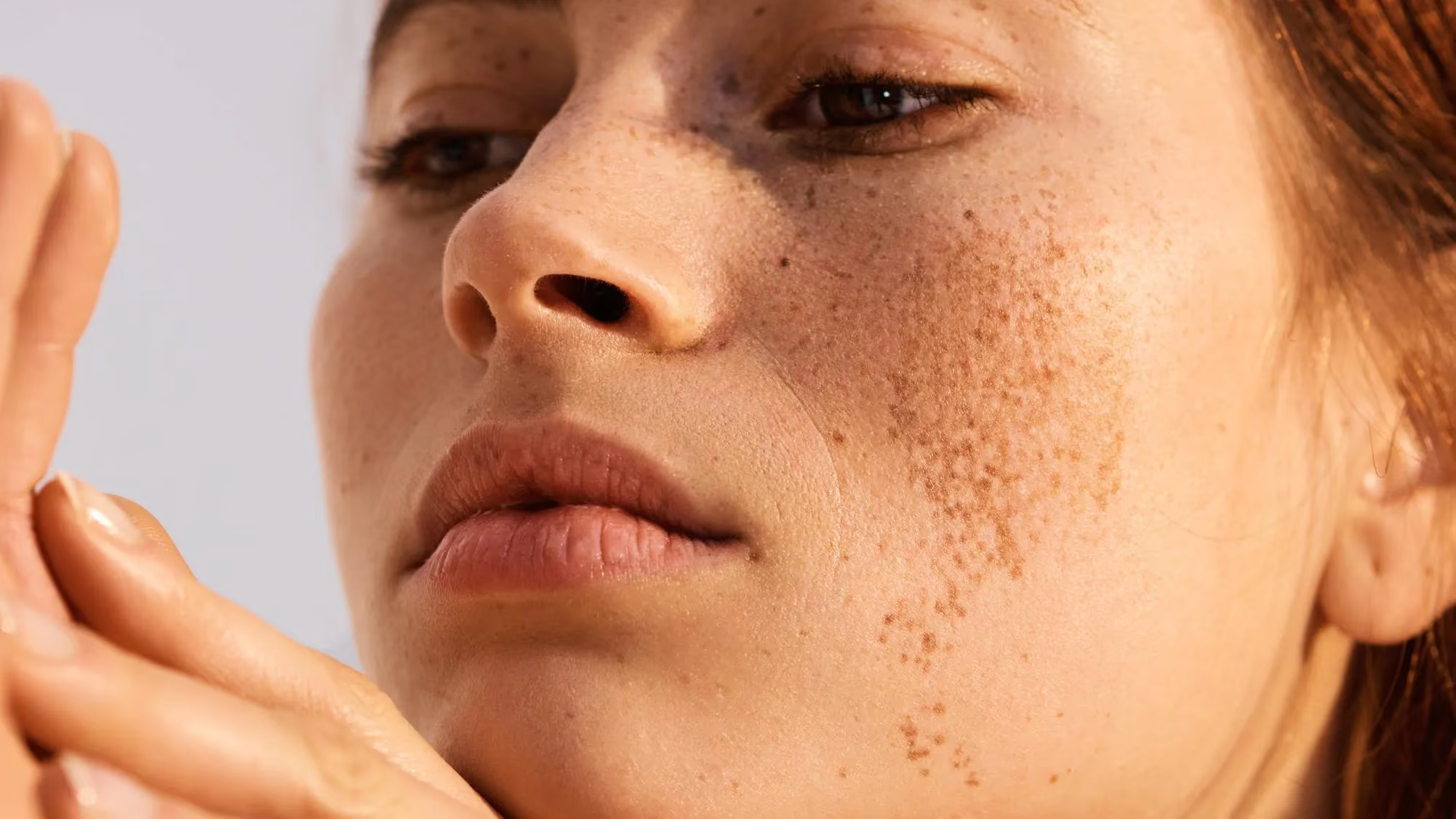
Hyperpigmentation is a skin condition that affects people of all ages and skin types. It occurs when the body produces too much melanin, the pigment responsible for skin color. While hyperpigmentation can be frustrating, understanding the causes and related skin conditions is important to treat it effectively. So let's take a closer look.
Hyperpigmentation: What are the symptoms?
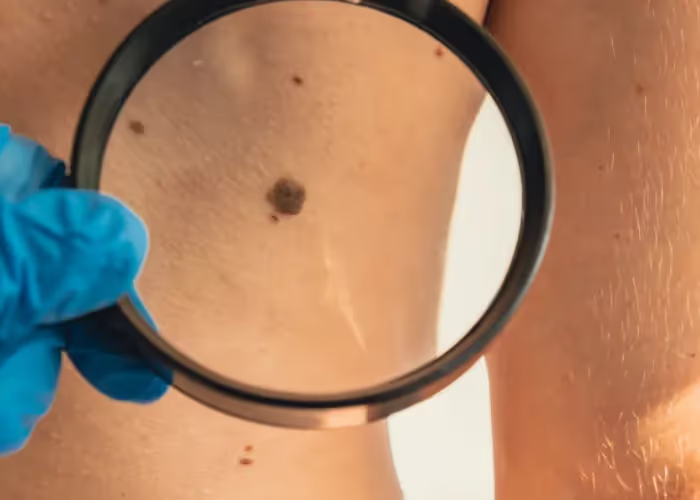
You can recognize hyper- or hypopigmentation yourself fairly quickly and easily. It is either a dark discoloration of the skin due to excess pigment (= hyper), or a slight discoloration due to a lack of pigment (hypo).
But what exactly is pigment? Pigment is a dye that is produced by special cells in the skin. In the medical world, these are called melanocytes, but simply put, they are pigment cells.
How do pigment spots occur? Hormones and UV rays signal these cells to produce more pigment. That pigment is then transferred to the surrounding skin cells. Thereafter, the pigmentation becomes visible on the skin.
You may experience pigmentation on your face (you often see brown spots on the face) or other parts of your body. Dark spots on the skin (sun spots) can be treated well by a dermatologist, they can even be removed.
What are the causes of hyperpigmentation?
Sun Exposure
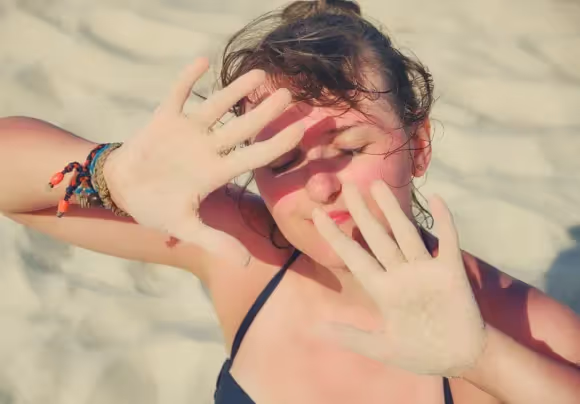
The most common cause of hyperpigmentation is exposure to the sun, because UV rays stimulate the production of melanin, the substance that is produced in pigment cells.
People with light skin, who burn quickly, and those who don't use sunscreen regularly have a higher risk of hyperpigmentation from sun exposure.
Hormonal changes
Hormonal changes, such as those during pregnancy, menopause, or when taking certain birth control pills, can cause hyperpigmentation. The hormonal fluctuations can lead to an increase in melanin production, which leads to dark patches on the skin.
Did you know that
Hyperpigmentation is very common during pregnancy and is also known as a pregnancy mask. In this blog you can read which products you can safely use to treat discoloration.
Inflammation and skin trauma
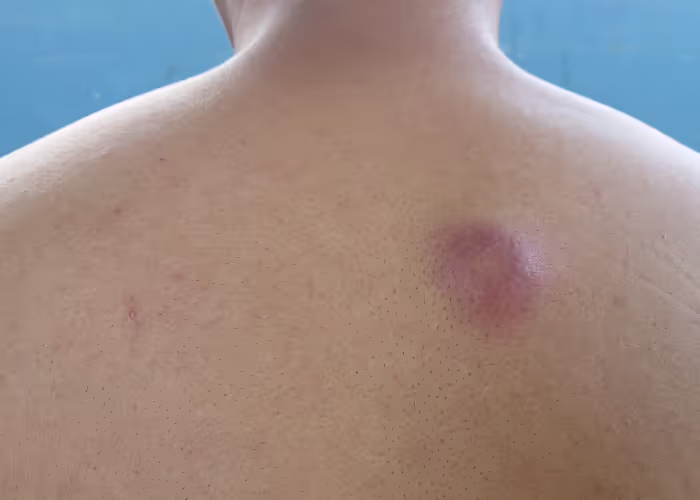
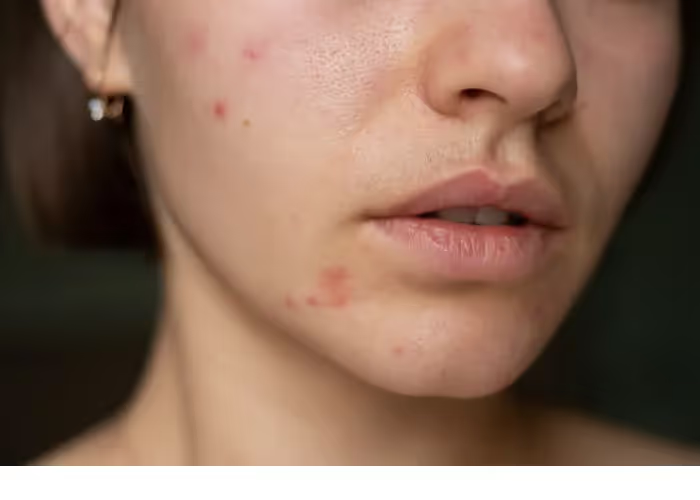
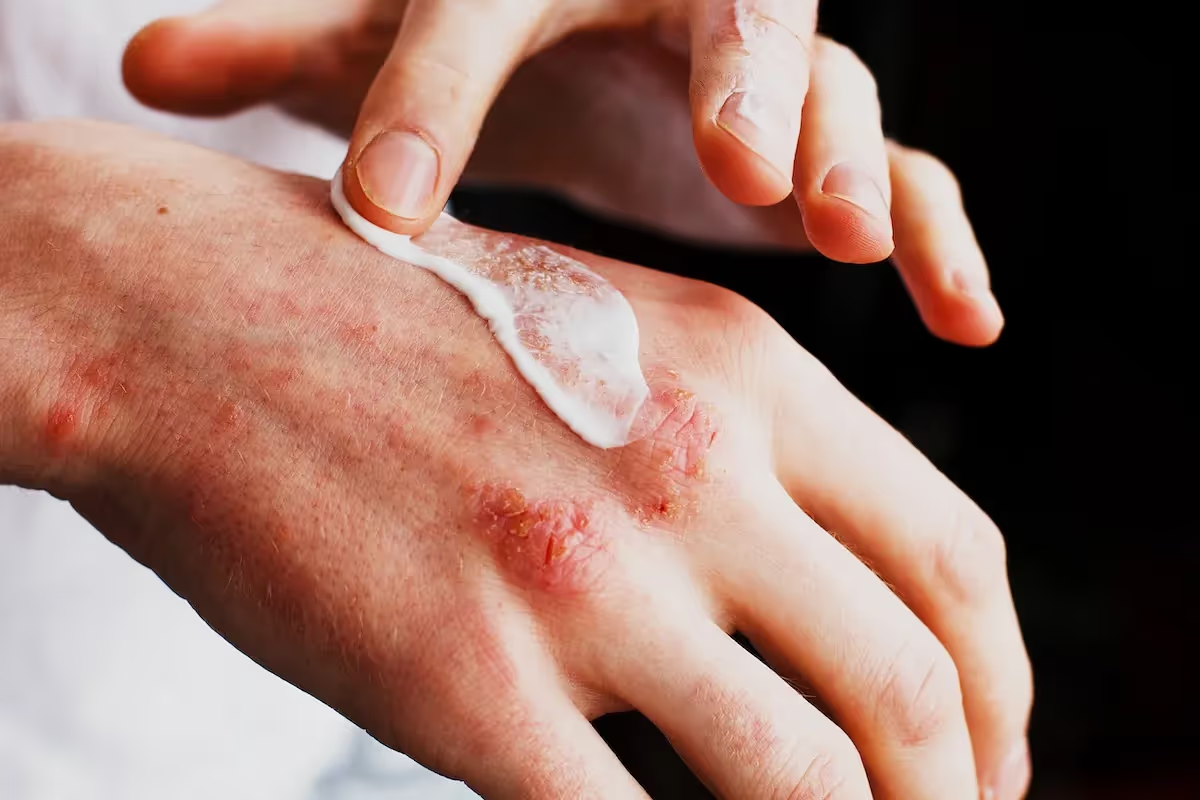
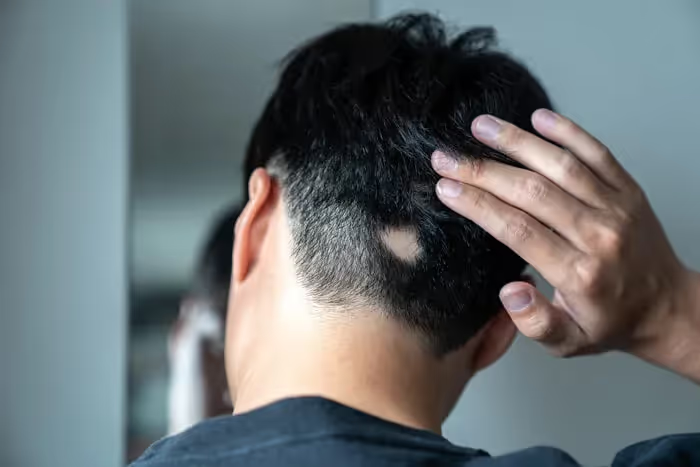
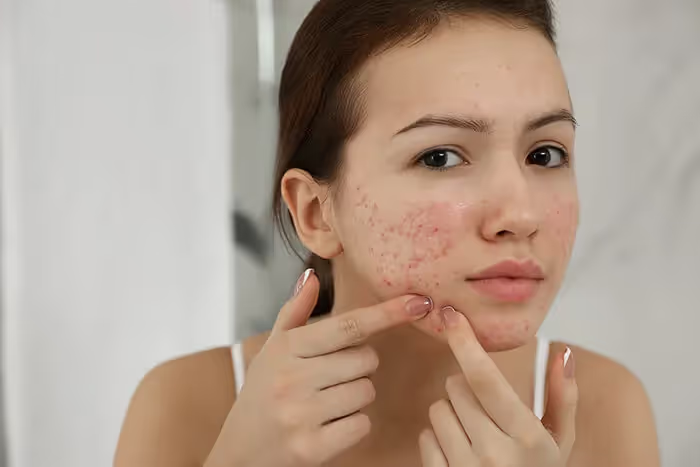
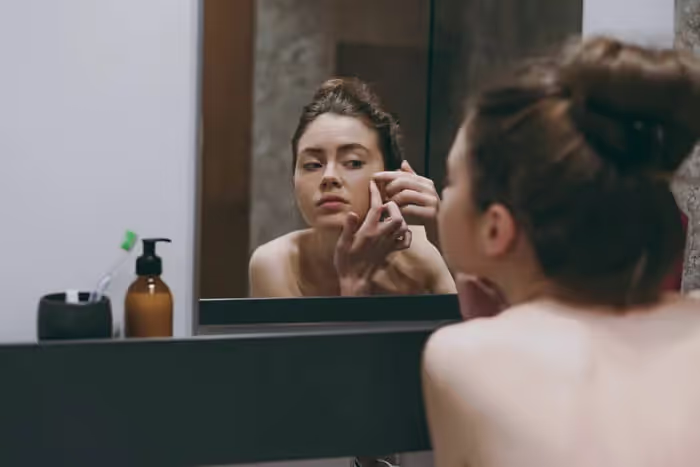
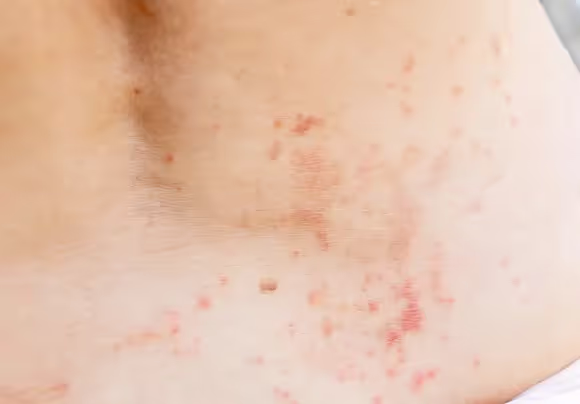
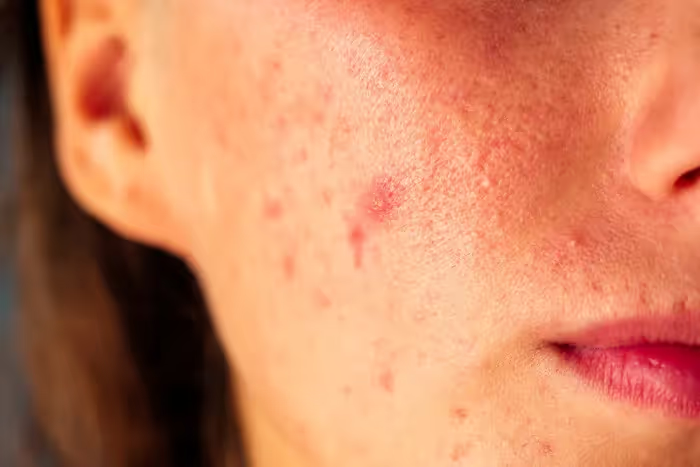
Inflammation and trauma to the skin can also cause hyperpigmentation. Skin conditions such as acne, eczema, and psoriasis are associated with an inflammatory reaction in the skin, which can trigger the overproduction of melanin. We are then talking about post-inflammatory hyperpigmentation (=PIH).
This can also occur with cuts, burns or insect bites.
Melasma
Melasma is a skin condition in itself that causes dark pigmentation on the skin. The specific cause of this is unknown and may appear out of nowhere, but it is often linked to hormonal changes (pregnancy, contraception...).
Skin aging
With age, the skin's ability to recover decreases and melanin production becomes less efficient. This can lead to an uneven distribution of pigment, causing dark spots on the skin. Exposure to environmental factors such as UV radiation and pollution can also damage skin cells and lead to the formation of age spots or sun spots, a type of hyperpigmentation that is often associated with aging.
Medications
Certain medications may increase sun sensitivity and cause hyperpigmentation as a side effect. This includes some antibiotics, anti-inflammatory drugs (for example in the treatment of acne) and chemotherapeutic agents. If you are taking medication and experiencing hyperpigmentation, you may dermatologist advise you on the best way to treat this side effect.
What can help?
While hyperpigmentation can be frustrating, there are several treatment options available. Some of which you can even use to prevent pigmentation!
01 Sun Cream
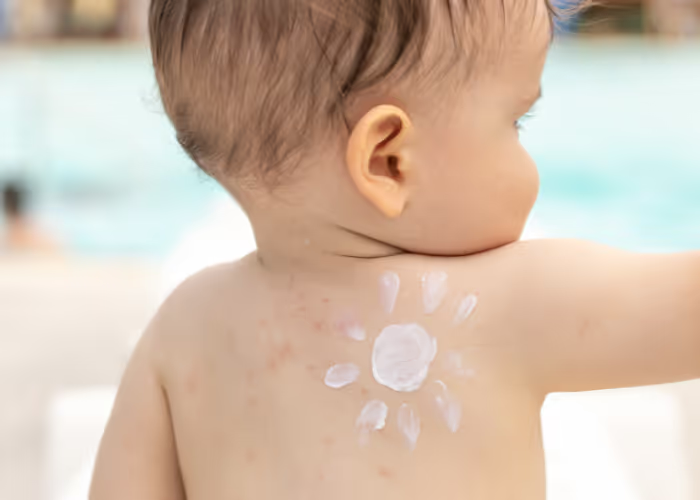
We can do it as dermatologists don't stress enough: protecting your skin from the sun saves you a lot of skin problems. Think preventively: the fewer UV rays can penetrate the skin, the less excess pigment will be produced.
02 Acne Treatment
If you have the wounds of skin infections and traumas treated early by an expert, you can limit the discoloration. A dermatologist can advise you on how to treat these conditions effectively to prevent further hyperpigmentation.
03 Topical creams and serums
There are many products that can help lighten the skin and reduce the appearance of hyperpigmentation, such as creams that help reduce dark pigmentation (not all suitable during pregnancy), niacinamide or vitamin C.
04 Chemical peels
In the case of peeling, the dermatologist an acid on your skin that causes your skin to flake off in the days after the treatment. As a result, pigment spots fade away.
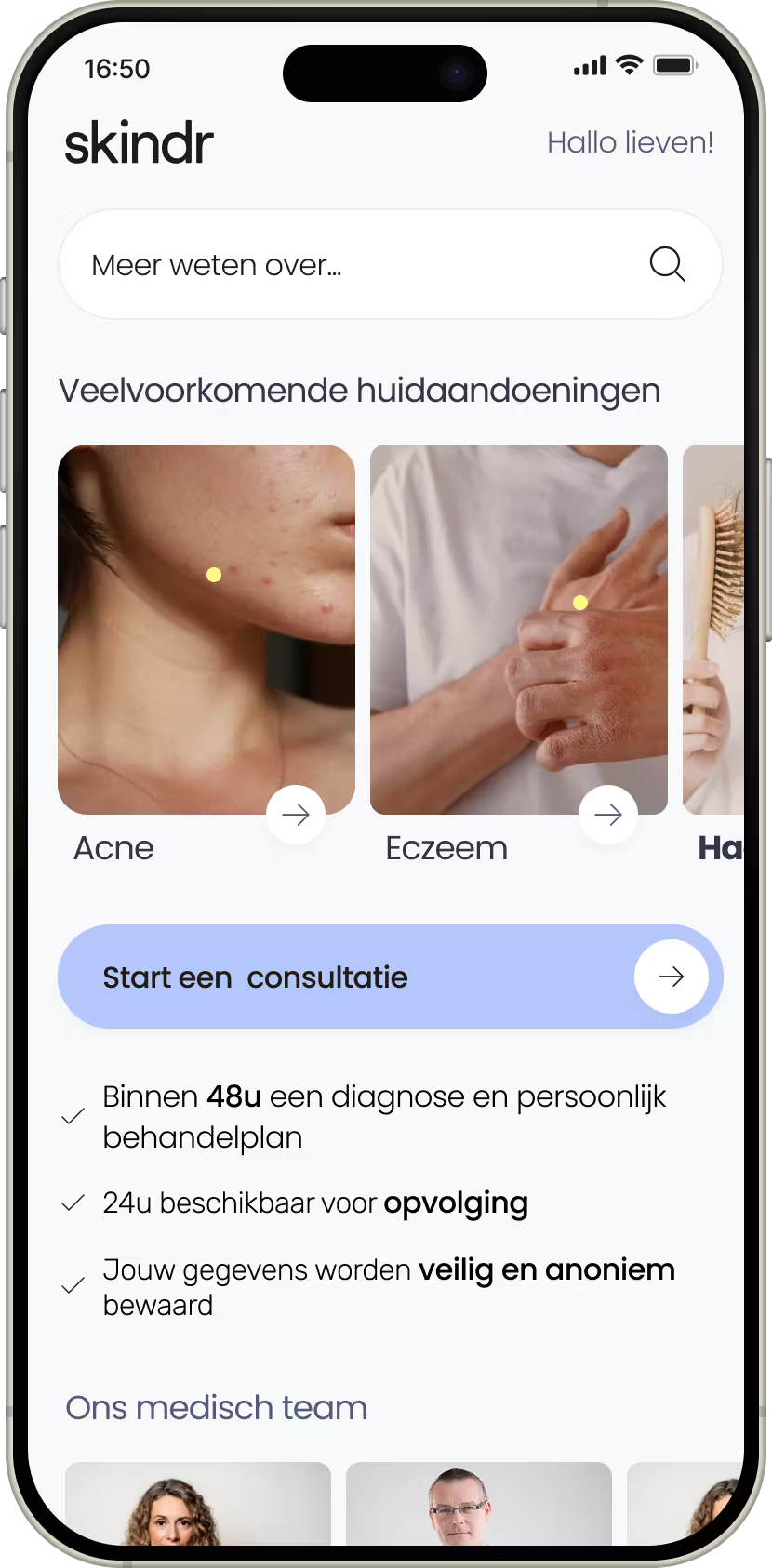
It's important to remember that hyperpigmentation is a common and treatable condition. You dermatologist can help you understand how it relates to other skin conditions and how to deal with it to feel more confident. Want quick advice? Start your consultation with an experienced dermatologist in the Skindr app.



%20(1).avif)
.avif)


%20(1).avif)
.avif)
.avif)

.avif)


-min.avif)
-min.avif)
-min.avif)

.avif)


.webp)




























.avif)


](https://static.legitscript.com/seals/624359.png)