.webp)




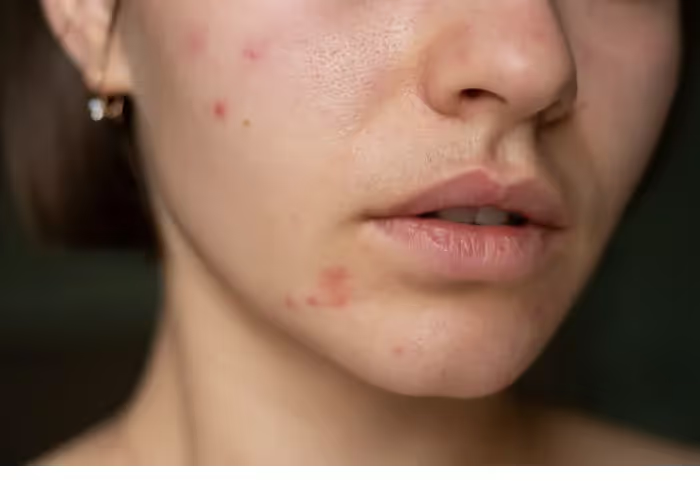
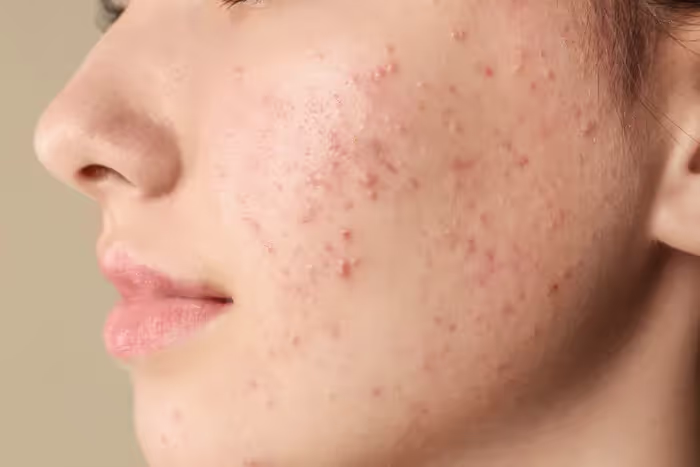
Many women use the pill not only as contraception, but also to acne to be kept under control. This is because the hormones in the pill can help reduce acne outbreaks.
But what if you'd rather stop taking the pill? Should you just make peace with the pimples or can you take other action? What about acne after stopping taking the pill? Let's see.
How does the pill stop pimples?
The pill regulates the hormones in the body, as it were, about the levels of estrogen and progesterone. And these hormones play a very important role in maintaining healthy skin: if the two hormones are nicely balanced, this leaves little room for androgen hormones (e.g. testosterone), which in turn ensures that there is no extra stimulus for the sebaceous glands and that they just do their job quietly. As a result, the skin can process all sebum cleanly and your pores remain free.
By the way, not all oral contraception ensures flawless skin and less acne, depending on the pill. In our article about acne and contraception, you can read more about it.
What happens to your skin when you stop taking the pill?
When you stop taking the pill, your body undergoes hormonal changes. The continuous supply of hormones stops and your body begins to restore its natural hormone production. This can lead to fluctuations and imbalance in hormone levels.
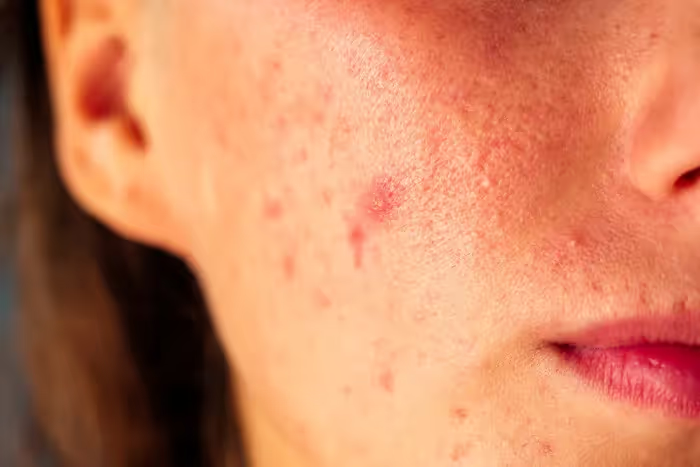
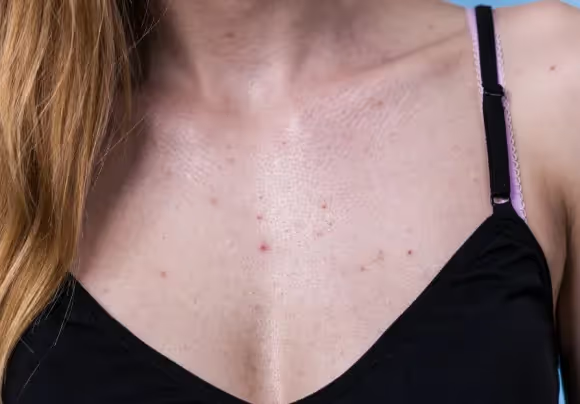
These fluctuations create space for androgen hormones to sneak in and increase sebum production. The more sebum, the harder it is for the skin to absorb it, the more likely it is to clog and inflame the pores, which in turn causes hormonal acne, one of many types of acne.
Timing of acne flare-ups
Unfortunately, when you will get flare-ups and when they will disappear again is unpredictable. Not all women who stop taking the pill experience acne flare-ups, and those who do, some often find that it only occurs after a few weeks or months. This is because the body needs time to adapt to changes in hormone levels.
What can you do if you have acne after stopping taking the pill?
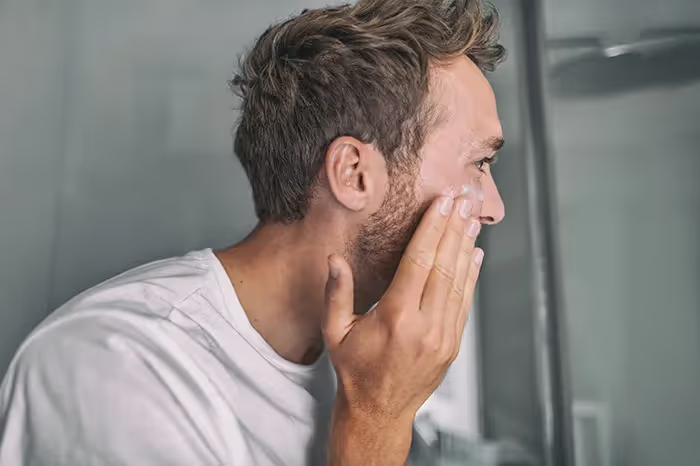
- Keep your skin clean: Wash your face twice a day with a mild cleanser to remove excess sebum and dirt. Avoid harsh scrubs that can irritate the skin and make acne worse.
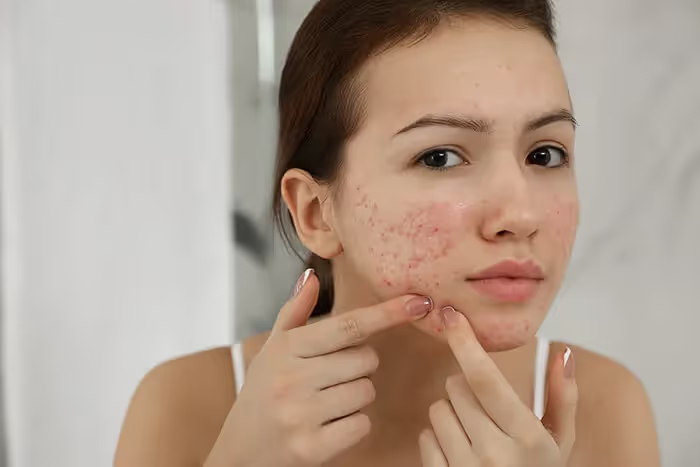
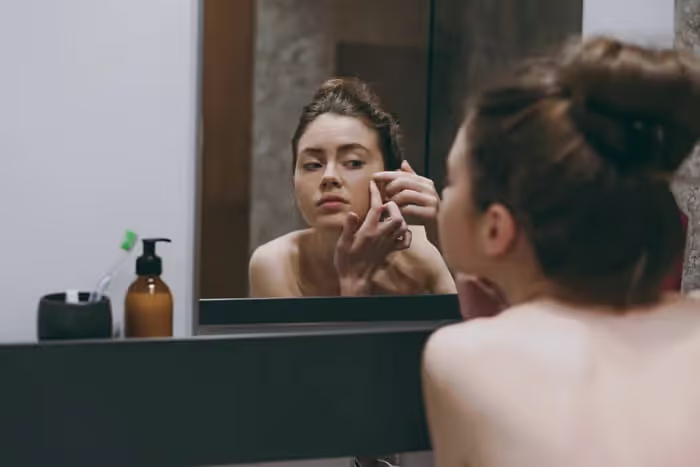
- Avoid squeezing pimples: It may be tempting, but squeezing pimples can make acne worse and acne scars cause. All the more because your hands are breeding grounds for bacteria. Therefore, stay away from irritated skin as much as possible.
- Eat a healthy diet: Acne and Nutrition appear to be related to each other. Foods with a high sugar and/or dairy content would have a negative effect on acne and further provoke it. Try to eat a balanced diet high in antioxidants, vitamin C & A, and omega-3 and omega-6.
- Consult with a dermatologist: If acne persists or is severe, it is advisable to consult a dermatologist.
- Consider a acne treatment: If acne persists for a long time, it is best to start medical treatment. Our team of dermatologists is happy to work with you to find the treatment that will best help you reduce inflammation and prevent clogged pores.
%20(1).avif)
.avif)


%20(1).avif)
.avif)
.avif)

.avif)

-min.avif)
-min.avif)
-min.avif)
.avif)


.webp)






















.avif)


](https://static.legitscript.com/seals/624359.png)