.webp)



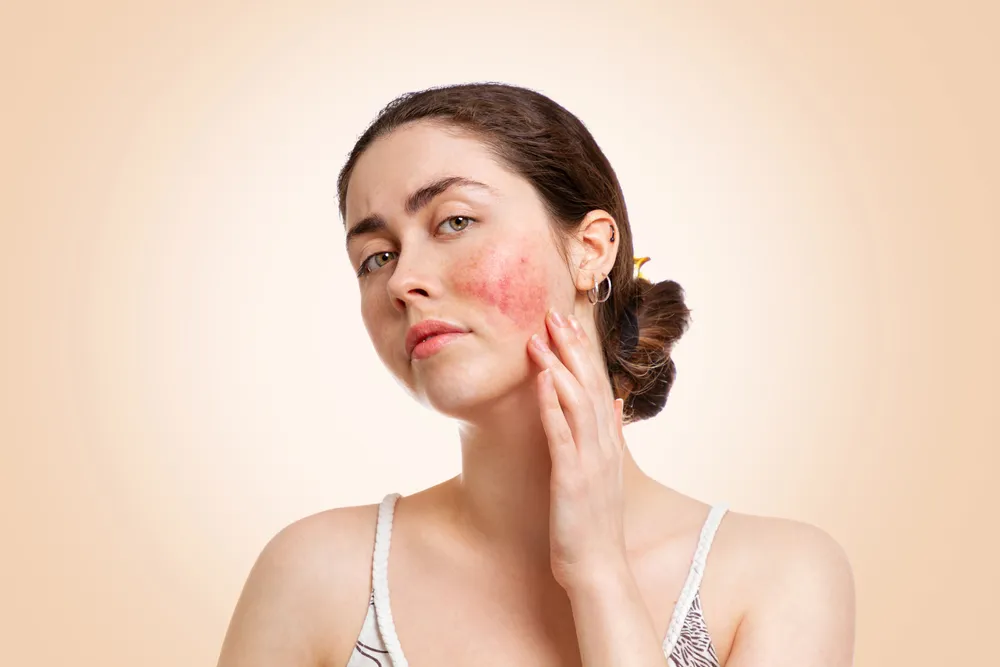
Rosacea misconceptions
Rosacea is not acne vulgaris
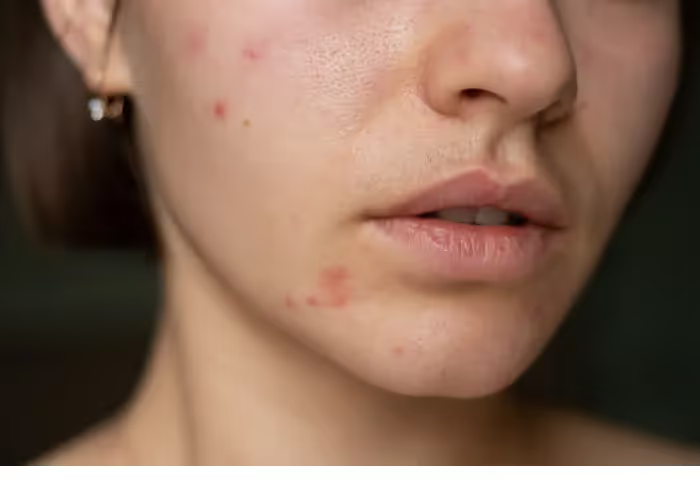
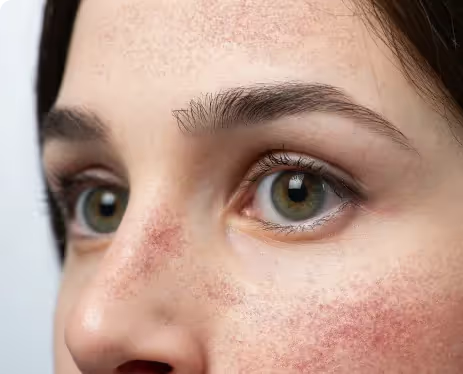
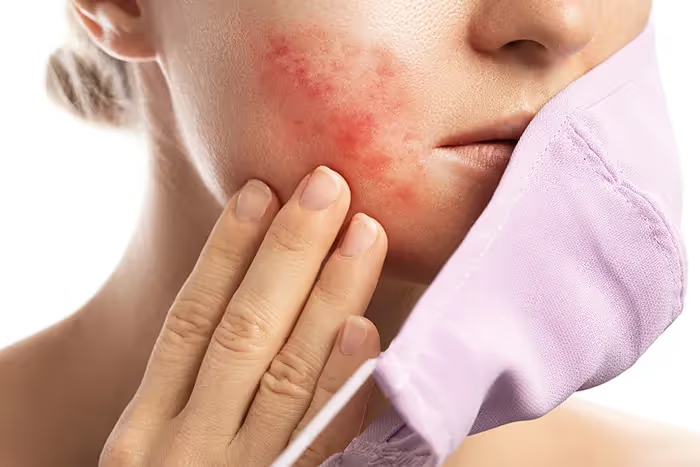
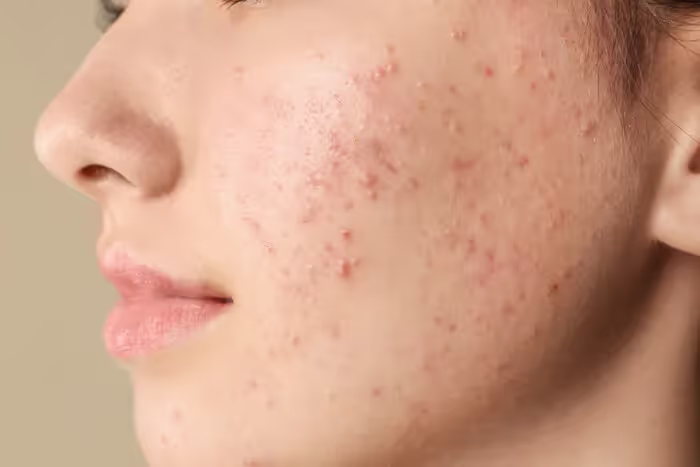
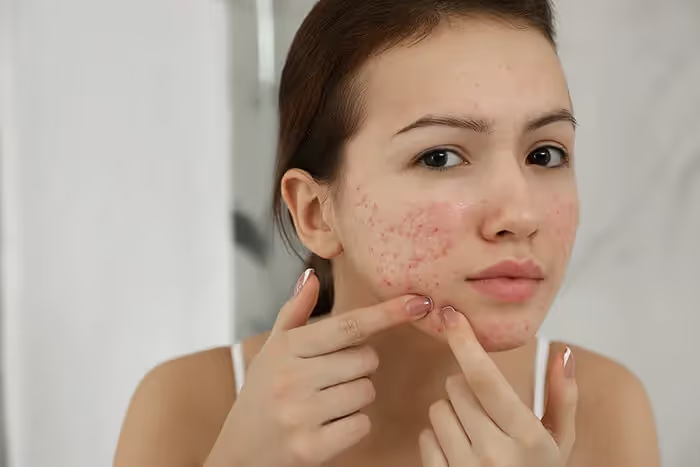
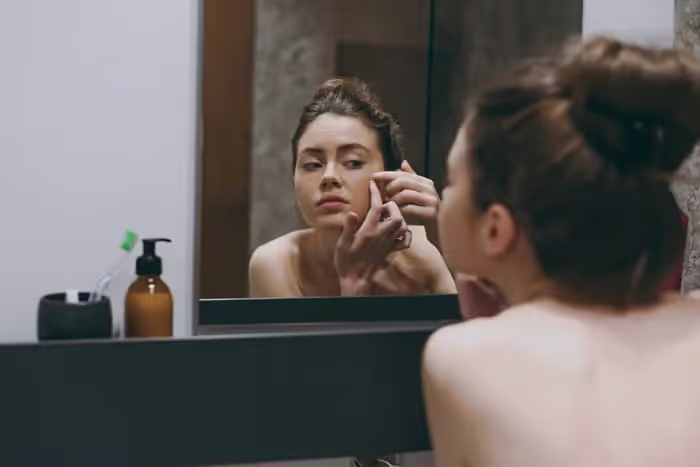
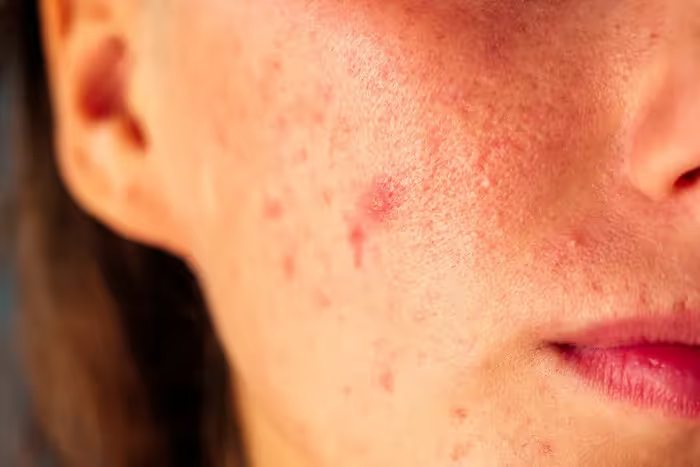
The most common confusion around rosacea is with acne vulgaris. Although both conditions have red bumps and pimples can cause, there are clear differences. In contrast to acne vulgaris, there are no blackheads (comedones) in rosacea. Rosacea also occurs primarily on the center of the face (cheeks, nose, forehead, and chin), while acne can occur all over the face.
Rosacea is not eczema
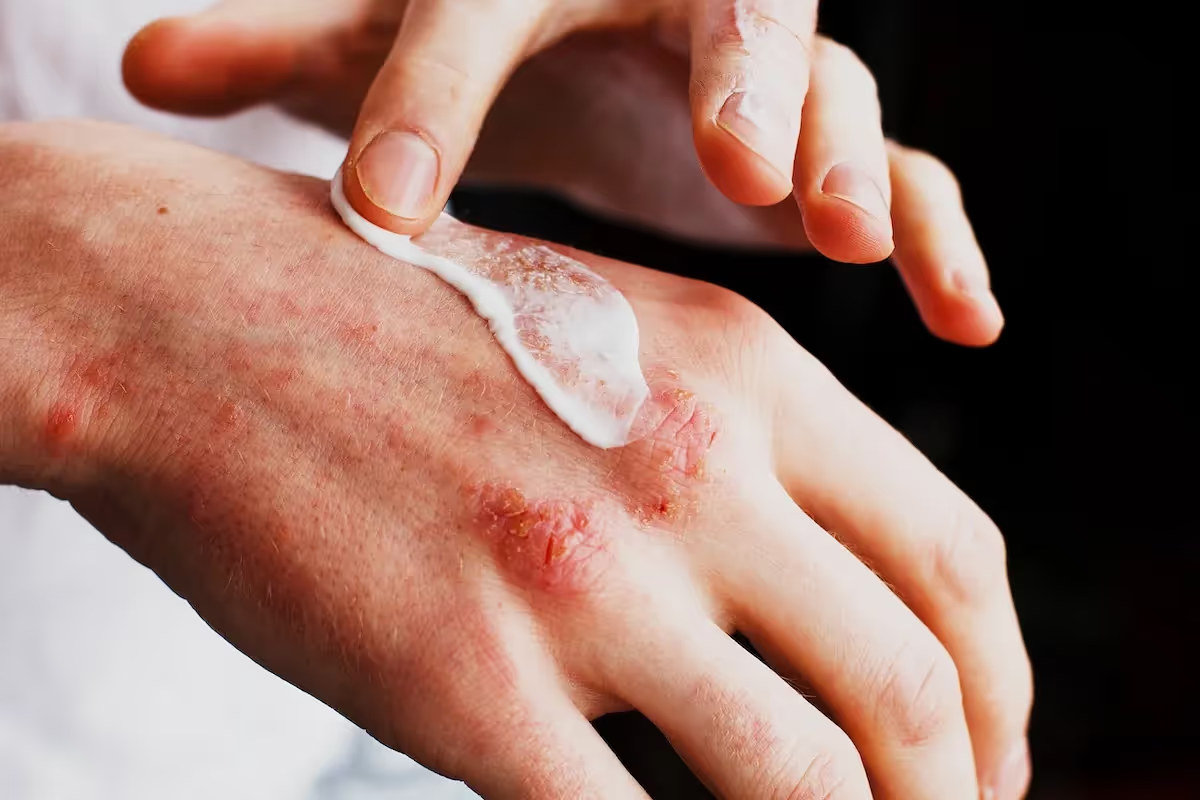
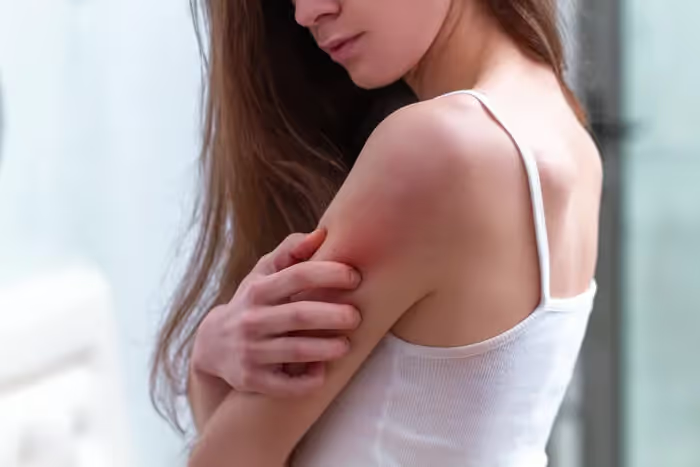
Rosacea is sometimes confused with eczema due to the redness and inflammation that characterize both conditions. Eczema, however, is often accompanied by dry peeling and more pronounced. itching, which is less the case with rosacea.
Rosacea is not couperose
Although couperose and rosacea are often the same skin disease are seen, this is not correct.
Couperose is characterized by enlarged red or blue veins on the cheeks and forehead and may be part of rosacea. However, not all patients with couperose will develop the characteristic bumps and pimples of rosacea.
Rosacea is not lupus
Rosacea may look like systemic lupus erythematosus (SLE), an autoimmune disorder that can also cause redness and rashes on the face. The distinction is that rosacea does not affect other organs, while lupus does.
Rosacea isn't just blushing
Rosacea is often confused with normal flushing. However, while blushing is a normal physiological response, rosacea goes far beyond that and causes persistent redness and other symptoms such as pimples or visible blood vessels.
The importance of a correct diagnosis
These confusions highlight the importance of a correct diagnosis. Rosacea requires specific treatment, and the use of the wrong products, skincare routine or treatments may not worsen symptoms. One dermatologist can make the correct diagnosis and develop an effective treatment plan.
Treatment and Self-Care
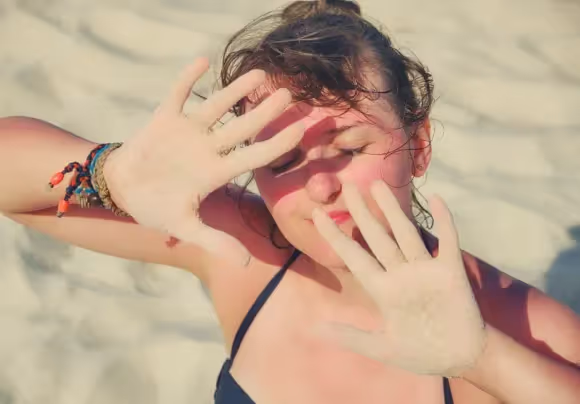
For people with rosacea, knowing and managing their triggers is essential. This can range from foods to stress and climate factors. Using gentle, non-irritating skin care products is also crucial, as well as sun protection. Although rosacea cannot be cured, rosacea symptoms can be managed well with the right approach.
Conclusion
Rosacea is a complex and often misunderstood skin condition. It's important to have the right information about what rosacea is and what it isn't. With a correct diagnosis and treatment, people with rosacea can effectively manage their symptoms and achieve a higher quality of life. If you suspect you have rosacea, don't hesitate to consult a dermatologist.


%20(1).avif)
.avif)


%20(1).avif)
.avif)
.avif)

.avif)

-min.avif)
-min.avif)
-min.avif)
.avif)


.webp)
























.avif)


](https://static.legitscript.com/seals/624359.png)