.webp)


-min.avif)
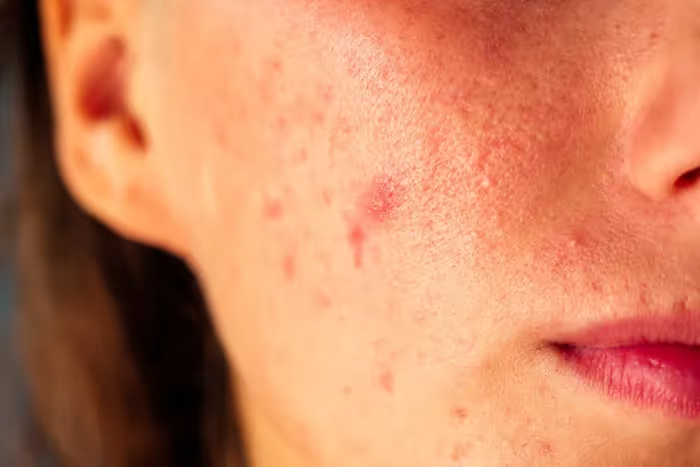
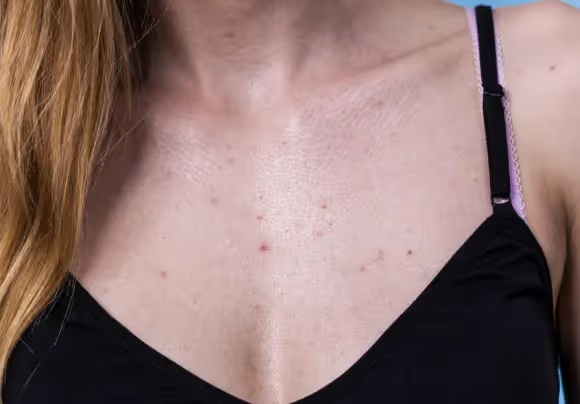
Have you noticed that your skin is getting more agitated or oily since you started birth control? You are not alone. For many women, this is an unexpected side effect of their contraceptive. The skin deteriorates, pimples come back or occur for the first time, and that can significantly affect your self-esteem.
In this blog, you can read why contraception can make your skin worse, which complaints are most common and what you can do to calm your skin again.
Why contraception can make your skin deteriorate
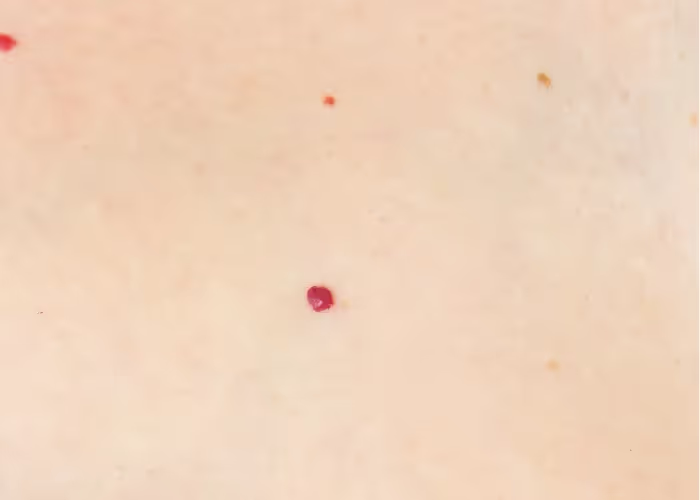
Contraception changes your hormone balance, and hormones have a lot of influence on your skin. When that balance shifts, your skin can become out of balance. You often notice this quickly: more impurities, acne or even pigmentation.
Hormones running wild
The pill, the IUD or the contraceptive pill all cause fluctuations in estrogen and progestin in their own way. Some products increase sebum production, which makes your skin oilier and clogs pores more quickly. The result? More pimples, blackheads, or inflammations.
Not every drug works the same
Some forms of contraception do more to your skin than others:
- Combination pills with estrogen and progestogen, your skin can improve, but that does not apply to everyone.
- Mini pills, containing only progestogen, often cause worse skin.
- Copper coils do not contain hormones, so they usually have no direct effect on your skin, but changing your cycle can still have an effect.
These are the skin problems you may face
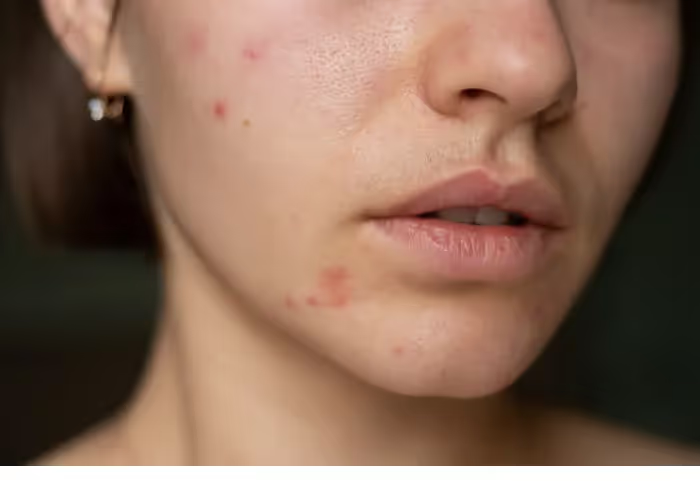
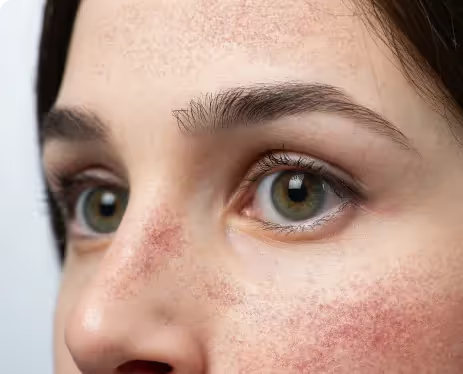
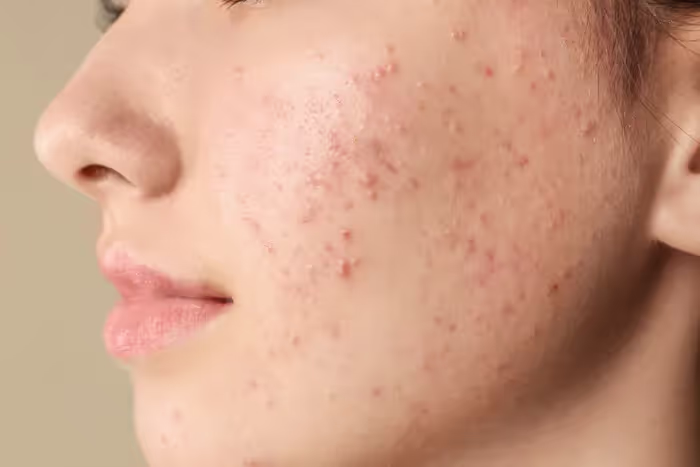
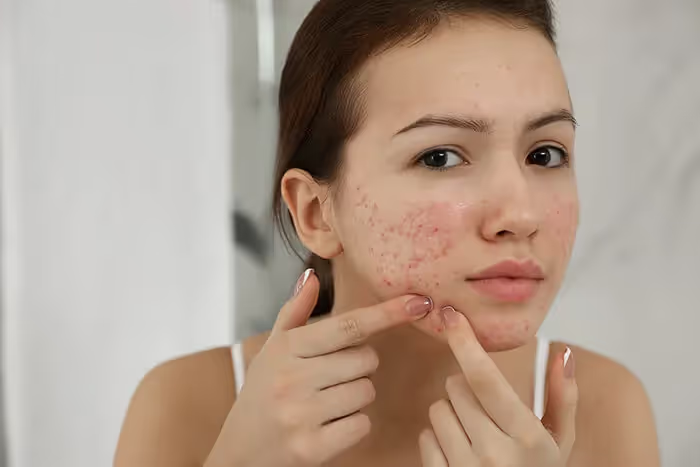
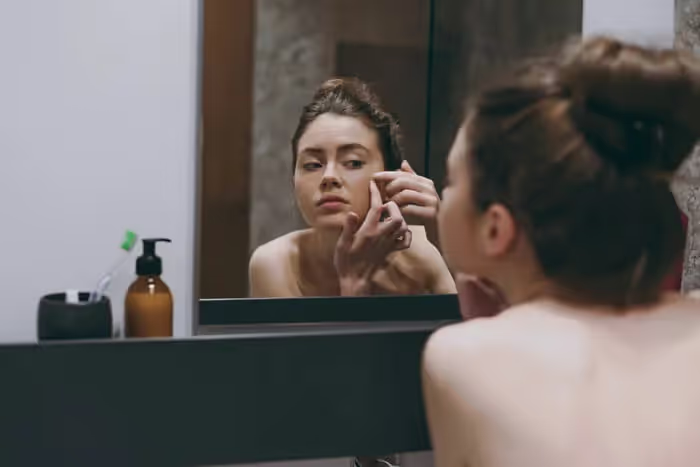
More and more persistent pimples
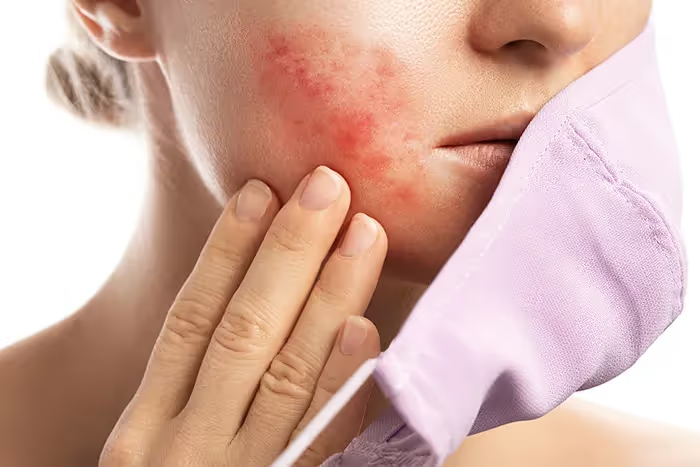
Hormonal fluctuations cause overactive sebaceous glands. The skin becomes clogged and inflamed more quickly. Pimples can come back or worsen persistently.
Shiny, oily skin
Your skin feels oily more quickly, especially on your forehead, nose, and chin. Makeup doesn't stay in place and you feel less fresh.
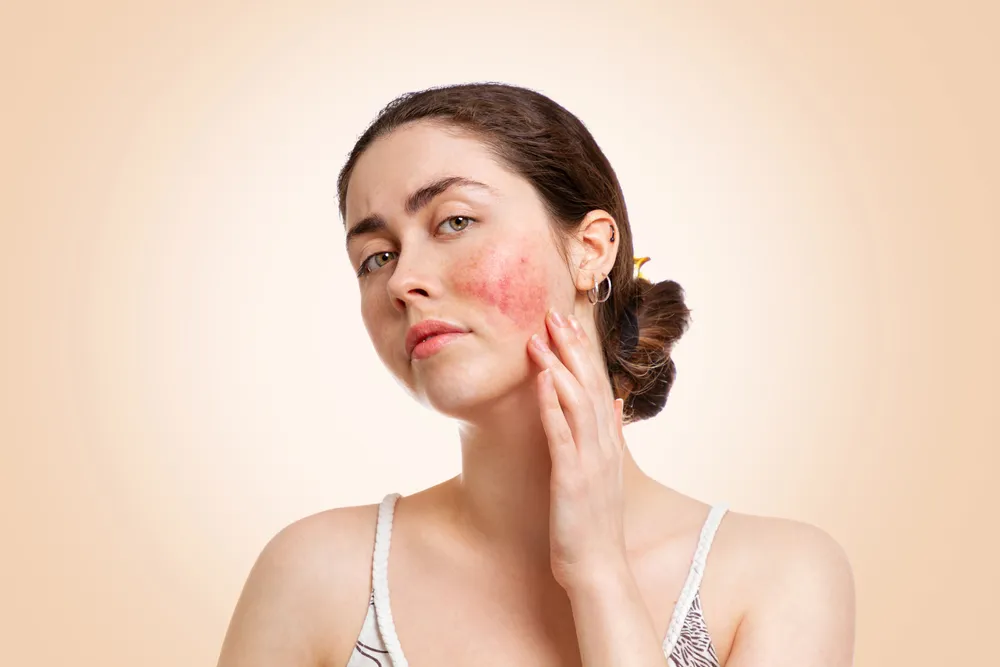
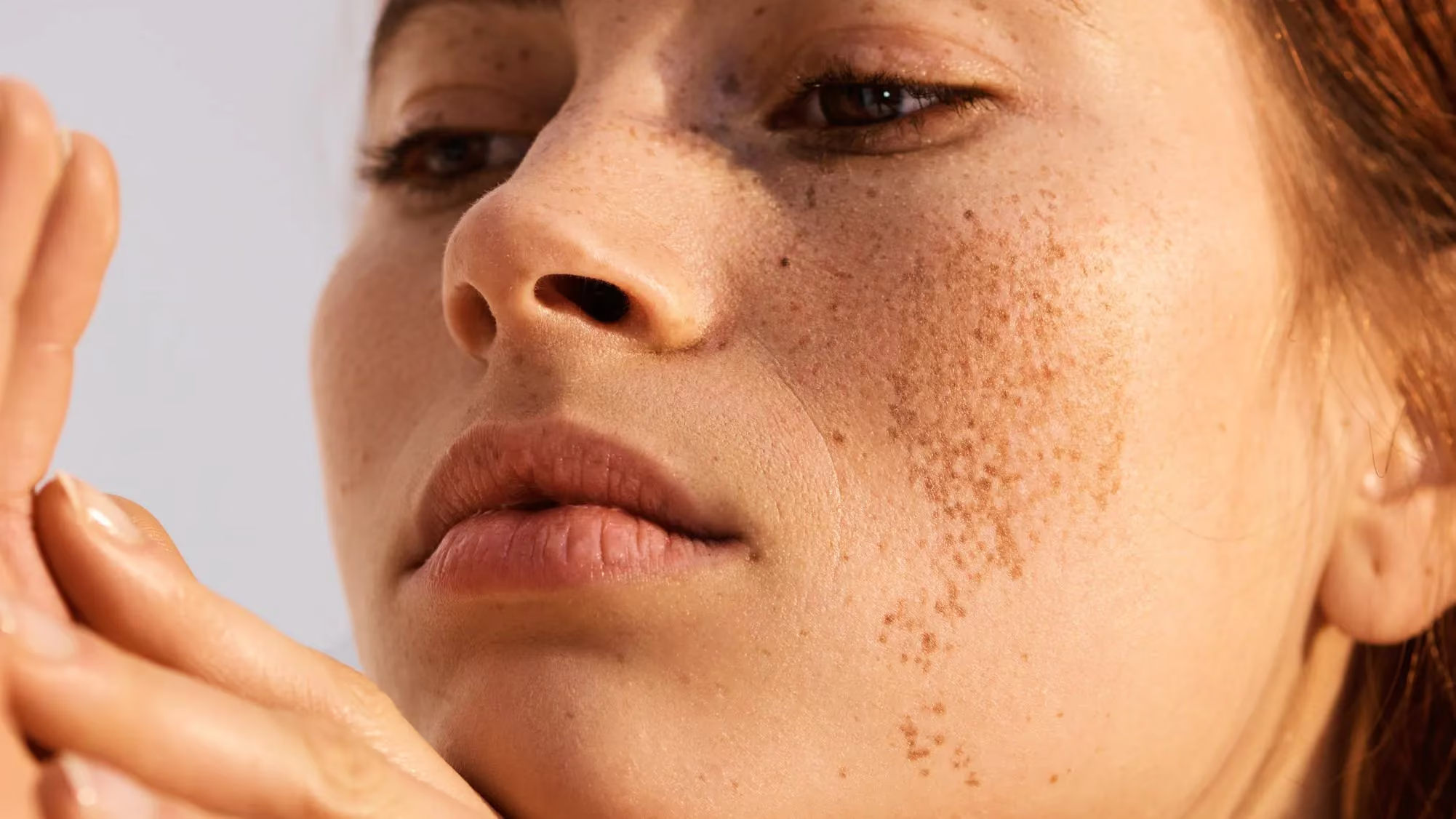
Pigmentation spots or melasma
The combination of hormones and sunlight can cause dark spots on your cheeks or forehead. These stains often don't go away on their own.
What can you do if your skin deteriorates?
Talk to your doctor
Does your skin look clearly worse since you started birth control? Talk to your doctor or dermatologist. Maybe another remedy is better for your body and skin.
Choose more consciously
There are specific combination pills that help against acne. Together with your doctor, you can see whether switching is wise.
Adjust your skin care
A good routine helps to limit damage:
- Cleanse gently and avoid harsh products.
- Use care that is non-comedogenic (does not clog pores).
- Opt for products that suit oilier or acne-prone skin.
Think about your lifestyle too
Your lifestyle affects your skin:
- Avoid excessive consumption of processed sugars and opt for fresh food.
- Get enough sleep and try to limit stress.
- Protect your skin well from the sun, especially with pigmentation.
Myth or Fact?
There are many stories about birth control and skin problems. A few myths at a glance:
- All pills improve your skin: Not true. Some pills can actually make acne worse.
- Drinking water cleans your skin: Hydration is important, but it doesn't address hormonal acne.
- Natural is always better: Not necessarily. Some natural products can actually irritate your skin.
Your skin deserves attention
It's annoying when your skin suddenly deteriorates because of something you use for your health. Fortunately, you can take action. With the right support and care, a lot of improvement is often possible.
Do you continue to have doubts or do you see little improvement? Then contact a skin expert. Together, you will find a solution that suits you.


%20(1).avif)
.avif)


%20(1).avif)
.avif)
.avif)

.avif)

-min.avif)
-min.avif)
-min.avif)

.avif)


.webp)





























.avif)


](https://static.legitscript.com/seals/624359.png)