.webp)




Let's get rid of the first taboo right away: acne is often defined as “juvenile pimples”. But if we are reasonable, that is not true. Although many young people suffer from acne during puberty, it is a skin condition that can occur at all ages. Pimples after 30? Completely normal and don't let anything else fool you. Learn all about acne, how it occurs and what types exist in our dermatologists' Acne 101.
What is Acne?
A more correct definition is as follows:
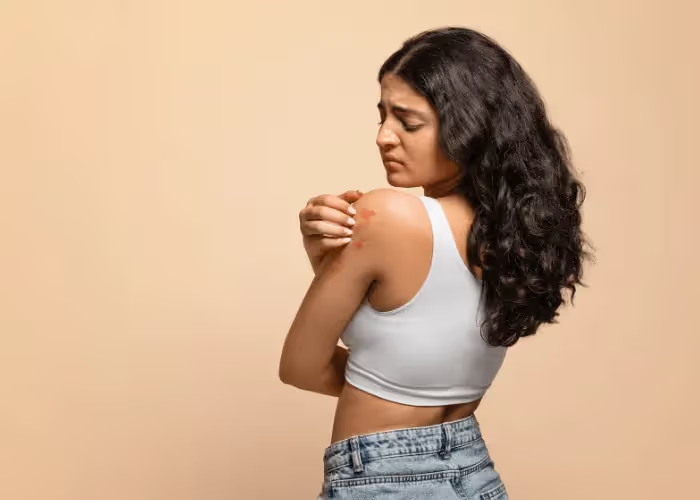
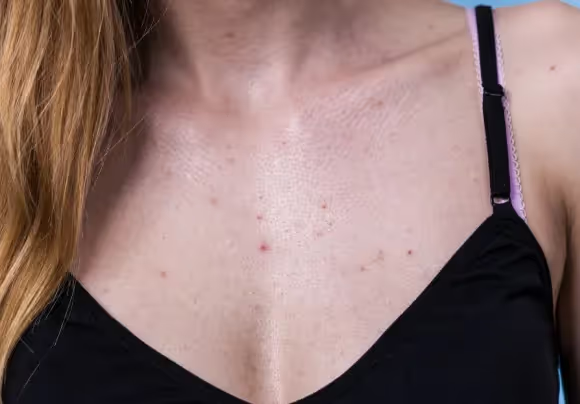
Acne is a generic name for all kinds of pimples. These appear on the skin: usually on the face, back or chest and shoulders.
- In a first phase, they look like a white ball = a blackhead. What you're actually seeing is the accumulation of sebum and oil in your sebaceous gland.
- You can do that later black ball become. This indicates that the blackhead is open.
These first two phases are forms of acne that are not inflamed. The pores are clogged, but can still process all sebum and oil in time, so that it does not lead to an infection.
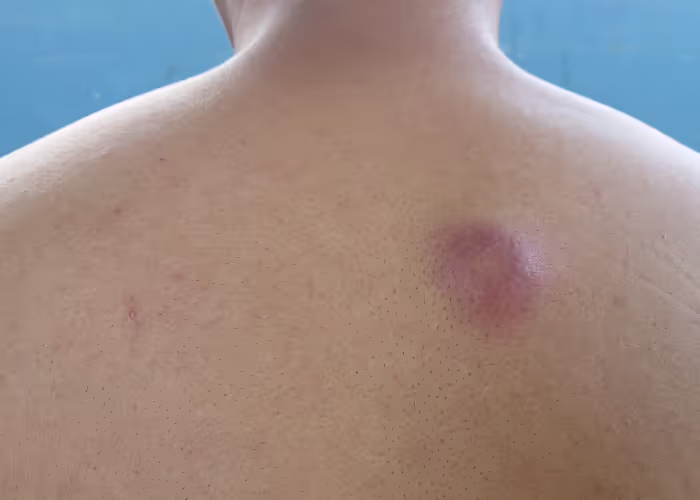
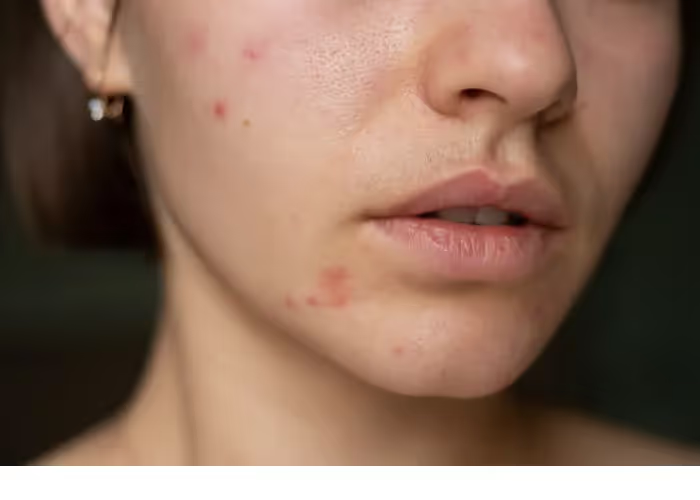
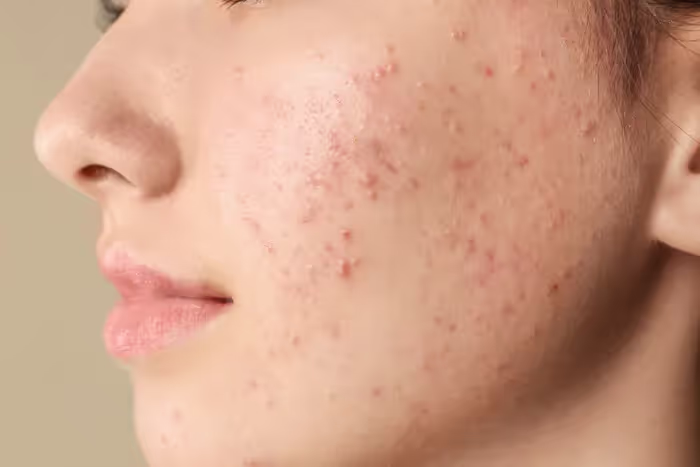
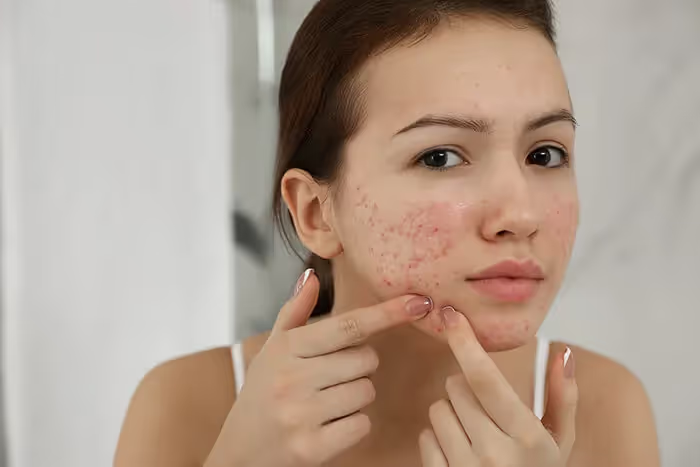
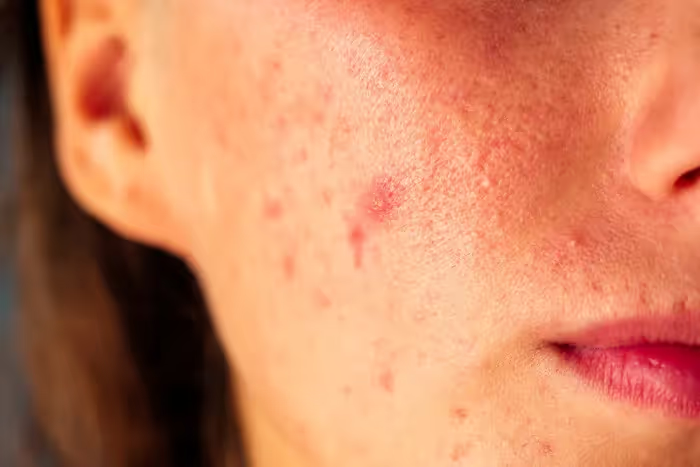
If it comes to that, there is inflammation. The abundant sebum and oil do not go away and cause the sebaceous gland to inflame. This creates red to purple, painful pimples with sometimes a white to light yellow cup.
How does acne occur?
Acne occurs when the sebaceous glands try a little too well in your skin. These glands are located in the top layer of skin and primarily serve to ensure that your skin, but also your hair, remain supple and protected. The sebum they produce is in fact a oily substance that repels water, bacteria and fungi. It thus increases the skin's resistance.
Unfortunately, if these glands are very active, they can no longer process their own sebum production. The subcutaneous sebum thickens and a build-up of sebum and dander occurs. This is how the sebaceous follicle clogs and blackheads form. The sebaceous glands themselves are teeming with bacteria. And when the clogged sebaceous follicle ruptures open, an inflammatory reaction = acne occurs.
In most cases, this overproduction is linked to fluctuations in your hormones, but acne can also be genetic.
Acne occurs not by:
- washing the skin too little
- makeup to wear
- unhealthy to eat
- a lot to sweat
What are the symptoms?
- In the case of a mild form of acne vulgaris, we do not yet see an inflammatory response. Here are the symptoms either white or black dots that indicate blackheads. There are virtually no red pimples.
- In a moderate form of acne vulgaris, there is an initial inflammatory reaction and we see inflammatory pimples. These are red to purple in color and can feel sore.
- In a severe form of acne vulgaris (acne conglobata), there is a very strong inflammatory reaction. The inflammation not only causes pimples, but also hyperpigmentation and scarring its symptoms.
For moderate to severe forms of acne, always seek help from a dermatologist. These disorders are located deep in the skin. The dermatologist can better address the cause by using adapted treatments and thus achieve better results. Don't wait too long with this either: the sooner you can start the treatment, the less chance you will have of scarring.
What types of acne are there?
Acne vulgaris is the collective name for all types of acne that arise from the sebaceous glands that clog. This includes all forms of blackheads, papules, pustules, nodules, or cysts.
Hormonal acne
The number 1 cause of acne is hormones, especially hormonal fluctuations. We therefore speak of hormonal acne. So which hormones cause those flare-ups? Androgenic hormones, including testosterone, act as a stimulant for the sebaceous glands.
Comedonal acne
Not all acne shows up in red pimples. Comedonal acne is acne that consists of blackheads, or comedones. This form of acne can be recognized by the whiteheads or blackheads and occurs when follicles or pores become clogged with sebum, but not to the extent that they inflame or sore. Of course, that doesn't mean that comedonal acne can't have an impact on your daily life. You can also do this at the dermatologist right and there are treatment plans.
Cystic acne
The severe forms of acne include: cystic acne, also known as stone pimples mentioned. It is also caused by hormones. The pimples here are actually cysts and can be recognized as red bumps deep in the skin. This form of acne is very painful when touched, but the pimples can hurt even without touch. The pain can even be felt before the furuncles occur.
How does that differ from an inflamed sebaceous gland? The inflammation at cystic acne is much deeper in the skin. Such intense inflammation and, consequently, swelling also damages the healthy skin around the affected area.
Acne conglobata
Acne conglobata is also a serious but less common form of acne, where the inflammation of the sebaceous glands is particularly severe. With this form of acne, you are very happy with calm white or black blackheads, because the large abscesses (pus-filled cavities) are typical of acne conglobata. These cause pain and scarring after the acne has healed.
Acne tarda
Of course, acne can also occur after the age of 25. We then speak of late onset acne or acne tarda (adult acne). This acne looks very much like hormonal acne, but you will notice fewer blackheads. In acne tarda, we see a hormonal cause: girls who stop taking the pill. But there is also often a hereditary cause: almost half of the people who suffer from adult acne also (had) the mother or father.
What isn't technically acne but looks like it?
Fungal acne = rash caused by the amount of yeast on your skin. A high level of yeast feeds bacteria and can develop fungi. These fungi inflame the hair follicles. They often occur in groups, are about the same size and itchy, so you can distinguish them from acne vulgaris.
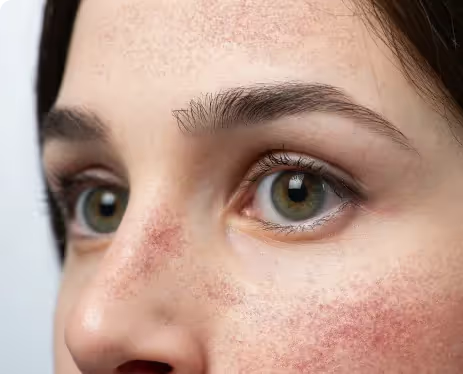
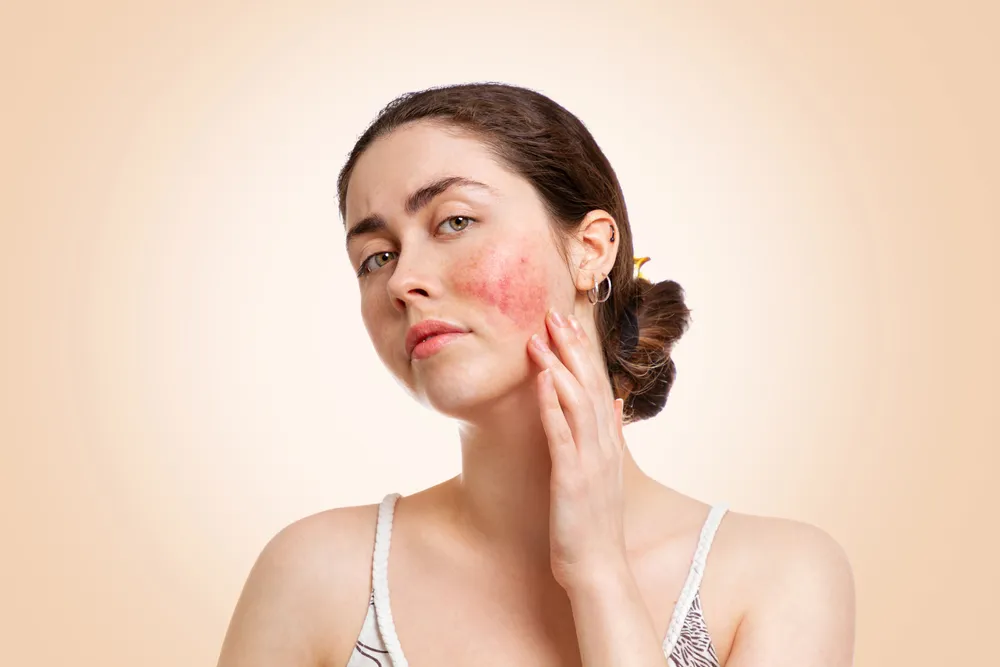
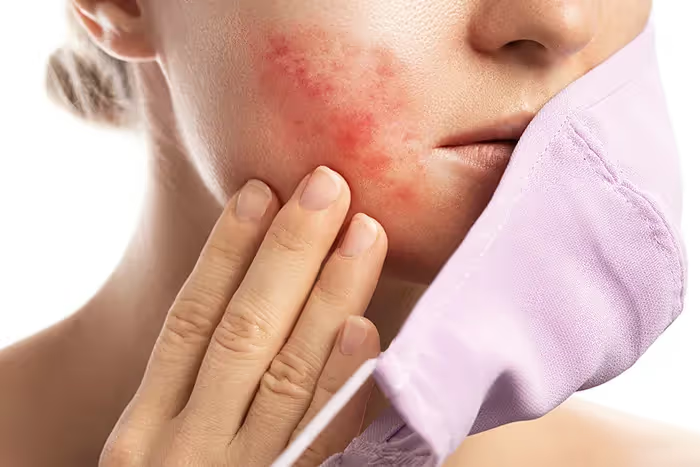
Rosacea = a skin condition that partly has the same symptoms as acne. Think of inflamed bumps, redness and irritation, but these are not caused by clogged sebaceous glands. In rosacea, the symptoms mainly occur on the cheeks and around the nose, as if you were blushing. At an advanced stage, it can lead to visible capillaries (hence redness), coarsening of the skin and swelling of the face.
Do you suffer from acne? Via Skindr you will receive advice within 48 hours from a experienced dermatologist with an accompanying treatment plan to take care of you as quickly and well as possible.

%20(1).avif)
.avif)


%20(1).avif)
.avif)
.avif)

.avif)

-min.avif)
-min.avif)
-min.avif)
.avif)


.webp)

























.avif)


](https://static.legitscript.com/seals/624359.png)