.webp)




How do I balance my hormones?
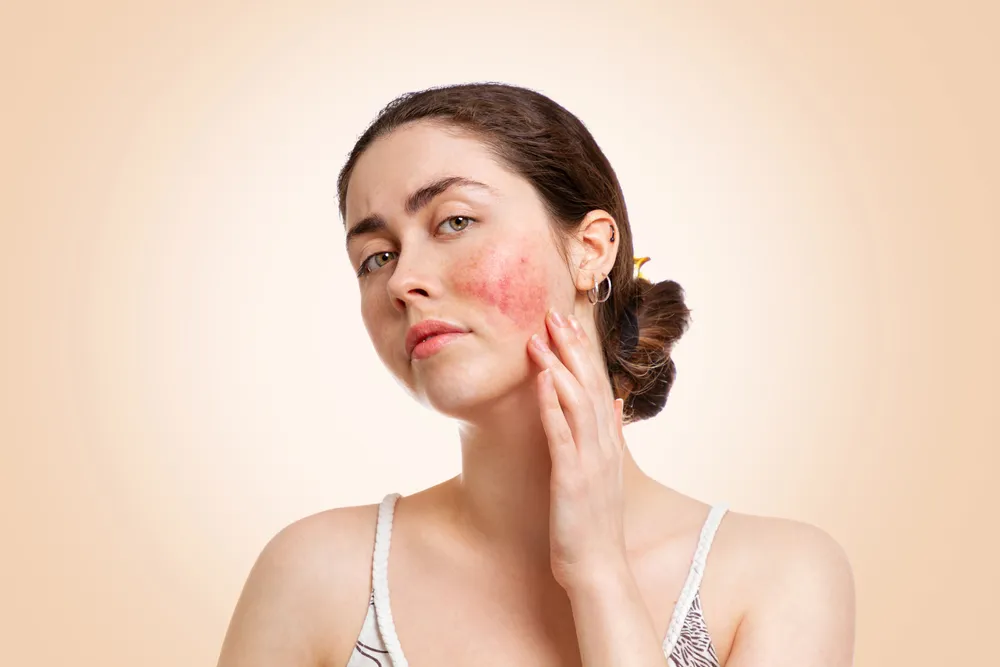
Hormones play an essential role in our body. They regulate countless processes, from energy levels and mood to metabolism and skin health. But if these hormones become out of balance, this can lead to various complaints such as fatigue, mood swings and hormonal acne.
For many women, hormonal imbalance is a major cause of skin problems. That's why it's crucial to balance your hormones in a natural and sustainable way. But how do you do that?
This article provides an overview of symptoms, causes and practical tips to support your hormonal balance.
What are the symptoms of a hormonal imbalance?
Hormones such as estrogen, progesterone, testosterone, cortisol (stress hormone), thyroid hormones, and insulin all play a role in our body's functioning. When these hormones become out of balance, symptoms can manifest themselves in different ways.
Here are some of the common signs of a hormonal imbalance and the hormones that influence it:
- Irregular menstrual cycles — caused by fluctuations in estrogen and progesterone.
- Excessive tiredness — may be related to low thyroid hormone production (hypothyroidism) or increased cortisol levels due to chronic stress.
- Mood swings or feelings of depression — fluctuations in estrogen and progesterone, but also an imbalance in cortisol, can affect your mood.
- Weight gain, especially around the belly — often caused by insulin resistance or increased cortisol levels, which promotes fat storage.
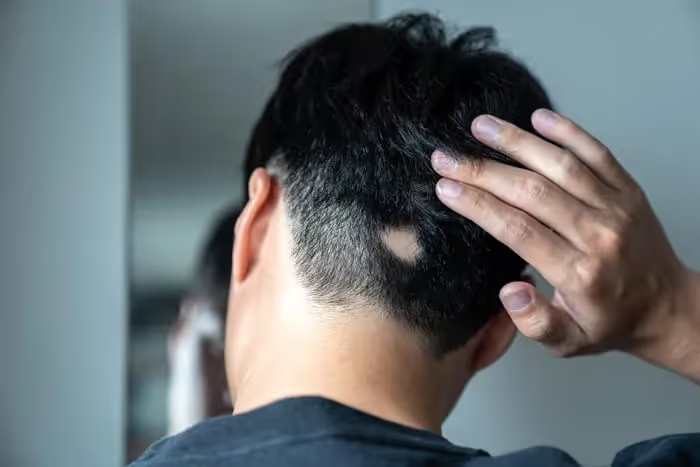
- Hair loss or thinning hair — may be due to a lack of thyroid hormones or an excess of androgens (such as testosterone).
- Decreased libido — low testosterone levels in both men and women can lead to decreased sexual desire.
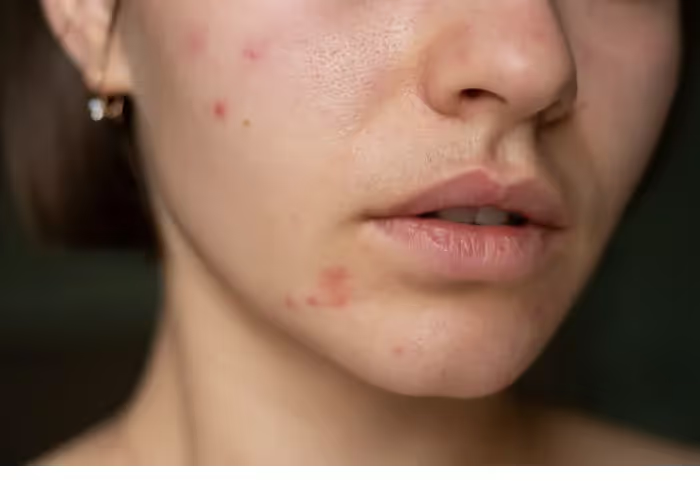
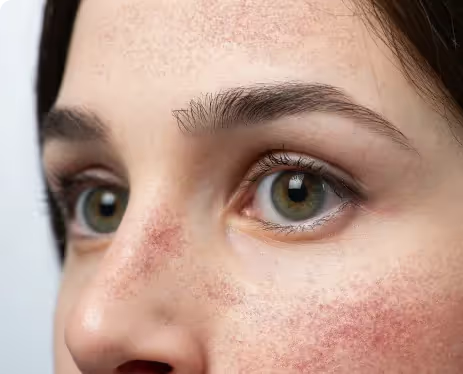
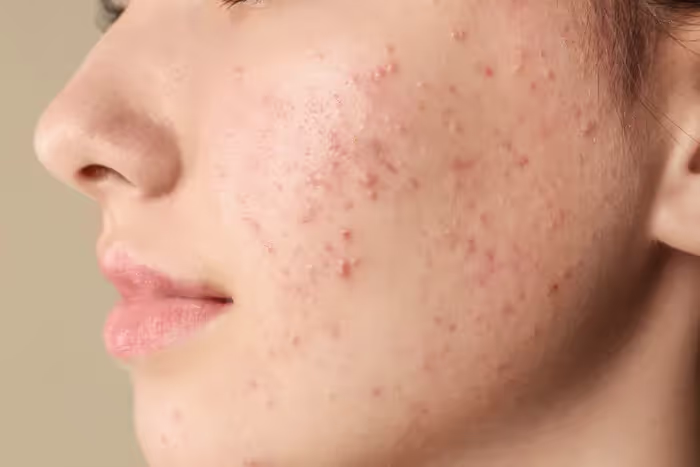
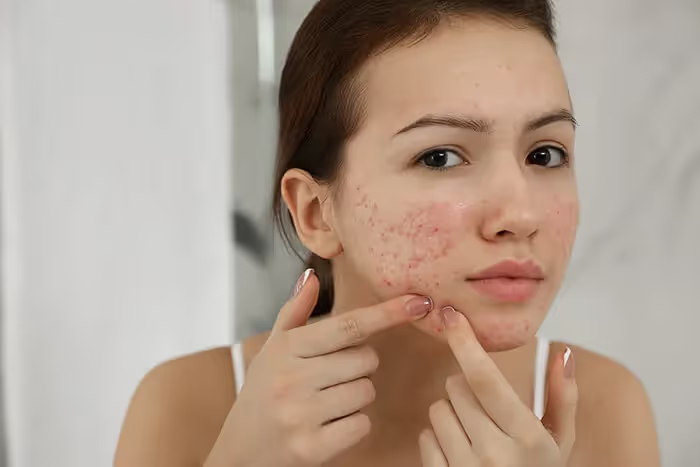
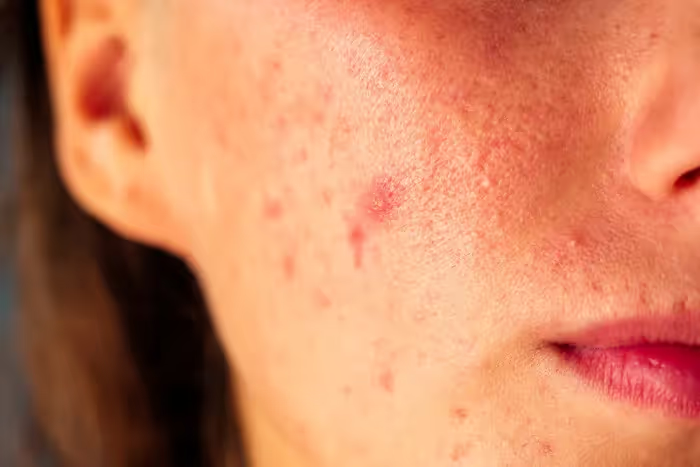
- Persistent or recurrent acne, especially around the chin and jawline — is often influenced by an overproduction of androgens (such as testosterone) and increased progesterone levels.
If you recognize yourself in these symptoms, it's wise to take action and support your hormones.
How are hormones and acne related?
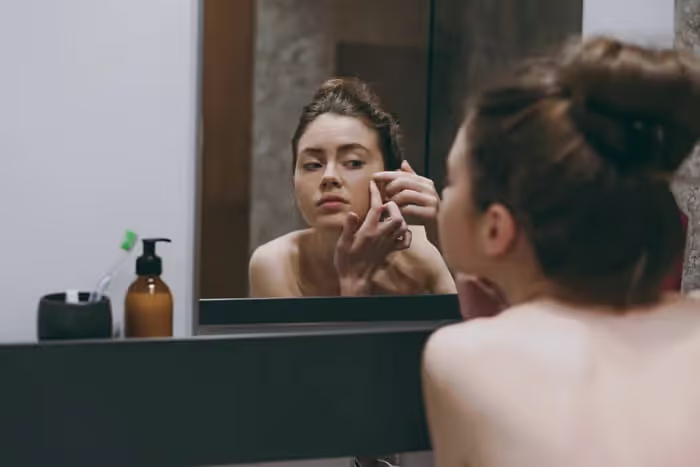
You may notice that your skin becomes oilier and has more pimples just before your period. This is no coincidence. Hormonal fluctuations, particularly in the luteal phase of your cycle (after ovulation), play an important role. During this period, progesterone levels in particular rise, which stimulates sebum production. This clogs pores more quickly, leading to pimples, especially around the chin and jawline.
In addition, androgens (such as testosterone) play a role in acne. They stimulate the sebaceous glands and promote the growth of acne-causing bacteria. Increased cortisol levels due to stress can also contribute to hormonal fluctuations, worsening acne.
Interestingly, a hormone spiral (containing only progestogen) causes acne more often than a combination pill, because progestogen increases sebum production.
Healthy food choices for hormonal balance
What you eat has a huge impact on your hormones and skin. Here are some nutrition tips:
- Focus on fibers: Dietary fibers support the intestinal flora and liver, which can help with a healthy hormone balance.
- Healthy fats: Omega-3 fatty acids from oily fish (such as salmon) and flaxseed have an anti-inflammatory effect and support your hormones.
- Limit sugars and refined carbs: High-glycemic foods can cause insulin spikes, which stimulates androgen production and worsens acne.
- Cruciferous vegetables: Broccoli, cauliflower and sprouts support the liver in breaking down excess hormones.
Do you want specific advice? A dietician can help you with a personal nutrition plan.
Lifestyle adjustments for healthy hormones
In addition to nutrition, lifestyle choices also play a major role in supporting your hormonal balance. Here are some practical tips:
1. Get enough sleep
Hormones like melatonin and cortisol are regulated by your sleep. Too little sleep can upset your hormonal balance and make acne worse.
2. Limit stress
Chronic stress increases cortisol production, which has a domino effect on other hormones. Relaxation techniques such as yoga and meditation can help.
3. Exercise regularly
Physical activity helps regulate insulin and reduces stress. Opt for moderate-intensity exercise such as walking, swimming, or pilates.
4. Avoid endocrine disrupting chemicals
These are found in plastic, cosmetics and cleaning products. Where possible, opt for natural or organic alternatives.
Consult a specialist
Do you notice that hormonal symptoms persist despite lifestyle changes? Then it is advisable to consult a general practitioner. The general practitioner can refer to an endocrinologist or other specialist if necessary.
It is important to realize that not all hormonal fluctuations can be directly influenced. Heredity, medical conditions, and other factors may play a role. This does not mean that you have no influence on your health, but it helps to have realistic expectations and not make yourself feel guilty. Sometimes specialized guidance is needed to balance your hormones.
Maintain balance — and healthy skin
A hormonal imbalance can be frustrating, especially when you notice it on your skin. Fortunately, there are many ways to support your hormones, from conscious food choices to stress management and a healthy lifestyle. With the right approach, you can improve your skin and overall well-being.

%20(1).avif)
.avif)


%20(1).avif)
.avif)
.avif)

.avif)

-min.avif)
-min.avif)
-min.avif)
.avif)


.webp)

























.avif)


](https://static.legitscript.com/seals/624359.png)