.webp)




Myths and misconceptions about eczema can lead to confusion and frustration for people dealing with this condition. We would like to debunk some eczema myths and are therefore writing this fact check, coordinated with our Skindr dermatologists.
There are a lot of misconceptions when it comes to eczema: what is true and which statements are not true at all?
Eczema myths
1. Eczema is contagious
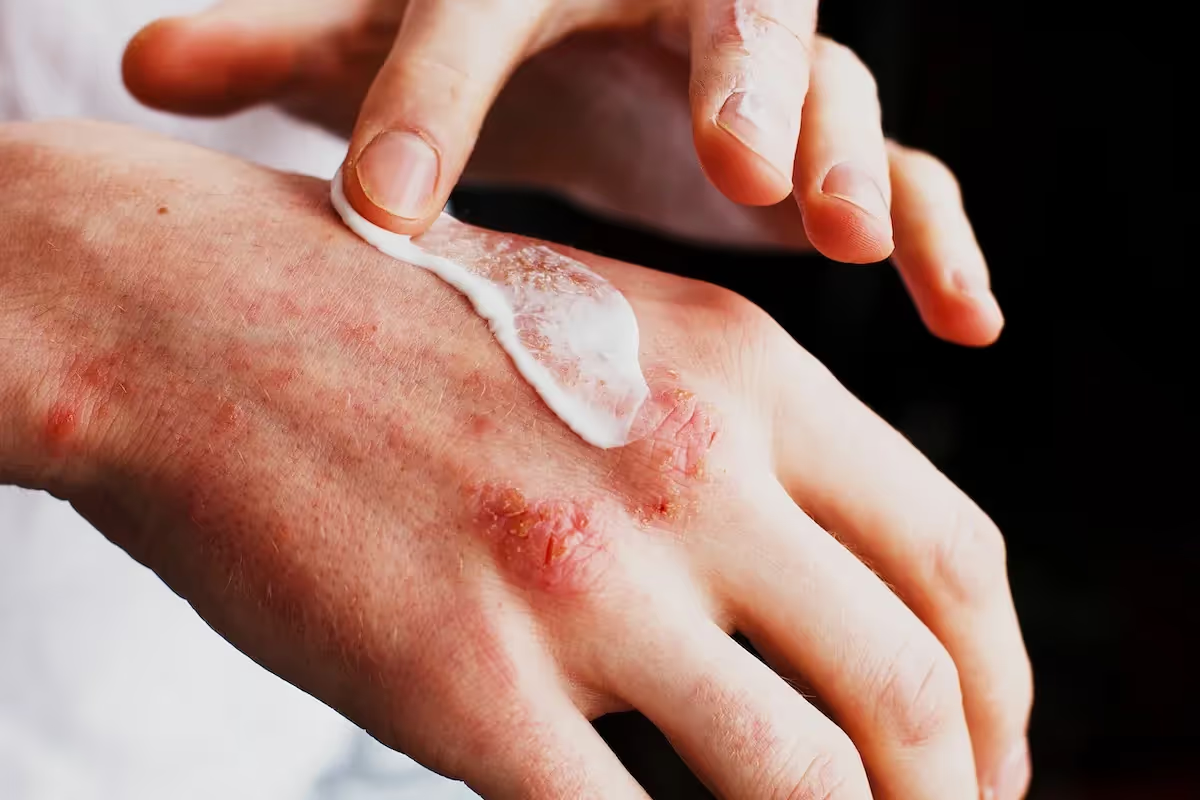
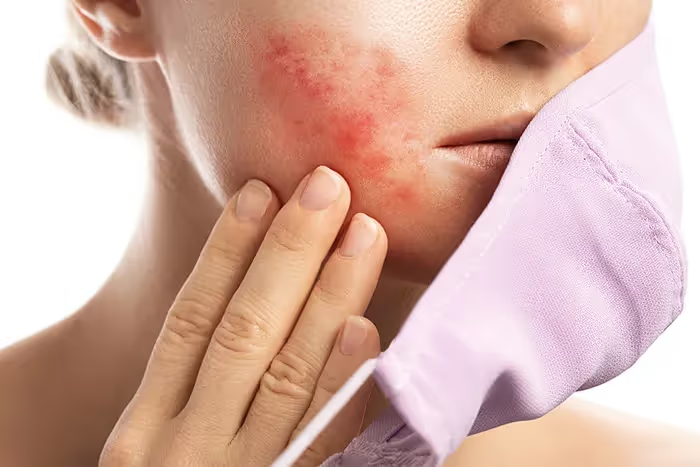
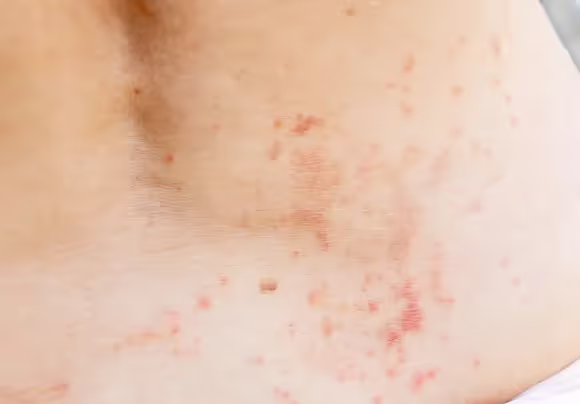
This misconception can lead to social stigma and unnecessary anxiety. It is crucial to emphasize that eczema is not contagious. Although it may look like red, inflamed patches on the skin, eczema isn't caused by bacteria or viruses that can be transmitted from person to person.
Instead, it is a complex inflammatory skin disorder that results from various genetic and environmental factors. Teaching others about the non-contagious nature of eczema helps dispel misunderstandings and promotes empathy and support for those living with the condition.
2. Eczema is caused by poor hygiene
This myth can needlessly lead to shame and self-blame for people with eczema. It is important to emphasize that eczema is not the result of a lack of hygiene.
Although a good one skincare routine is essential for controlling eczema, is the skin disorder the result of complex genetic and environmental factors, not dirt or poor personal hygiene.
In fact, you can also suffer from eczema precisely because of too thorough hygiene. For example, if you wash yourself often with harsh soap, you will make sure that there is no longer a protective oily layer on your skin. As a result, your skin becomes increasingly dry and you can also suffer from eczema.
3. Eczema is only a skin disorder
Although eczema primarily appears on the skin, it can have a much wider range of symptoms and effects than just superficial skin problems. For some people, eczema is associated with severe itching, sleep disorders, anxiety, and even depression.
In addition, certain types of eczema, such as atopic eczema, also affect other systems of the body, such as the respiratory system. By drawing attention to these aspects of eczema, we can cultivate a deeper understanding of its impact on individuals' overall health and well-being.
4. Cure eczema? Just stop scratching!
This myth downplays the complexity of eczema and the challenges faced by people with the condition. While scratching can worsen eczema symptoms and lead to skin damage and infection, managing eczema is a comprehensive process that includes medication, skin care, avoiding triggers, and managing emotional stress.
It's important to debunk this myth and set realistic expectations about treating eczema.
Learn more about eczema? Download our eczema guide or book a online dermatology consultation in touch with our dermatologists.



%20(1).avif)
.avif)



%20(1).avif)
.avif)
.avif)

.avif)


-min.avif)
-min.avif)
-min.avif)
.avif)


.webp)
































.avif)


](https://static.legitscript.com/seals/624359.png)