.webp)



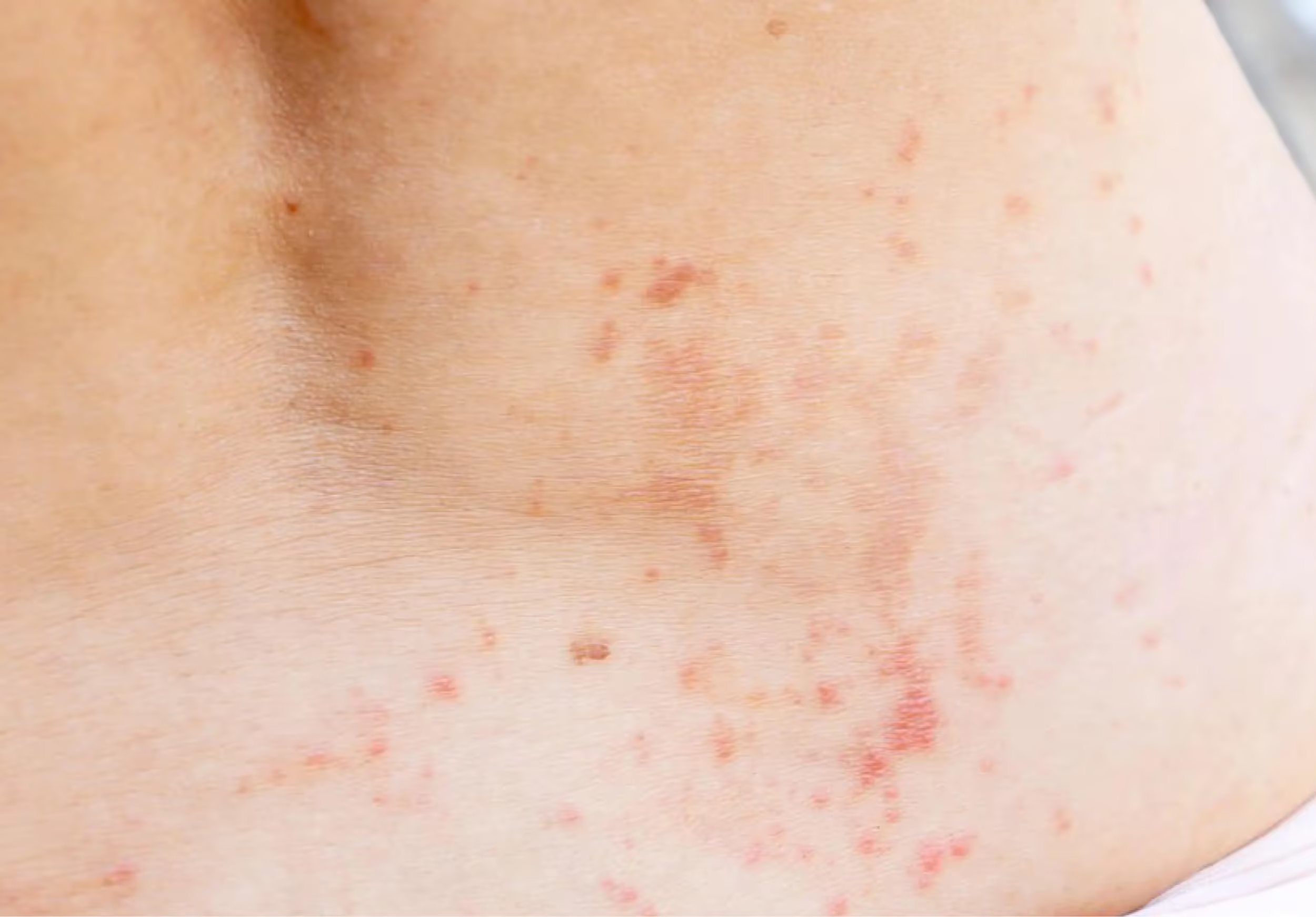
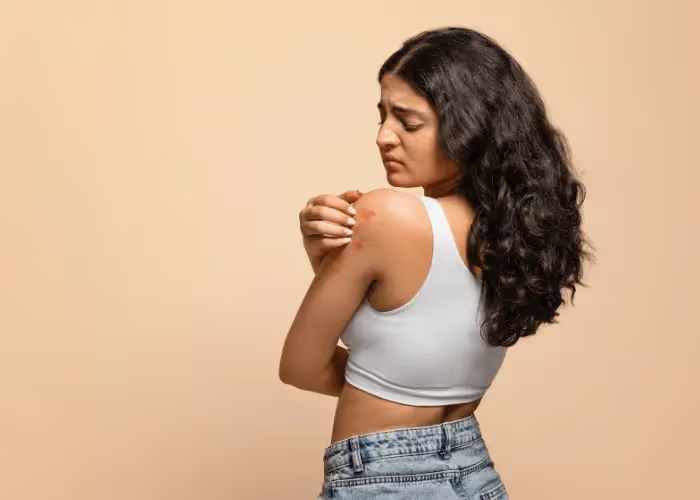
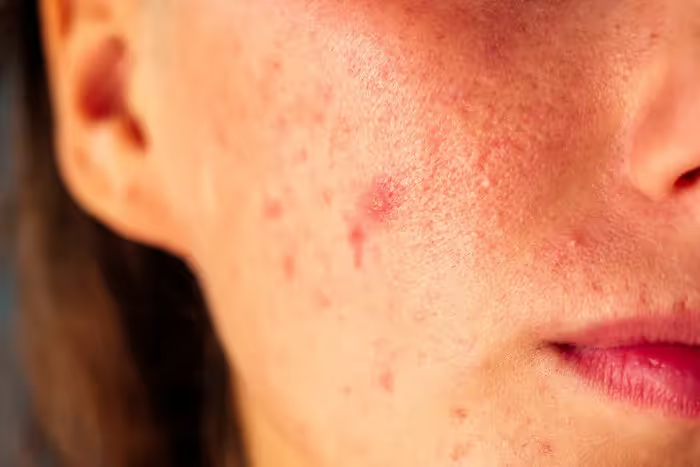
Those coming back from a vacation to tropical regions or the desert can suffer from sweat spots. These pimples pop up in hot and humid conditions. So this time it is not the sun exposure that is the cause, but the heat and humidity. That's why sweat pimples are also known as heat allergies. Other names include miliaria (the medical term), heat rash, heat rash, sweat rash, or sweat bumps.
Sweat pimples or sweat rashes
Too hot and too humid for the skin
As an adult, you are not going to suffer from sweat pimples very often in our parts. Our climate plays an advantage here. This is different for holidaymakers who travel to warm, tropical surroundings. No less than 1 in 3 develops these sweat bumps. They also appear in the desert, although a very dry environment. There is insufficient ventilation, which means that the skin is in conditions that are too hot and humid. It's the combination of sweating and friction that causes the pimples to appear.
That is why you can also get heat allergies after:
- Wearing tight clothing such as a diving suit or tight sportswear.
- A visit to the sauna.
- Sleeping under too warm bedding such as an electric blanket.
- Sit by a fireplace or stove for a long time.
- A disease in which the patient sweats a lot, such as with a fever.
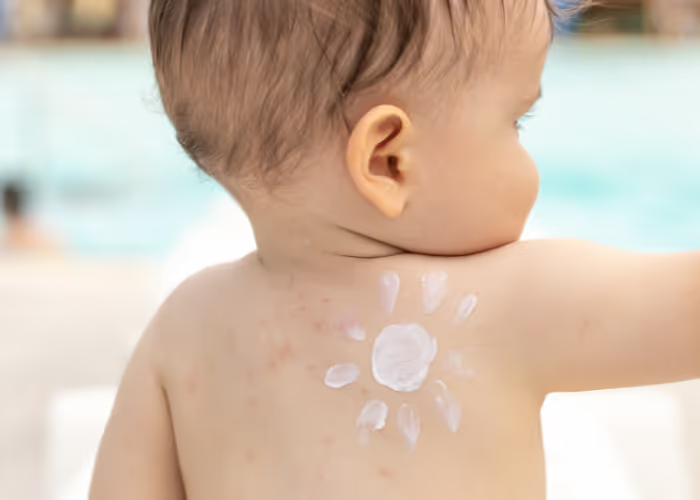
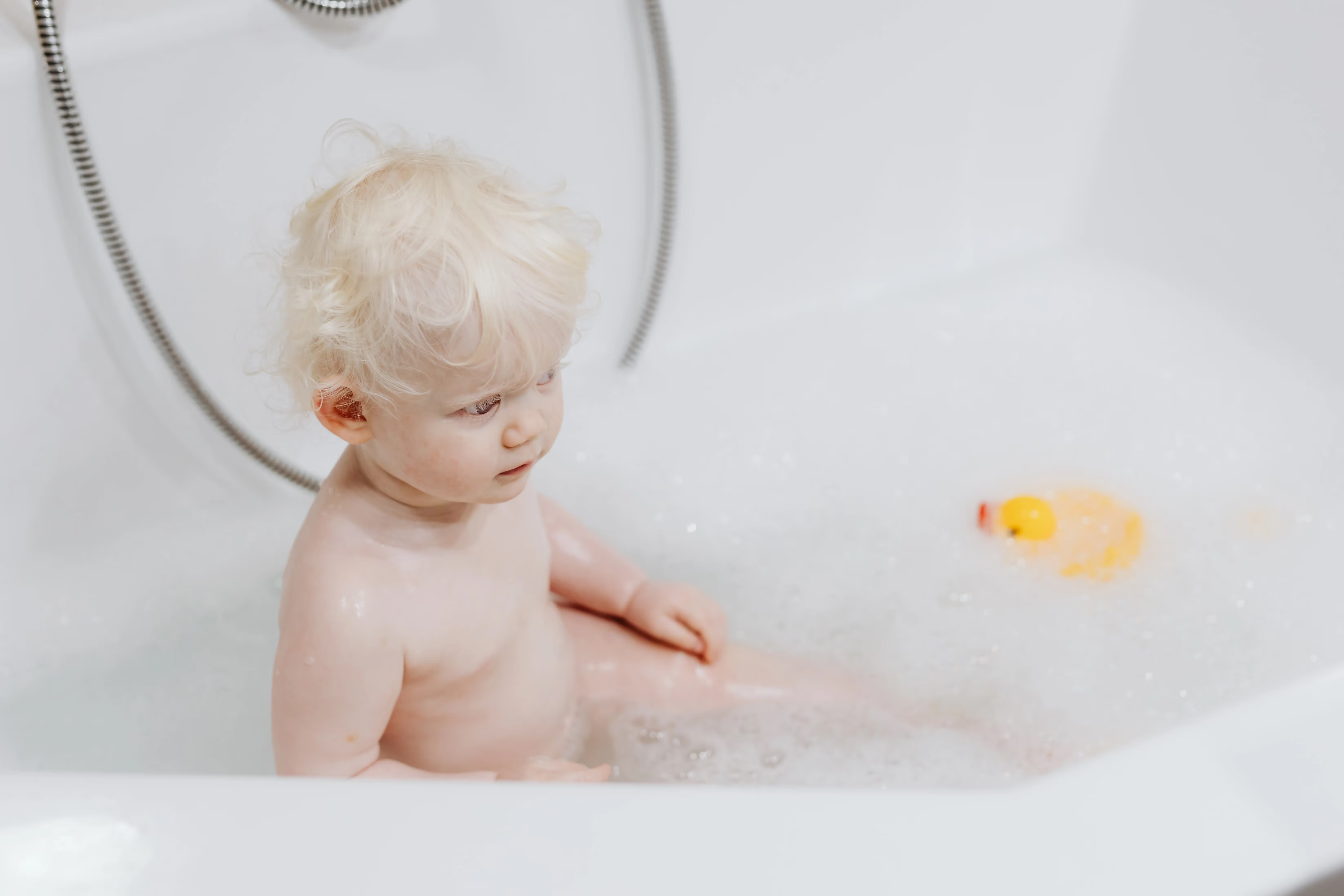
In addition to adults, miliaria is also common in babies, because the sweat glands are not yet well developed. If the baby then sleeps in a room that is too warm and sweats, the sweat glands suddenly have to produce a lot of sweat fluid and the exits become blocked.
Symptoms of miliaria
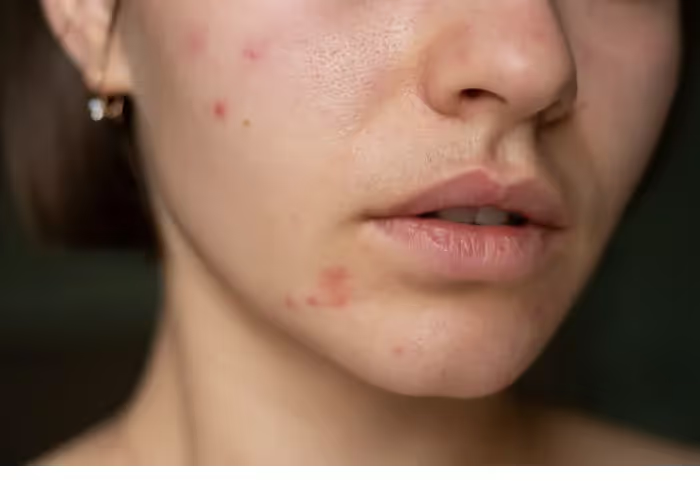
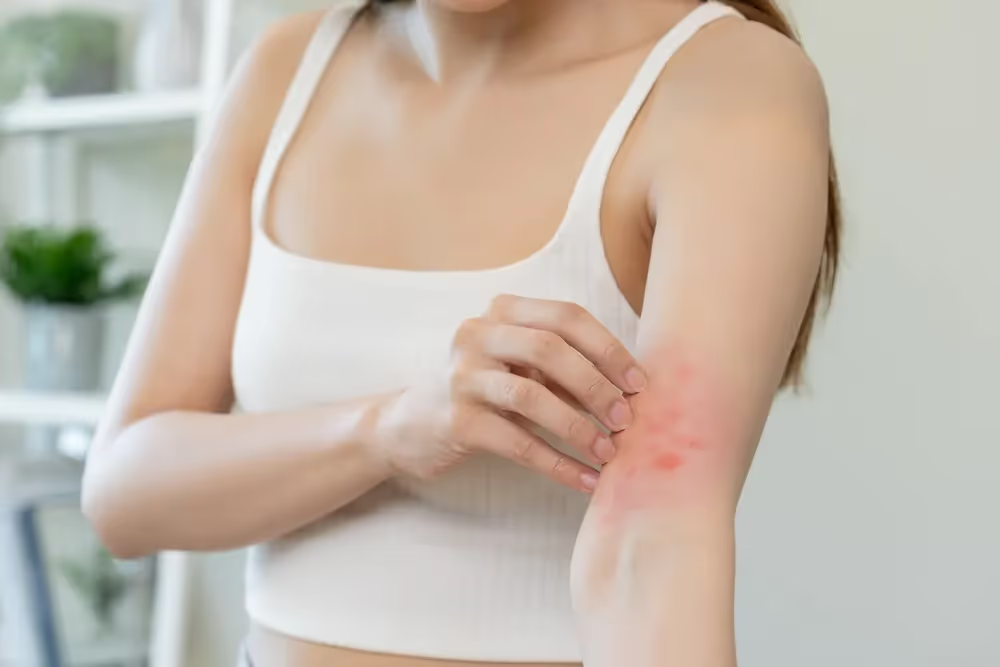
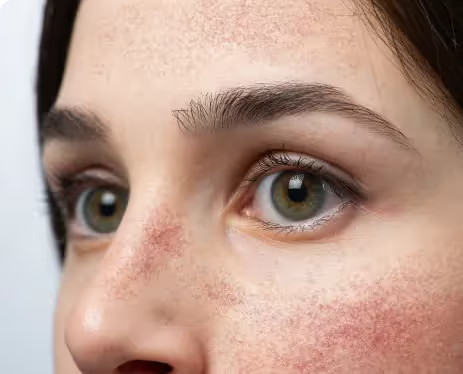
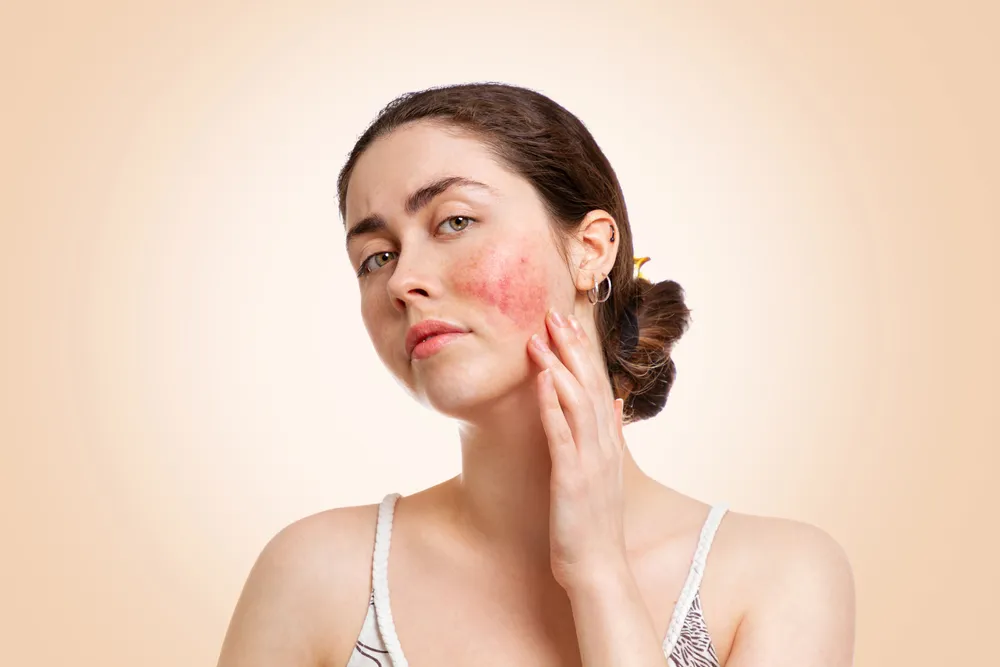
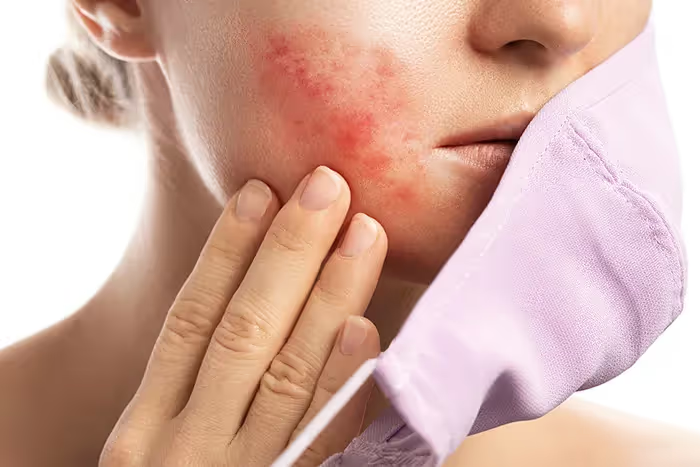
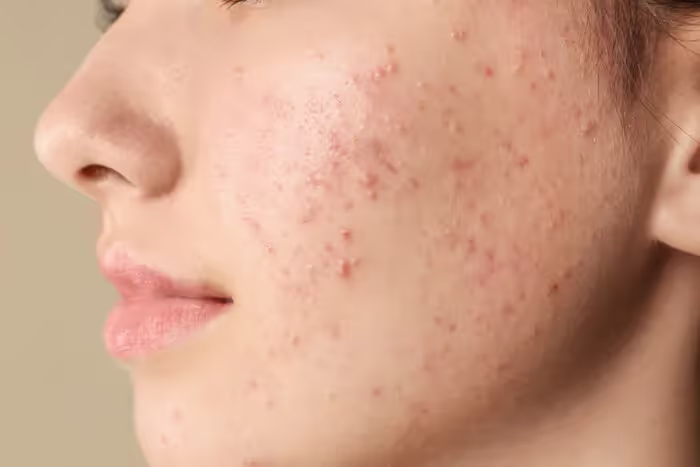
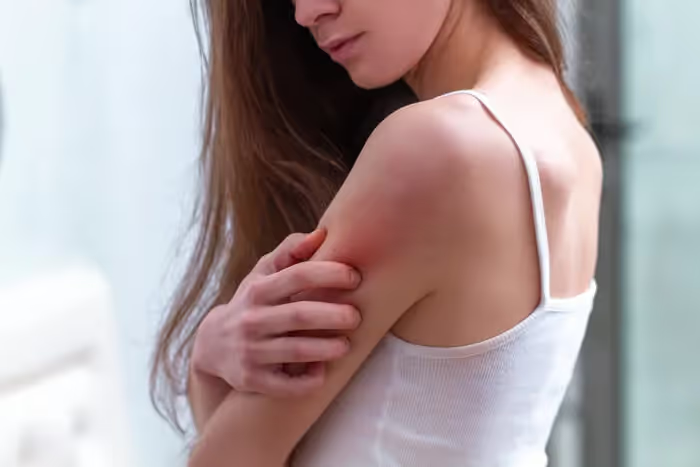
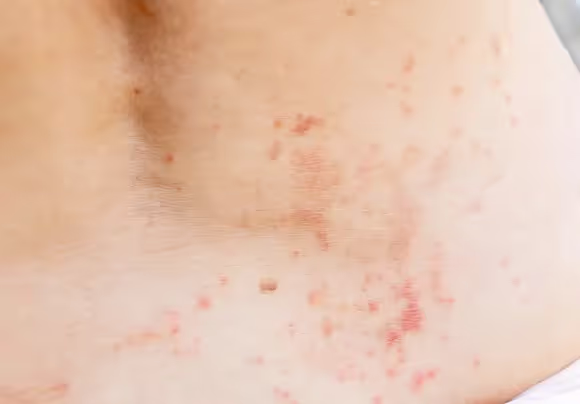
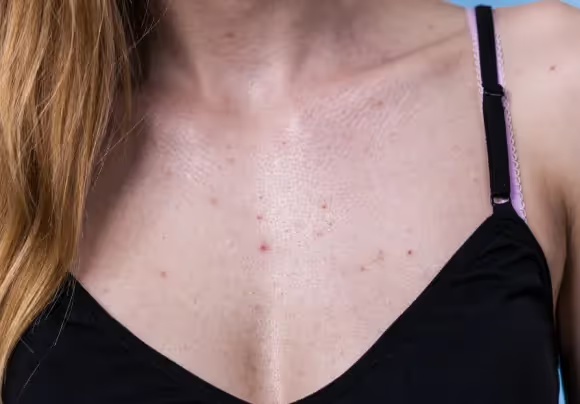
Sweat pimples occur because the drainage ducts of the sweat glands are blocked. They can see red, but not always. There are four forms of miliaria:
- Miliaria crystallina or sudamina: these are clear vesicles filled with translucent fluid. They crack easily and also disappear quickly on their own. Here, the blockage is located just below the stratum corneum.
- Miliaria rubra: the blockage is located deeper in the epidermis and the symptoms are greater. The bumps look red and are very itchy. This form is often seen in overweight babies or people and lasts for several days.
- Pustular Miliaria: pus heads develop on the pimples. This is the case when the bumps are contaminated by bacteria and become inflamed.
- Miliaria profunda: The bumps are larger and redder than in miliaria rubra because the blockage is in the dermis. Because the constipation is so deep and has to grow out by itself, it takes weeks for the patient to get rid of it. In addition to itching, these sweat pimples can burn and even hurt.
You will most often find the sweat pimples in the skin folds such as the knee cavities because that's where the clothing rubs against the skin. In babies, they also occur in the neck, hands, and face.
Prevent miliaria through good ventilation
Since heat and moisture are the cause of sweat pimples, it is important to avoid them to prevent excessive sweating and thus irritation on the skin.
- Wear light and light clothing.
- Make sure your hotel room has plenty of ventilation. This is especially important for small children and babies. Therefore, do not place the cot next to the heater.
- Do not exercise intensively while on vacation in a hot country, unless in an air-conditioned gym.
- Avoid highly perfumed products.
I have miliaria, what now?
Despite all precautions, you still suffer from sweat pimples. Then various treatments are possible that soothe the itching and dry out the blisters. Your skin needs cooling, which you can provide in various ways:
- Settle in an air-conditioned area.
- Apply cold compresses.
- Use cooling talcum powder. In warm regions, you will easily find this in pharmacies or supermarkets.
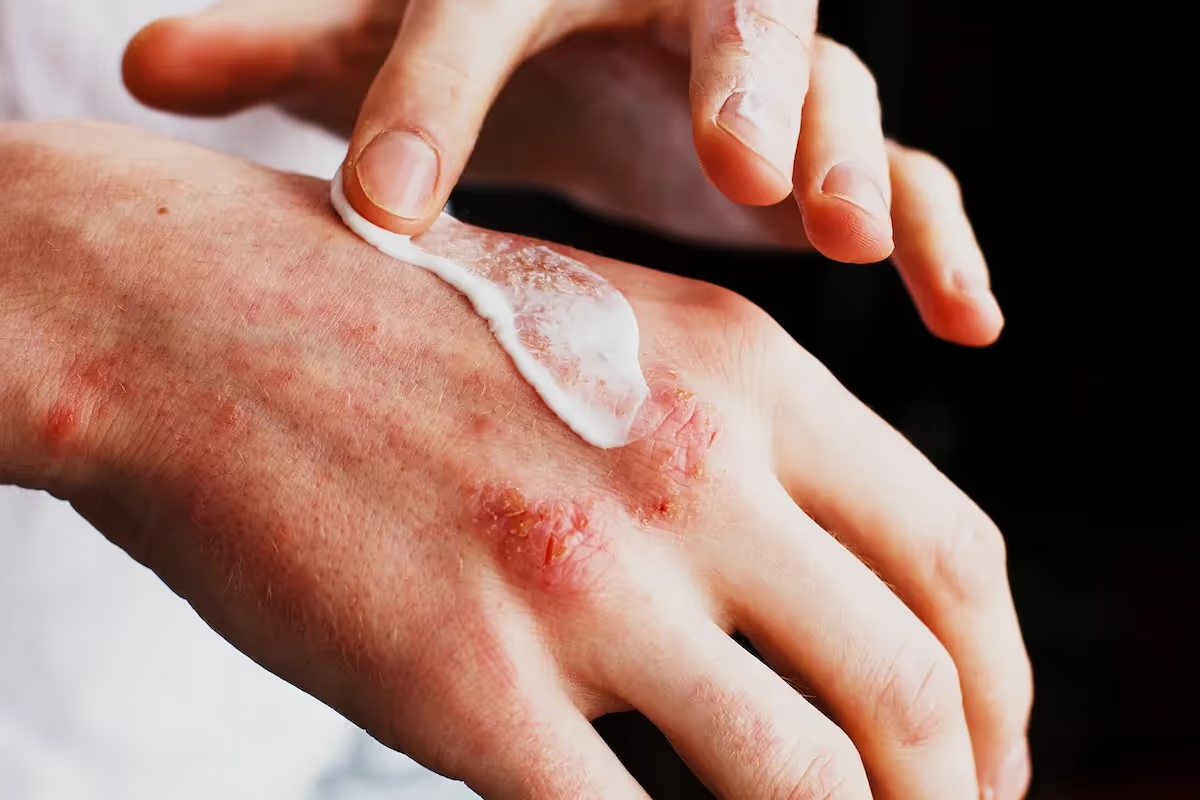
You can optionally apply a cooling gel and a cortisone-containing cream to relieve itching. There are also antibiotics in the form of pills, but these are only prescribed if the sweat pimples become seriously infected.


%20(1).avif)
.avif)


%20(1).avif)
.avif)
.avif)

.avif)
-min.avif)
-min.avif)
-min.avif)
.avif)


.webp)






















.avif)


](https://static.legitscript.com/seals/624359.png)