.webp)



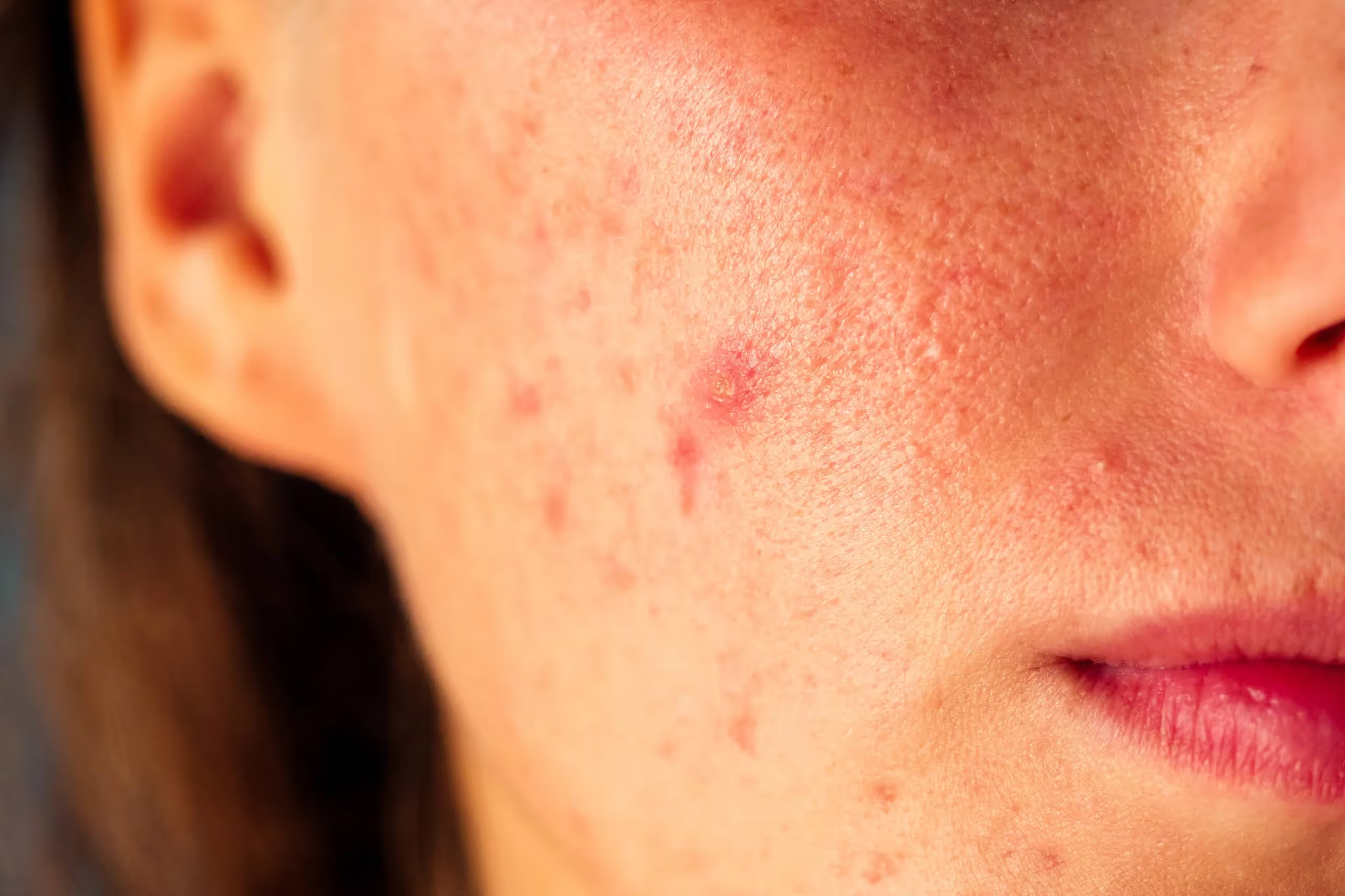
What are inflammatory conditions?
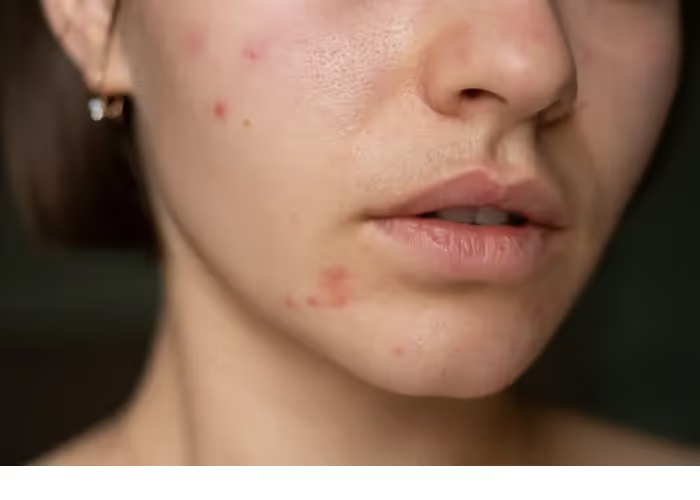
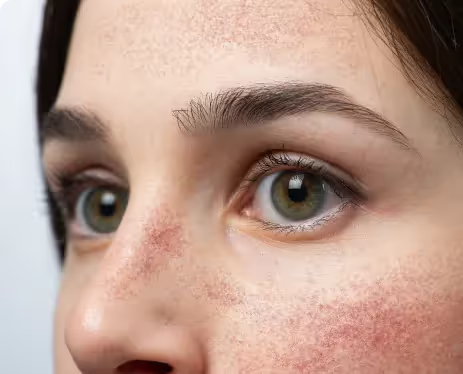
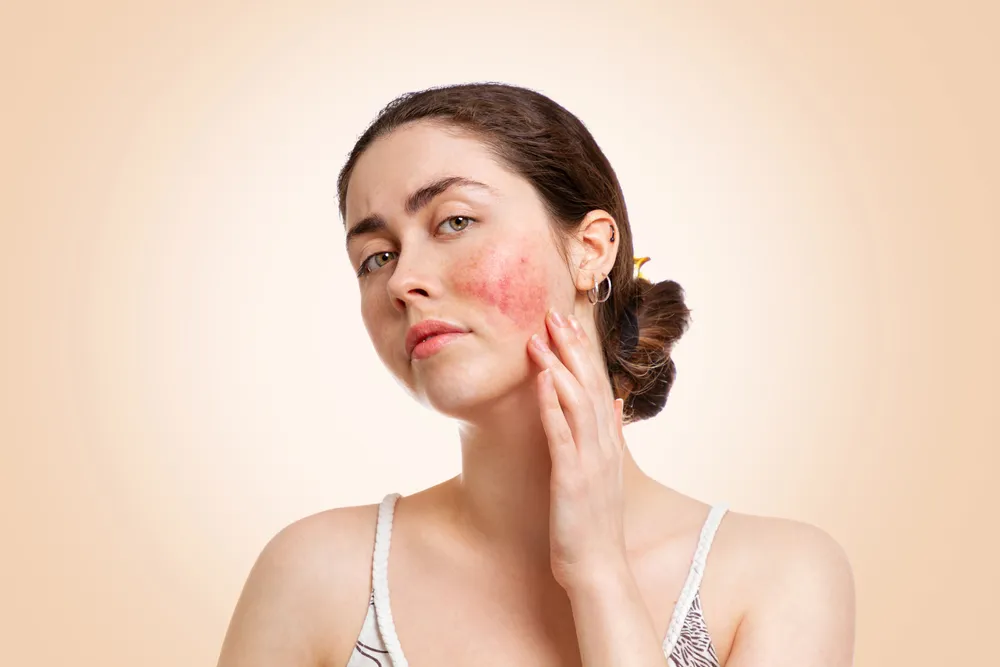
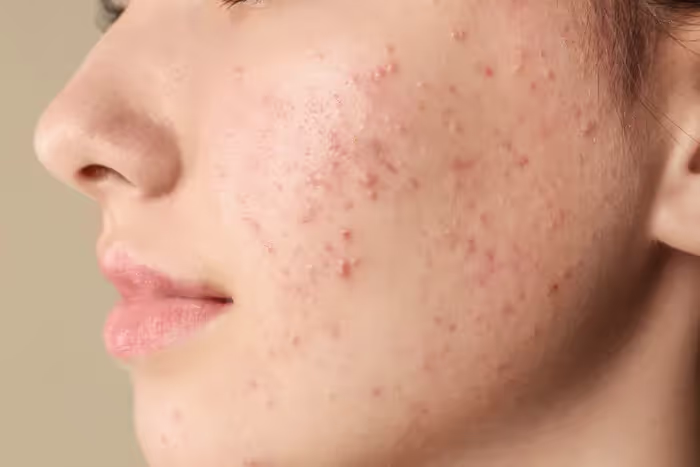
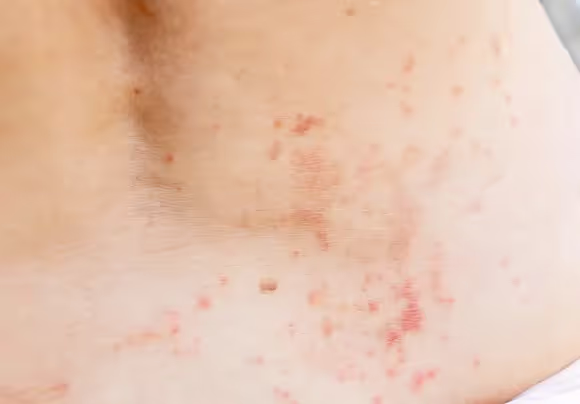
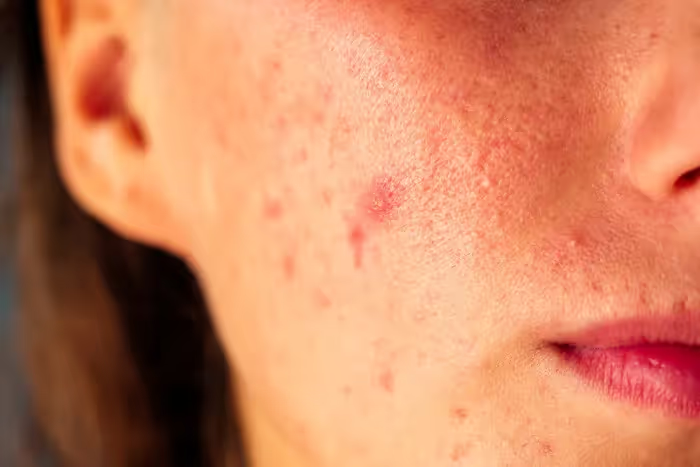
Inflammatory disorders are difficult to detect. Periods of fever alternate with fever-free periods. That is why they are often confused with a bacterial infection, a one-off flu. So nothing wrong. During periods of fever, which can last for several days or even weeks, inflammatory reactions occur. One of these inflammatory reactions is a rash. Itching, peeling, blisters, acne, scabs or mouths are regularly recurring symptoms. The most common types of rash are eczema and psoriasis.
It usually takes years before patients are properly diagnosed with a dermatologist. Nevertheless, it is important this skin disorder quick to detect. A correct one dermatological treatment will prevent or alleviate the symptoms during flare-ups. How can you recognize an inflammatory condition? Among other things, due to a skin reaction.
Acute and chronic eczema
Eczema
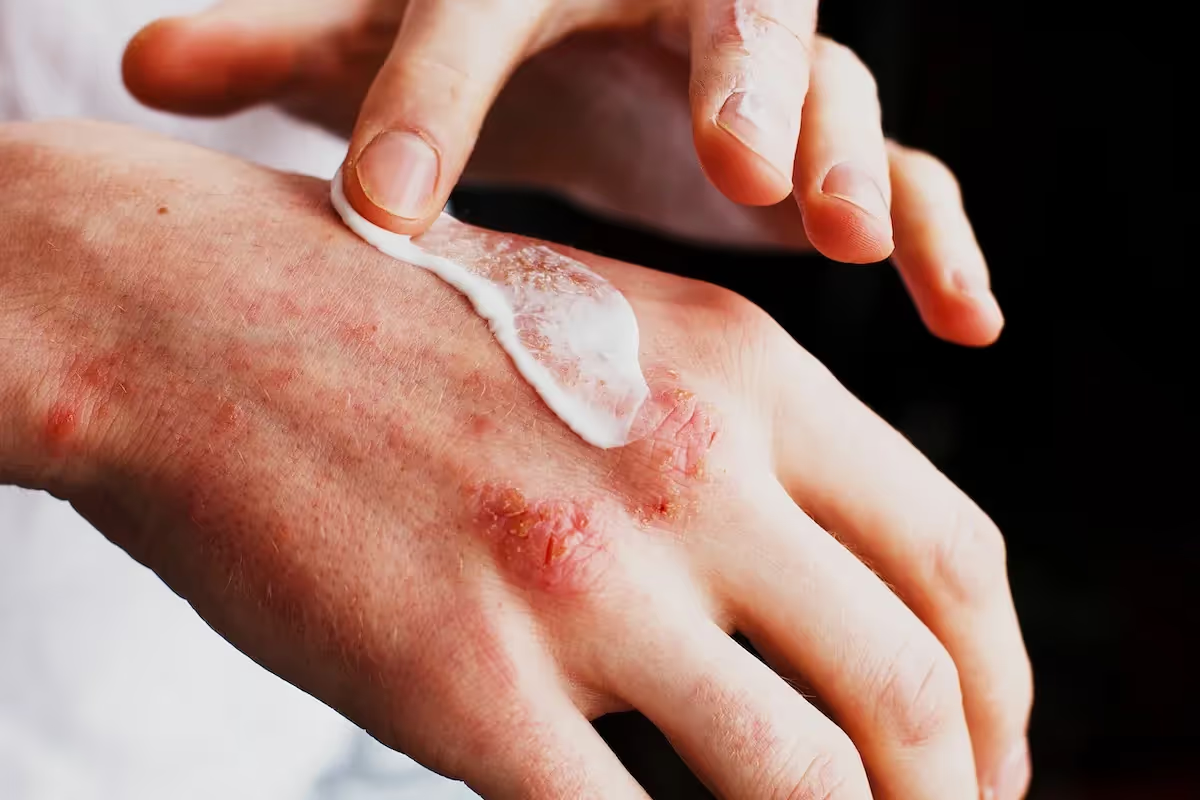
Eczema is the skin condition where the skin is inflamed. Red, scaly patches form that are very itchy. Sometimes bumps and blisters occur. In case of eczema, the natural fat barrier is disrupted, causing the skin to dry out. When the eczema is acute, it has only started and can disappear quickly. If eczema is not treated, chronic eczema can develop. The skin is less red in this phase, peeling increases. Painful fissures may occur. The itch is an annoying additional symptom of eczema. After all, the itching will make you scratch. The wounds and scratching effects not only worsen the itching and pain, but also the eczema. Patients thus end up in a vicious cycle. Dermatologists administer nutrients or vitamins as a treatment. This is often a zinc sulphate.
Psoriasis
If the eczema is chronic, this may indicate the skin condition psoriasis. Here, too, the symptoms are red, scaly patches that itch.
The top layer of the skin is the stratum corneum. This protective layer consists of hard dead skin cells. Bee psoriasis keratinizes the skin faster. Psoriasis can develop at any age, but it mainly affects adults. Many patients who suffer from psoriasis are ashamed of it. For example, they no longer dare to go swimming or go to the hairdresser because others can see the spots.
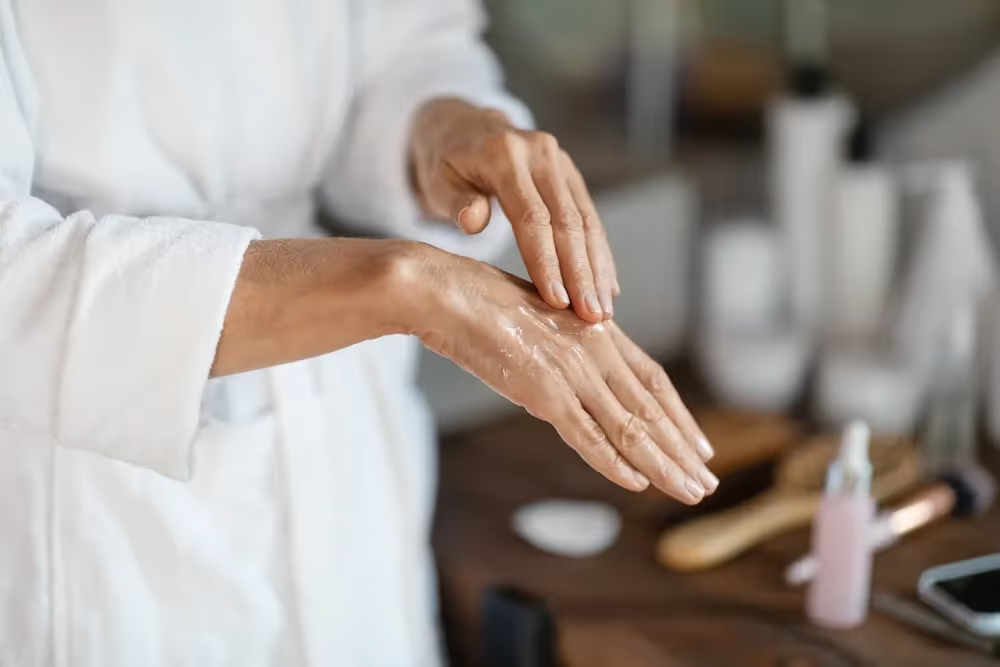
Rubbing the skin with ointment will not make the psoriasis disappear but it can reduce the symptoms. It is advisable to use a neutral, oily cream at least twice a day. There are a variety of ointments on the market. Along with the dermatologist it will be found out which ointment best suits the patient.
Prevent skin inflammation
Sun Exposure or tanning beds and resistance-reducing medications have an impact on the skin. Patients with inflammatory conditions should therefore apply a sunscreen with a minimum factor of 30 before gardening, cycling or walking in the sun, for example. Definitely don't avoid the outside air. Vitamin D does not prevent inflammation. However, avoid highly perfumed care products and household products. Stop smoking and drink little or no alcohol. Stress undermines the immune system. Get plenty of relaxation and a good night's sleep.
Always consult a dermatologist when inflammatory disorders are suspected. He can make the correct diagnosis and initiate appropriate treatment.Via Skindr you can receive advice from a experienced dermatologist.




%20(1).avif)
.avif)


%20(1).avif)
.avif)
.avif)

.avif)


-min.avif)
-min.avif)
-min.avif)

.avif)


.webp)


































.avif)



](https://static.legitscript.com/seals/624359.png)