.webp)



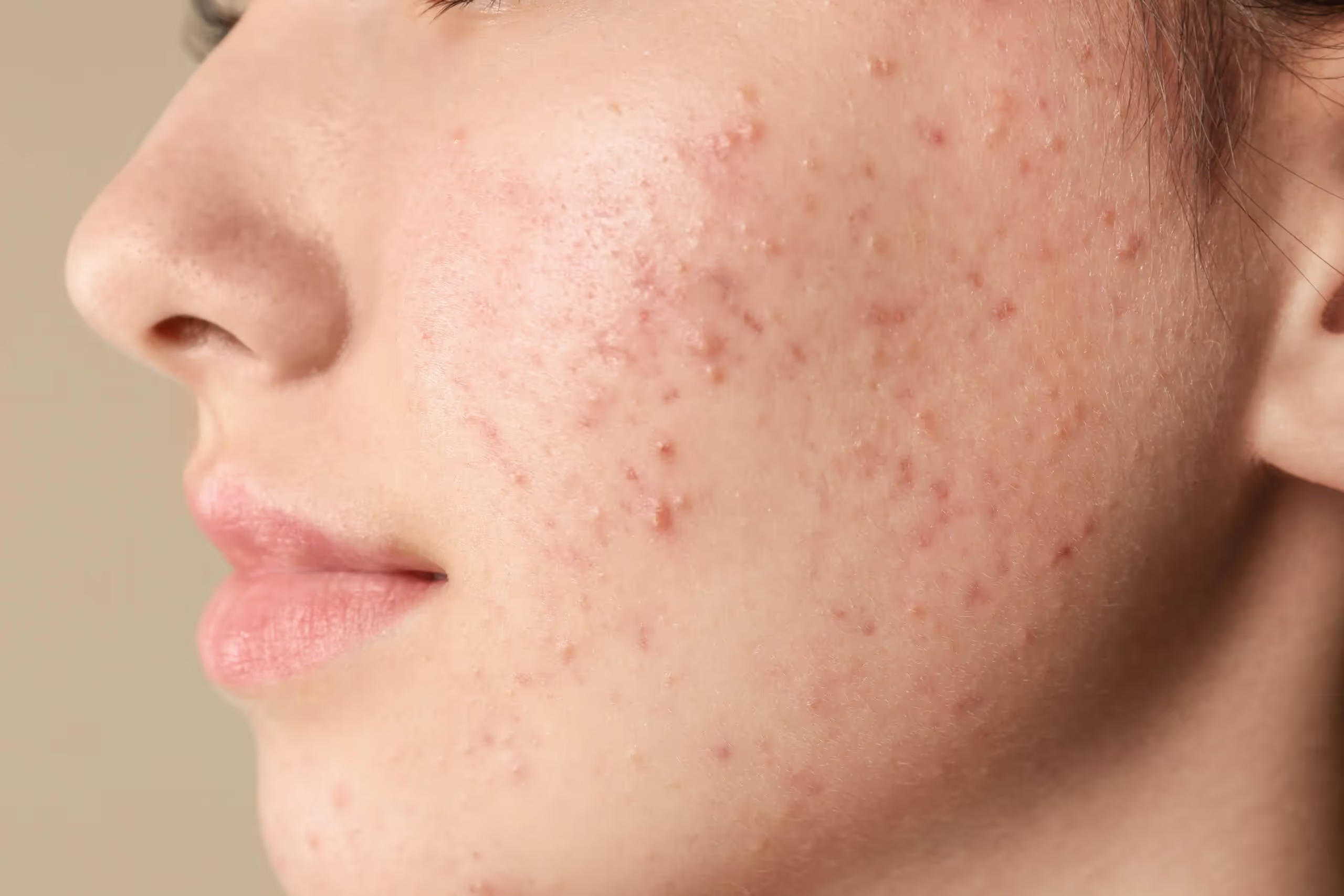
Hormones are the main cause of acne. It is therefore not surprising that most of them suffer from pimples during puberty, before menstruation, during pregnancy, but also much later, during menopause. Hormonal acne therefore appears at different ages, whenever hormonal levels are disturbed. We look at the disorder from our background as dermatologist.
What is Hormonal Acne? How can you treat hormonal acne and what solutions are there? In this article, we'll delve deeper into the causes and some solutions.
What is Hormonal Acne?
Hormonal acne is a type of acne that is caused by a disturbed hormone level.
Causes of Hormonal Acne
Hormonal acne is therefore caused by hormones: that's why it can occur at any stage of life, from adolescent to adult and even during menopause.
Testosterone runs wild during puberty: hormonal acne as a result
Testosterone is mainly known as a male hormone, but a female body also contains testosterone. During puberty, its production increases among both boys and girls. The increase produces more sebum and makes the skin feel oilier: this is how you get juvenile pimples. This oily skin is an ideal breeding ground for pimples. Acne therefore affects 70 percent of adolescents. Fortunately, this is only a temporary phenomenon and acne disappears with age. Some women continue to suffer from pimples. The reason for this is explained in the blog post “Why acne is increasingly common among women after puberty”.
Hormonal acne during menstruation
Acne also occurs when puberty is long over, for example before menstruation. This is because the hormonal balance is disturbed during the menstrual cycle. About a week before menstruation, the production of female hormones, mainly estrogen, decreases. As a result, the amount of progesterone and, from menstruation, also testosterone is too high. Too little estrogen combined with too much progesterone and testosterone promotes sebum production. The skin becomes oilier and pimples appear. When estrogen levels rise again at the beginning of the cycle, the pimples disappear again. So you don't have to go to the dermatologist for these shifts, however, you can use a **dermatological treatment**start for the long term to mitigate flare-ups during your cycle.
Menopausal acne
The body of a menopausal woman undergoes major changes. She often suffers from skin problems as sensitivity, dry skin but also acne. In menopause, the body produces less and less estrogen and progesterone. The skin cells retain less moisture, the skin becomes thinner, dry and often impure. We know that impure skin causes acne, which is why middle-aged women can also suffer from acne.
Acne due to stress: cortisol
Another culprit for hormonal acne: stress. When you are stressed, you produce the stress hormone (also known as cortisol). Because of those high cortisol levels, you will produce more sebum. Of course, it's a platitude to say “lower your stress”, but it will still help you treat your hormonal acne better.
Acne and stopping birth control pills
Birth control pills are often prescribed for women to control acne skin. What is often forgotten when stopping birth control pills is that the hormonal acne then comes back.
When you stop taking the pill, the hormone composition in your body changes, causing you to produce more sebum. So it will take a while before your skin and hormones are nicely balanced again. Will it take longer than a year anyway? Then be sure to go to your dermatologist for help to treat your hormonal acne.
Acne due to pregnancy
Hormonal acne is also caused by the major hormone fluctuations during pregnancy. Around half of the women report that they experience a lot of acne during pregnancy, especially in the first trimester. If you continue to suffer from pregnancy acne for longer, it's a good idea to talk to your dermatologist which acne treatment could be started.
Where does hormonal acne occur? How to recognize?
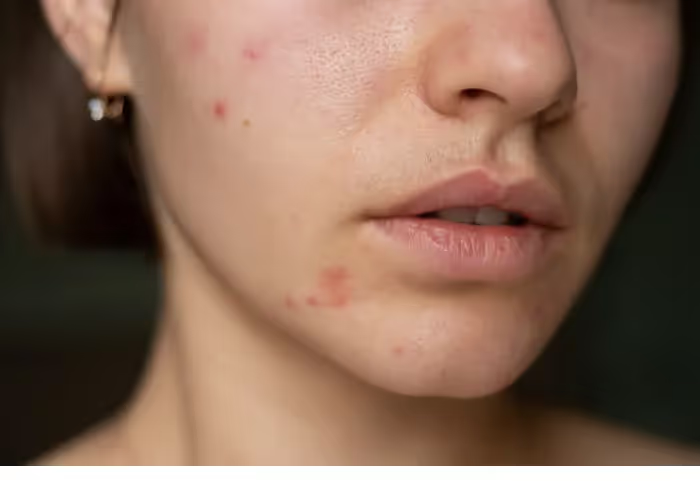
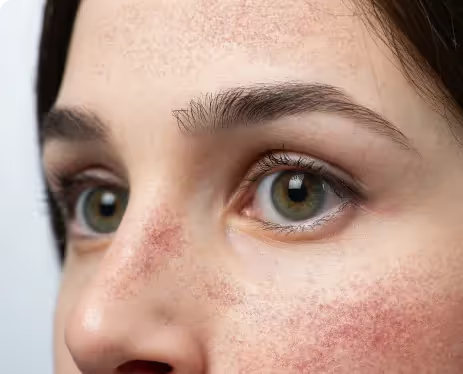
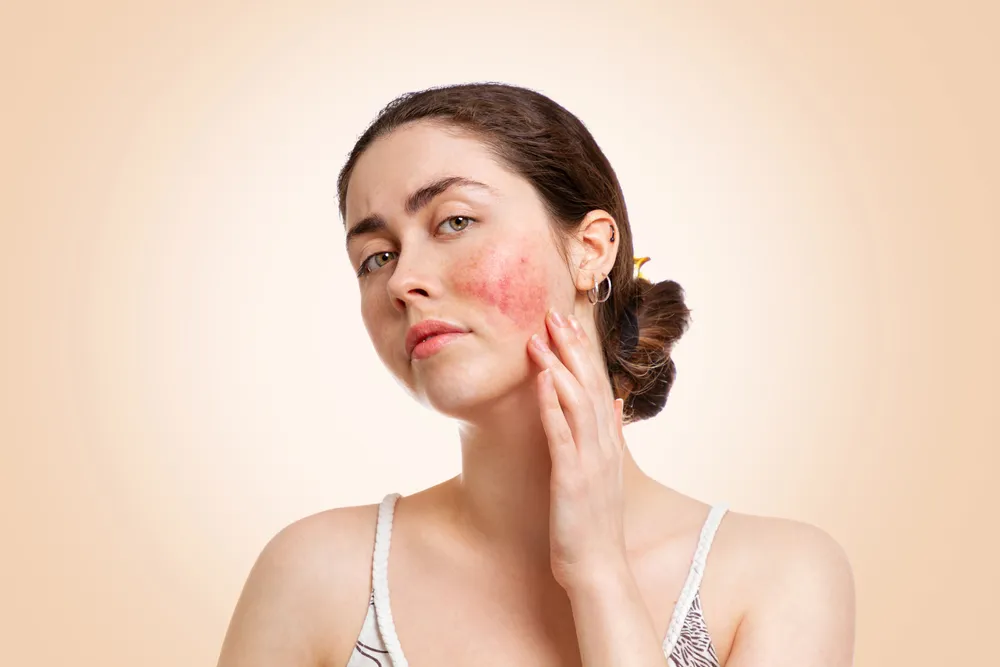
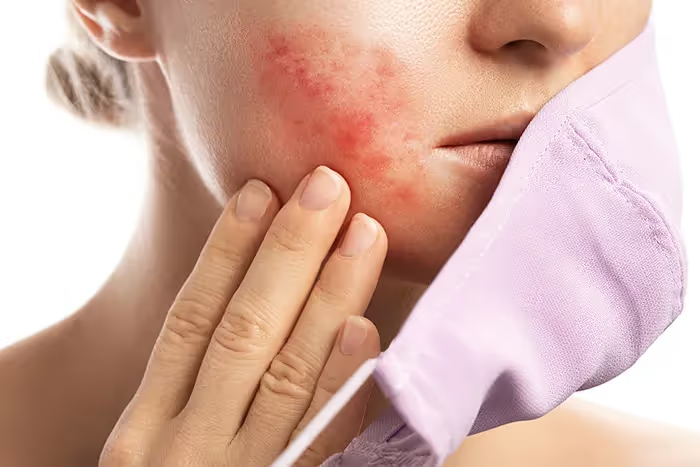
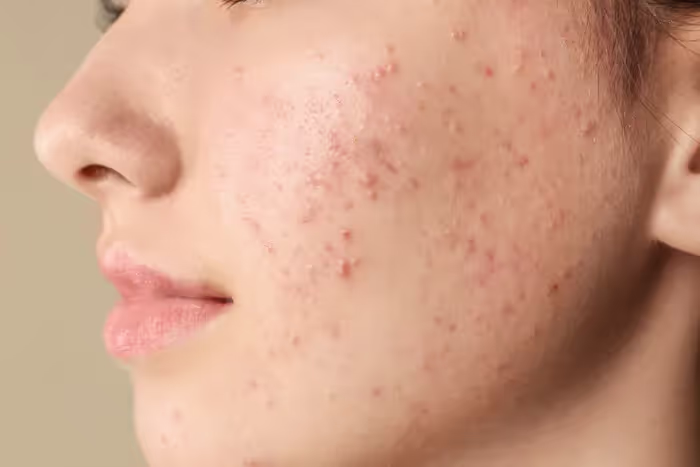
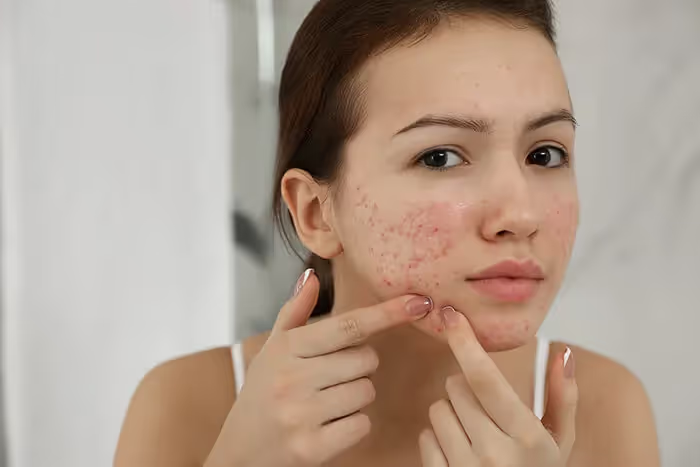
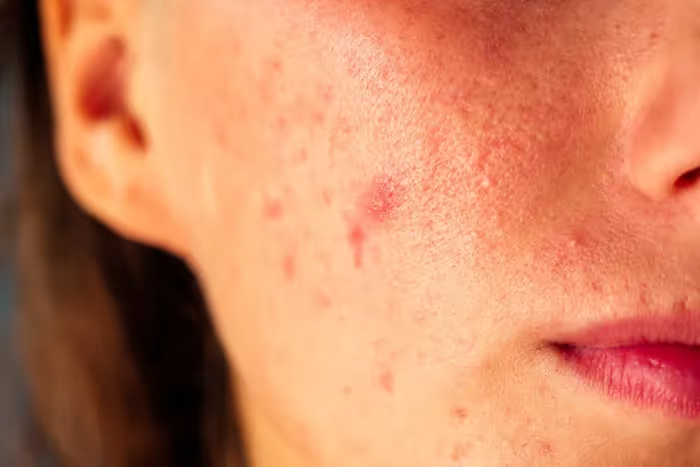
Hormonal acne is very common on the jawline and chin. You often see that hormonal acne looks like white-headed pimples or they can be red bumps or blackheads. The acne is caused by your hormones and therefore needs a different treatment than, for example, the treatment for others. types of acne as cystic acne.
The pimples so they always come back to the same place and they often occur around the same period in your cycle. Often, acne also starts when your hormones are in a turbulent period, such as pregnancy, menstruation or menopause. Also stop taking birth control pills, can promote hormonal acne.
You often also suffer from hormonal acne, even though you haven't changed anything in your skincare routine or makeup routine: are you still using the same products, but are you still seeing new pimples coming up? Chances are that you have hormonal acne.
How to treat hormonal acne?
You know the underlying causes of hormonal acne, but how can hormonal acne be treated?
There are various acne treatments that can help, such as medication, antibiotics, peels, or smear therapy. Which acne treatment is started will be the dermatologist discuss with you. An acne treatment when you are pregnant is of course a slightly different treatment than treating your acne during your period.
Don't hesitate to dermatological advice to win from a skin specialist to also relieve hormonal acne if it appears during menstruation or menopause.
Don't hesitate to dermatological advice to win from a skin specialist to also relieve hormonal acne if it occurs during menstruation or menopause. The dermatologists at Skindr take the time to listen to your story and find out the cause, but aim for quick advice (within 48 hours on average). In addition, you will stay dermatologist by your side: you can contact him or her via the Skindr app also follow up through follow-up consultations and adjust the treatment if necessary.
%20(1).avif)
.avif)


%20(1).avif)
.avif)
.avif)

.avif)

-min.avif)
-min.avif)
-min.avif)
.avif)


.webp)






















.avif)


](https://static.legitscript.com/seals/624359.png)