.webp)



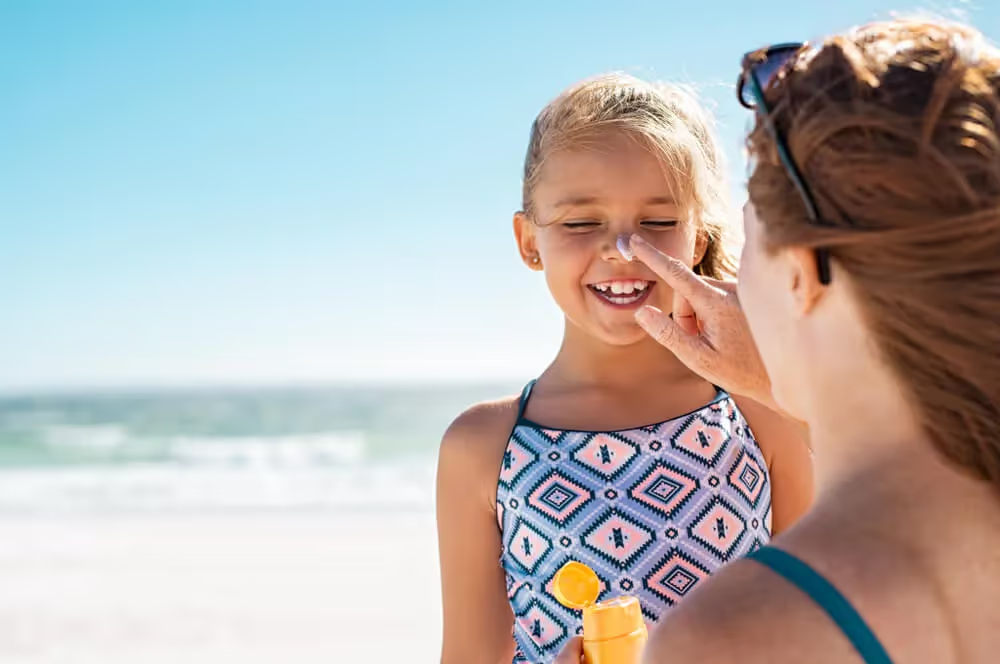
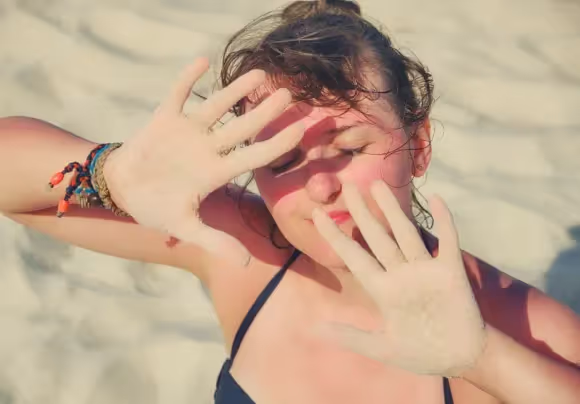
Now that the first real rays of sunshine invite you to host barbecues and spend whole days outside, we are also warned against the harmful effects of too much sun. The sun creams will have a prominent place in pharmacies and supermarkets. Marketing? That bit of sunshine in the usually colder Belgium, can that really hurt? However, no matter how pleasant all that sunlight is, protection is necessary. Not only to prevent burns or wrinkles, but also to prevent skin diseases and cancer. Fortunately, there are several ways to protect yourself from sunlight.
The harmful effects of sunlight
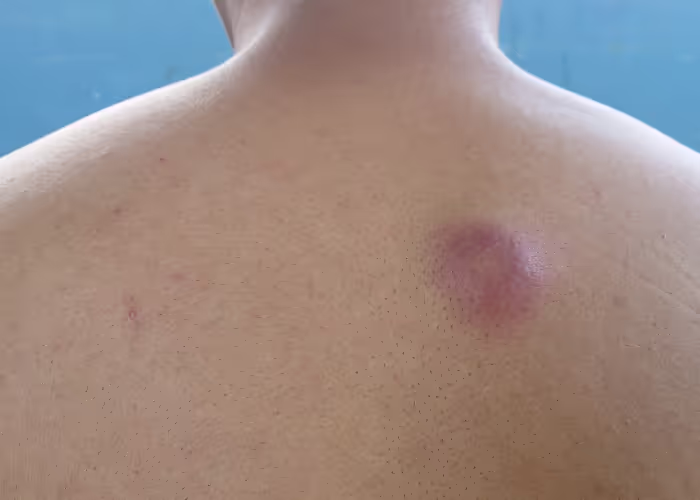
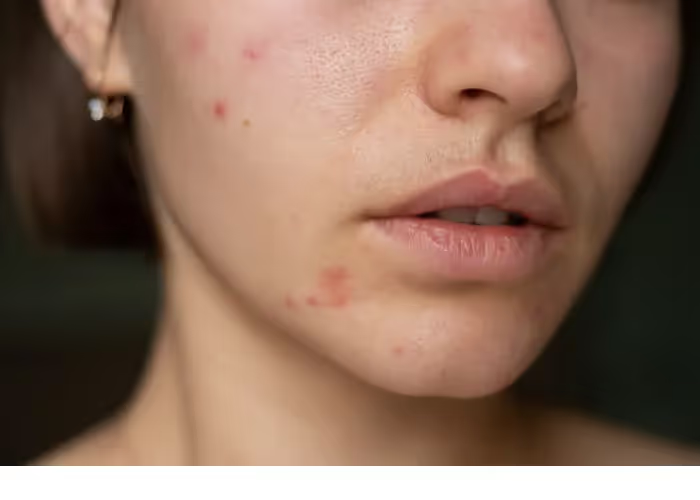
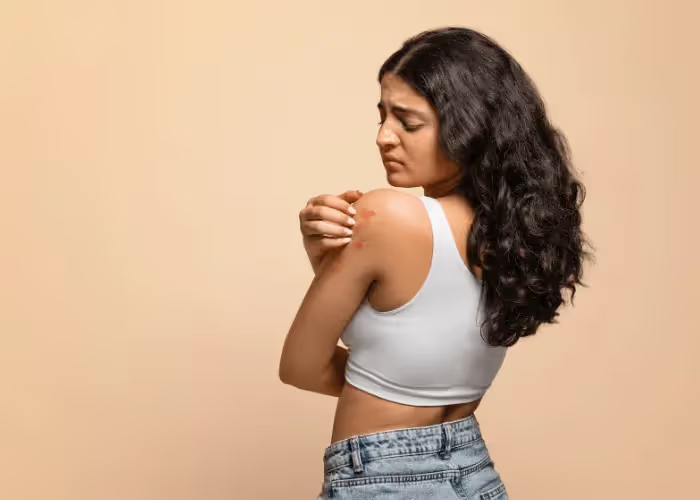
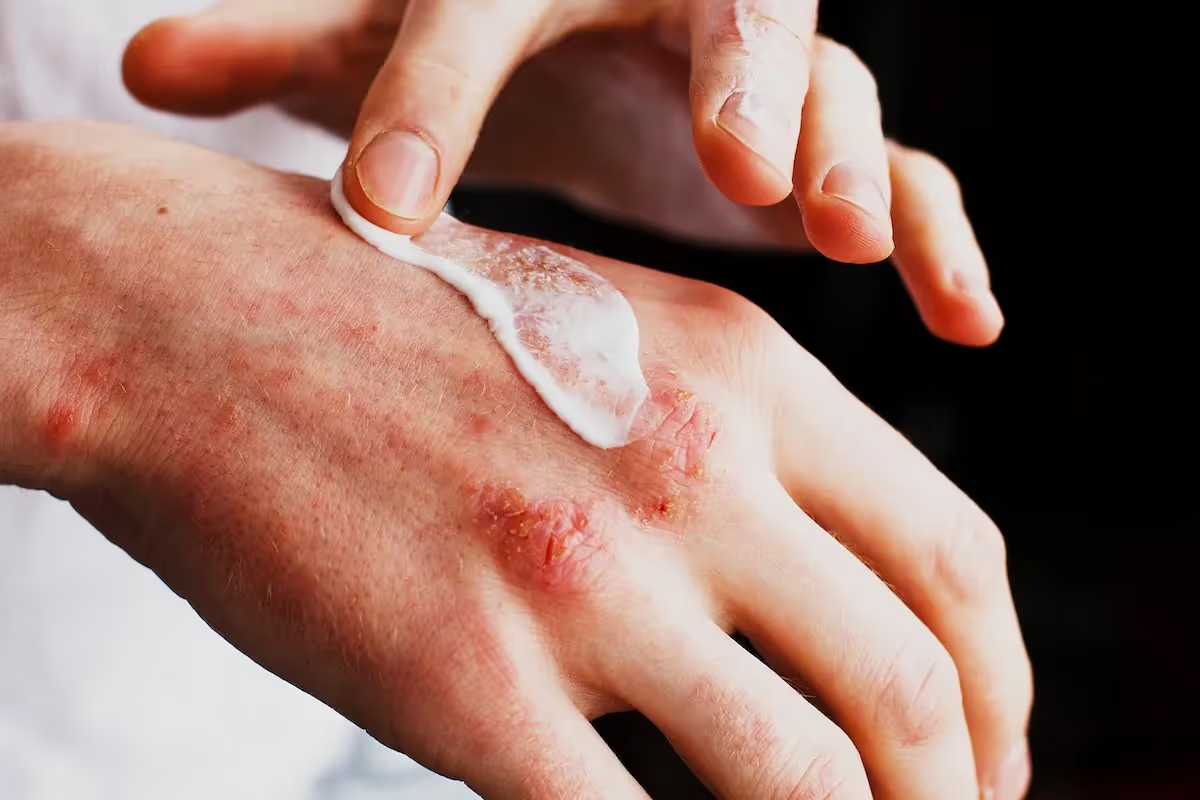
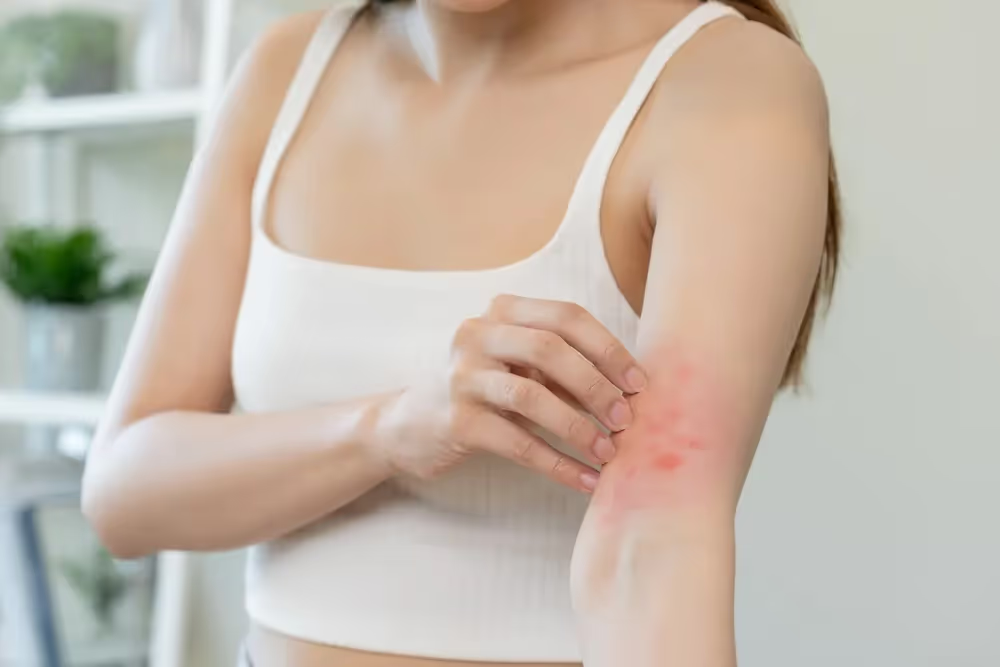
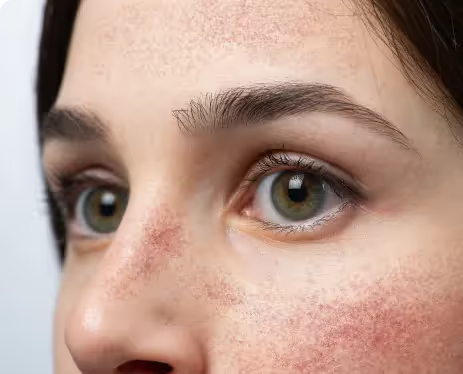
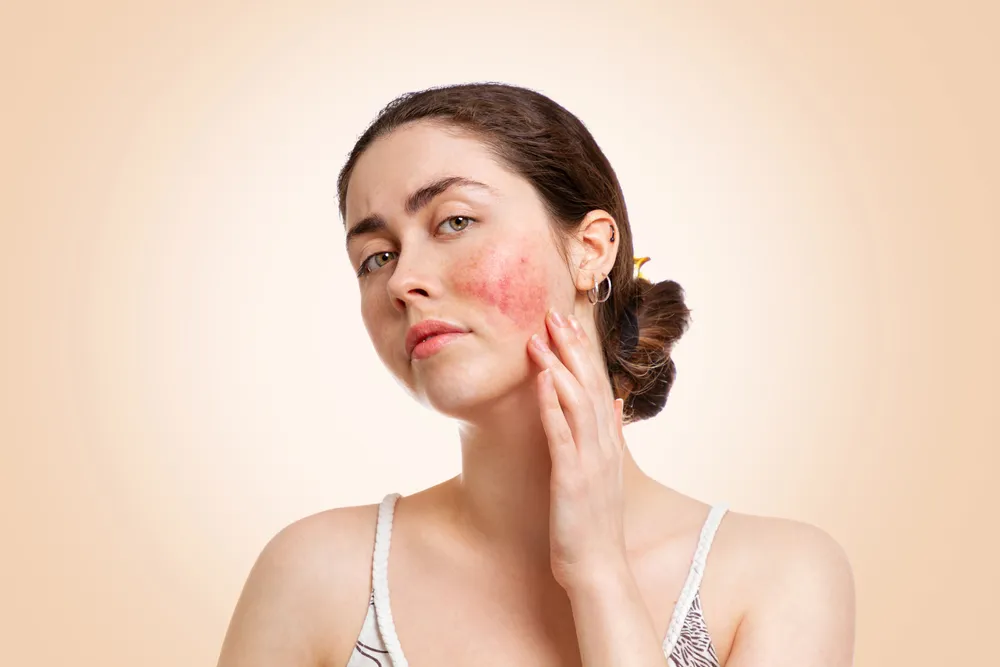
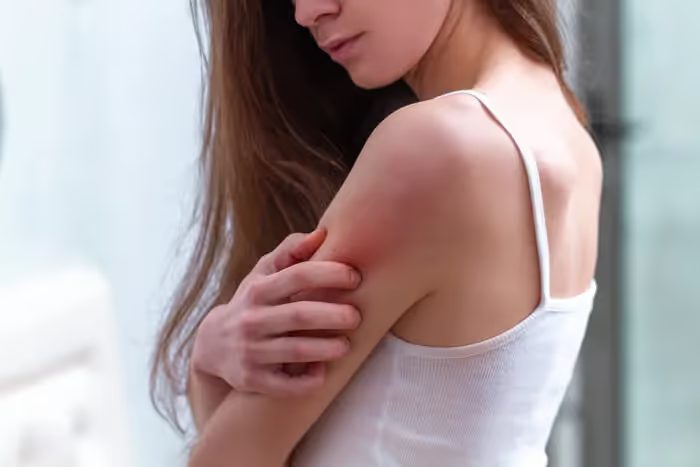
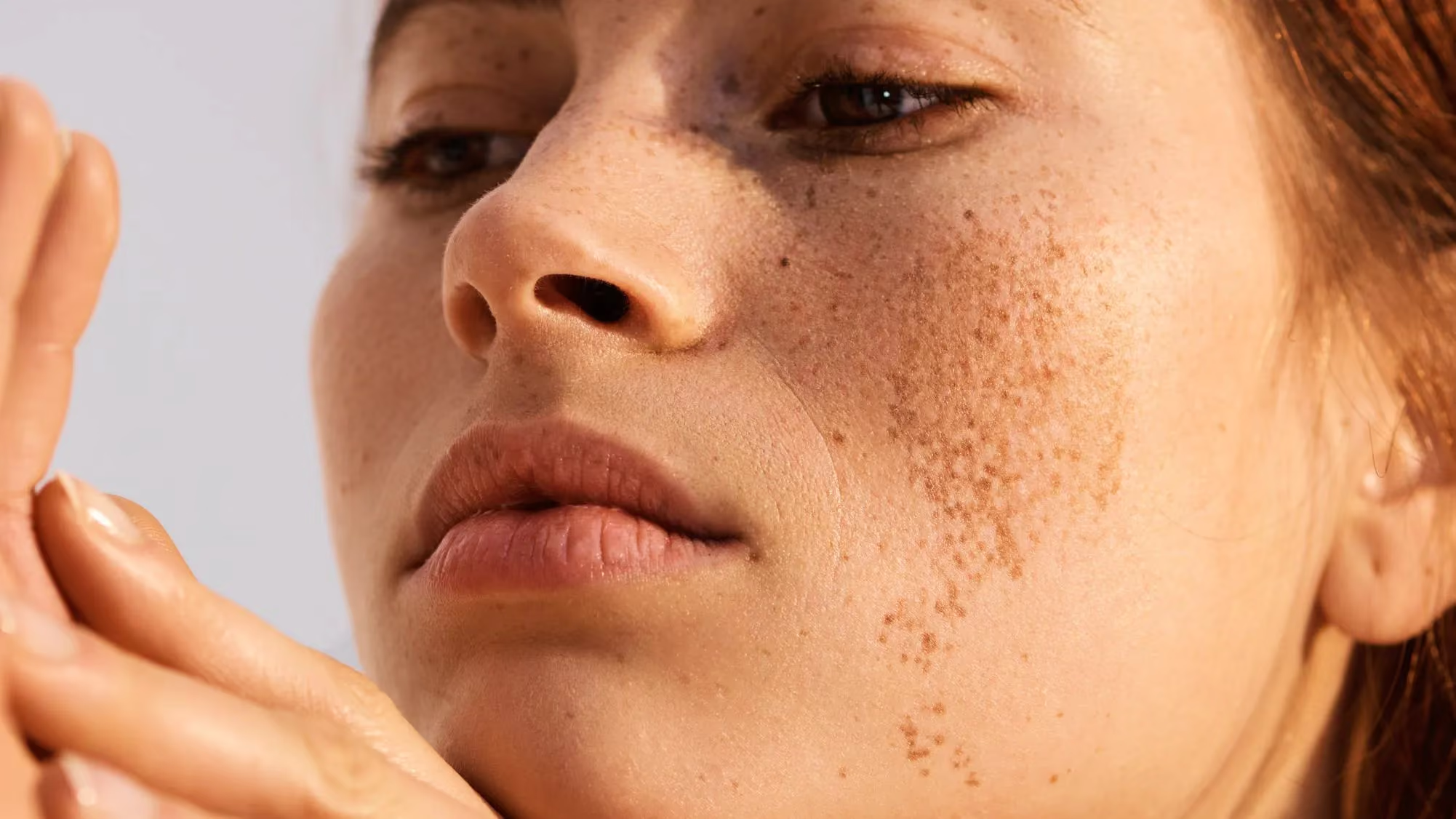
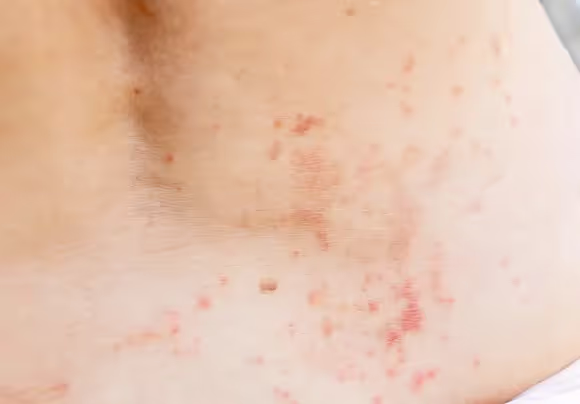
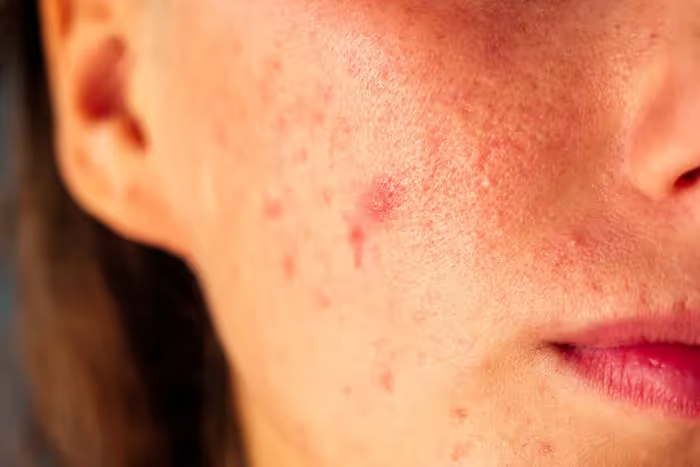
Sun rays can cause serious skin diseases. The harmful effects should not be underestimated. A well-known skin reaction is sun allergy. Red, itchy blisters, bumps, or spots appear on the skin. The symptoms can last up to ten days. Sun allergy can occur at any age, both in men and women. Other skin diseases that occur or are worsened by the sun include lupus and melasma or pregnancy mask.
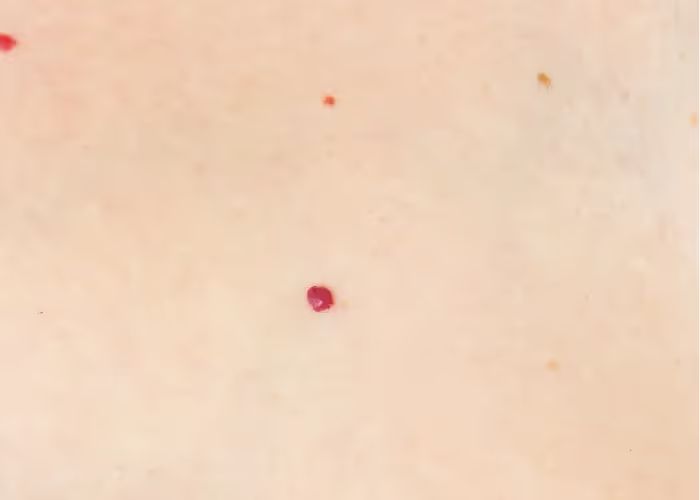
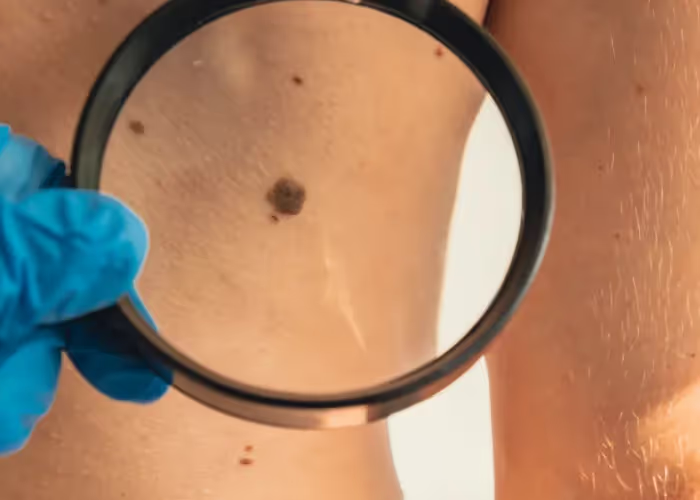
A serious skin disease where too much sunlight is an important factor is skin cancer. The main forms of skin cancer are basal cell carcinoma, squamous cell carcinoma and malignant melanoma. Basal cell carcinoma is the most common. 80% of skin cancer patients suffer from this form. The number of cases is still increasing. The cancer grows locally but does not spread. This form occurs in places that are exposed to sunlight frequently and for a long time.
This also applies to squamous cell carcinoma, with the difference that this form is susceptible to metastasis if the cancer cells are not removed in time. Squamous cell carcinoma affects 10% of patients. You can detect it in time by the rougher, sometimes somewhat red spots that occur on the skin, called actinic keratoses. You sometimes see them on older people or on skin that is often exposed to the sun.
Finally, malignant melanoma is less common but is a serious form with a risk of metastases. The risk of melanoma is higher if the skin has ever been so burned that it caused blisters. That's why it's so important to protect children from the sun. As with other forms of skin cancer, it is curable if you start treatment in time. That's why it's better to check your skin for melanoma once too much than too little.
Different ways to protect yourself from the sun
The best way to protect yourself from the sun is to stay out, especially between 11 a.m. and 3 p.m., when sunlight is most harmful. Remember that sunlight reflects off water, snow, and sand. So protection is also necessary during the ski vacation.
You can protect yourself by wearing appropriate clothing: sunglasses and dark, tightly woven clothing. Dark clothing absorbs light, including UV radiation, unless it is tightly woven. You can check this by holding the garment up to the light. If the sun does not shine through, the fabric offers good protection.
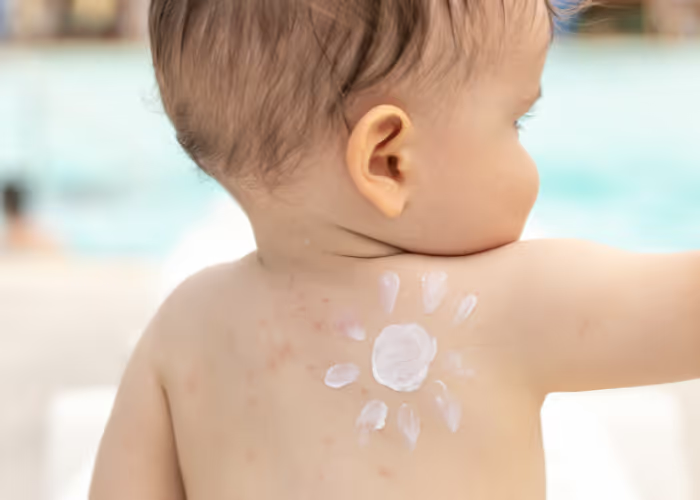
If you are going to be spending a long time in the sun, apply plenty of sunscreen.
What is the function of sunscreen?
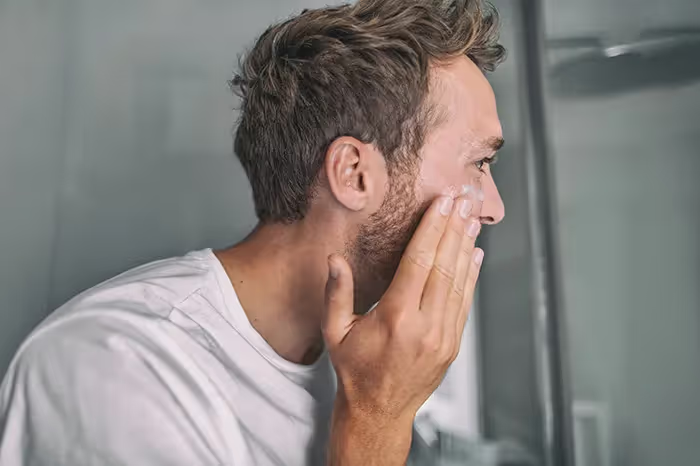
Sun cream contains UV filters that absorb or reflect UV radiation. Lubricate your skin half an hour before going out in the sun. There are several abbreviations on the packaging:
- SPF: Sun Protection Factor. Shows how long someone can stay in the sun without getting burned. If it is 5 minutes without sunscreen and it says SPF 5, you will be able to stay in the sun for 25 minutes with the sunscreen.
- UVA circled: This cream complies with European standards for protection against UVA rays. UVA radiation is radiation that passes through clouds or glass and can also burn you, age and discolor the skin, or cause skin cancer.
- PPD: Persistent Pigment Darkening This indicates how long you can stay in the sun with the sunscreen on and stay protected against UVA radiation. PPD10 therefore stands for 10 times longer than without protection.
- PA+ to PA++++: shows the degree of protection. More pluses indicate a higher degree of protection.
Sun cream protects a broad spectrum of sun rays, including those you don't see or feel immediately.

%20(1).avif)
.avif)


%20(1).avif)
.avif)
.avif)

.avif)
-min.avif)
-min.avif)
-min.avif)
.avif)


.webp)























.avif)


](https://static.legitscript.com/seals/624359.png)