.webp)




Is it useful to do a hormone test for acne?
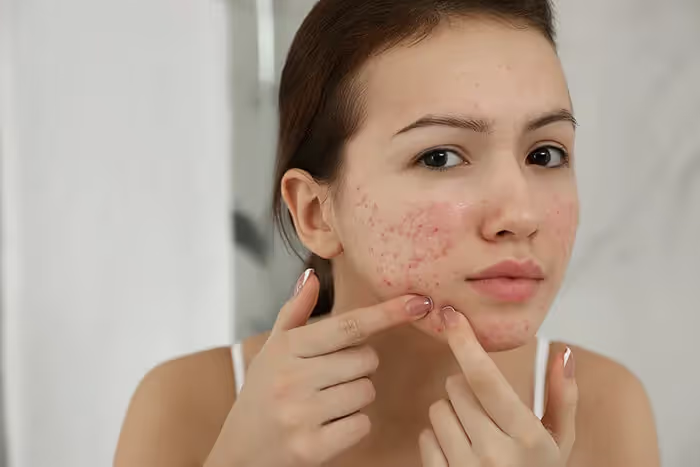
If you suffer from acne, it is very likely that you have already considered the hormonal background of your skin problems. But how do you know for sure if your hormones are actually the culprit? And is performing a hormone test a step in the right direction to tackle your acne? This article discusses the relationship between acne and hormones, what a hormone test involves, its pros and cons, and when it may be helpful.
The connection between acne and hormones
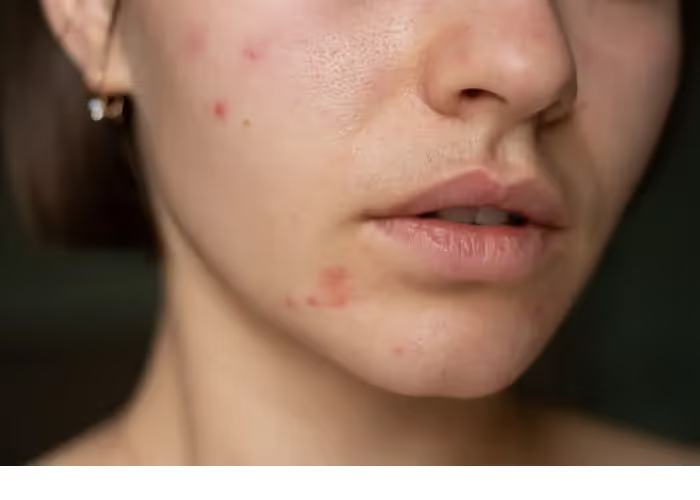
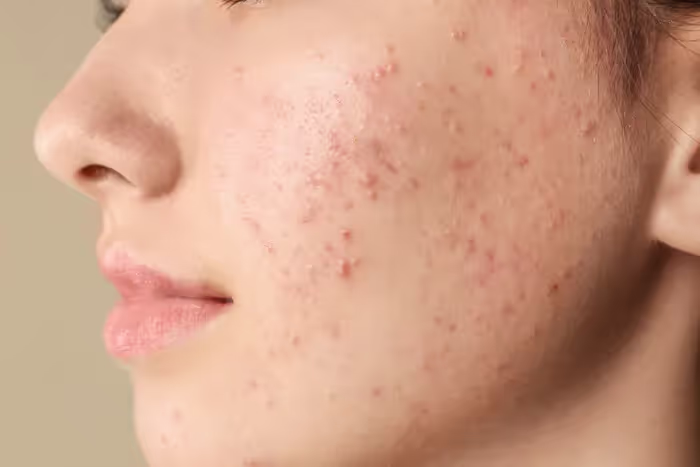
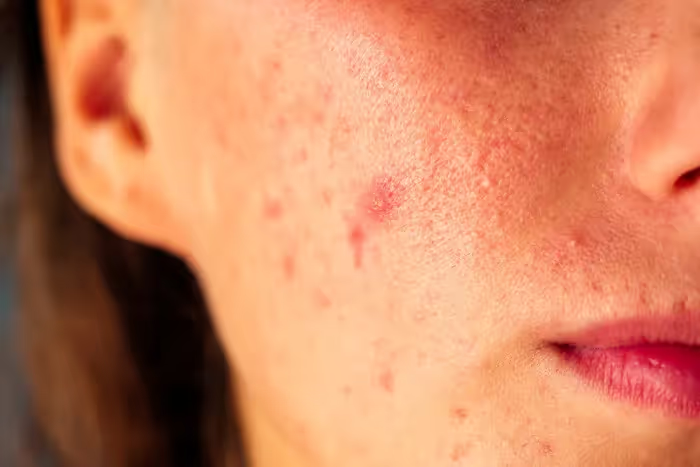
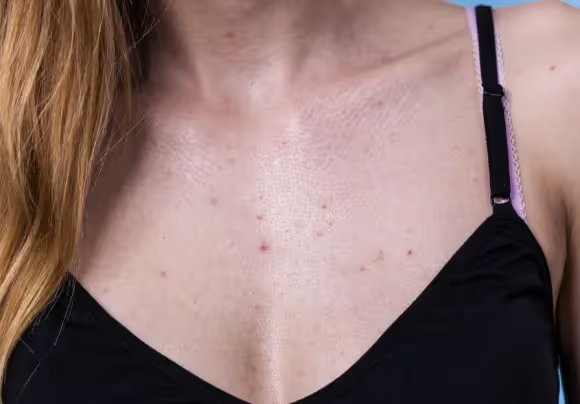
Acne is a skin condition caused by a combination of pore clogging, increased sebum production, bacteria, and inflammation. However, hormones often play an important role in the severity and frequency of acne outbreaks. For example, during puberty, sebum production increases due to the increase in androgens, which can lead to more acne. But adult women also often experience hormonal acne, especially around menstruation, pregnancy or during menopause.
These hormonal fluctuations make acne unpredictable and frustrating, leading many people to wonder if a hormone test is the next logical step.
What is a hormone test?
A hormone test measures the levels of specific hormones in your body, such as testosterone, estrogen, progesterone, and cortisol. This is done via blood or saliva samples that are analyzed in a laboratory. Hormone tests are usually recommended in situations where hormonal imbalances are suspected, such as severe menstrual disorders, fertility problems, overhair, or persistent skin problems such as acne.
The purpose of a hormone test is to identify any fluctuations or imbalances that could explain your health problems.
Hormones and Acne: A Closer Look
Certain hormones can have a direct impact on acne. The most common ones are:
- Testosterone: Elevated levels of this androgen can make the sebaceous glands overactive, leading to clogged pores and pimples.
- Estrogen: Low estrogen levels, especially during the menstrual cycle or menopause, can contribute to skin problems.
- Progesterone: This hormone, which peaks during the second half of the menstrual cycle, causes increased sebum production, which can lead to acne.
- Cortisol: Long-term stress increases cortisol levels, which increases the release of insulin and androgens. This indirectly leads to increased sebum production and acne.
Together, these hormones can cause complex interactions that unbalance the skin.
The benefits of a hormone test
Having a hormone test performed can offer several benefits, including:
- Identifying underlying causes: You will gain insight into which hormones may be over- or under-produced and how this affects your skin.
- Targeted treatment options: Once you know where the hormonal imbalance lies, you can receive specific advice about treatments, such as lifestyle changes, supplementation or medication.
- More control and understanding: Understanding the hormonal processes behind your acne can help you make more informed choices about skin care and general health.
The disadvantages of a hormone test
While hormone tests can be helpful, there are also disadvantages:
- Costs: Hormone tests can be expensive, especially if they are not covered by insurance.
- Limited solutions: A test can show an imbalance, but this does not mean that a solution is available easily or quickly.
- Stress and Uncertainty: It can cause anxiety when results reveal unexpected hormonal issues.
- The values vary and can vary greatly depending on the time of purchase. The collection and interpretation must be done by a specialist in the field.
It's important to consider these drawbacks before deciding to run a test. That is why such a test is only useful if there is a strong suspicion of hormone problems; usually only if, in addition to acne, there are other symptoms as discussed above.
Effective treatments and the role of a hormone test for acne
Treating acne often starts with practical steps, such as:
- Lifestyle changes: A healthy diet, stress management and regular exercise can help balance your skin and hormone levels.
- Skincare routines: Use products with active ingredients such as salicylic acid, retinol, or niacinamide, which regulate sebum production and reduce inflammation.
- Acne treatments: talk to a dermatologist about the options, such as antibiotics, a tablet treatment that significantly reduces sebum production, or hormonal contraception.
While many cases of acne can be successfully treated with these methods, a hormone test can be a valuable addition. This is particularly helpful for persistent or recurrent acne, where hormonal imbalance is suspected to be the cause. A hormone test can provide insight into underlying problems, such as PCOS (Polycystic Ovary Syndrome) or other hormonal disorders, making more targeted treatment possible.
When should you consider a hormone test?
A hormone test can be specifically useful if:
- You have severe or persistent acne that doesn't respond to regular treatments.
- You have symptoms of other hormonal disorders, such as irregular periods, sudden weight gain, or excessive hair growth.
- You want to start a medical plan that is tailored to your unique body.
It is important to know that a hormone test is only useful if there are several complaints that indicate a possible hormonal imbalance. A single complaint without other symptoms is often not a reason for a comprehensive hormonal analysis.
Always consult a doctor or dermatologist before taking a hormone test.
What can you do now?
Acne and hormones are closely linked, but the need for a hormone test depends on your specific situation. For some, diving deeper into their skin concerns may help, while others will benefit from alternative ways to address their skin health.
Remember, there is no one-size-fits-all solution, and expert advice from a doctor or dermatologist is essential. With the right approach, you can optimize your skin health, regardless of whether you decide to perform a hormone test or not.



%20(1).avif)
.avif)


%20(1).avif)
.avif)
.avif)

.avif)


-min.avif)
-min.avif)
-min.avif)

.avif)


.webp)





























.avif)


](https://static.legitscript.com/seals/624359.png)