.webp)




What are the different types of pimples?
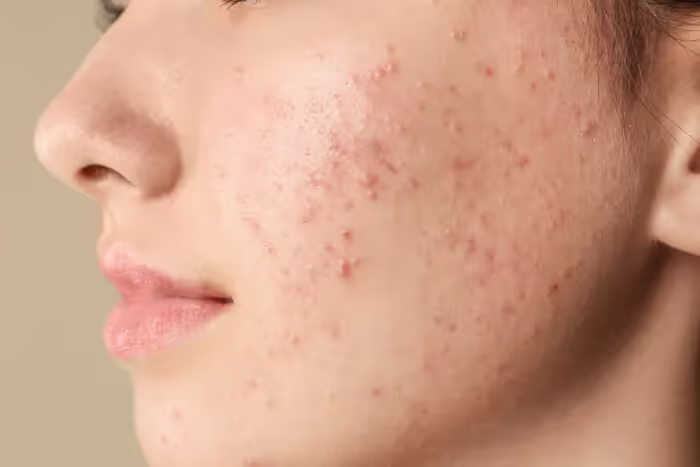
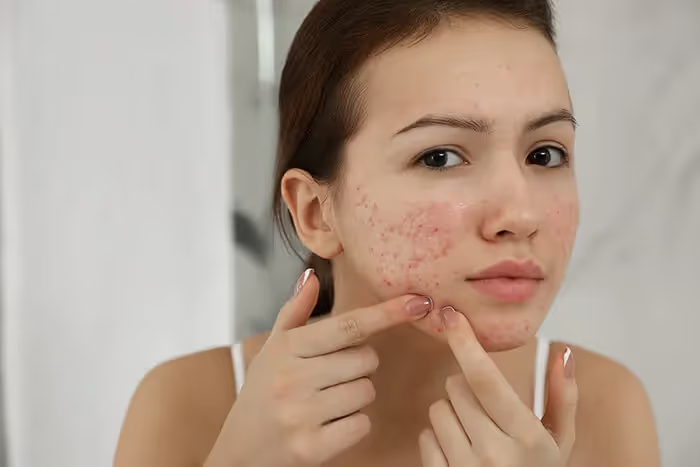
Acne is one of the most common skin problems worldwide, especially among young people and teenagers. It occurs when pores become clogged with sebum, dead skin cells, and bacteria, leading to inflammation and the development of pimples. Factors such as hormonal changes, stress, diet, and genetics often play a role in the development of acne. But not all acne looks the same. There are different types of pimples, including blackheads, whiteheads, papules, pustules, and cysts, each of which has unique characteristics, causes, and treatments. Understanding these differences is important to find the right approach and treat the skin effectively.
Do you want to know what type of acne you experience and how to deal with it? Read on to find out all about the different types of pimples.
Whiteheads (closed comedones)
Whiteheads are small, white bumps that occur when a pore is completely blocked by a buildup of sebum and dead skin cells. These blockages ensure that the pore remains closed, so that there is no contact with oxygen and the contents remain white in color. The distinguishing feature of whiteheads is that they are completely closed, which means it is harder for bacteria to get in compared to other forms of acne, such as pimples or blackheads. Although whiteheads are less likely to become inflamed, they can still be experienced as annoying and contribute to uneven skin appearance, especially if they occur in greater numbers. It's important to use a gentle skincare routine to keep skin clean and prevent future whiteheads.
Features of whiteheads:
- Small, white or skin-coloured bumps.
- No inflammation or redness.
- Often feel rough under the skin.
Treatment tips:
- Use products containing salicylic acid to remove dead skin cells.
- Retinoids help to reopen clogged pores.
- Have a good, non-comedogenic skin care routine.
Blackheads (open comedones)
Blackheads, also known as blackheads, occur when a pore is clogged by a combination of sebum, dead skin cells, and sometimes dirt, but remains open to the outside air. The black color occurs because the sebum and dead skin cells come into contact with oxygen, which causes oxidation. They are common in areas where the skin produces more sebum, such as the nose, chin, and forehead, and can be a common problem among teenagers and adults alike. Despite their harmless nature of blackheads, they are often experienced as cosmetically annoying.
Characteristics of blackheads:
- Dark spots on the skin, often around the nose, chin, and forehead.
- No inflammation or swelling, unlike papules or pustules.
Papules
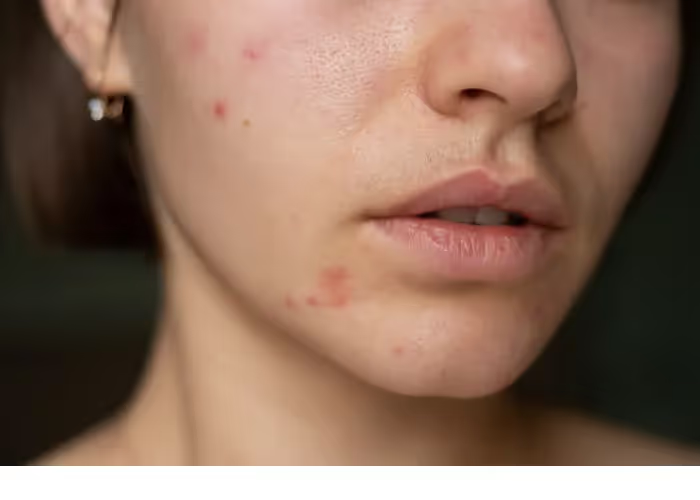
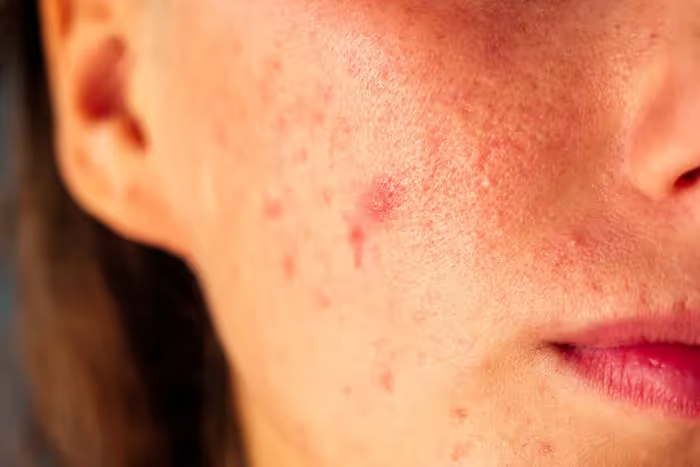
Papules occur when clogged pores become inflamed due to a buildup of sebum, bacteria, and dead skin cells, but contain no visible pus. This process leads to the formation of firm, red or pink bumps that can often feel painful when touched. Unlike white-headed pimples, papules remain closed, which means that there is no external opening from which the contents can escape. They can vary in size and are commonly seen in people with acne, especially in moderate to severe forms of the condition. It is important not to squeeze out papules, as this can increase inflammation and the risk of scarring.
Characteristics of papules:
- Redness and inflammation with no visible pus.
- Sensitivity or pain when touched.
Pustules
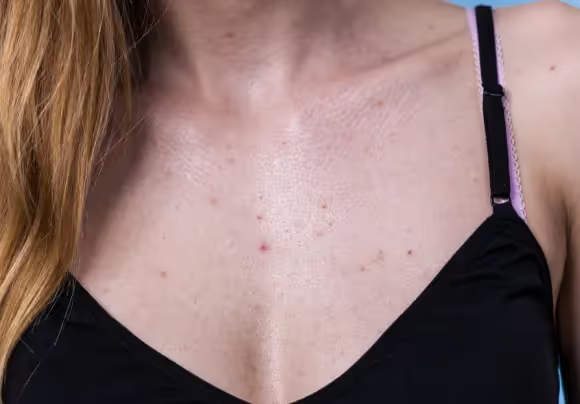
Pustules look like papules but contain white- or yellow-colored pus in the center, which distinguishes them from other types of acne. They occur when pores become clogged by oil, dead skin cells, and bacteria, leading to an inflammatory response. Pustules are what many consider to be “classic acne” and are common on the face, chest, and back. Although they seem harmless at first glance, if treated improperly, they can lead to scarring or further irritation on the skin.
Characteristics of pustules:
- A red base with a visible white or yellow top.
- Often sensitive or painful when touched.
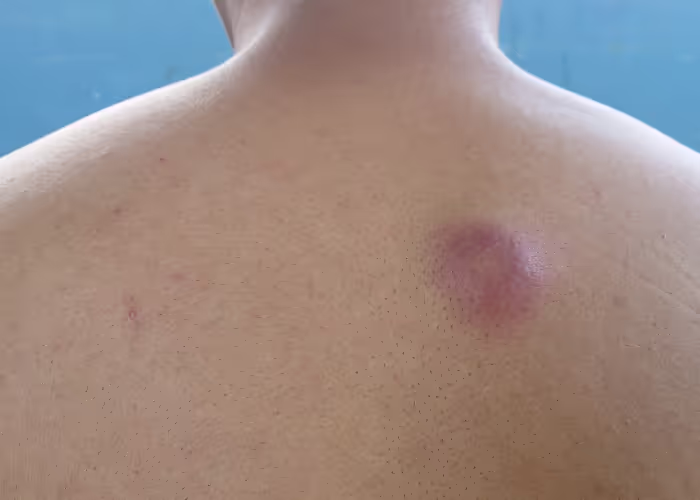
Nodules
Nodules are larger, deep-lying bumps caused by severe skin blockages and inflammations. They form when pores become clogged deep in the skin, leading to an intense inflammatory response. These bumps can persist for long periods of time, sometimes weeks or even months, and are often painful when touched. In some cases, they can leave scars if not treated properly.
Characteristics of nodules:
Large, hard and deep bumps under the skin.
- No visible pus.
- Can stay present for a few weeks.
Cysts
Cysts are more serious forms of acne and occur when the blockage becomes infected deep in the skin. These inflammations often develop as a result of a combination of excess sebum production, dead skin cells, and bacteria that get stuck in the pores. They are filled with pus, often large, red in color and extremely painful. Cystic acne can last for months and, if not treated properly, almost always leaves scars. It's important to seek medical attention for this type of acne because it often doesn't respond to standard acne treatments.
Characteristics of cysts:
- Large, soft lumps of pus deep in the skin.
- Red or purple discoloration.
- Often permanent scars if left untreated.
Prevention tips
While not all blemishes are completely preventable, a good skin care routine can significantly reduce the risk.
How can you prevent pimples?
- Cleanse your skin daily. Use a mild cleanser that does not dry out the skin.
- Hydrate. Opt for an oil-free and non-comedogenic moisturizer.
- Healthy food. Limit foods high in sugar and dairy, which can make acne worse.
- Avoid stress. Chronic stress increases the production of hormones that can cause acne.
- Cosmetics. Use oil-free products and make sure you always remove makeup before bed.
- Sunblock. Always choose sunscreen that is suitable for oily or acne-prone skin.
Seek professional help
Acne can be more than just a cosmetic problem. It can also have an emotional impact, such as decreased self-confidence or stress. If you have severe or persistent pimples, don't hesitate to contact a dermatologist.
Every skin is unique, and what works for one person may not work for another. Professional advice can make just that difference in your treatment plan.

%20(1).avif)
.avif)


%20(1).avif)
.avif)
.avif)

.avif)

-min.avif)
-min.avif)
-min.avif)
.avif)


.webp)
























.avif)


](https://static.legitscript.com/seals/624359.png)