.webp)



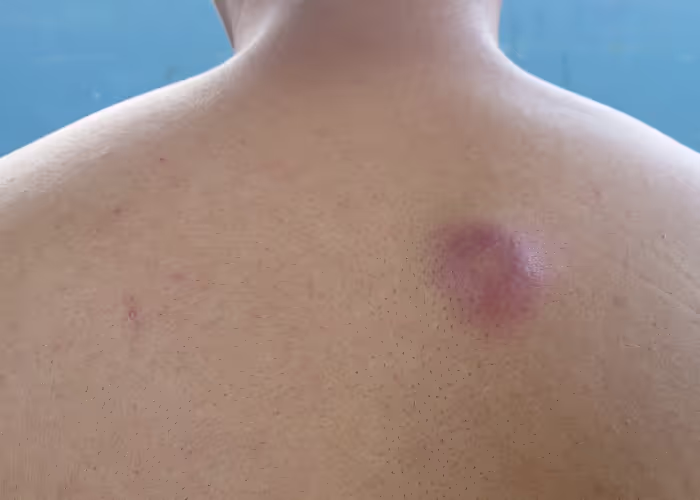
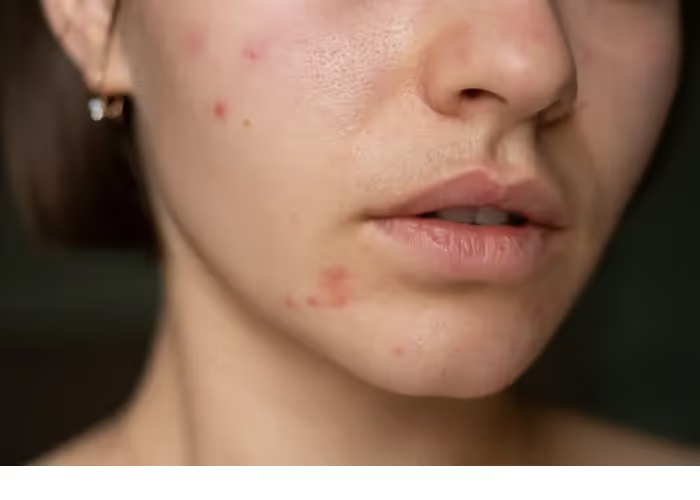
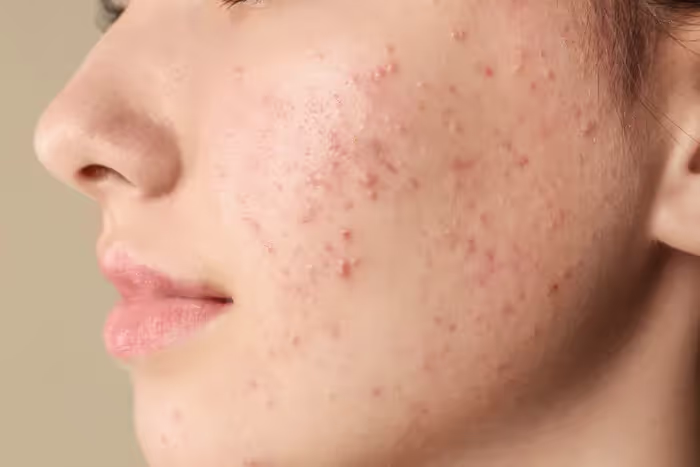
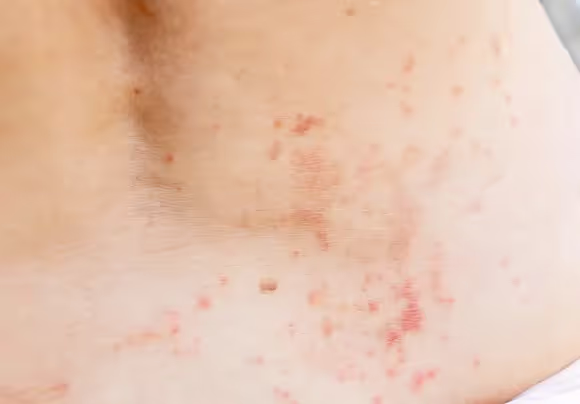
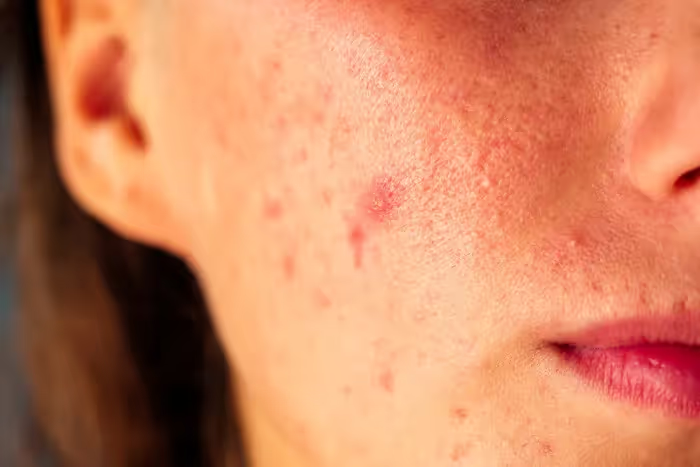
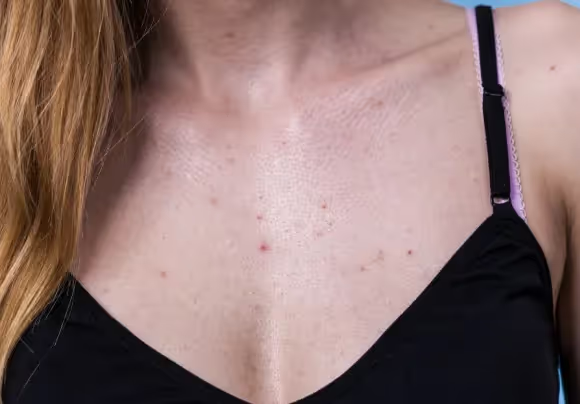
Of the various types of acne that exist, cystic acne is one of the most serious. Maybe this name doesn't ring a bell. That's because it's far less common than the acne that appears in most teenagers or pregnant women. With cystic acne, you not only see gross blackheads but also inflamed pustules and pus heads. Even under the skin, deep and painful inflammations can be felt that can coalesce into an even greater inflammation. Unlike other types of acne, the inflammations are often on the shoulders, back and chest and much less on the face. Dermatological treatment is necessary to avoid scarring.
How does cystic acne occur?
Although during the formation of acne is always related to hormone levels, it is not known why some patients develop this severe form and others do not. It is suspected to have to do with the amount of testosterone in the man's blood. Testosterone is a male hormone. Cystic acne is therefore mainly found in male patients, although there are also women who suffer from it.
What we do know is that dietary supplements cause cystic acne. This concerns nutritional supplements that (mainly male) athletes use when practicing strength training. Therefore, be careful when using protein and creatine supplements. They are not as innocent as they seem and can be heavy acne induce.
Is there a treatment for it?
Fortunately, there is a treatment for cystic acne. More than that, you should not assume that the pustules will disappear by themselves. The treatment is two-part. On the one hand, the advice of a dermatologist necessary, on the other hand, you can acne reduce by adjusting your diet.
The dermatologist will this type of acne treat with medication. One possible treatment consists of capsules that significantly reduce sebum production; you take them during or just after a meal for 4 to 6 months. If the acne has not reduced yet, the treatment can be restarted after a break of 2 months.
Protein shakes and other dietary supplements that can trigger acne are out of the question and you will have to stop using them immediately if you want to get rid of cystic acne.
What should you definitely not do?
Squeeze out cystic acne
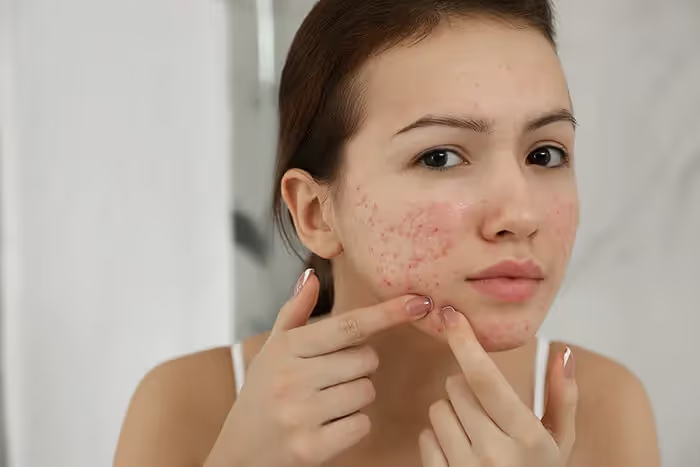
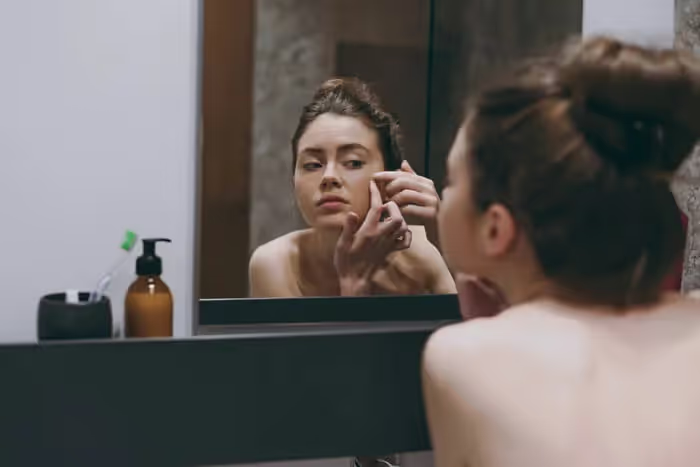
Although the temptation is often to push the cystic pustules out, this is just about the worst thing you can do. Whether you push a pimple out with your fingers or tweezers, it's both equally bad. After all, when you push, you not only push the sebum (the pus in the pimple) out, but you also push in. In this way, new subcutaneous inflammations occur, which increases the risk of scarring. A golden rule for acne: stay away from it as much as possible. Squeezing out cystic acne: definitely not do it!
Cystic acne: creams, skincare and makeup
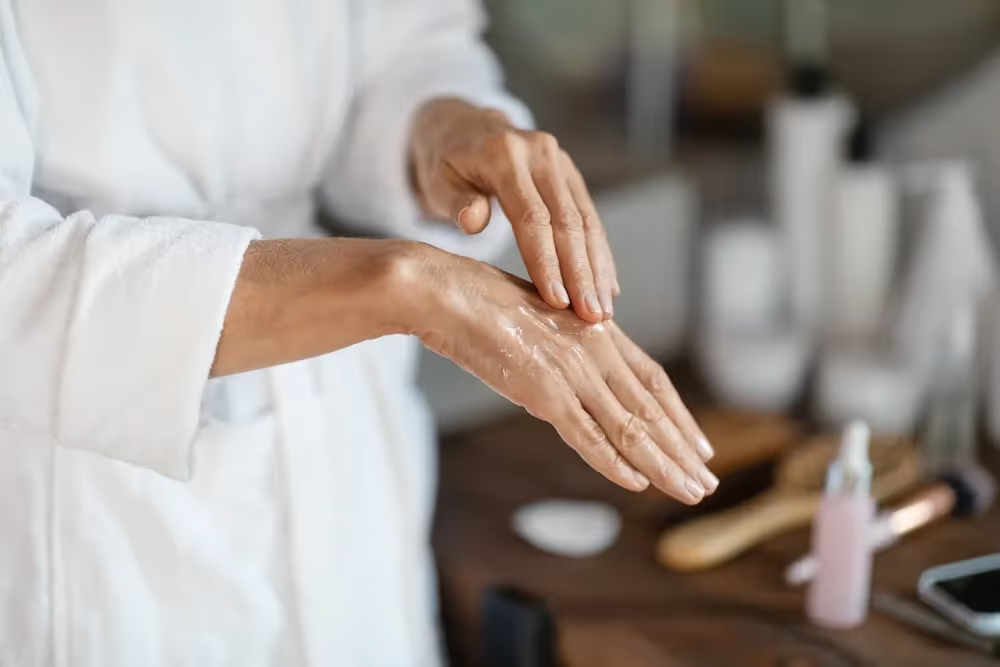
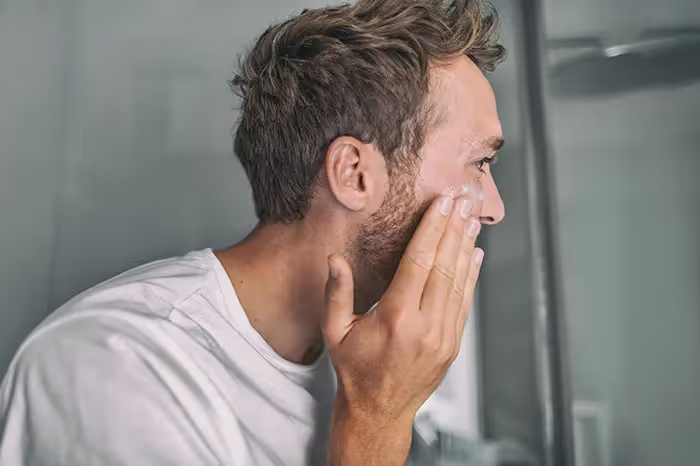
What also doesn't work is applying creams thoughtlessly. Especially when it comes to perfumed care products, there are quite a few creams that do more harm than good if you have acne. For acne, use care products and makeup without comedogenic effects. These won't make the acne worse.
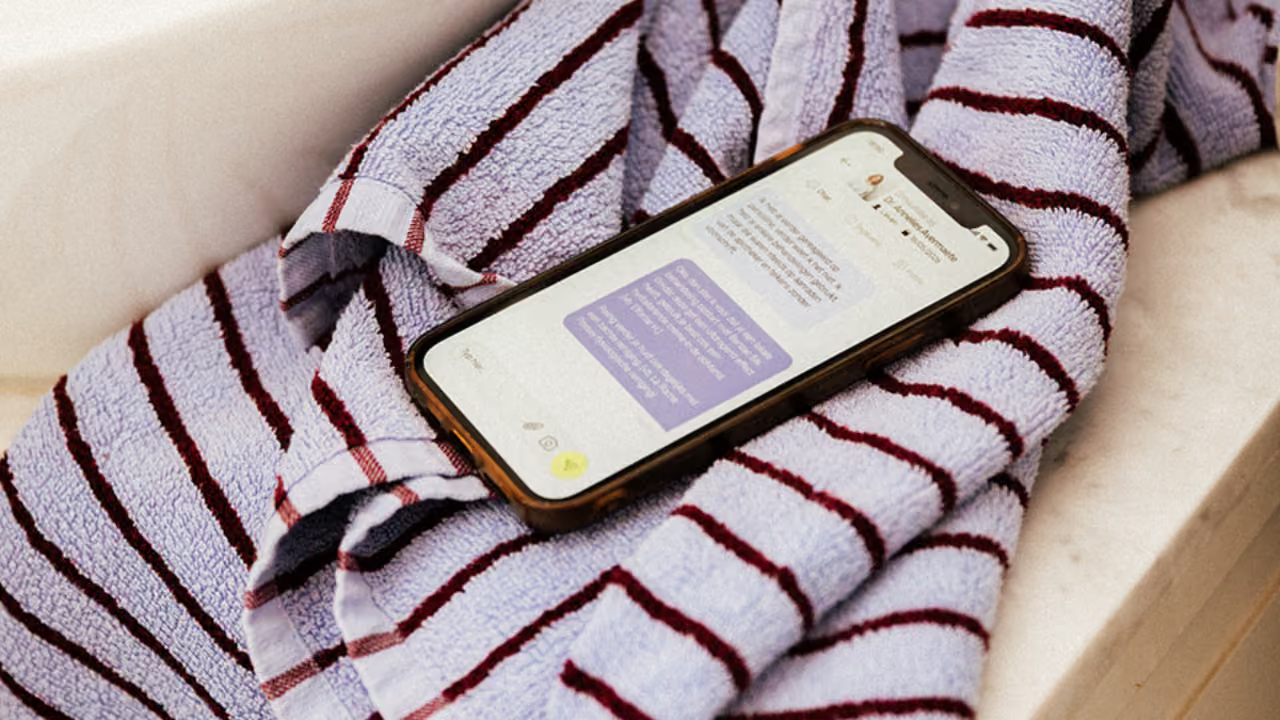
Do you want to quickly start a personalized treatment plan under the guidance of an experienced dermatologist? The dermatologists at Skindr take the time to listen to your story and find out the cause, but aim for quick advice (within 48 hours). This way, you can start working on solutions within two days. You dermatologist you can via the Skindr app also follow up through follow-up consultations and adjust the treatment if necessary.


%20(1).avif)
.avif)


%20(1).avif)
.avif)
.avif)

.avif)


-min.avif)
-min.avif)
-min.avif)

.avif)


.webp)





























.avif)


](https://static.legitscript.com/seals/624359.png)