.webp)



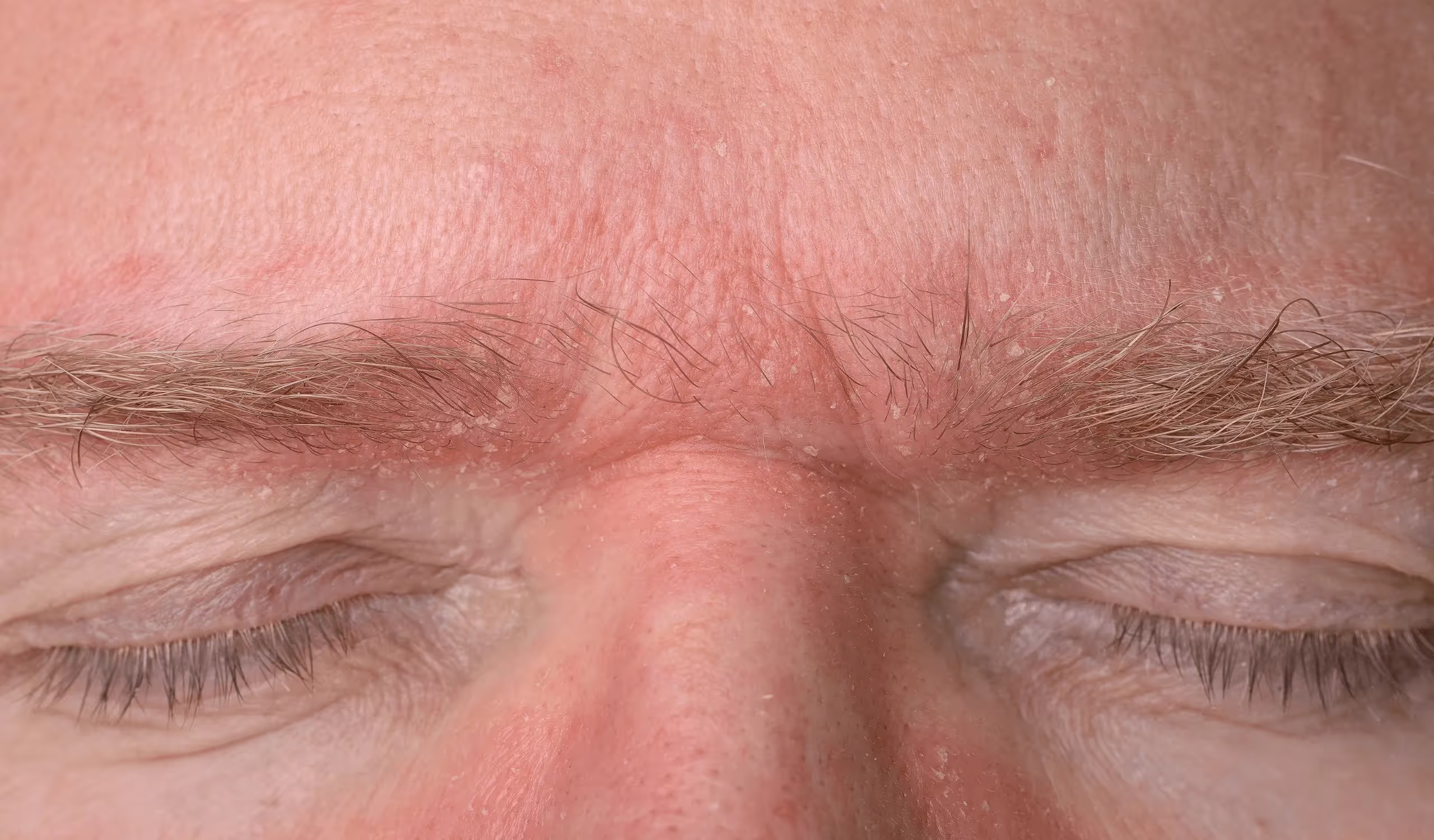
Seborrhoic eczema is a common skin condition that causes frustration and discomfort for many. This chronic, inflammation-related disorder often occurs on skin where sebaceous glands are active, such as the face and scalp. Although harmless, seborrhoeic eczema can significantly affect your self-confidence and be a nuisance in daily life.
If you're wondering exactly what seborrhoeic eczema is, what symptoms are associated with it, and how to treat or prevent it, you're in the right place. Here you get a comprehensive guide that explains all relevant aspects of this disorder.
Symptoms of Seborrhoic Eczema
How can you recognize seborrhoeic eczema? The symptoms are quite characteristic, but may vary in intensity. Here are the most common signs:
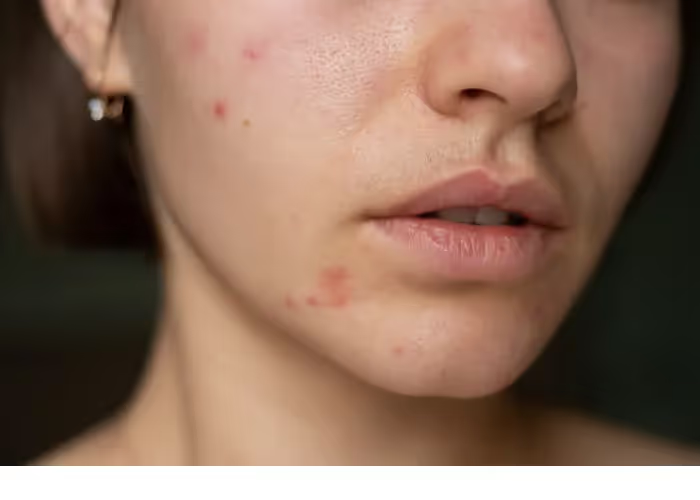
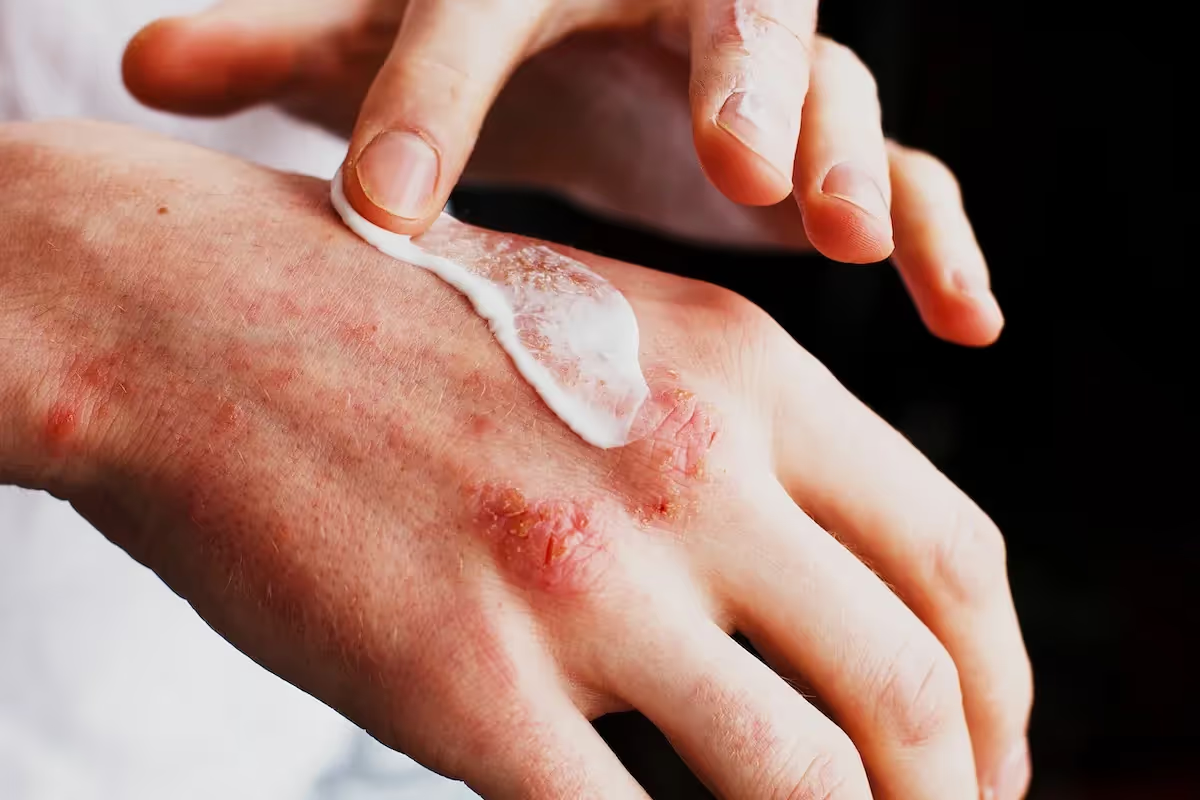
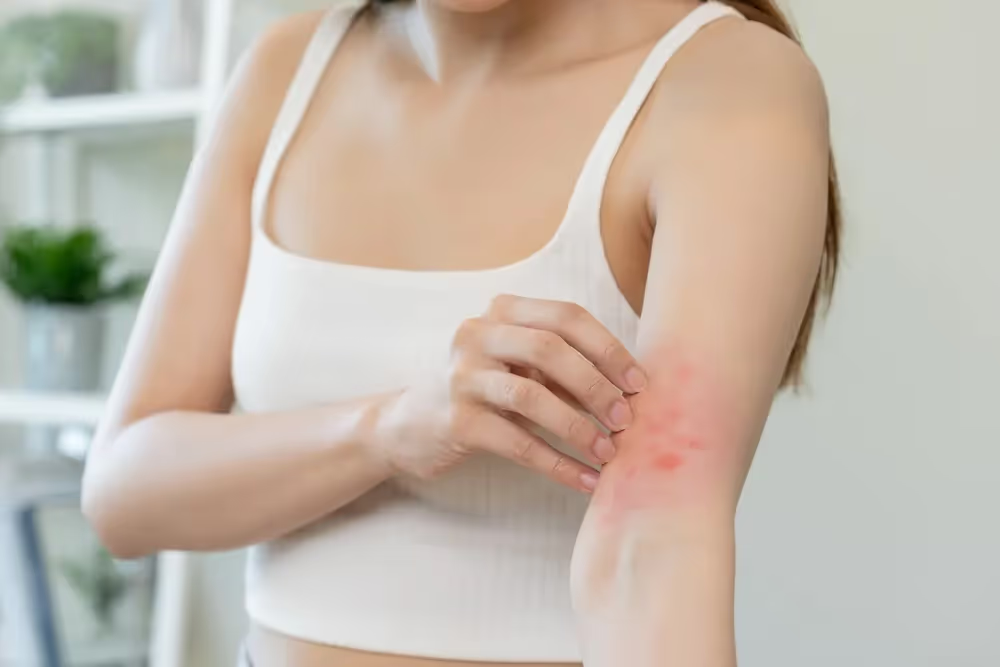
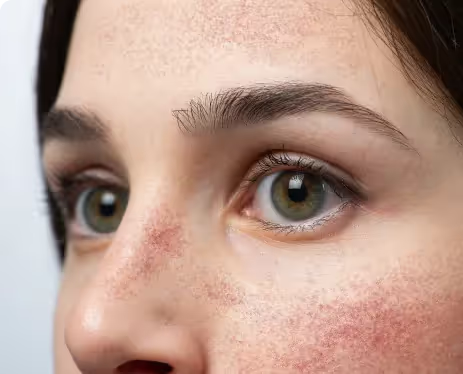
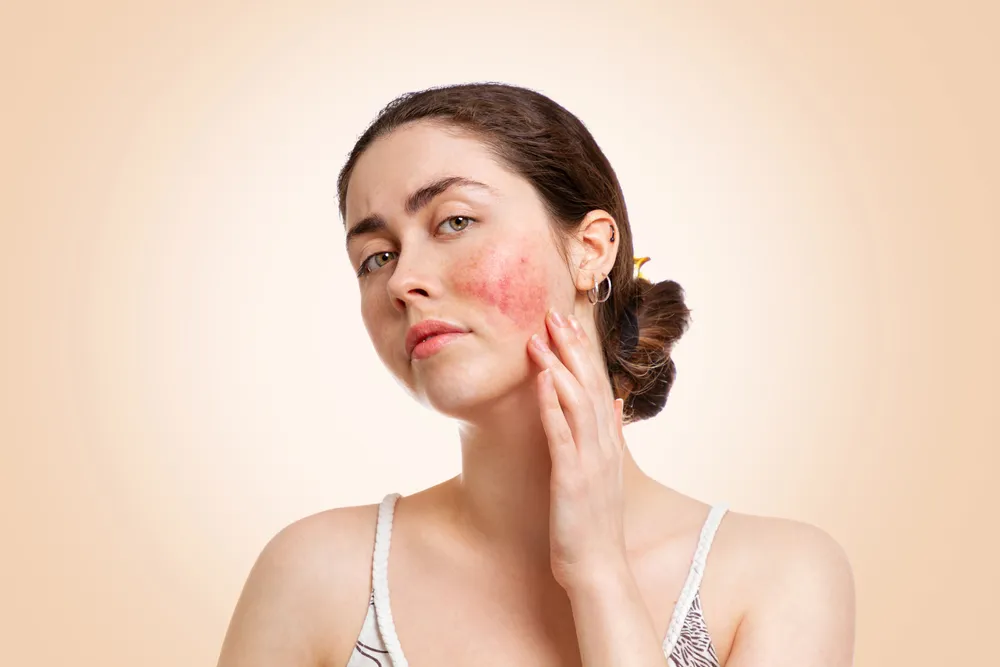
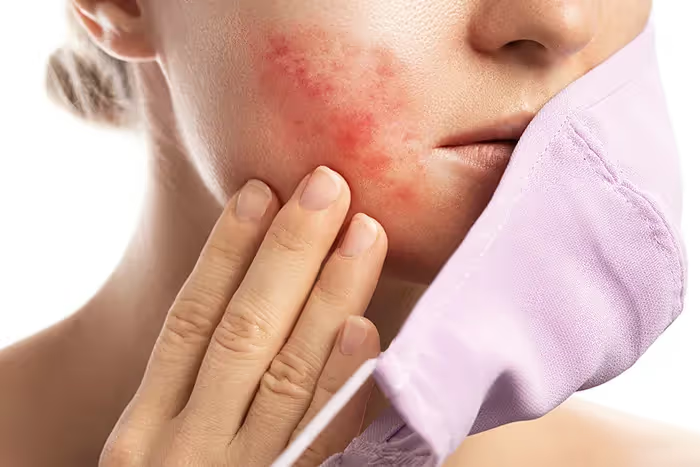
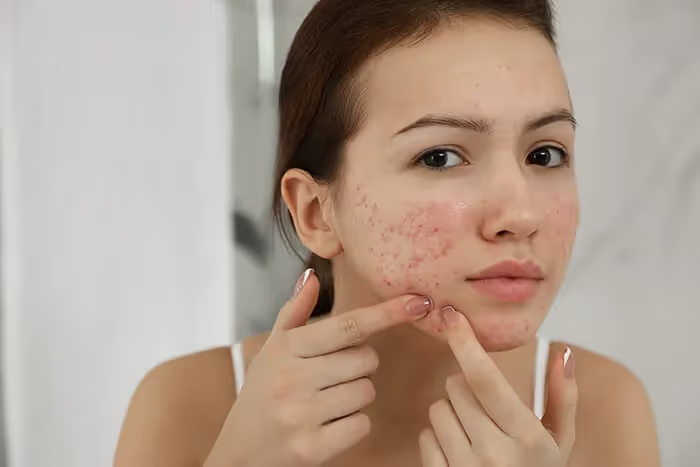
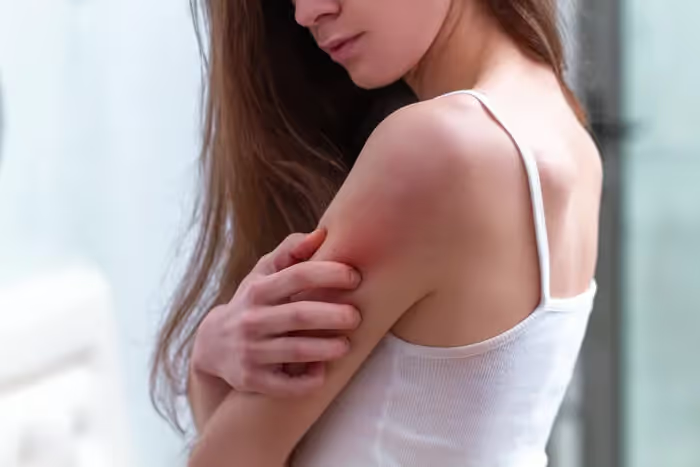
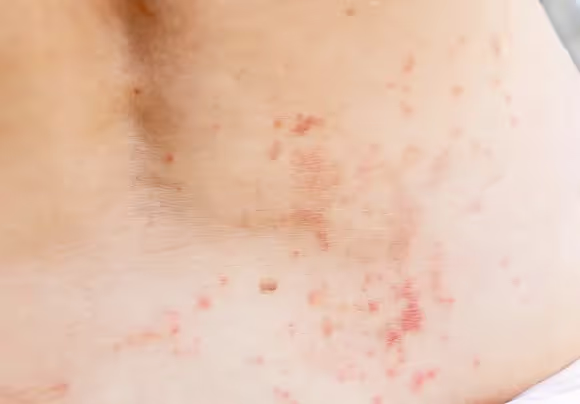
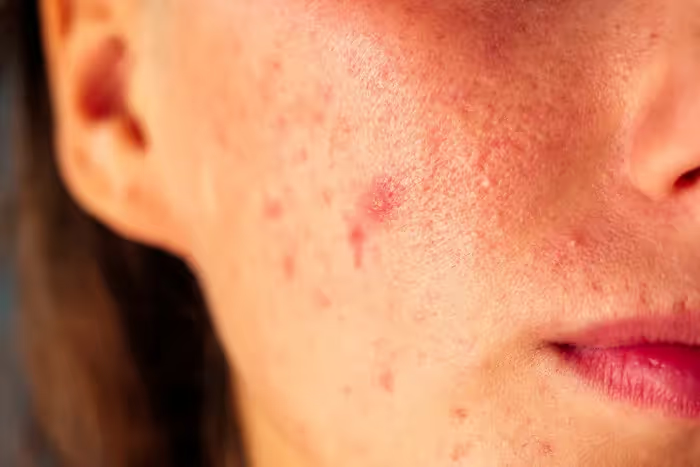
- Redness: You often see red, inflamed skin on areas such as the wings of the nose, eyebrows, scalp, or ears.
- Peeling: Typical fine, white or yellowish flakes appear mainly on the scalp and face.
- itching: Itching can be subtle but also very annoying. Especially when the skin is drier and more sensitive.
- Fatty texture: Some parts of the skin may feel shiny or oily due to excess sebum production.
While these symptoms often show seasonal flare-ups, the intensity may increase due to certain triggers such as stress or cold, dry weather conditions.
Causes of Seborrhoic Eczema
The exact cause of seborrhoic eczema is not fully understood, but a combination of factors seems to play a role. Below, we discuss the most common influencing factors:
Overproduction of sebum
Seborrhoeic eczema often occurs where the skin produces more sebum. Excess sebum can promote the growth of yeasts on the skin, causing inflammation.
Yeast (Malassezia)
The yeast (a type of fungus) Malassezia Furfur (also known as **(called Pityrosporum ovale) ****is naturally present on the skin but may trigger an inflammatory response in some people. This reaction causes the redness and peeling typical of seborrhoic eczema.
Genetic predisposition
Seborrhoic eczema sometimes seems to run in certain families, indicating that heredity may play a small role.
Environmental factors
Cold winters, dry air, and stress are well-known triggers. In addition, hormonal changes and a weakened immune system can worsen the symptoms.
Other factors
- Skin irritation due to aggressive cosmetics or care products.
- Unhealthy food, which can promote inflammatory processes in the skin.
Seborrhoic eczema treatment methods
Although seborrhoeic eczema is not completely curable, there are effective treatments to control symptoms and limit flare-ups. Important treatment concerns are:
Avoid oily ointments
Many patients confuse the peeling of seborrhoic eczema with dry skin and resort to oily ointments. However, this can make the problem worse. Therefore, stop using highly oily products that seal the skin.
Use of antifungal creams and shampoos
Antifungal creams and shampoos, and shampoos that help reduce flaking, can address the overgrowth of the Malassezia yeast and are a first step in treatment.
Temporary use of cortisone preparations
If the scaling and inflammation respond inadequately to antifungal products, a doctor may prescribe a cortisone-based cream, lotion, or shampoo for short-term use. This helps to quickly suppress inflammation.
Treatment with antifungal tablets
In severe or persistent cases, a doctor may consider oral antifungal medications to address the infection systemically.
It is important to combine these treatments with appropriate skin care and to seek advice from a doctor or dermatologist in case of doubt or persistent symptoms.
Benefits of a healthier lifestyle
Nutrition plays an indirect but important role in managing skin problems. Opt for foods rich in antioxidants and healthy fats to strengthen your skin from within.
It's important to find a routine that works for you. Patience and consistency play a key role here.
Prevention of Seborrhoic Eczema
Preventing flare-ups requires a combination of good skin care and avoiding triggers. Here are some preventative tips:
- Use gentle skin care products —Choose products specific to seborrheic eczema with antifungal and soothing properties that are certainly not too greasy.
- Protect your skin against the weather — Protect your skin from cold, dryness and UV rays by using the right creams.
- Limit stress — While easier said than done, addressing stress through mindfulness or meditation can help reduce flare-ups.
- Avoid excessive use of hot water: prefer lukewarm water when washing.
By incorporating these steps into your daily routine, you can mitigate the severity of the eczema and give yourself more comfort.
Consider expert advice
Seborrhoic eczema can be challenging, but understanding symptoms and managing triggers can make a huge difference in your comfort and confidence. If you continue to have severe symptoms, don't hesitate to consult a dermatologist for more targeted treatment.
Stick to a skincare routine, be kind to your skin, and remember you're not alone. With the right approach, you can keep your skin healthy and feel comfortable in your own skin again.

%20(1).avif)
.avif)


%20(1).avif)
.avif)
.avif)

.avif)


-min.avif)
-min.avif)
-min.avif)
.avif)


.webp)
























.avif)


](https://static.legitscript.com/seals/624359.png)