.webp)




Vitiligo is a medical skin condition that affects skin pigmentation, causing white patches. This condition is caused by a loss of melanocytes, which are the cells responsible for the color of the skin. Although the exact cause is unknown, it is thought that autoimmune diseases, genetics, and environmental factors may play a role.
This skin condition affects people of all ages and skin colors. Famous people, such as model Winnie Harlow and pop star Michael Jackson, have also spoken openly about their experiences with vitiligo, helping to raise awareness about this condition. In the next section, we'll discuss the symptoms, possible treatments, and how to deal with them.
If you have vitiligo or know someone who lives with it, this guide provides you with valuable information and practical insights.
What is vitiligo?
Vitiligo is a chronic skin condition where pigment is lost in certain areas of the skin. This happens because melanocytes, the cells responsible for producing melanin (the pigment that gives color to the skin), are destroyed or stop functioning.
The result? Light or white patches of skin that are particularly noticeable in people with darker skin, but are also visible on lighter skin tones. Vitiligo can occur on any part of the body, including the face and hands.
Two main categories of vitiligo
There are two major subtypes of vitiligo:
- Non-segmental vitiligo (the most common form): Here, the depigmentation spots appear almost symmetrically on both sides of the body, often in visible areas such as hands and face.
- Segmental vitiligo (less common): This form is often limited to one side of the body or a specific area and usually develops more quickly, but also stabilizes more quickly.
Although vitiligo can occur at any age, it often reveals itself before the age of 30.
Causes and Risk Factors
Although the exact cause of vitiligo is not yet fully understood, it is believed to be an autoimmune disorder. This means that the immune system accidentally attacks its own melanocytes and thus has major consequences for skin pigmentation.
Possible causes:
- Autoimmune reactions: An overactive immune system attacks pigment cells.
- Genetic predisposition: If you have vitiligo in your family, you are more likely to develop this condition.
- Oxidative stress: Overproduction of free radicals (unstable molecules) can cause damage to cells.
- Triggers: Physical or emotional stress, sunburn, or skin trauma may aggravate or trigger vitiligo.
It is important to emphasize that no one is “to blame” for developing vitiligo. It is not a contagious disease and is caused by a combination of genetic factors and environmental influences.
Symptoms and Diagnosis
Vitiligo is characterized by a number of distinct symptoms:
- White, milky, or lighter patches of skin.
- Hair discoloration on the scalp, eyelashes, eyebrows or beard.
- Loss of pigment in the oral mucosa or on other membranes.
How is it diagnosed?
A dermatologist will often perform a physical exam and ask questions about your family history. Using a special UV lamp, a so-called Wood lamp, the doctor can also examine the boundaries of the light spots in detail. Sometimes a skin biopsy may be suggested to confirm the diagnosis when in doubt. Blood tests are usually used to screen for associated disorders, such as thyroid problems, if there are indications of this based on the anamnesis
Treatment options
While vitiligo currently has no cure, there are several treatment options that can restore pigmentation or slow further progression.
Medical and Dermatological Treatments
- Topical creams: Corticosteroids or calcineurin inhibitors may improve pigmentation in some cases.
- Phototherapy: UVB light therapy is aimed at stimulating pigment production.
- Classic tablet medications used for other autoimmune diseases can also be used for very serious, rapidly spreading forms of vitiligo, but require strict follow-up.
Latest developments
Ongoing research into genetic and cell therapies offers hope for the future. In addition, biological drugs, which modulate the immune response, are being investigated as a possible treatment option.
Living with vitiligo
Vitiligo can be challenging, not only because of its physical symptoms, but especially because of the emotional impact it can have. The social stigma or sense of insecurity is very real, but it's important to know that you're not alone.
Tips for dealing with it:
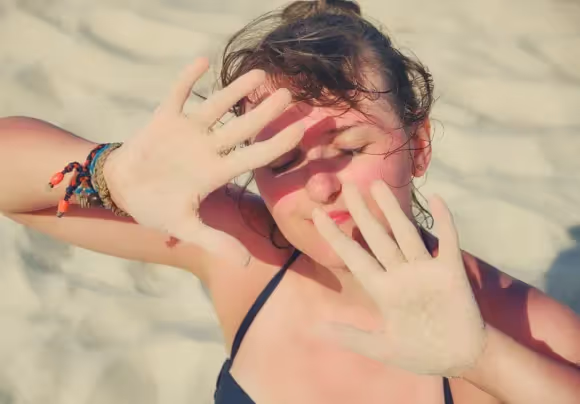
- Self-care: Use sunscreen with a high SPF to protect your skin and prevent further damage. This is because the pigment-free skin pieces contain no natural sun protection and will burn immediately. The white spots are also more noticeable when the healthy skin areas are tanned and the contrast is therefore greater.
- Embrace your unique beauty: Vitiligo is part of who you are. Social platforms like Instagram have created powerful communities where people share their stories.
Inspiration from the vitiligo community
More and more people are choosing not to hide their vitiligo but to celebrate it. From models on the catwalk to influencers—their stories show that beauty comes in all forms. Their courage and authenticity can be a source of strength.
Start taking action today
While vitiligo has no end, there are countless ways to deal with it and feel good about yourself. Get support in your treatment and stay up to date with the latest developments in dermatology.




%20(1).avif)
.avif)


%20(1).avif)
.avif)
.avif)

.avif)


-min.avif)
-min.avif)
-min.avif)

.avif)


.webp)



























.avif)


](https://static.legitscript.com/seals/624359.png)