.webp)



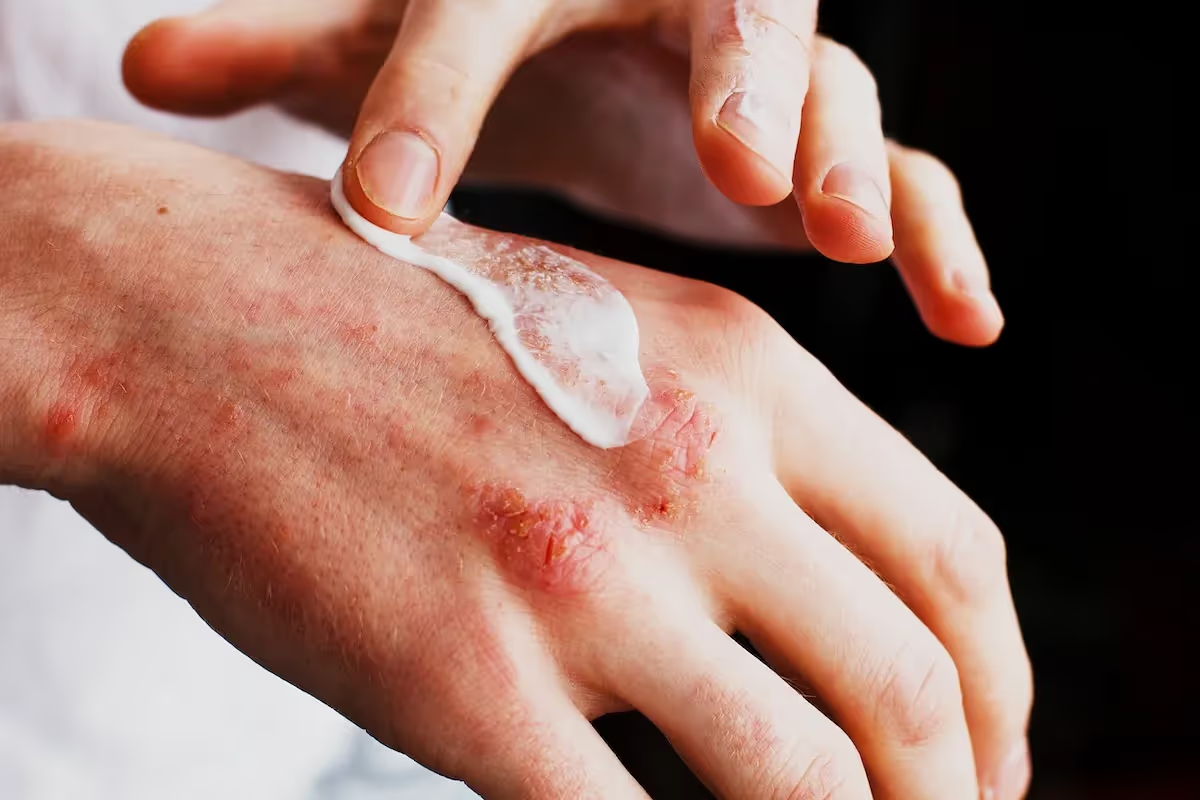
What is Eczema?
Eczema is not a simple condition. It is a complex skin disorder that can express itself in different ways to people of all ages.
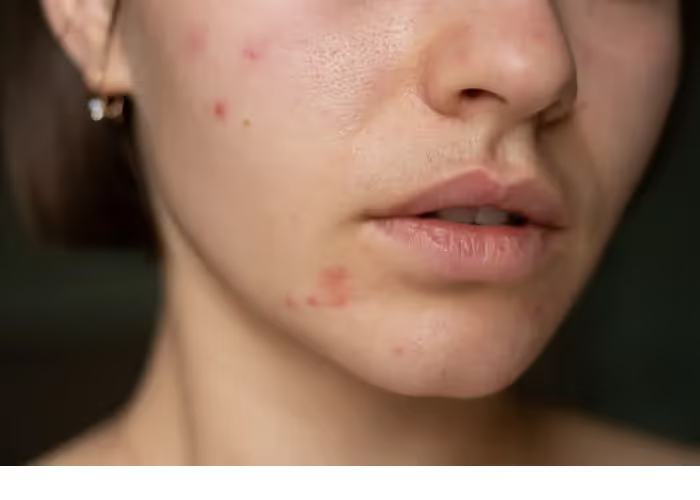
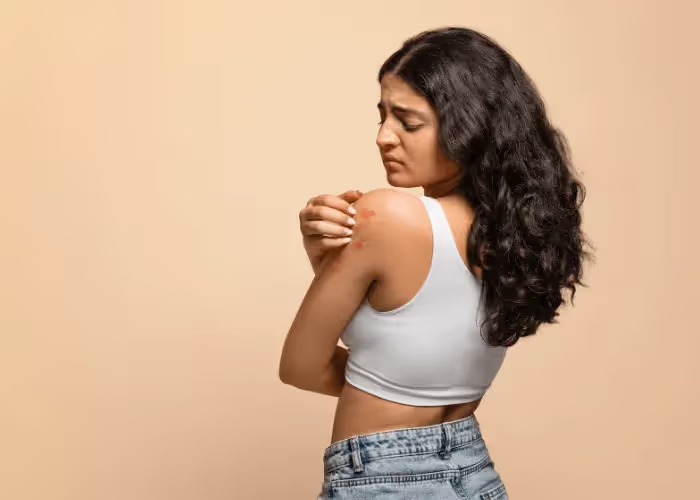
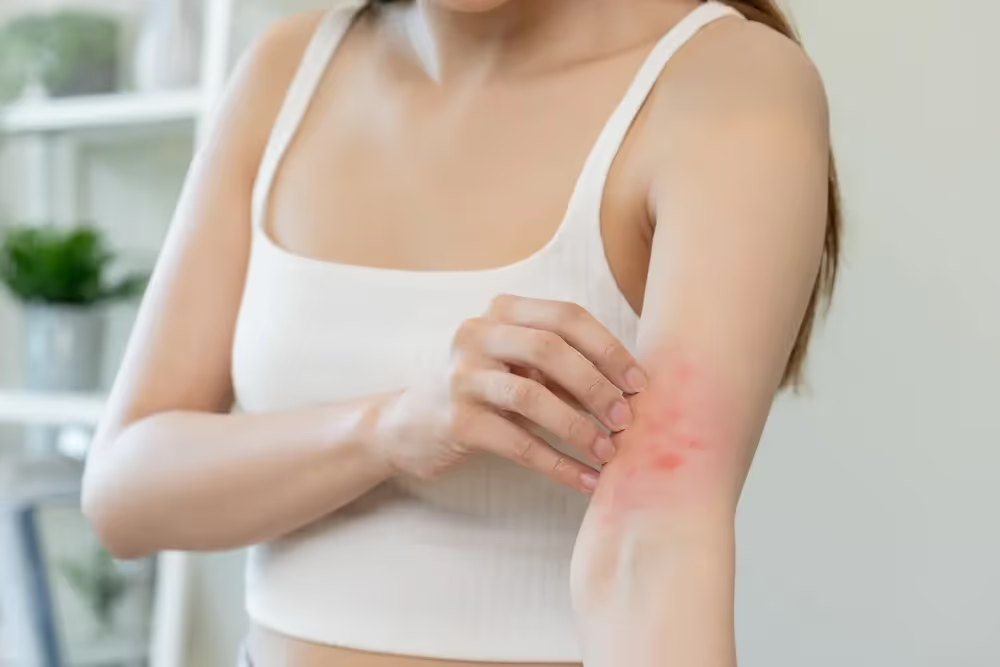
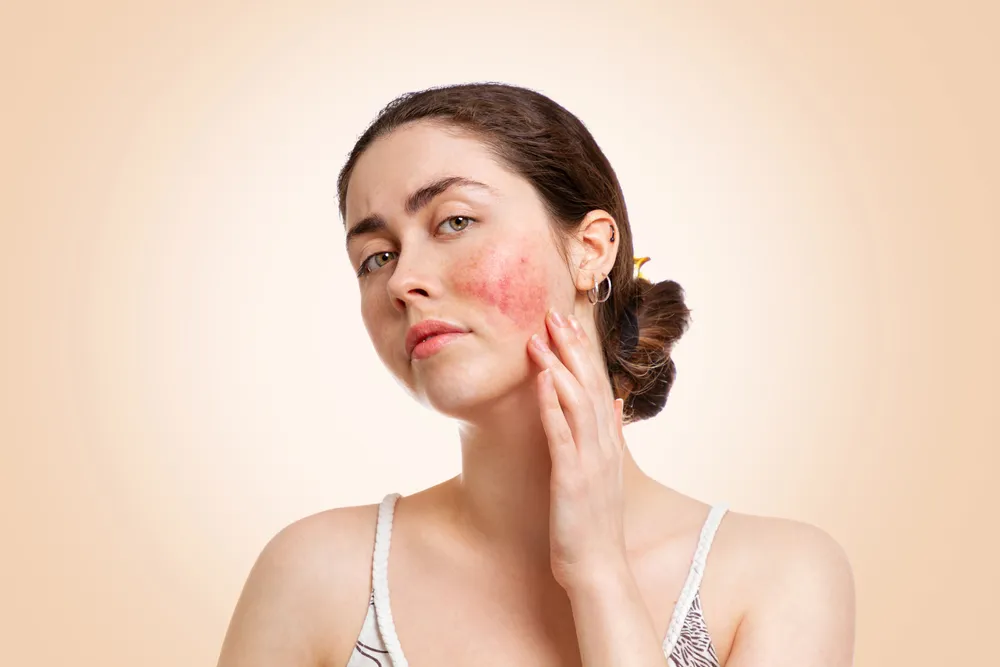
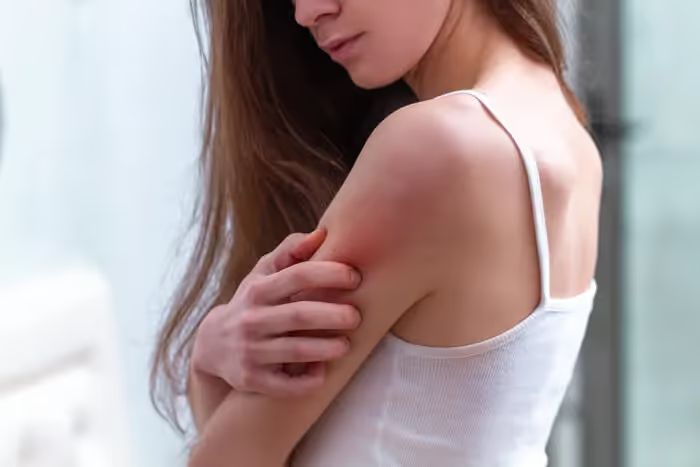
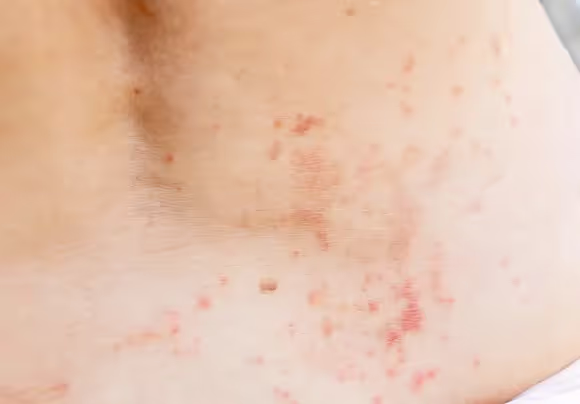
Eczema is characterized by redness, itching, scaly skin and sometimes even open sores and blisters. These can occur anywhere on the body, such as the hands, arms, face, and legs.
Although common, it can still have a lasting impact on the patient's quality of life. Eczema is not just one specific condition, but a term to group different skin conditions with similar symptoms.
These disorders can vary in severity and duration, and can have various causes.
Different types of eczema
Eczema comes in various forms and subtypes with unique symptoms and triggers. Understanding these different types is essential for effective treatment.
Some common forms of eczema include atopic eczema (also known as constitutional eczema), contact eczema, seborrheic eczema, and dyshidrotic eczema.
Atopic eczema
Atopic eczema, also known as constitutional eczema, is an innate predisposition to dry skin and eczema, which often causes symptoms from an early age and is most common, mainly in the skin folds and the face. Often we are going to recommend a greasy cream here.
Irritative eczema
Irritative eczema: a type of eczema that appears as a result of a reaction to external substances (detergents such as detergent and other cleaning products, solvents, friction, cold,...).
Contact allergic eczema (also known as contact eczema)
Contact allergic eczema occurs after contact with irritants or allergens. This type of eczema occurs very locally on the skin and can be sharply limited. Contact allergic eczema is often work-related. Some irritants or allergens that can trigger contact allergic eczema include perfume, hair color or henna (PPD), preservatives (kathon), leather (chromates),...
Seborrheic Eczema (Seborrheic Dermatitis)
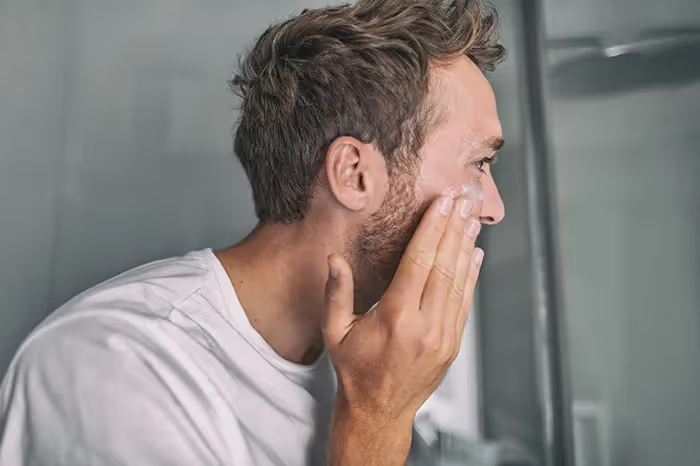
Seborrheic eczema (seborrheic dermatitis) primarily affects the scalp and face. Rather, it causes oily peeling in these zones. For babies between 0 and 3 months, this is also often referred to as milk crusts. In contrast to atopic eczema, oily creams have just the opposite effect here.
Dyshidrotic eczema
Dyshidrotic eczema results in small, itchy blisters, usually on the hands and feet, that can burst and form scabs.
Where on the body does eczema occur?
Eczema doesn't just occur on the arms and legs, that's a typical eczema myth. Eczema can occur anywhere on the body, such as the hands, arms, face, and legs. We usually see eczema in these parts of the body:
- face
- scalp
- arms
- legs
- hands
- feet
- between skin folds
- between fingers and toes
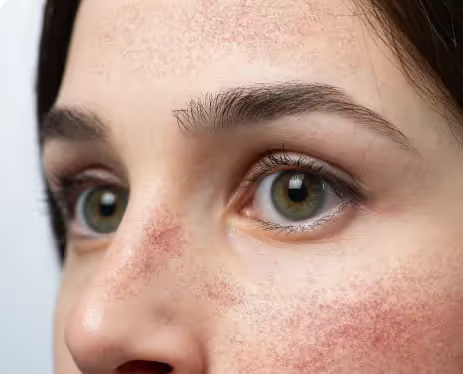
- eyelid or around the eyes
Would you like to know more about eczema? Download our new eczema guide full of tips and information created by our dermatologists.


%20(1).avif)
.avif)


%20(1).avif)
.avif)
.avif)

.avif)

-min.avif)
-min.avif)
-min.avif)
.avif)


.webp)

























.avif)


](https://static.legitscript.com/seals/624359.png)