.webp)




Adolescents and pustules, it goes together like salt and pepper. Acne is a skin disorder that mainly affects young teenagers. But did you know that pigmentation usually occurs in people in their twenties, thirties and forties, while older patients regularly have complaints of itching. After all, over the years, the skin changes with it. The “baby skin” from birth undergoes hormonal changes during puberty and pregnancy. Afterwards, the aging process starts.
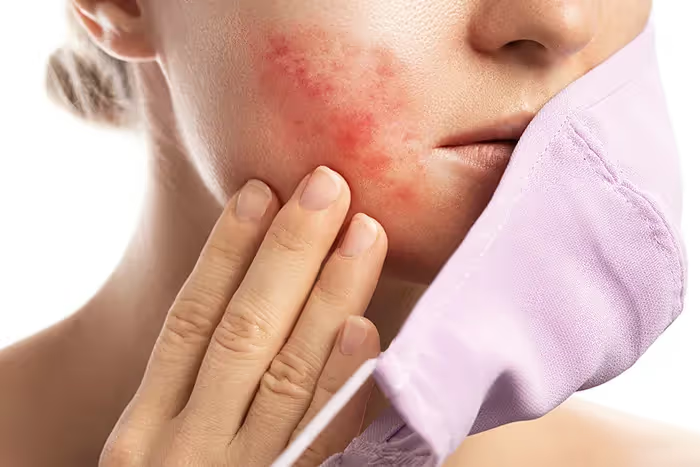
What are the most common skin conditions?
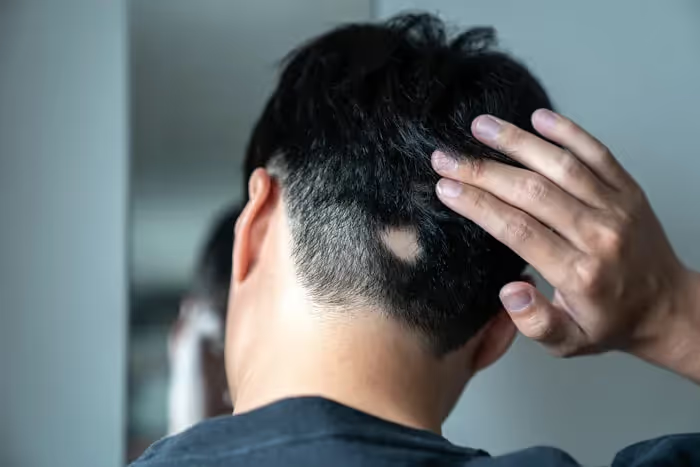
The most common skin conditions
Eczema is the most common skin disorder among children
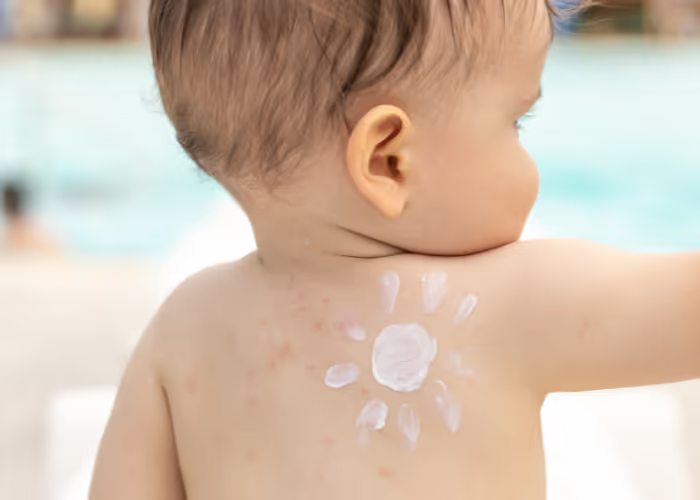
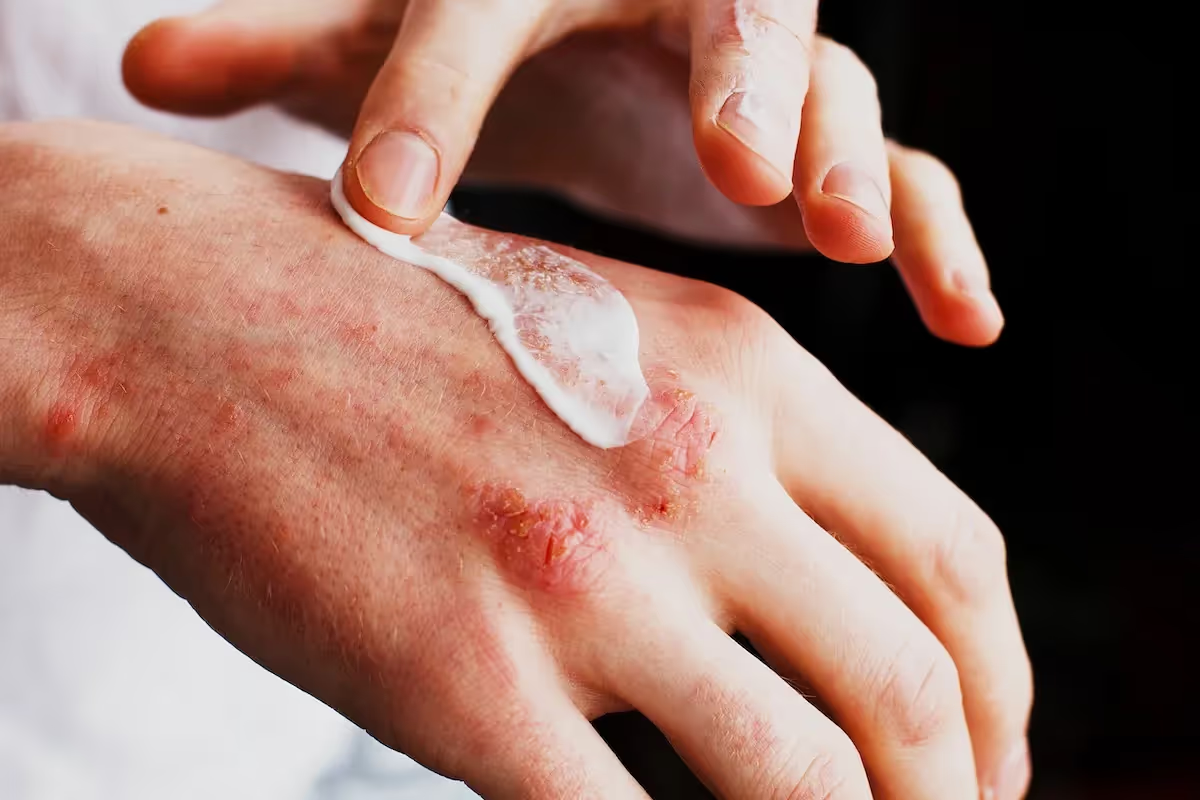
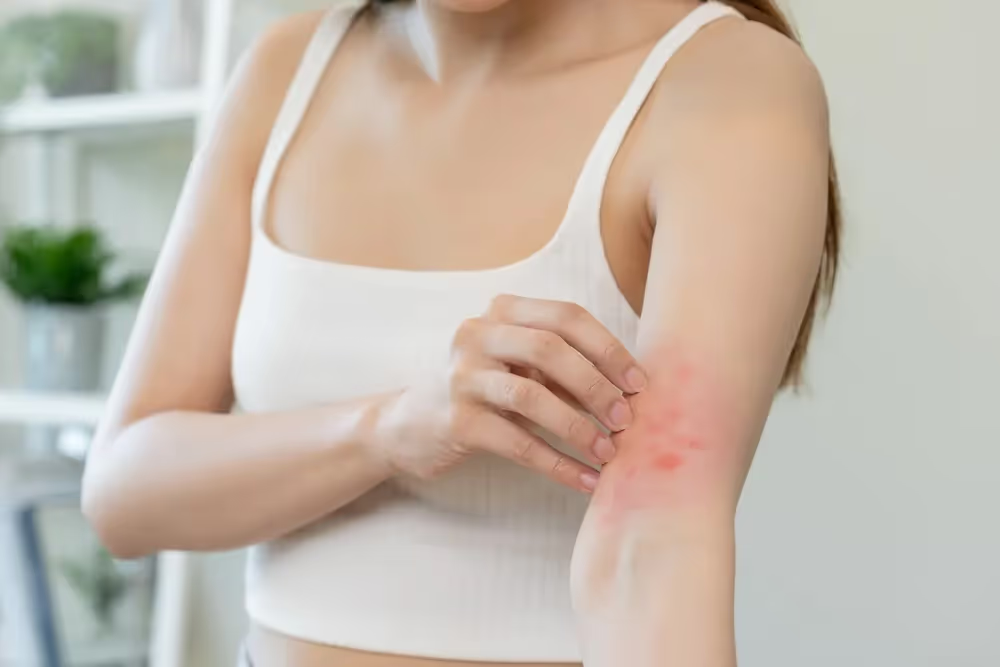
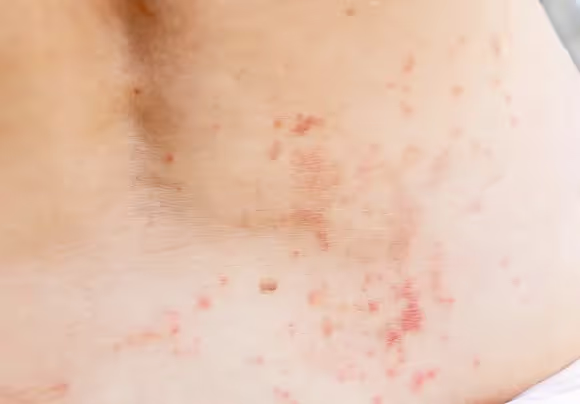
Eczema is a typical skin condition in children. Babies have been plagued by eczema from a short time after birth. One in ten children sometimes suffers from it and it often occurs after one month. Many babies don't feel it themselves, but others may be accompanied by itching. Eczema in babies can have many causes. The cold winter air, for example, a raw fabric like wool, sweaty, sticky skin. Eczema is not contagious and usually goes away on its own around 2 or 3 years of age.
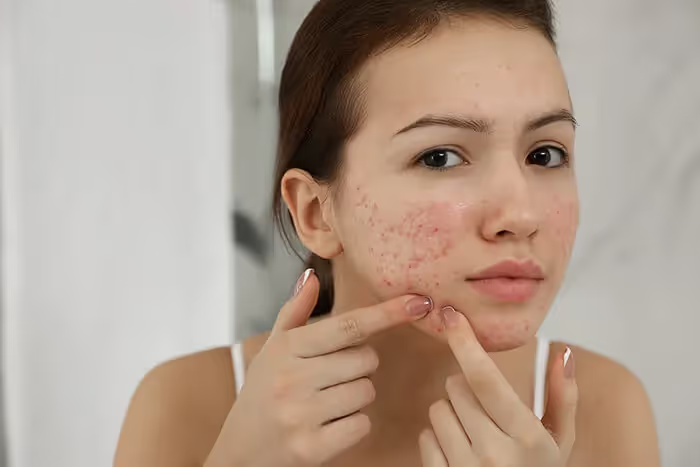
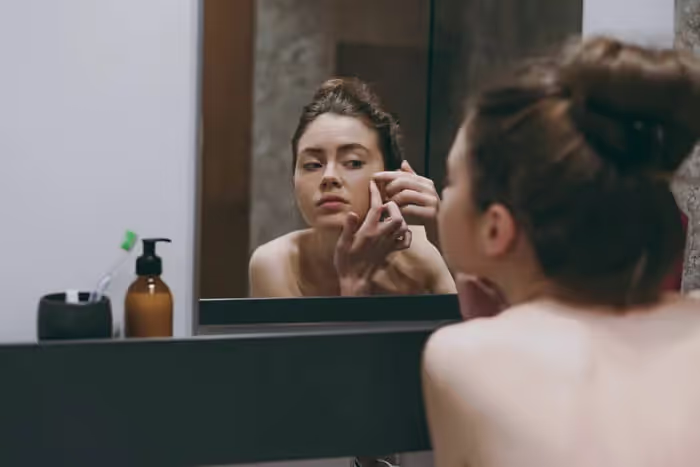
Acne affects almost everyone between the ages of 12 and 18
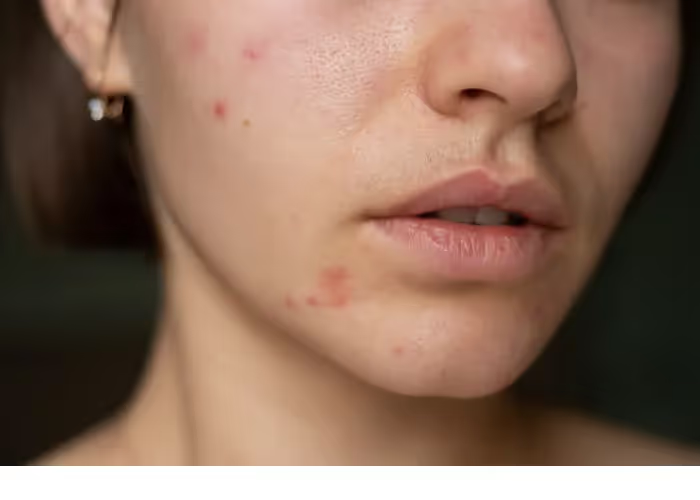
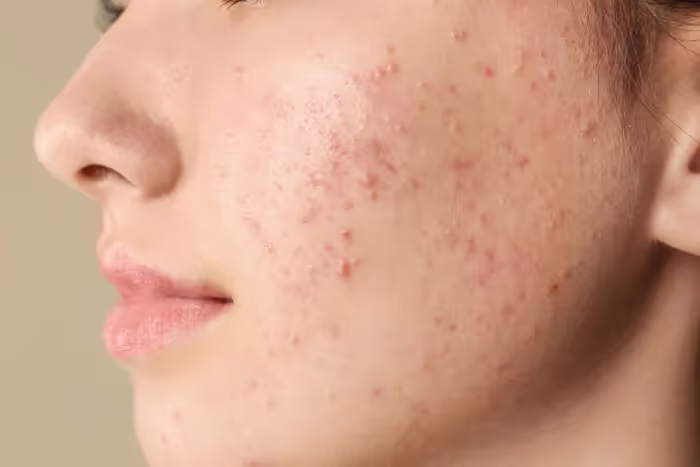
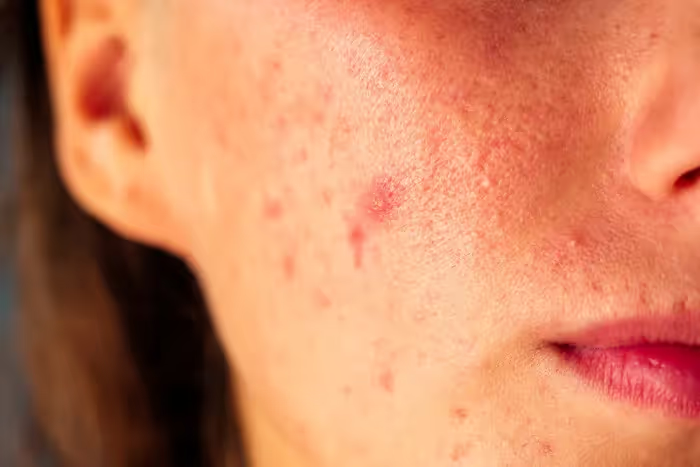
Acne is the best-known skin condition. 85 percent of teenagers and young adults between 12 and 24 years old have it at some point. Girls get acne at an earlier age than boys. After 25 years, the skin disease is still rare. Among people in their 40s, we see that barely one percent of women and five percent of men still suffer from it. Fortunately, acne is a benign skin condition, but one that can cause shame and anxiety among young people. The psychosocial damage that acne causes can sometimes be very significant.
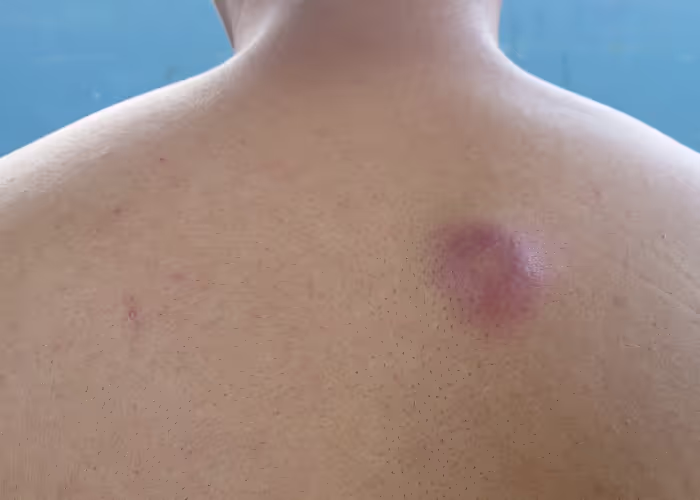
Acne occurs when the sebaceous glands, which enlarge during puberty, secrete too much sebum. Accumulations occur: comedones or blackheads. When the sebum outlet hardens and thereby constricts, it reinforces the sebum increase. The irritating fatty acids in the sebum spread into the adjacent skin, causing pimples. There are different ways to acne to treat, depending on the type of acne. Usually, an ointment is sufficient, sometimes medication is required.
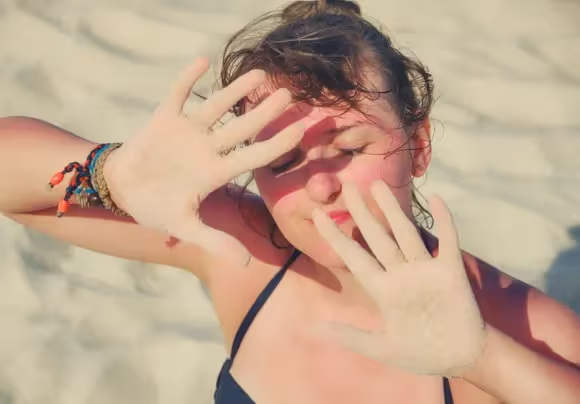
Combining sun and contraception promotes pigmentation
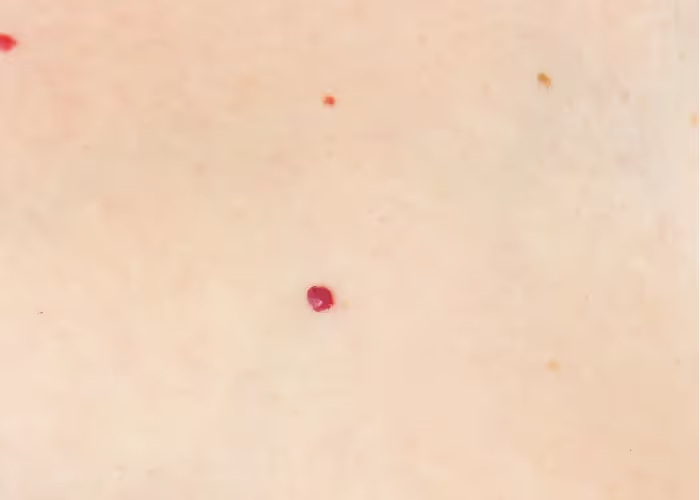
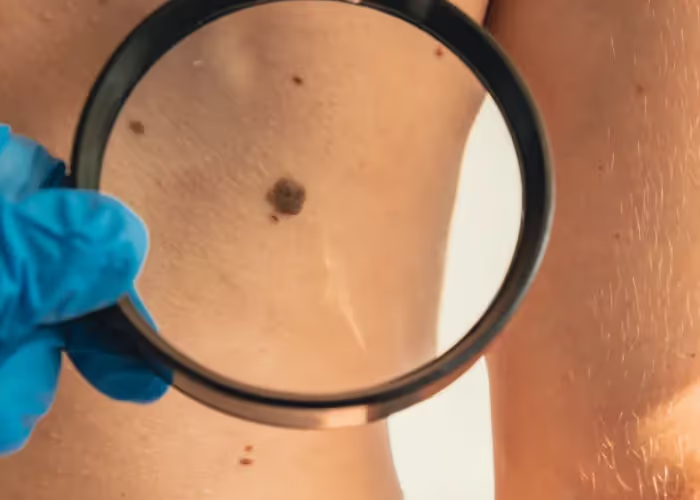
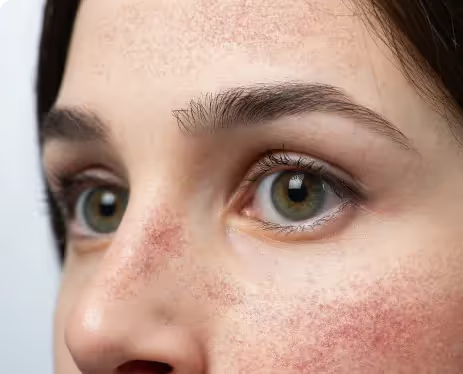
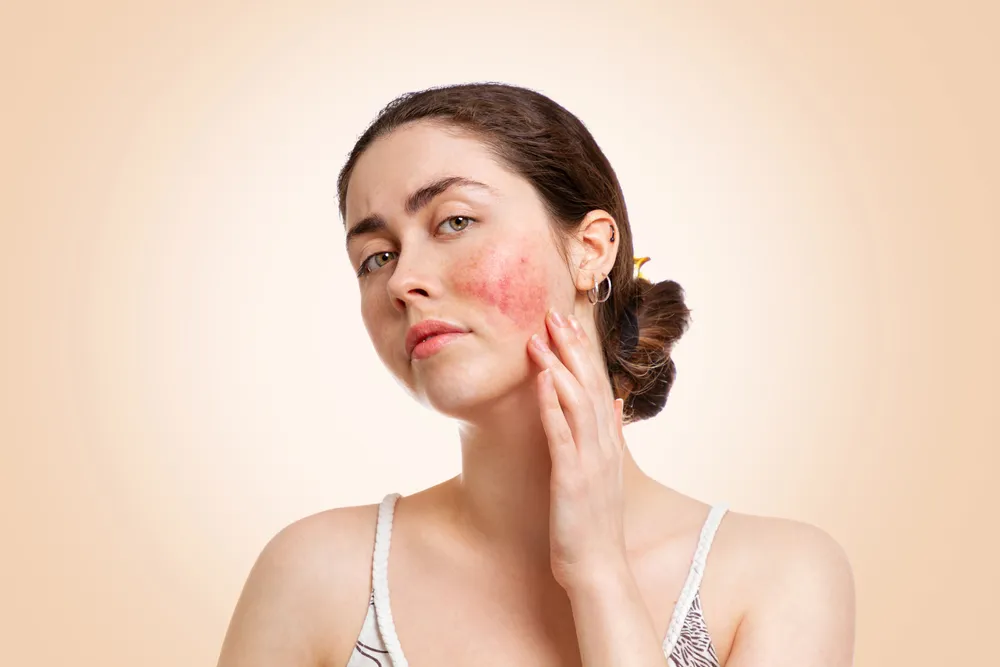
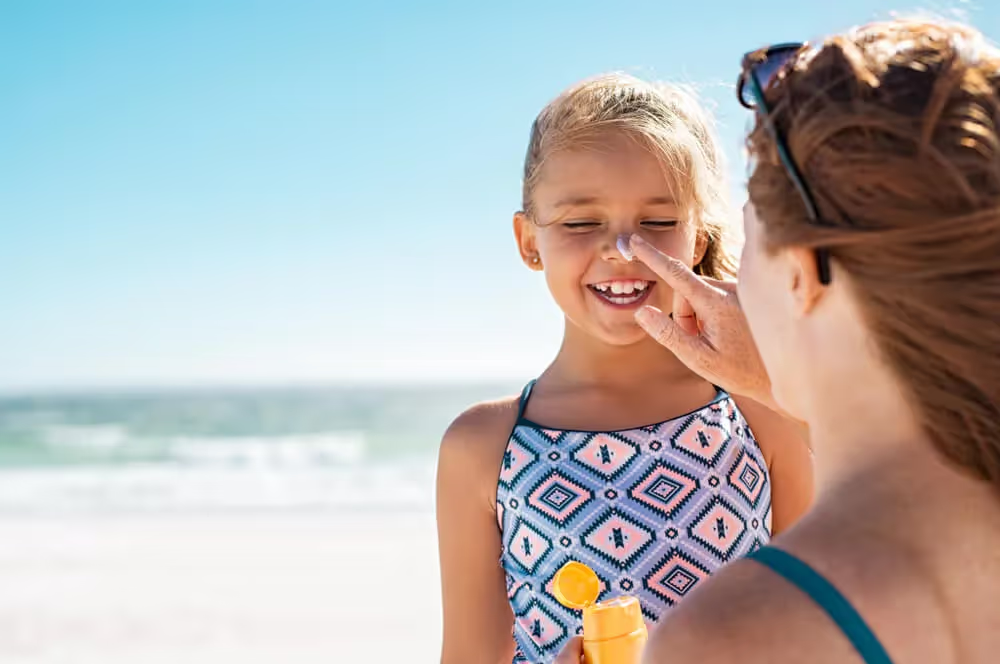
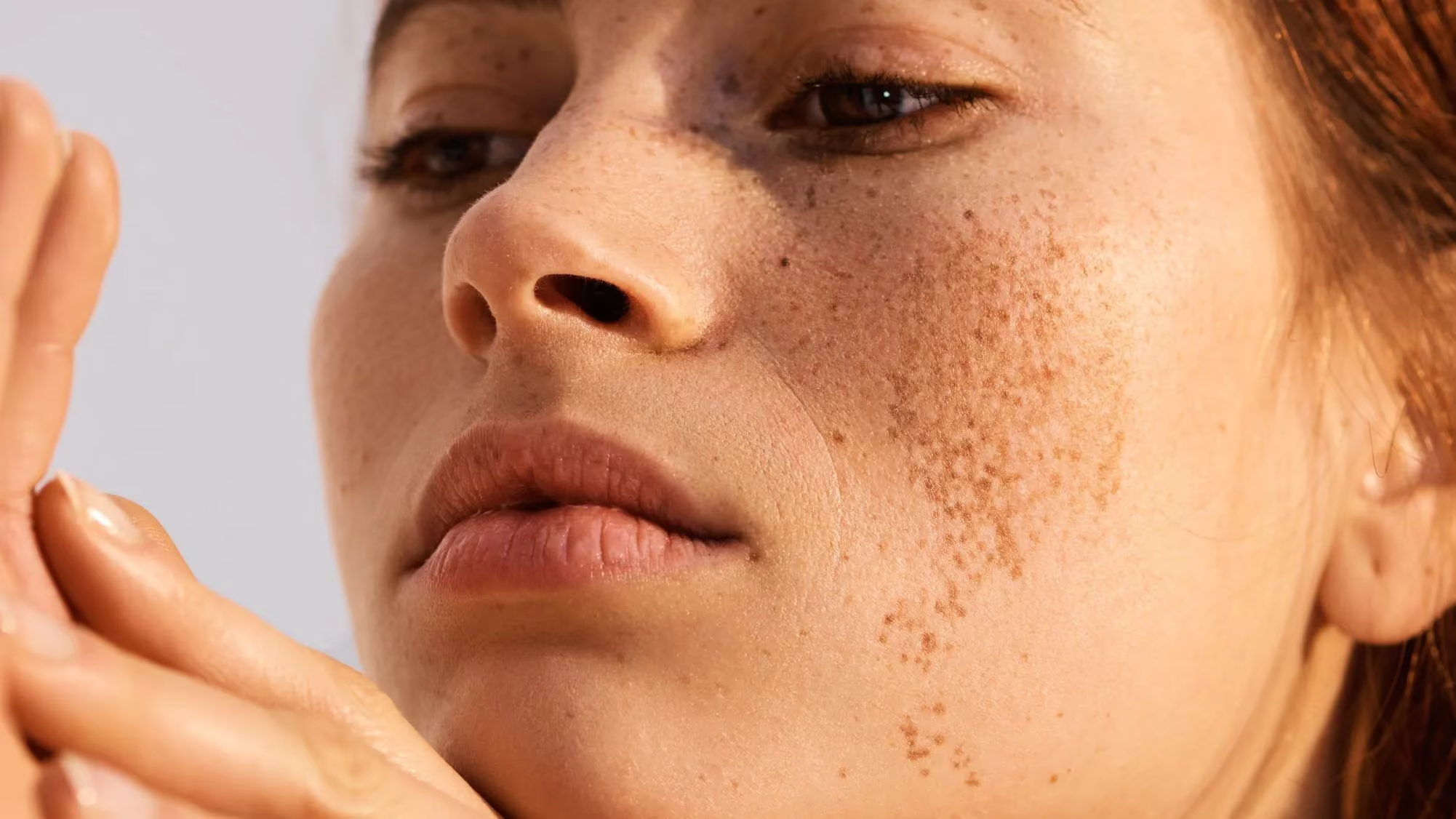
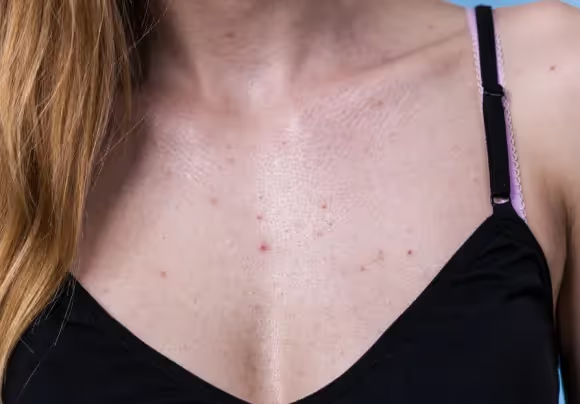
Pigmentation spots often occur in women in their twenties. At that age, they change their contraceptive method, for example from the pill to a spiral, which promotes the production of pigment spots. But the sun is also a culprit. Know that a dermatologist can treat many pigment spots. Most blemishes are benign. Nevertheless, it is important to keep an eye on them. If the shape and thickness of the pigment spot changes, this may indicate a skin tumor. In case of any doubt, always contact the dermatologist.
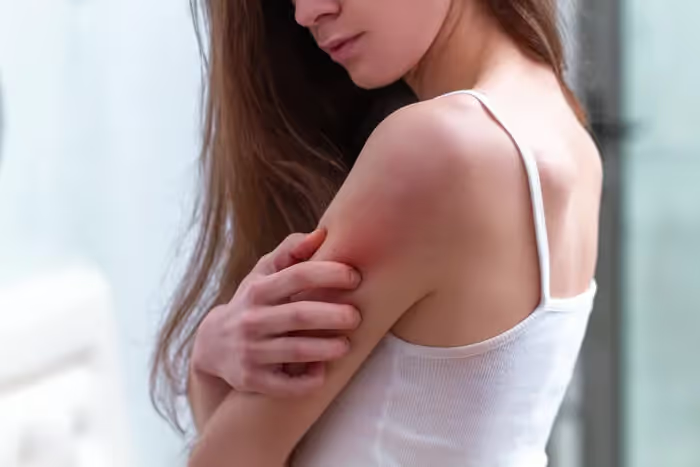
Itching in old age
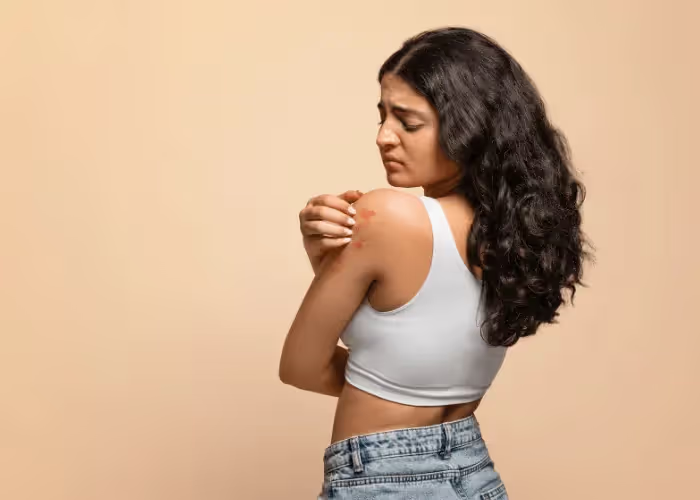
The causes of itching in old age (Pruritus senilis) are unknown. It is suspected that a combination of factors is the cause: dehydration, insufficient sebaceous gland production, dry air in the home or care home, washing yourself with too much soap and too hot water. Around 5 out of 1,000 patients who visit a GP suffer from it and their number increases with age.
Although skin conditions vary by age group, we see that irritants increase symptoms. Perfumed cosmetics or shower gels and products containing chlorine are to be avoided. Customized ointment will reduce or make the symptoms disappear.



%20(1).avif)
.avif)


%20(1).avif)
.avif)
.avif)

.avif)

-min.avif)
-min.avif)
-min.avif)
.avif)


.webp)
























.avif)



](https://static.legitscript.com/seals/624359.png)