.webp)




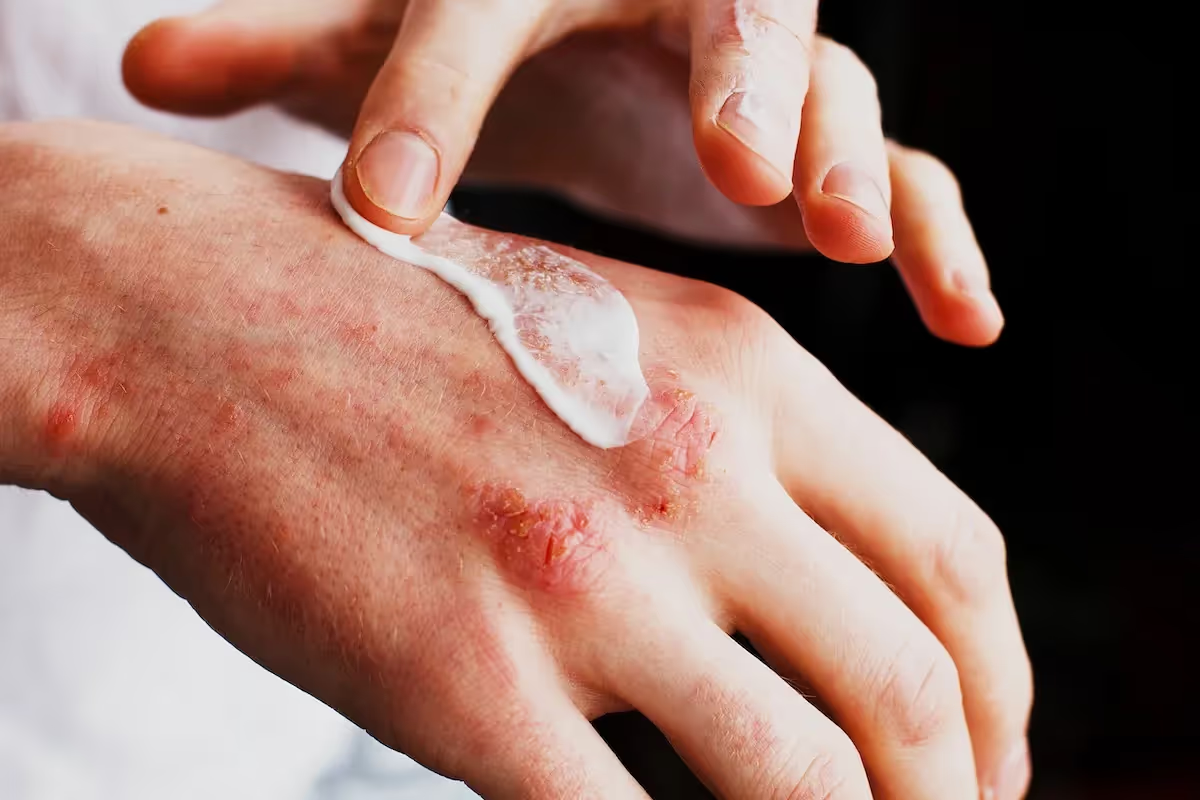
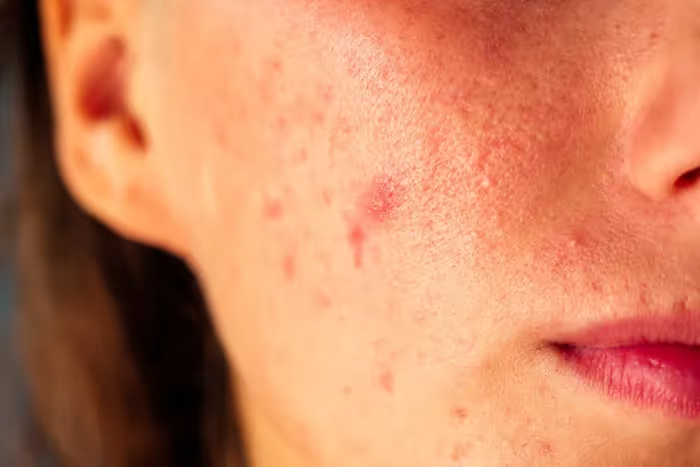
Eczema has a major impact on your daily life. Fortunately, there are many ways to alleviate this. The skin condition causes irritation, dryness and itching and has a major impact on your daily life. To keep your skin healthy, it's important to follow a good daily care routine.
Natural remedies can also help to alleviate the symptoms. We have already listed a few practical tips for taking optimal care of your skin.
Daily skin care: the basis for fewer complaints
1. Cleanse your skin with gentle products
Use a mild, unscented cleanser designed specifically for sensitive skin every day. Avoid harsh soaps and products containing alcohol, as they can dry out your skin and make irritation worse. Choose products that respect the skin's natural pH balance.
2. Hydrate immediately after cleansing
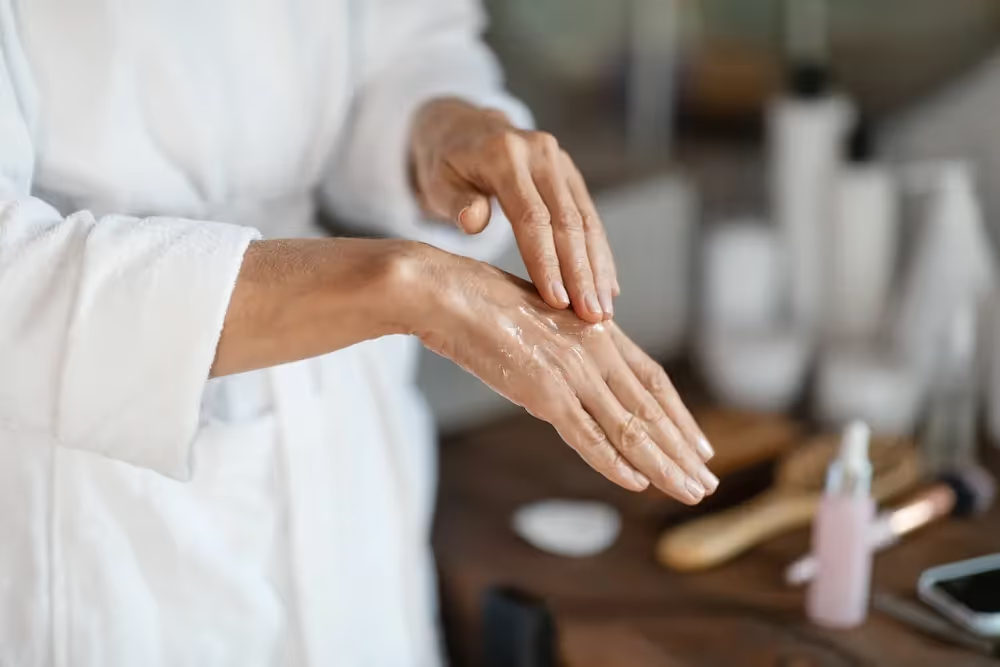
After showering or bathing, moisturize your skin with a hypoallergenic moisturizer or ointment. Opt for formulas with ceramides, glycerin, or hyaluronic acid to strengthen your skin barrier and retain moisture. Tip: apply the moisturizer while your skin is still slightly damp for best results.
3. Protect your skin against external influences
Protect your skin against extreme temperatures and harmful UV rays. Use a moisturizing sunscreen with a high SPF and wear protective clothing when needed. Avoid clothing made of synthetic fabrics and wool, as they may cause irritation.
4. Prevent scratching
Scratching can make eczema worse and lead to skin damage. Keep your nails short and possibly wear cotton gloves overnight. Do you suffer from itching? Dab gently with a cold cloth, use a cold compress to provide relief, or add extra moisturiser.
Natural remedies, soothe your skin gently
1. Oatmeal baths
Oatmeal is known for its calming and hydrating properties. Add colloidal oatmeal to a warm bath and soak for 15-20 minutes. This can reduce itching and inflammation while leaving your skin feeling soft and hydrated.
2. Coconut Oil
Coconut oil has antibacterial and anti-inflammatory properties. Apply a thin layer of coconut oil to the skin to provide hydration and reduce inflammation. It also helps to restore the skin barrier.
3. Probiotics
Certain intestinal bacteria release anti-inflammatory substances, while others can promote inflammation. A balanced intestinal flora therefore plays an important role, especially for people with chronic inflammatory diseases such as eczema. Eating fresh, unprocessed food and limiting refined sugars and saturated fats contributes to a healthy intestinal balance. Probiotics, such as those in yoghurt, can also be a useful addition to this.
Precaution and advice
When trying out new remedies, caution is very important. Not all remedies are suitable for everyone with eczema. Consult a dermatologist or healthcare provider before trying new treatments, especially if you have other medical conditions or are taking medications.




%20(1).avif)
.avif)




%20(1).avif)
.avif)
.avif)


.avif)


-min.avif)
-min.avif)
-min.avif)

.avif)




.webp)





































.avif)



](https://static.legitscript.com/seals/624359.png)