.webp)



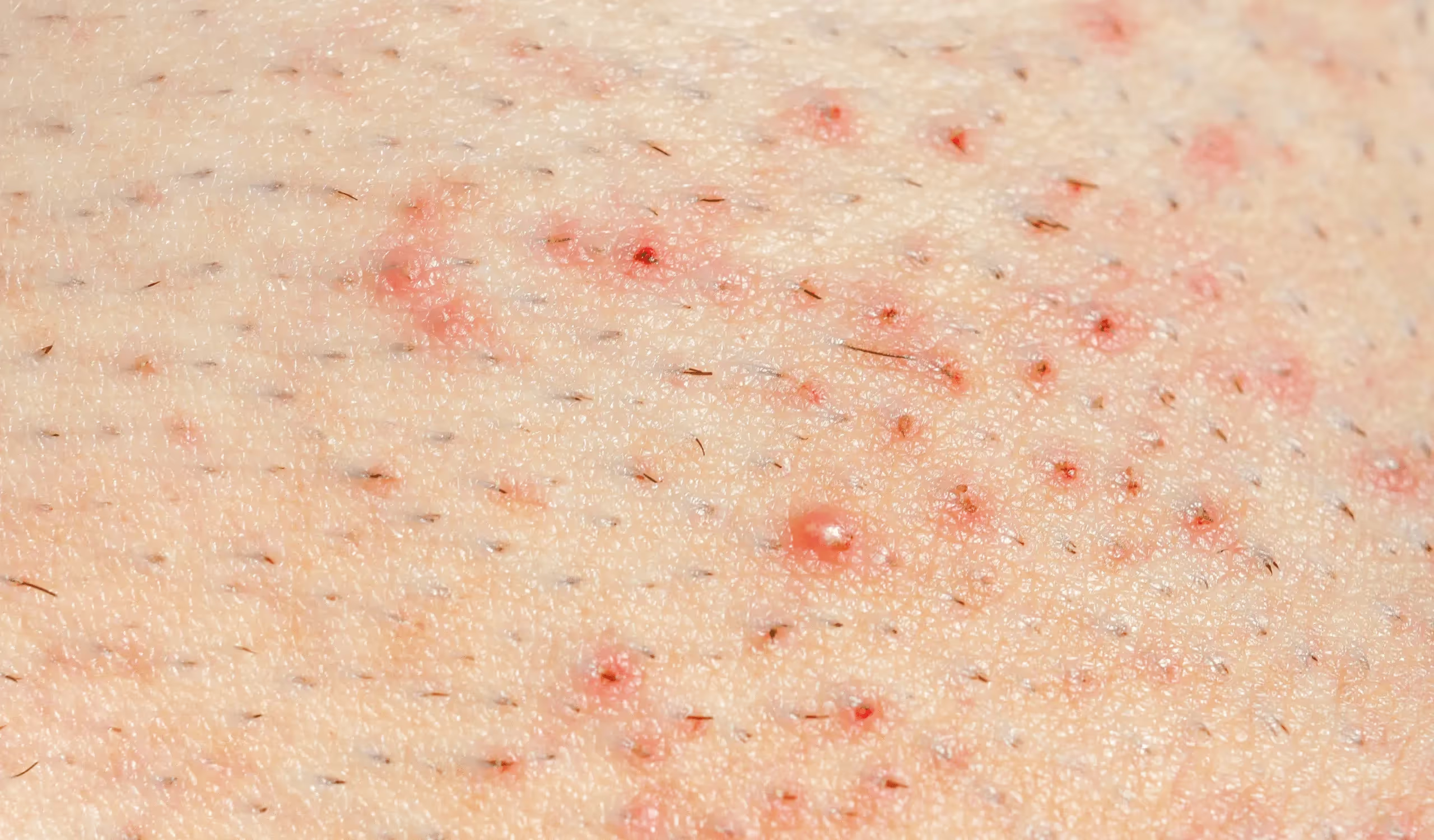
What can you do about ingrown hair?
Anyone who has ever had to deal with ingrown hair knows how annoying they can be. Not only do they look unwanted, but they can also be uncomfortable and sometimes even painful. But what exactly are ingrown hairs, why do they occur, and more importantly, what can you do about it? Whether you're shaving, waxing, or just looking to keep your skin as good as possible, this article provides you with everything you need to know about the causes, prevention, and treatment of ingrown hair.
What are ingrown hairs and why do they occur?
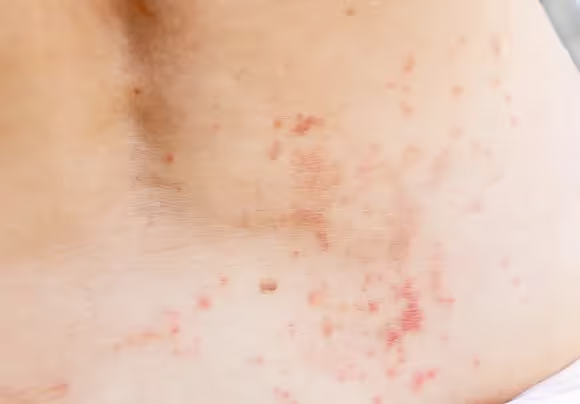
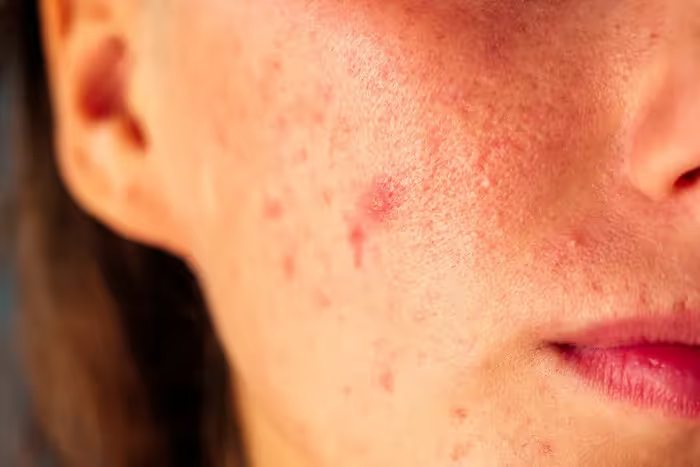
Ingrown hair occurs when a hair curls back into the skin instead of sticking out. This can lead to a red, swollen bump that sometimes looks like a pimple. Often this is accompanied by itching or even pain. This usually happens in areas where you shave or wax, such as the legs, bikini line, armpits, or face.
Simply put, the cause is a blockage or incorrect hair growth. When dead skin cells or other contaminants block the hair follicle, hair can get stuck under the skin, causing it to grow in the wrong direction. The good news is that ingrown hair can often be prevented with the right approach.
What causes ingrown hair?
Understanding the causes is the first step towards prevention. Here are the most common causes of ingrown hair:
Shaving methods
- Improper shaving may be the biggest culprit. Shaving against hair growth can cause hair to have sharper tips, which increases the chance of them growing back into the skin.
- Using an old or blunt razor can also have a negative effect, because it does not cut the hair properly.
Waxing
With electric shaving, the hairs are cut just above the skin and have the least chance of growing back in. During waxing or other forms of epilation, the hairs are pulled out at the root, so that the new hair has to pierce through the skin again in order to grow, so that this hair removal method has the highest risk of ingrowth.
Skin type
People with thicker or curly hair growth have a higher risk of ingrown hair. This is because curls make it easier for hair to grow inward.
Lack of exfoliation
When dead skin builds up, the hair follicle sometimes becomes blocked. This can lead to ingrown hair.
How do you prevent ingrown hair?
Prevention is always better than cure! With a few simple adjustments to your routine, you can significantly reduce the risk of ingrown hair.
1. Exfoliate regularly
Exfoliation removes dead skin cells that can clog hair follicles. Use a gentle scrub or chemical exfoliant with AHAs or BHAs to keep your skin healthy and clean.
2. Hydrate your skin
Well-hydrated skin is less susceptible to irritation, which can help prevent ingrown hair. Use a moisturizer with soothing ingredients such as aloe vera daily.
3. Use the right shaving technique
- Always shave with monitor hair growth and use a sharp, clean razor.
- Avoid dry shaving; always use a shaving gel or foam to protect the skin.
4. Consider shaving alternatives
If shaving doesn't work for your skin, consider alternatives such as electric shaving or permanent laser hair removal. These methods generally reduce the risk of ingrown hair.
5. Wear loose clothing
Tight clothing can put pressure on the skin and cause friction, which increases the risk of ingrown hair. Opt for breathable, loose fabrics whenever possible.
How do you treat ingrown hair?
Did you get an ingrown hair anyway? Don't worry, there are various ways to treat them.
1. Use a warm compress
A warm compress helps soften the skin and opens the pores. This can cause the ingrown hair to be released by itself.
2. Exfoliate gently
Use a gentle exfoliating scrub to remove dead skin cells and release hair follicles. Do this carefully to prevent further irritation.
3. Avoid scratching or pinching
As tempting as it is, try not to squeeze out an ingrown hair. This can lead to infections or scarring.
4. Try a chemical exfoliant
Products containing salicylic acid or glycolic acid can keep skin inflammation-free and support the process of natural cell renewal.
5. Use an antiseptic cream
If you notice that the area remains red and swollen, an antiseptic cream can help prevent further infection.
When to see a doctor
While ingrown hair usually heals on its own or can be remedied with home treatments, there are some situations where professional help may be needed:
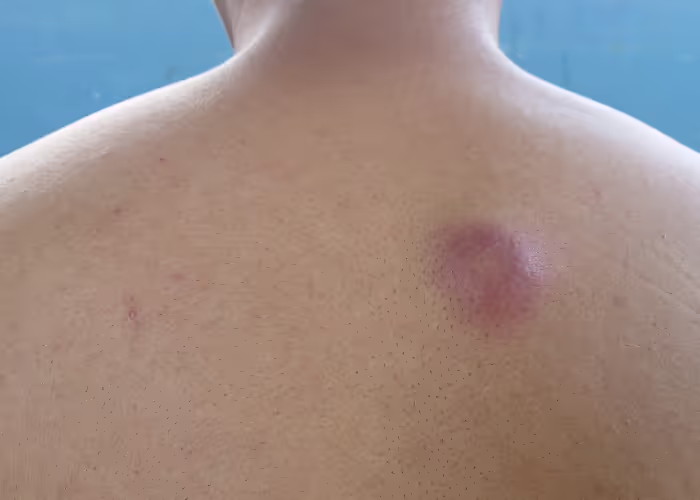
- When the bumps get bigger and hurt.
- In case of signs of infection, such as pus formation, extreme redness, or swelling.
- If you regularly suffer from severe ingrown hair, you can ask for advice about preventive treatments.
Make your skin care a priority
With the right knowledge and tools, you can effectively prevent and treat ingrown hair. By taking good care of your skin, you not only prevent discomfort, but you also improve your overall skin health and appearance.
Are you ready to say goodbye to ingrown hair? Apply these tips to your routine and notice the difference!



%20(1).avif)
.avif)


%20(1).avif)
.avif)
.avif)

.avif)


-min.avif)
-min.avif)
-min.avif)

.avif)


.webp)





























.avif)


](https://static.legitscript.com/seals/624359.png)