.webp)



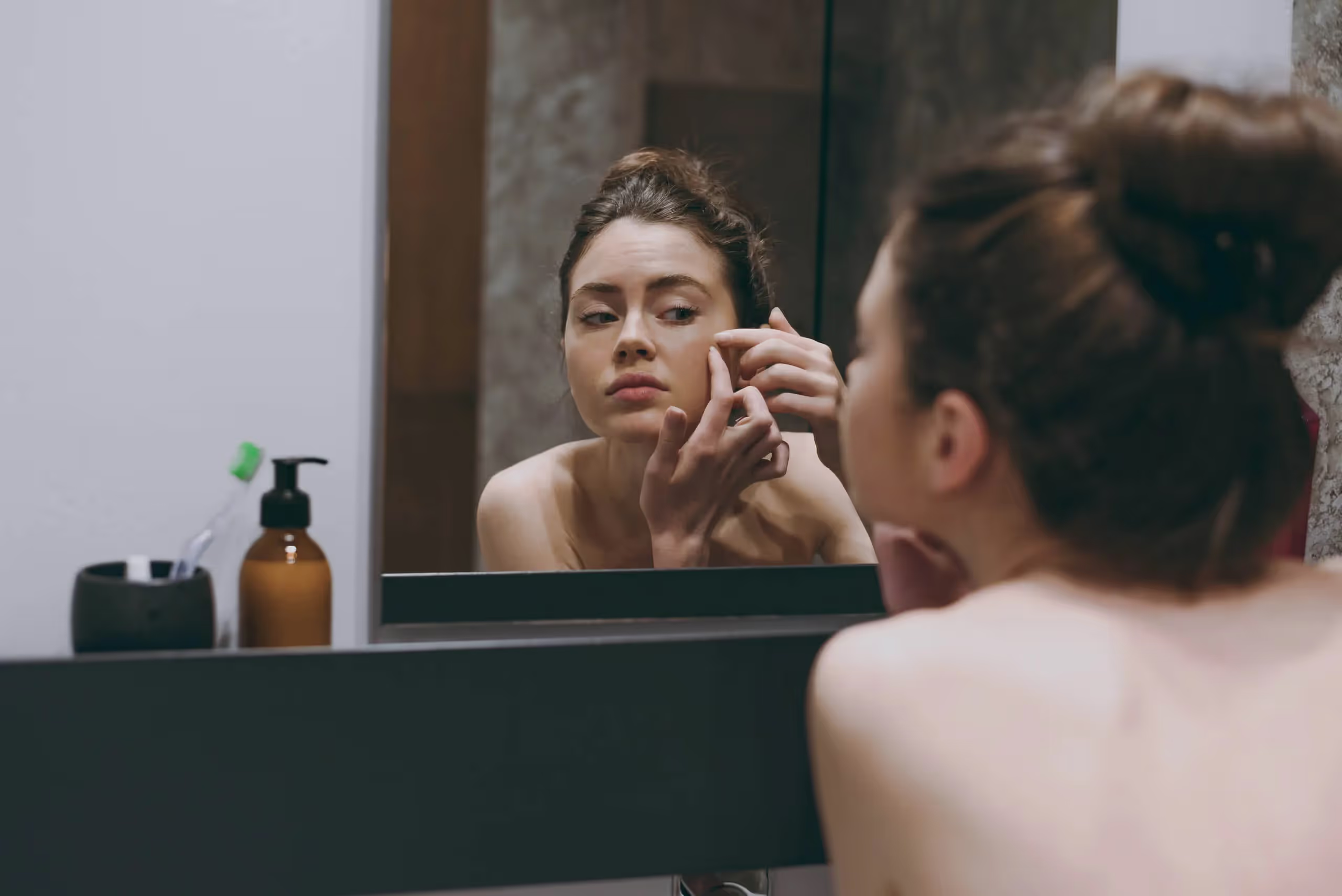
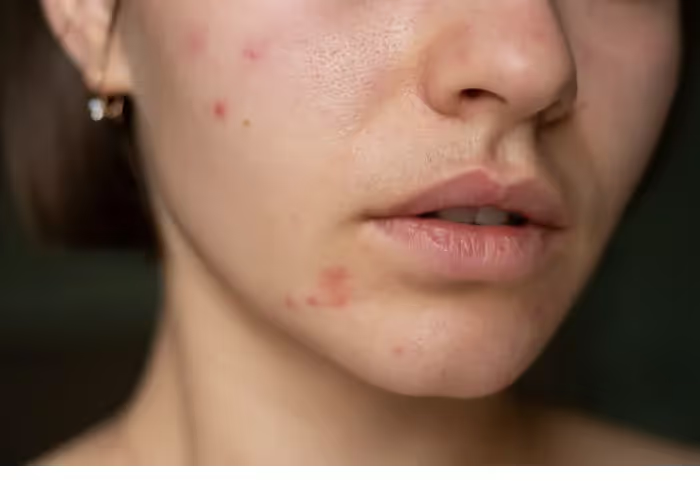
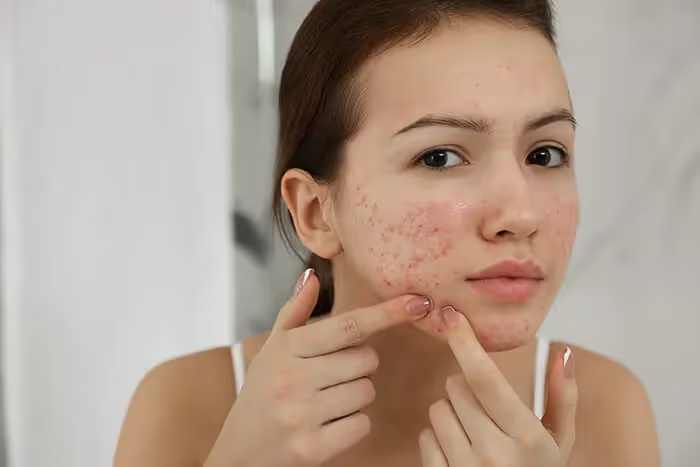
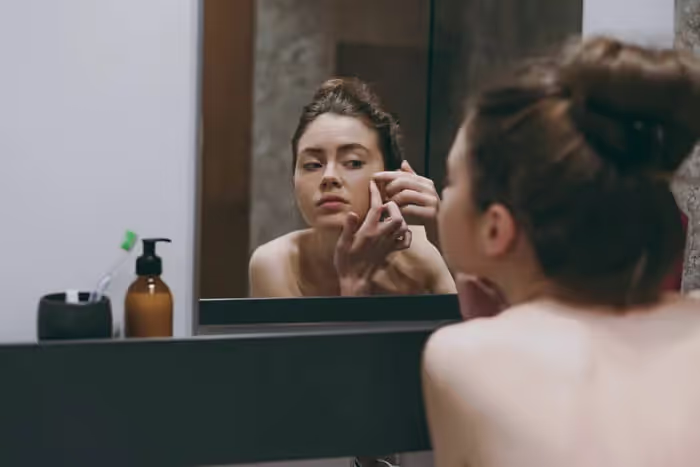
Once puberty begins, the first blackheads and pimples also appear. This is what this is about hormonal acne (also known as childhood pimples) and it is a typical phenomenon that occurs in both boys and girls. Hardly anyone escapes it. Around 85% of adolescents and young adults get acne. For girls, this is usually between 14 and 18 years, for boys a little later: between 16 and 19 years. This acne will disappear by itself. Before the age of 25, she often disappeared. However, it can happen that the acne remains persistent. For example, 1% of men and 5% of women still show symptoms at the age of 40. Why is it that it bothers adolescents so much and how can you treat acne during puberty?
Why do adolescents get hormonal acne?
Acne occurs when the sebaceous gland follicle or hair follicle inflames. During puberty, girls and boys produce the puberty hormone. This hormone increases sebum production.
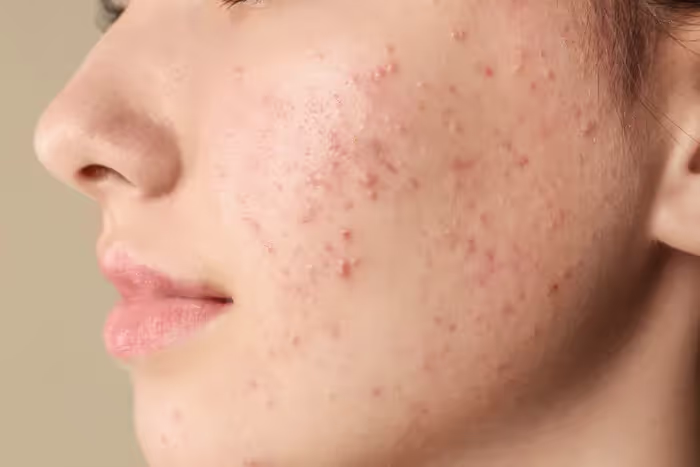
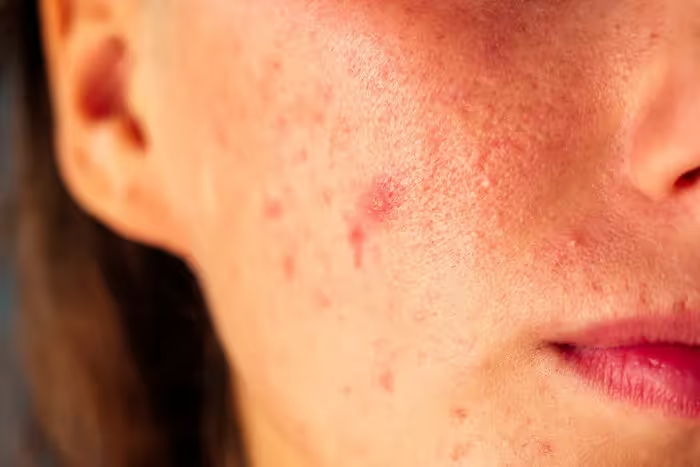
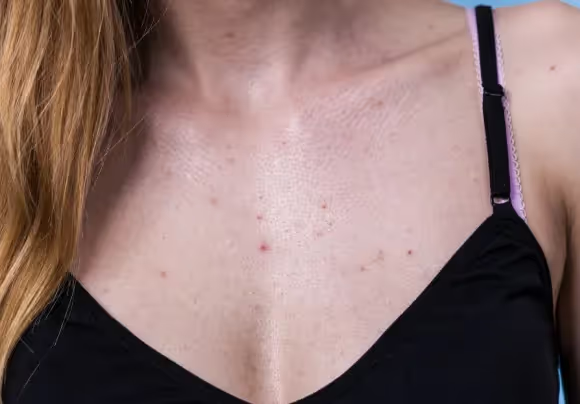
Usually this is at the level of the face and torso. The subcutaneous sebum thickens and creates a build-up of sebum that is difficult to remove. When the drain eventually becomes clogged, blackheads or comedones develop. The sebaceous glands themselves are teeming with bacteria. When the clogged sebaceous follicle drain eventually ruptures open, an inflammatory reaction occurs and you get acne (often acne on the face, jawline and chin).
I'm no longer an adolescent but I still have acne. How is that possible?
In adult women, excess male hormones (androgens) may be the reason for acne. This acne occurs in the same way as in adolescents. In the normal monthly cycle, you will most often see a flare-up of hormonal acne 7 to 10 days before the start of menstruation due to these hormonal changes. That is why it is also known as premenstrual syndrome. Women who take the pill for years and stop taking them notice that they get acne again. So the pill can help prevent acne. A hormonal IUD, on the other hand, will do just the opposite and maintain acne. This is not the case for everyone.
Typical female disorders such as polycystic ovary syndrome (PCOS) can also trigger acne. In this syndrome, the ovaries produce too many male hormones so that ovulation often or completely fails. Patients sometimes don't get their period for months. In men, there is a better hormonal balance and you see much less hormonal acne after puberty.
Other causes of acne that are not hormonal
There are also others acne causes, which we'd love to discuss with you: ****
Acne and Cosmetics
Acne can also appear without hormones having an influence. A common example is the use of cosmetics. That's why it's important not to go to sleep with foundation on the face. Makeup removers and other cleansing products prevent cosmetics from clogging the sebaceous gland.
Acne due to friction or medication
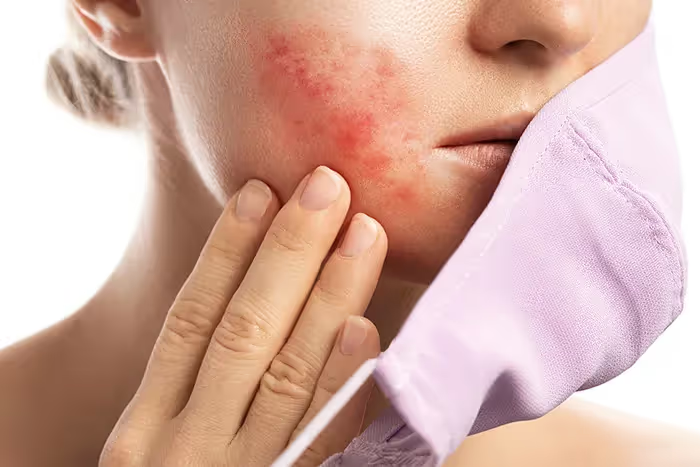
Other objects that cover the face, such as a helmet or a face mask, can cause acne due to pressure and friction, as can the use of certain medications. Cortisone ointment, for example.
Acne and stress or heredity
Another culprit is stress. If your family members suffer from severe acne, it is more likely that you will also develop acne more easily.
There are a few other causes of acne, so be sure to read our article about acne causes.
Acne is always treatable. Ask for advice from dermatologist which depends on the type of acne and its seriousness will recommend appropriate treatment.
%20(1).avif)
.avif)


%20(1).avif)
.avif)
.avif)

.avif)

-min.avif)
-min.avif)
-min.avif)
.avif)


.webp)






















.avif)


](https://static.legitscript.com/seals/624359.png)