.webp)




Sun allergy in children can cause a lot of anxiety for parents, especially during the sunny months when children like to play outside. But what exactly does sun allergy mean, how do you recognize it, and what can you do to prevent or treat it? In this guide, you'll find clear answers and practical tips for dealing with sun allergies in your child.
What do we mean by sun allergy?
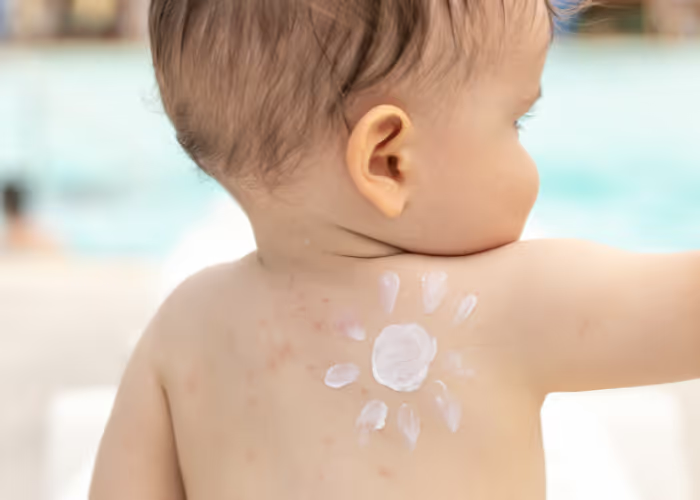
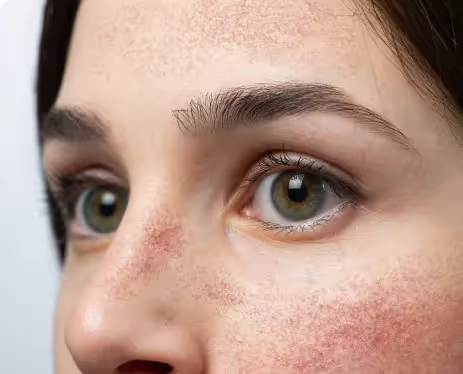
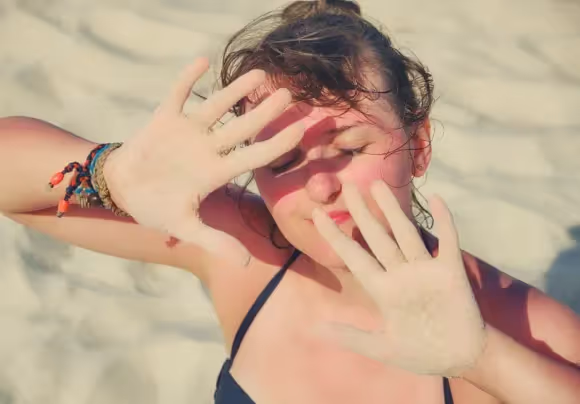
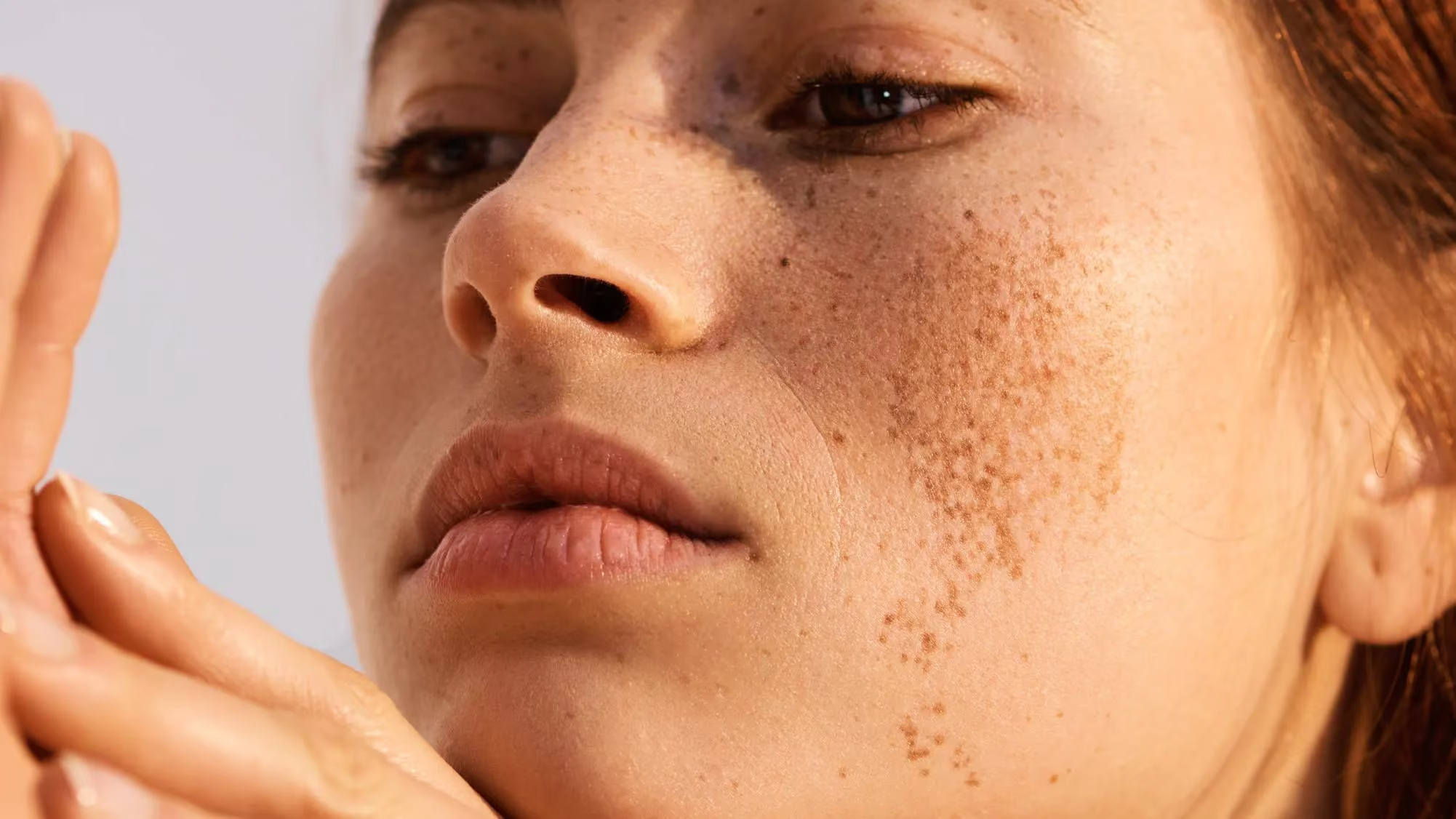
The term sun allergy is actually somewhat misleading, because it is not a real allergy. It is better described as a hypersensitivity reaction in sunlight. The medical name is polymorphic light eruption. It is a skin reaction that occurs when exposed to UV radiation and is common among children. The skin can suddenly react with an itchy, red, and painful rash, even if your child was previously able to play in the sun without problems.
Although annoying, this reaction is usually harmless. With the right precautions and treatment, it is easy to prevent or control. It is important that parents recognize the signs early and intervene on time.
Signs that the sun is not a friend
Recognizing sun allergies early helps to limit discomfort. Keep an eye out for these common symptoms:
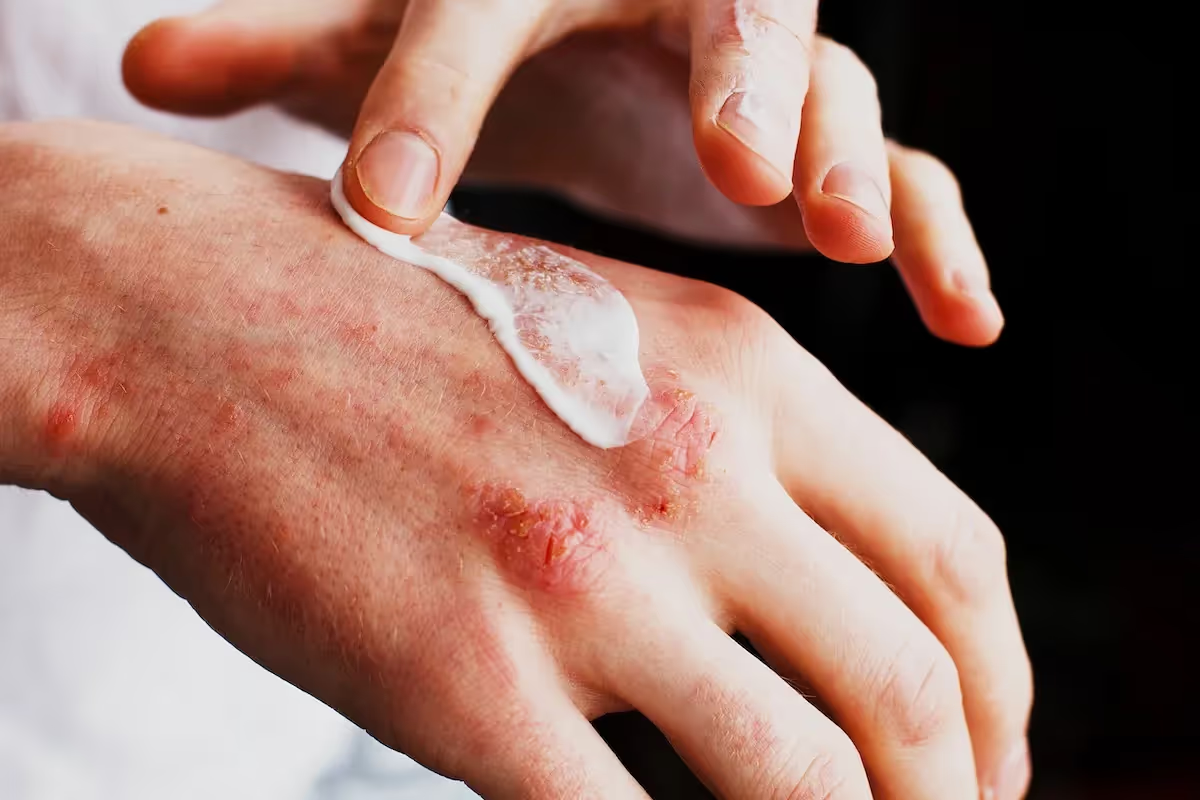
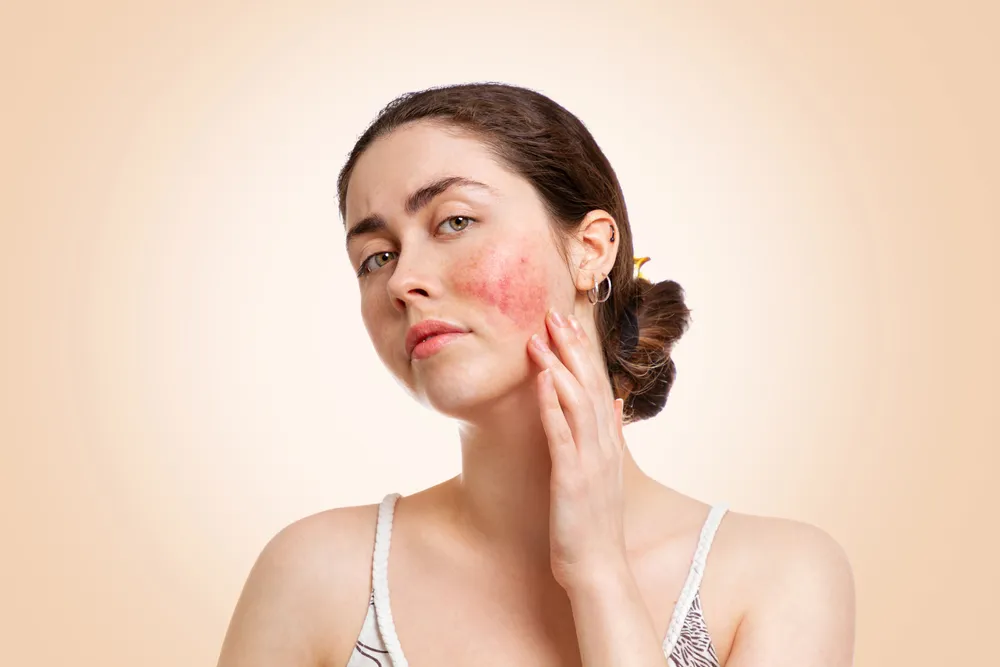
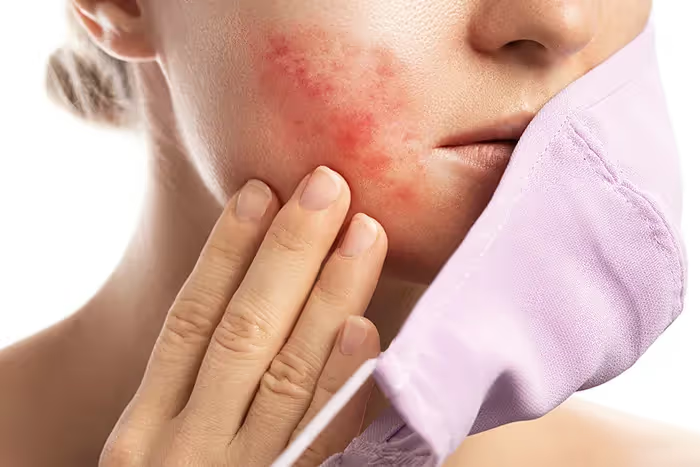
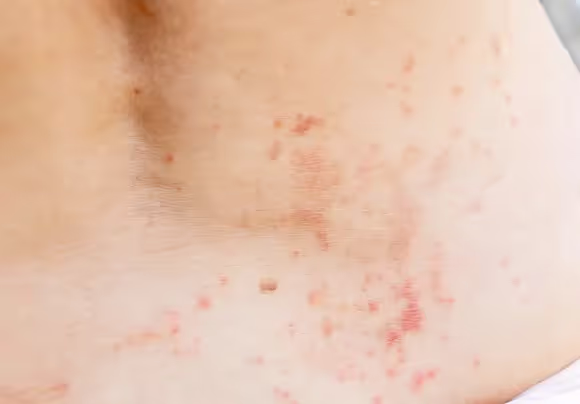
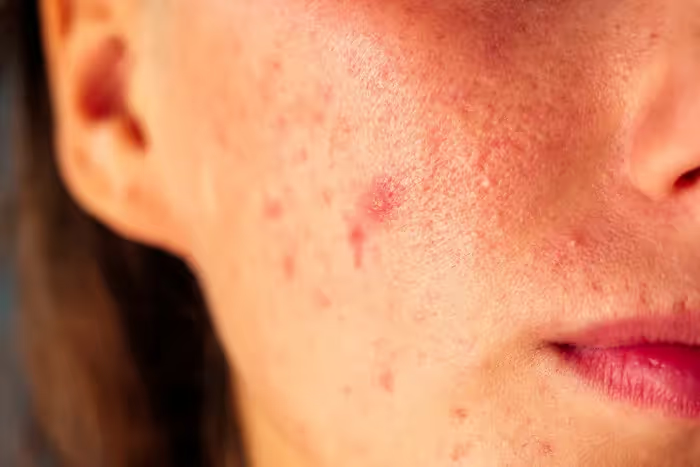
- Red skin: Appears mainly on areas that are exposed to the sun, such as the face, neck, arms, and legs.
- Itching or burning: Your child may complain of irritation or scratch a lot.
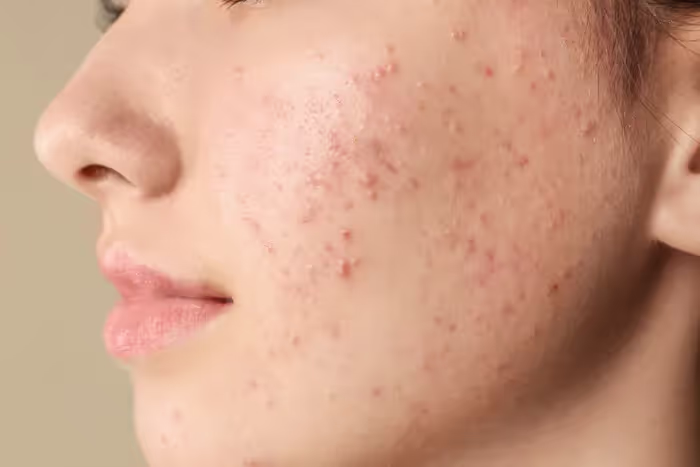
- Bumps or blisters: Small red bumps are common.
- Slight swelling: The affected areas may feel swollen.
- Dry or scaly skin: In some children, the skin flakes slightly.
These symptoms usually occur a few hours after exposure to the sun, but sometimes only the next day. Do not confuse sun allergy with sunburn: you often only see redness and peeling there.
How does sun-stressed skin occur?
The exact cause is not always clear, but hypersensitivity to UV radiation usually plays a major role. Some possible factors:
- UV-A and UV-B radiation: UV-A penetrates deep into the skin and contributes to skin aging. UV-B attacks the upper layers of the skin and causes burns. Both can trigger a response.
- Heredity: If sun allergies run in the family, it is more likely that your child will also suffer from it.
- Medication: Some medications, such as antibiotics or certain antihistamines, may increase sensitivity to sunlight.
- Skin products: Perfumed creams or sunscreens with certain ingredients can give the skin extra stimulation.
Smart sun strategies for sensitive skin
Prevention is better than cure. With these tips, you can reduce the risk of sun allergy:
- Choose the right sunscreen
A sunscreen with SPF 50 that blocks both UV-A and UV-B is essential.
- Sun protection via clothing
Opt for UV-resistant clothing and accessories such as hats and sunglasses.
- Shadow is your ally
Avoid direct sunlight between 11 a.m. and 3 p.m. Go to the shade or stay inside for a while.
- Let the skin get used to the sun
Building up slowly helps: start with short periods and expand them slowly.
- Hydrating is essential
Well-hydrated skin offers greater resistance to irritation.
- Avoid products that can sting
Opt for mineral sunscreens and avoid perfume in care products.
First aid for sun reactions
If your child does have symptoms, you can do the following to alleviate the symptoms:
- Cool down with care
A cold compress or a lukewarm shower helps soothe the skin.
- Gentle aftercare
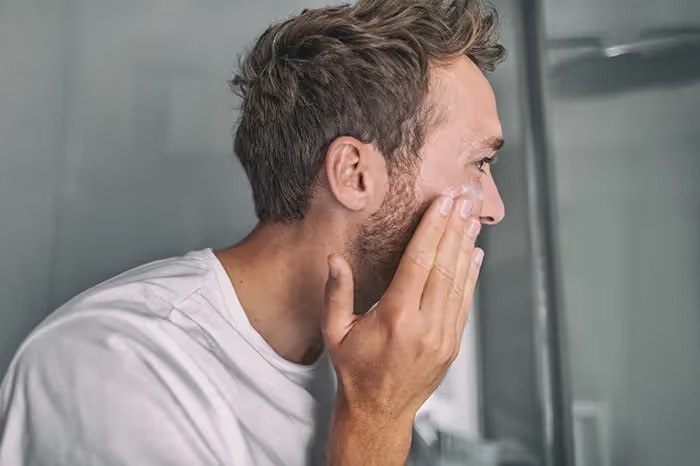
Lubricate with soothing products such as aloe vera or a mild aftersun.
- Avoiding crabs
Make sure the nails are short and use a cooling cloth if necessary.
- Get professional help
If the symptoms are serious, the doctor can prescribe something.
When is it time to get help?
In some cases, it is wise to consult a doctor:
- If the rash spreads to parts of the body that have not been in the sun.
- If the pain or itching is very severe.
- If your child also has other symptoms, such as fever or dizziness.
The doctor can make an accurate diagnosis and initiate treatment if necessary.
Enjoy sunny days carefree
Sun allergy in children can be scary, but is usually easy to control. By paying attention to the symptoms in time and being well prepared, you can let your child enjoy sunny days.
Do you have any doubts or questions about sun allergies? Feel free to contact your doctor or a skin doctor.
With the right approach, it will be a summer full of happy and sunny moments.


%20(1).avif)
.avif)


%20(1).avif)
.avif)
.avif)

.avif)


-min.avif)
-min.avif)
-min.avif)

.avif)


.webp)





























.avif)


](https://static.legitscript.com/seals/624359.png)