.webp)


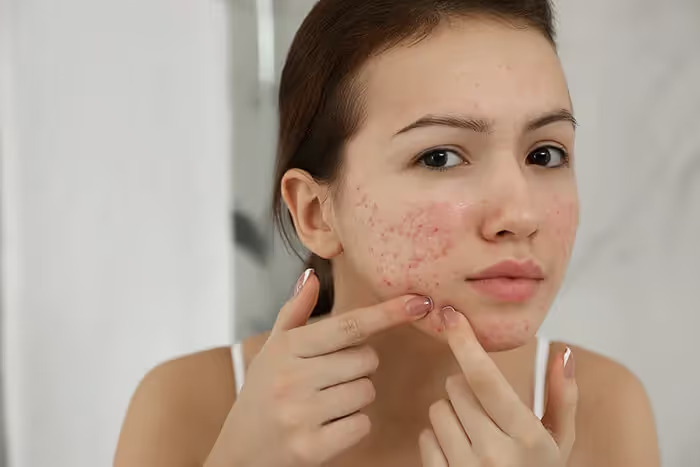
Your skin is itchy. Or you see red spots. What do you do? You're scrolling through Instagram, checking TikTok tips, or asking ChatGPT what it might be.
More and more people are doing that. And that makes sense: with waiting times of up to six months with dermatologists and 43,000 skin consultations per day in Belgium with a doctor, finding help is not easy.
Information is more accessible than ever. But in practice, this information is often scattered, contextless, or simply wrong.
And that's where the problem starts.
Online skin information: a lot, but not always accurate
There is good, substantiated information about skin problems. The problem? It drowns in noise.
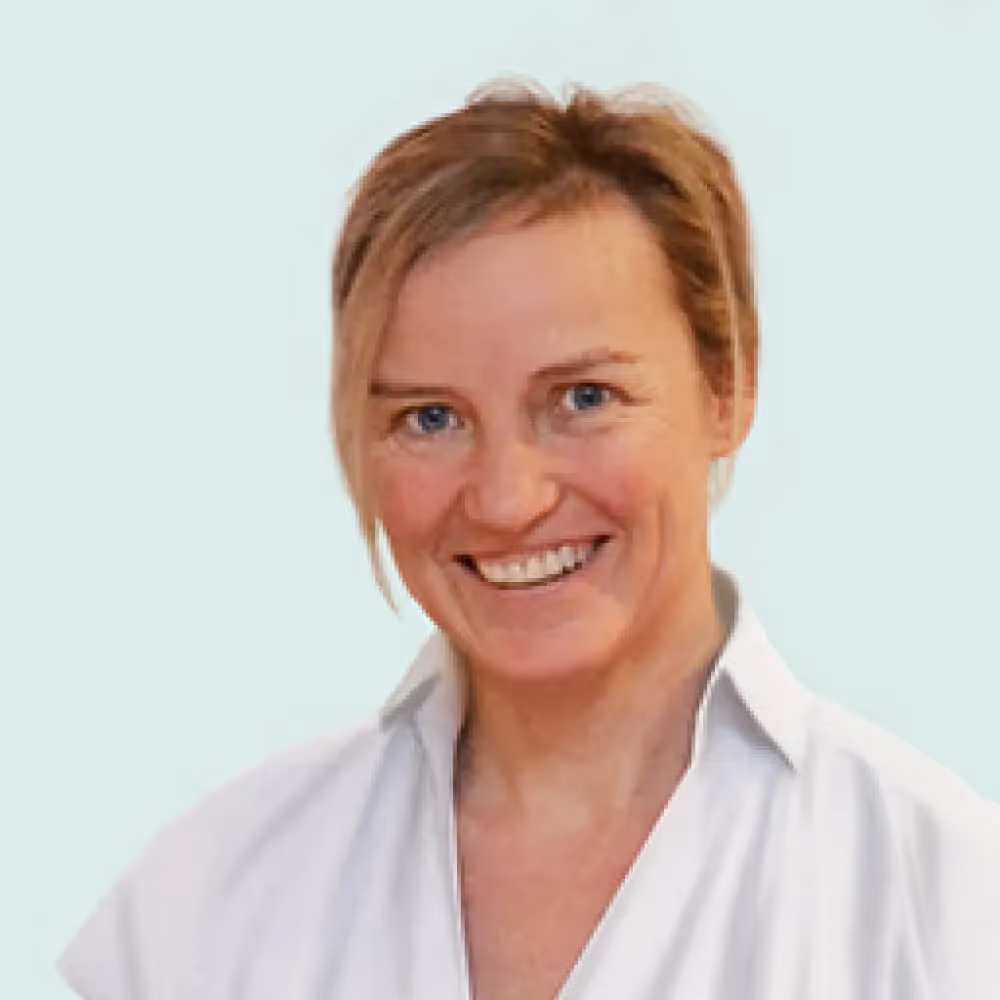
Skincare trends, one-size-fits-all advice and AI tools without a medical context are circulating rapidly. In our clinical practice, dermatologist Annelies Avermaete sees what that means every day.
“I regularly see people in consultations who missed out on certain skincare trends online: not out of ignorance, but because the information was simply incorrect or not suitable for their skin.”
— Annelies, dermatologist & co-founder Skindr
What is shared online rarely takes into account your skin type, lacks nuance about how complaints evolve, and makes no distinction between innocent and clinically relevant.
The result? Confusion, unnecessary anxiety, or just delaying care for too long.
Why scrolling is no substitute for professional advice
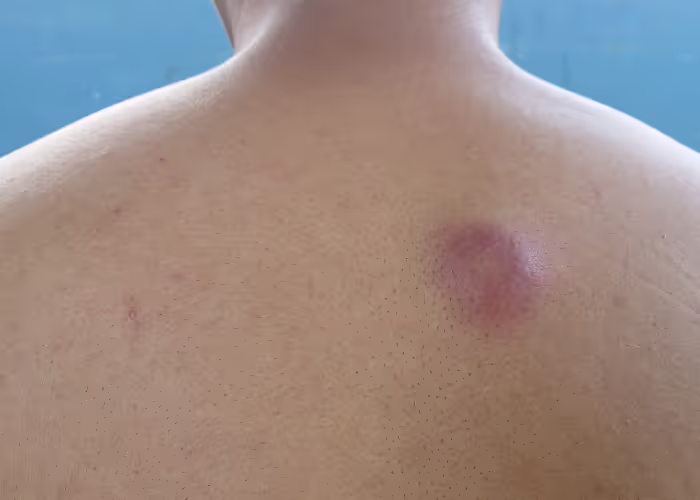
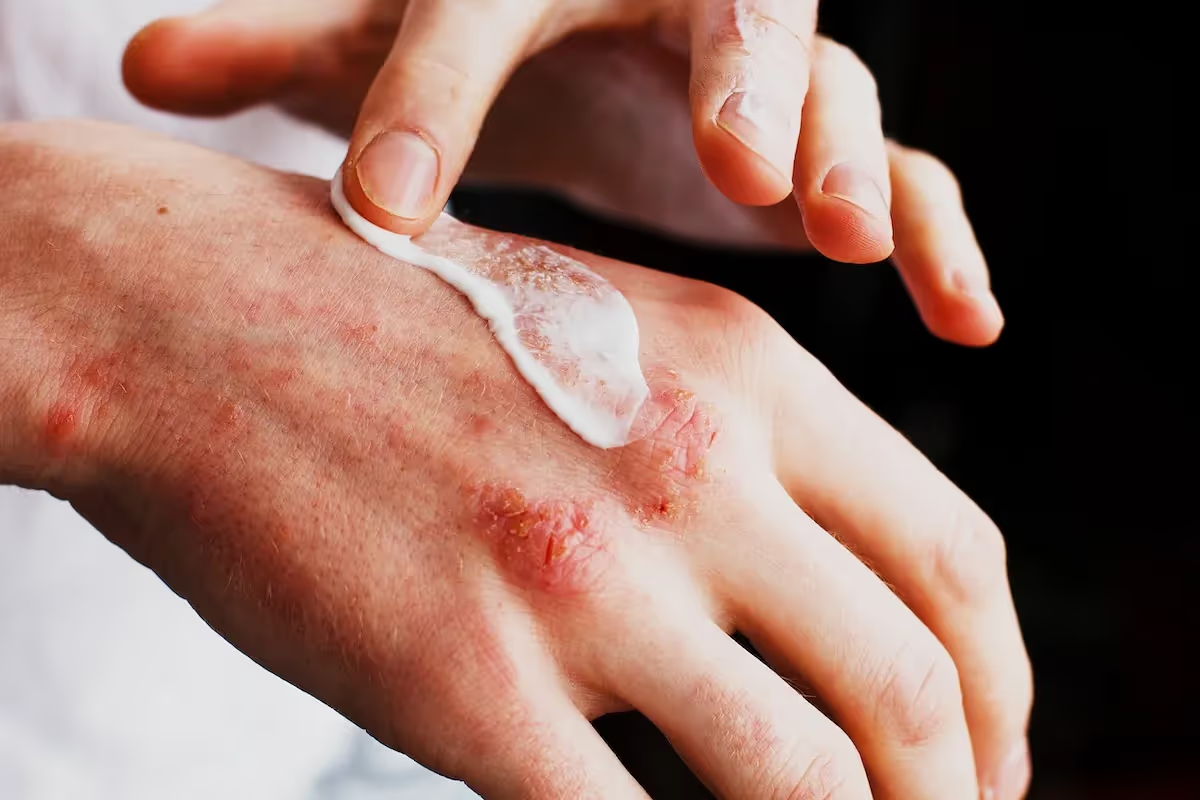
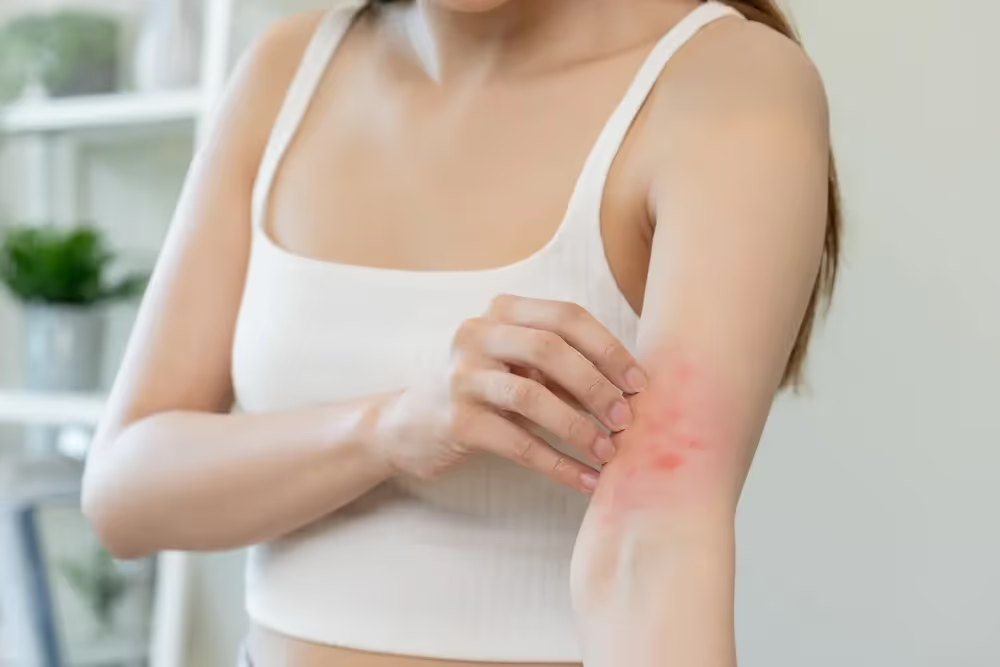
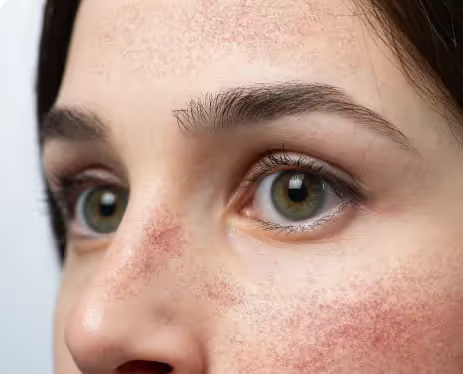
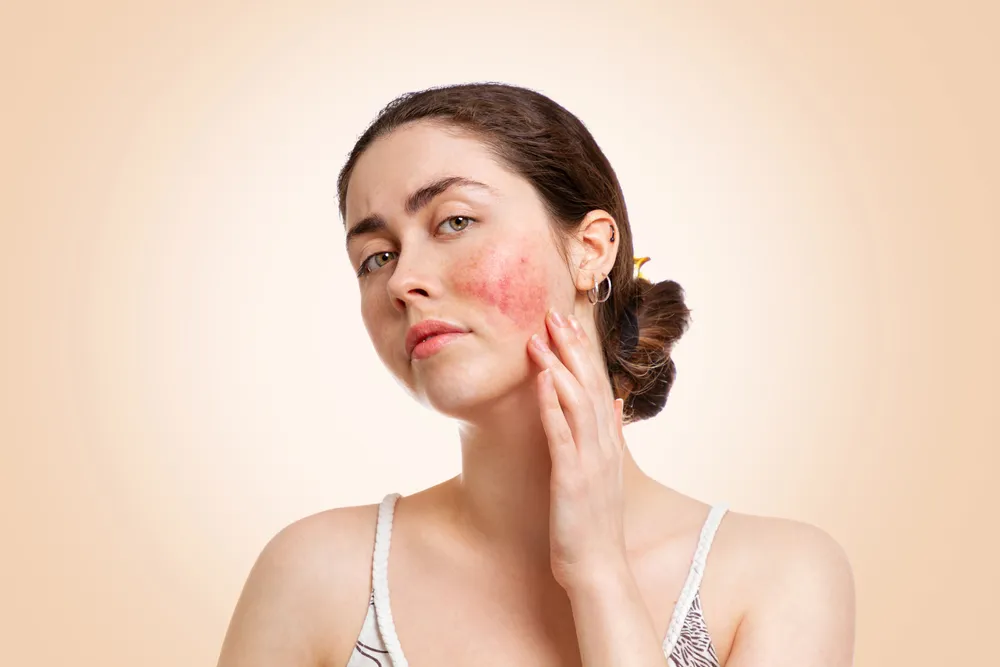
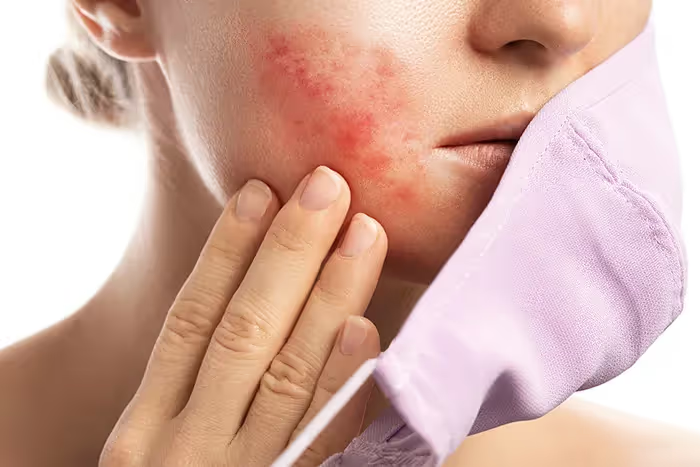
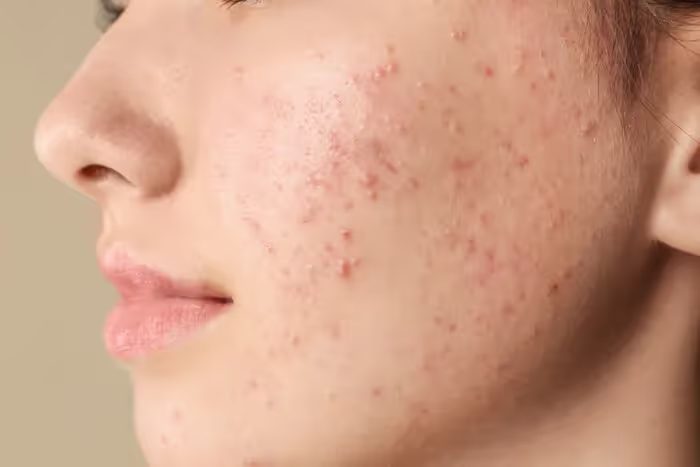
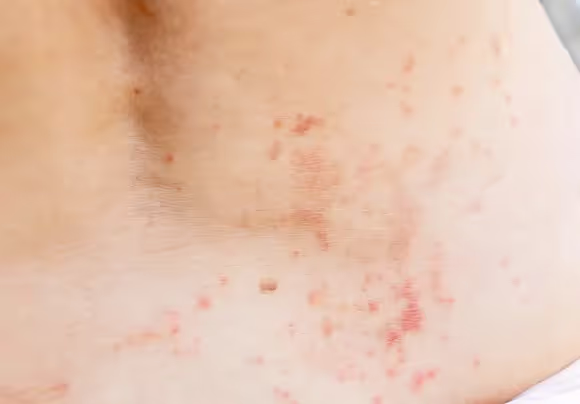
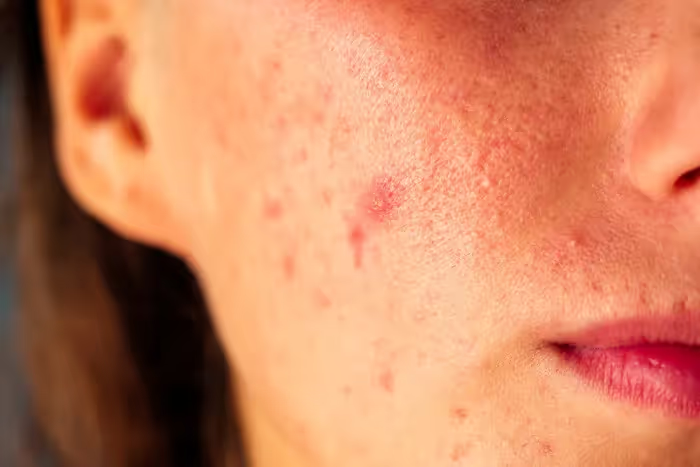
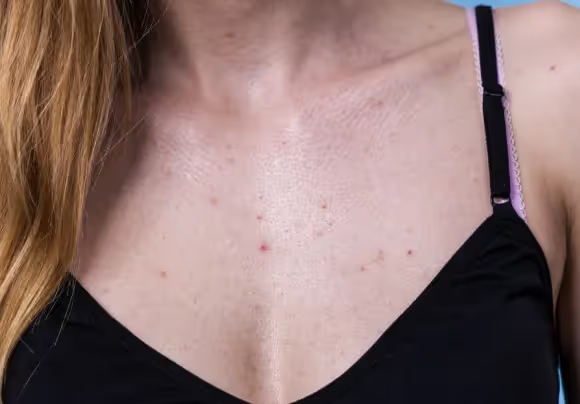
Many skin problems are visually similar, but the cause and treatment can be completely different. Redness can be eczema, rosacea, an allergic reaction or something else entirely.
Online information, driven by trends or algorithms, cannot make that nuance. Scrolling provides incentives and opinions, but no medical explanation.
A correct assessment requires a medical context, scientific substantiation and knowledge of alarm signals. That's exactly where online noise falls short.
Skindr wants to redefine the starting point of skin care
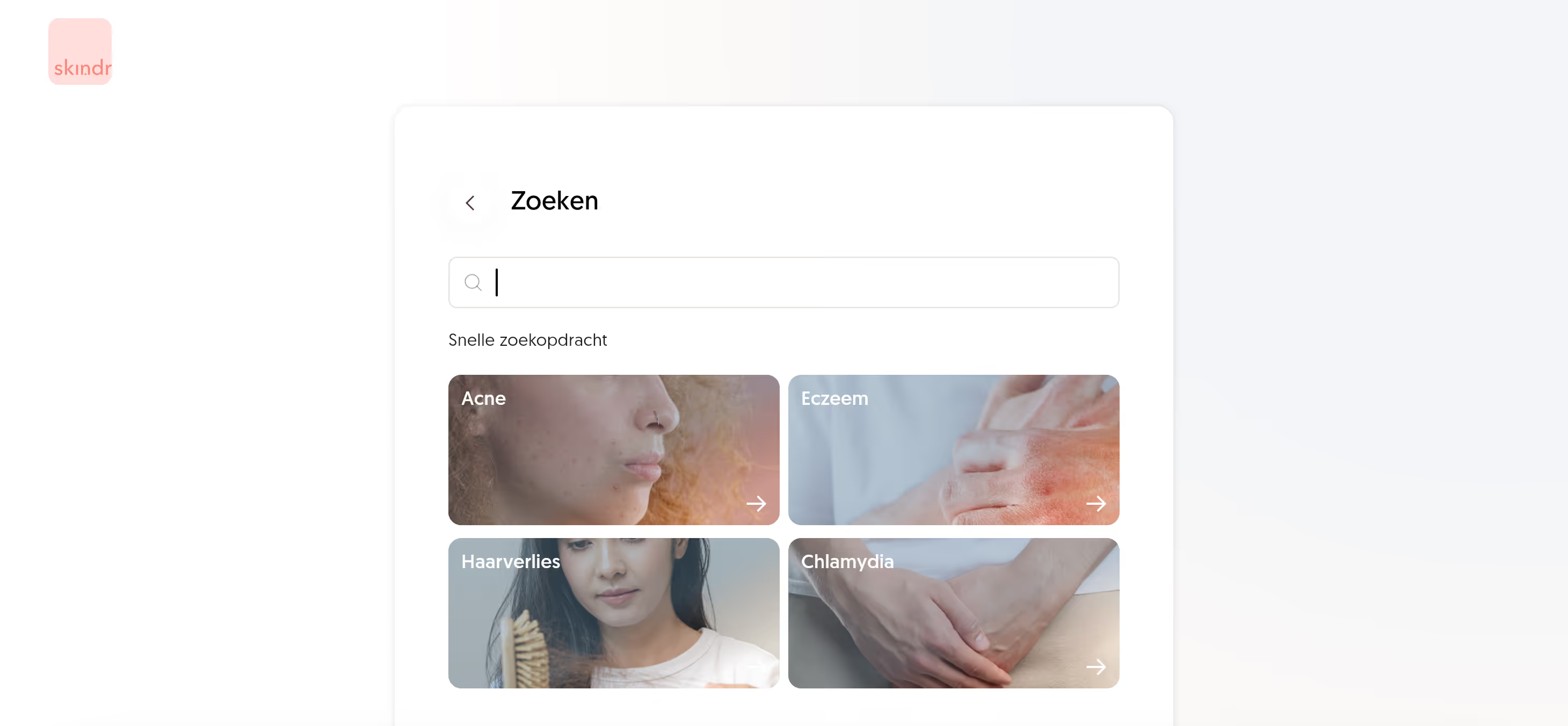
At Skindr, we believe that care can and should start better. Not with trends, not likes, not algorithms, but with scientific, reliable information in understandable language.
That is more important than ever. While the demand for skin care continues to grow (43% of Belgians suffer from a skin condition), the healthcare system is under increasing pressure. By 2030, Belgium may lose up to 20% of its general practice capacity due to the ageing of the medical workforce. It's not much better with the dermatologist, as 25% of all active dermatologists are already 65+.
We can't add more consultations endlessly.
But we can organize care more efficiently.
By getting people off to a correct start with scientifically based information, many skin questions can be answered more quickly and in a more targeted manner. Digital consultations that can be completed safely in a few minutes create space for more complex care in the doctor's office.
That's why we're launching Skindr as the starting point of skin care.
What makes this feature different?
The contents are:
- developed in collaboration with Health & Science
- scientifically substantiated and validated according to the principles of CEBAM (Center for Evidence-Based Medicine)
- checked by licensed dermatologists
- approachable without starting a consultation right away
The goal is to help people to start correctly.
Start with science, not guesswork
With the scientifically based skin information can you:
- consult reliable skin information
- better understand what can happen with your complaint
- estimate when you can wait and when not
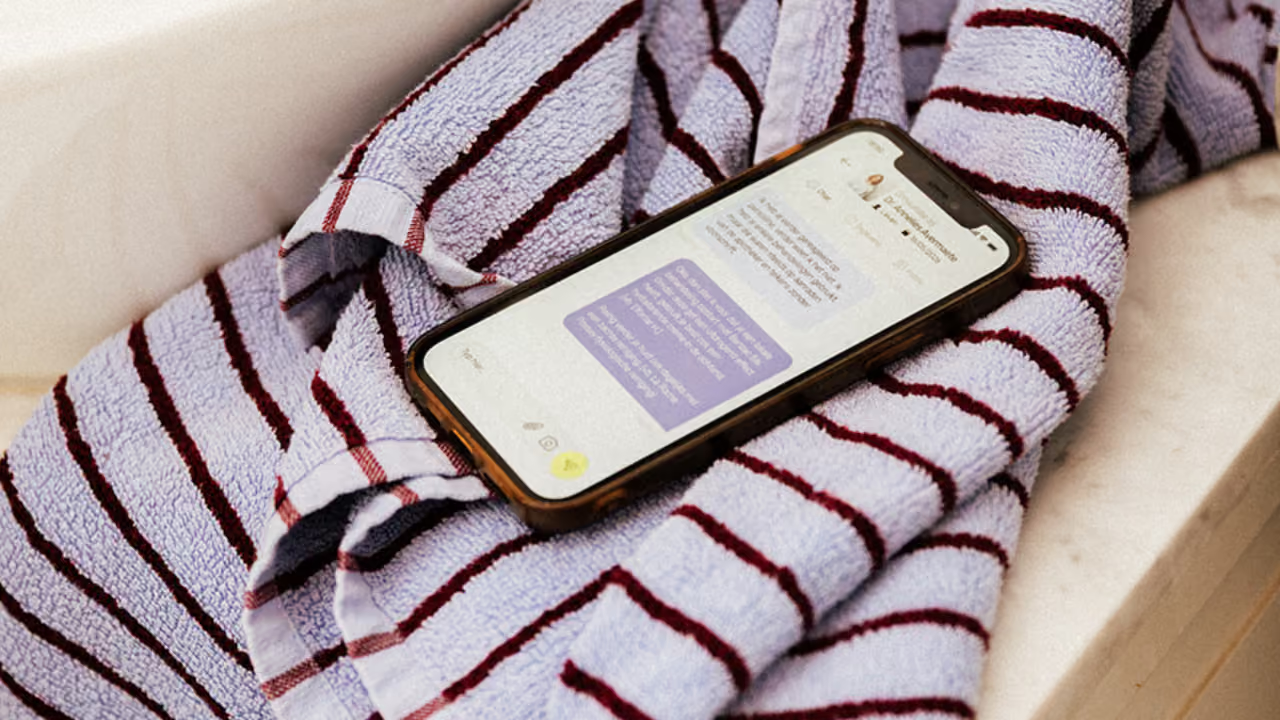
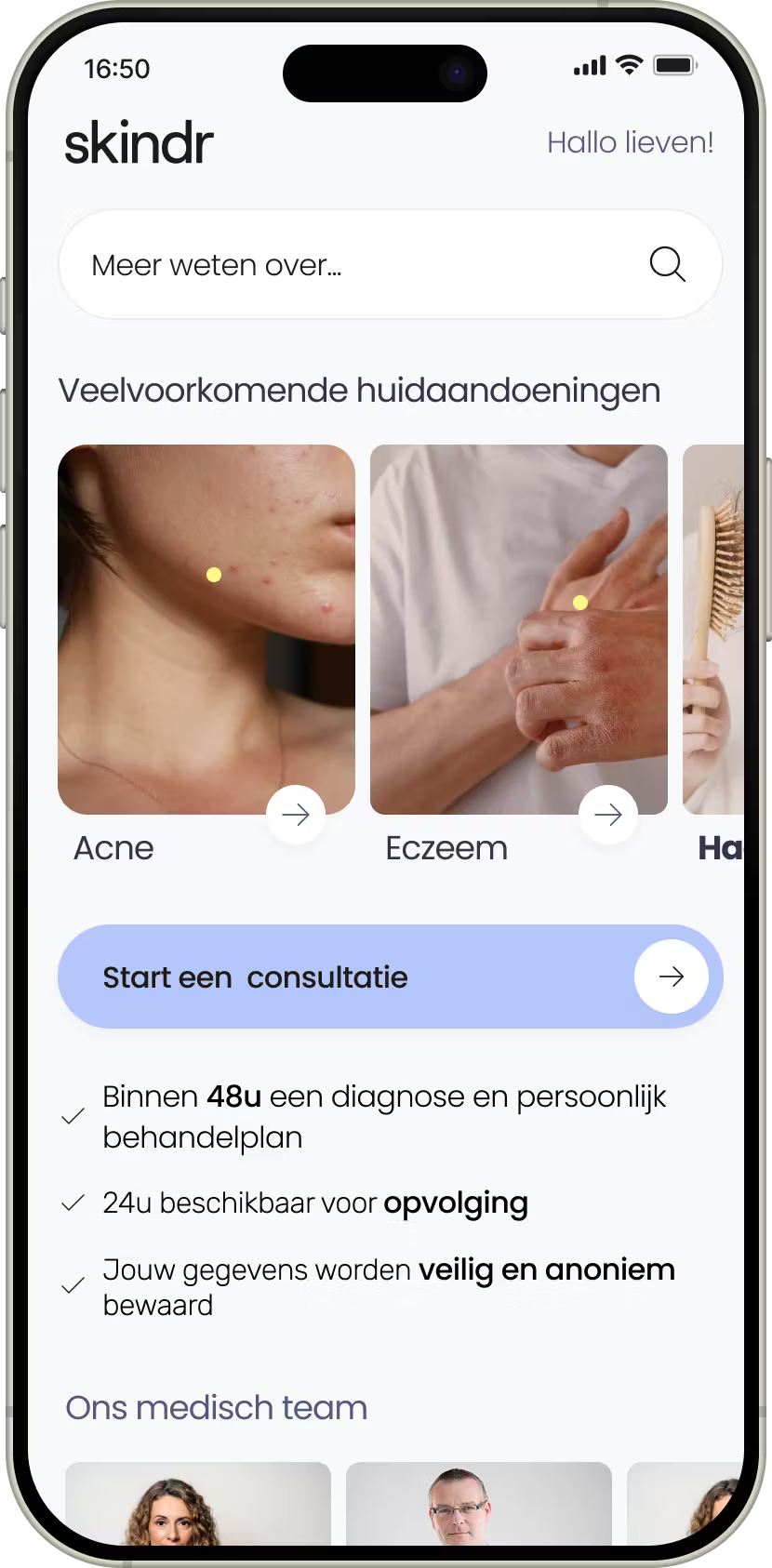
Do you need personal advice afterwards? Then you can go to the same app for a consultation with a licensed dermatologist within 48 hours.
This creates a care path that is logical and responsible:
science → understanding → proper care
Added value for patients and the care system
This is also important for GPs and the wider healthcare system. Today, around 10% of all GP consultations are dermatological, which is more than 9 million consultations per year. Often digitally treatable.
People who start with accurate, scientifically based information:
- come up with more realistic expectations
- ask more specific questions
- make better-timed care choices
- know when to wait and when professional help is needed
This first layer of evidence-based information thus acts as a medical filter before consultation, without replacing the role of doctors. It increases the quality of care for everyone, and helps to use scarce care capacity more efficiently.
The future of healthcare is hybrid, not automated
With the introduction of tools such as ChatGPT Health, AI in healthcare is back on the agenda. What is being automated, and where does human expertise remain essential?
For us, it is not a matter of either technology or healthcare provider. It's about the right combination.
AI is becoming increasingly powerful: efficient, scalable and continuously available. But medical expertise remains indispensable, especially for complex and context-sensitive care issues.
Not every skin condition requires a physical consultation. But not every assessment can be fully automated.
That's why Skindr works hybrid:
- Scientific information helps you get off to a good start
- AI supports intake and risk assessment
- Each assessment is made by a licensed dermatologist
- Digital where it provides efficiency, physically where complexity or humanity requires
The future of healthcare is not black and white. It's hybrid — with technology as the enabler and human expertise at its core.
Good care starts with the right starting point
In a world full of online noise, skincare trends and AI answers, Skindr wants to offer a clear alternative.
A place where skin care starts with scientific context.
Because scrolling is no substitute for professional advice.
That's why you start with Skindr.
Open the Skindr app and discover the new starting point of skin care.


%20(1).avif)
.avif)


%20(1).avif)
.avif)
.avif)

.avif)

-min.avif)
-min.avif)
-min.avif)
.avif)


.webp)






























.avif)


](https://static.legitscript.com/seals/624359.png)