.webp)




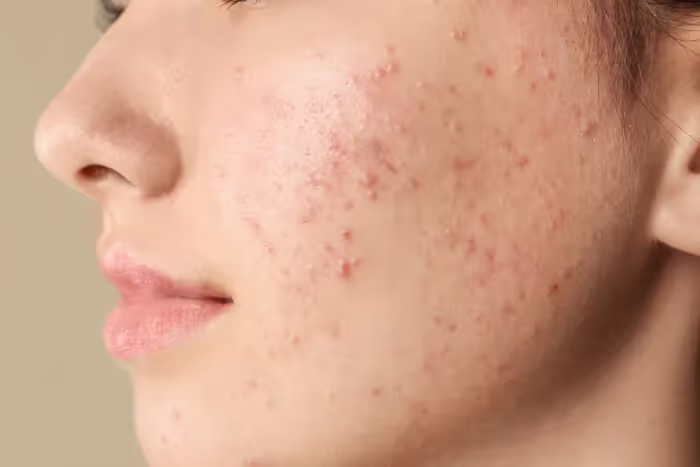
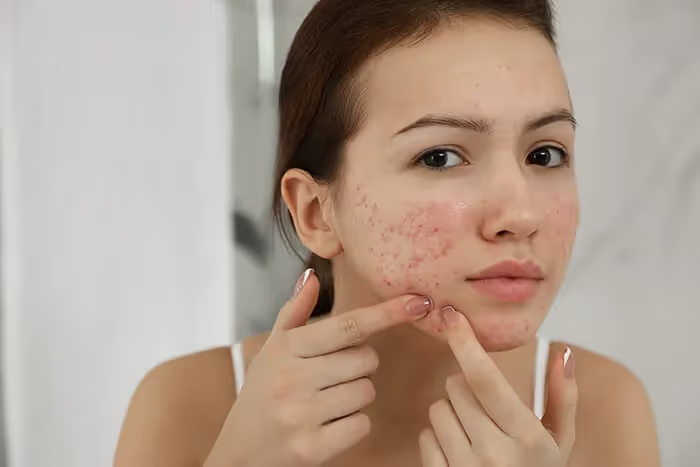
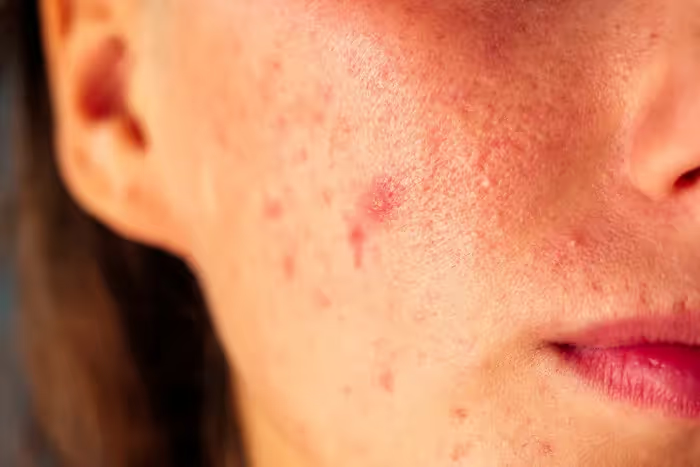
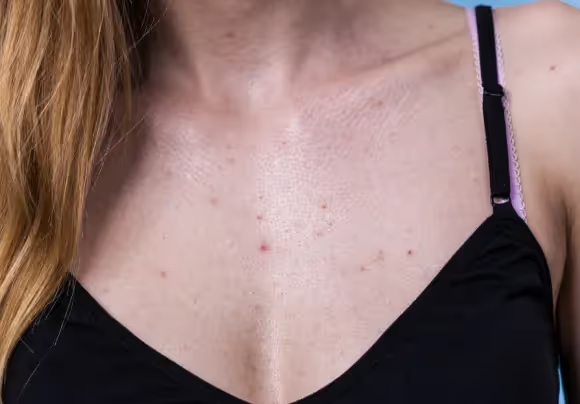
Severe forms of acne often carry a risk of scarring. The inflammation goes deeper than the sebaceous gland and damages the skin tissue. A proper healing process plays a crucial role in this. Learn more here about how to recognise, prevent and heal acne scars.
How do scars form?
The more severe and prolonged the inflammatory processes in acne, the greater the chance of scarring. The inflammation associated with severe acne damages not only the sebaceous gland but also the surrounding tissue. This leads to damage to the connective tissue, such as collagen and elastin, which keep the skin supple and smooth.
Once the inflammation has healed, the normal connective tissue is replaced by stiff scar tissue, which contains few or no new skin cells.
Want to learn more about acne and how it affects the skin? In our free Acne Guide our dermatologists explain how acne develops, how it can be treated, and which myths are completely untrue.

How do you recognise acne scars?
01 Hyper- or hypopigmentation
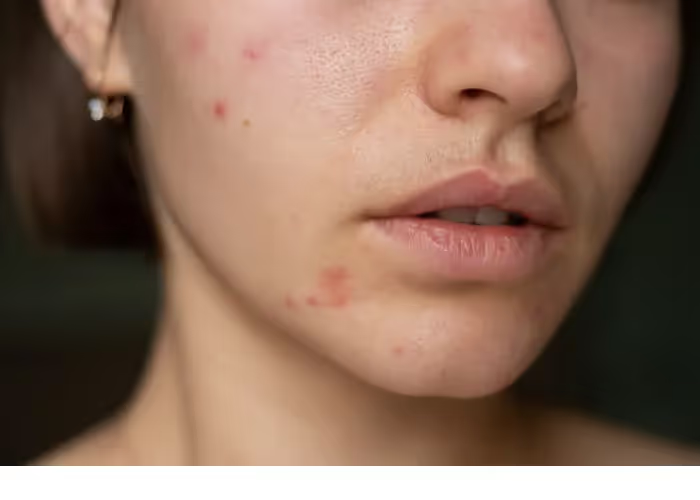
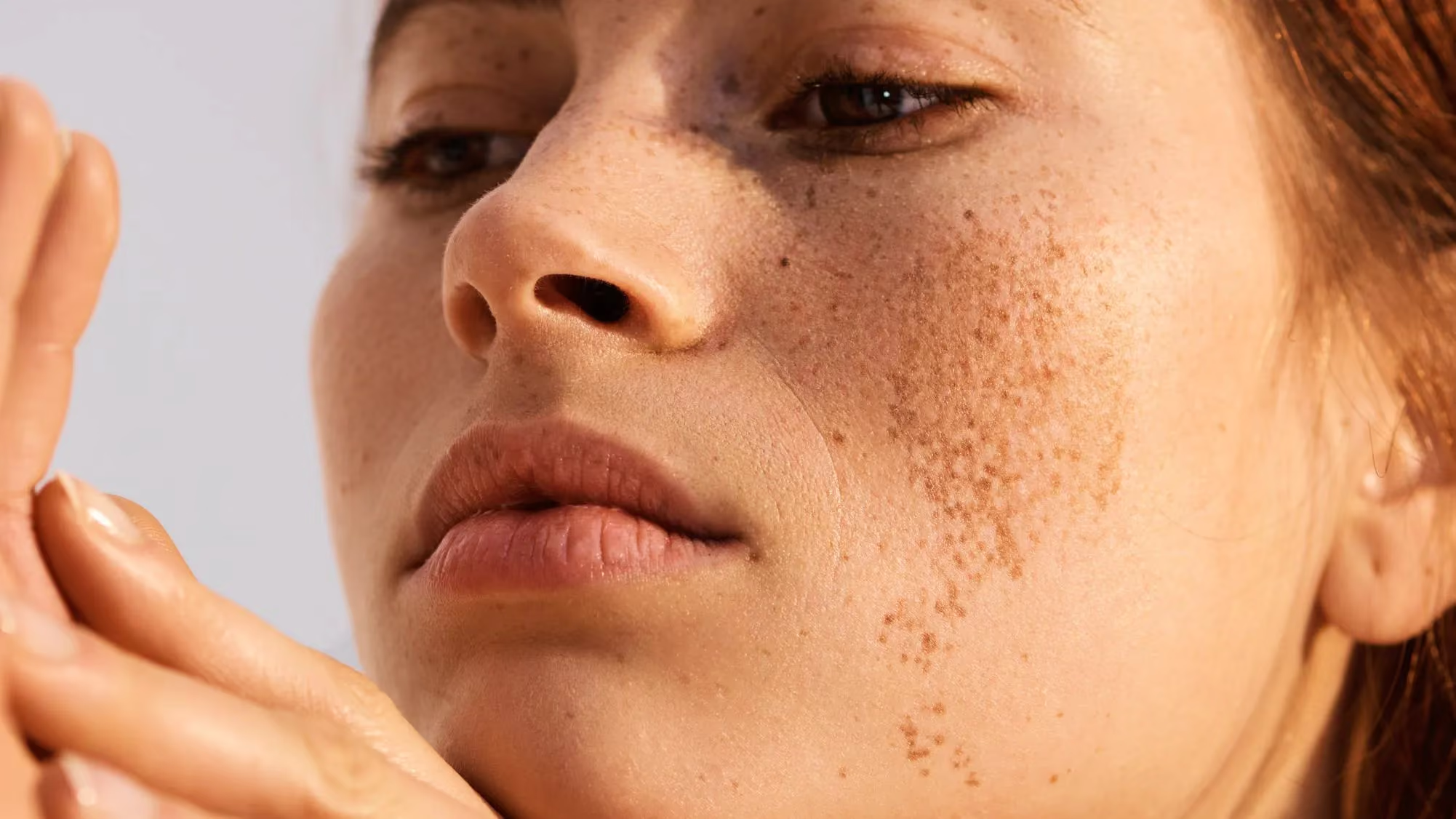
A common form of acne scarring is post-inflammatory skin discolouration. This discolouration can be dark (= hyperpigmentation). While this is the most well-known form of discolouration, the scar can also be light-coloured (= hypopigmentation). This discolouration occurs during inflammation where the healing process is proceeding normally.
So, even after treating acne, your skin may still not look completely healed and clear.
02 Atrophic scars
With atrophic scars, the healing process of the spots is abnormal. Too little 'new' skin is produced, resulting in a depressed scar. These make up the majority of acne scars on the skin. Within this group, they can be further divided into three types based on depth and size.
Icepick (60%-70%): these scars are deeper in the skin and are point-shaped. The opening visible on the skin is wider than the deeper point. This creates a V-shape, which resembles an ice pick.
Boxcar (20%-30%): These scars can be shallow or deep. They are round or oval in shape with vertical edges, resembling an angular U.
Rolling (15%-25%): These scars can also be shallow or deep, but are wider, often exceeding 4-5mm. In the skin, they look like a U, but on the surface, they often take the shape of an M.
03 Hypertrophic and keloid scars
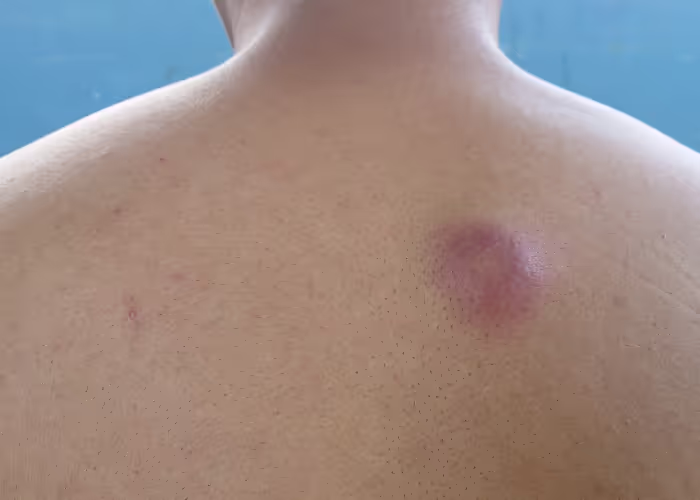
With hypertrophic and keloid scars, too much tissue is produced. This causes the scar to sit on top of the skin as a thickening. These scars often have a rose-red color. The difference between the two? A hypertrophic scar stays within the size of the original blemish, while a keloid scar is larger than the original injury.
3 important tips to prevent acne scars
- The longer the skin is exposed to the infection, the greater the risk of scarring or discoloration. Starting professional treatment quickly with a dermatologist can therefore limit scarring. They can also monitor whether the healing process is progressing well.
- Over-the-counter products do not penetrate deep enough into the skin and often contain concentrations of ingredients that are too low to prevent scarring. When you use the right products tailored to your acne, you can reduce the risk of scarring.
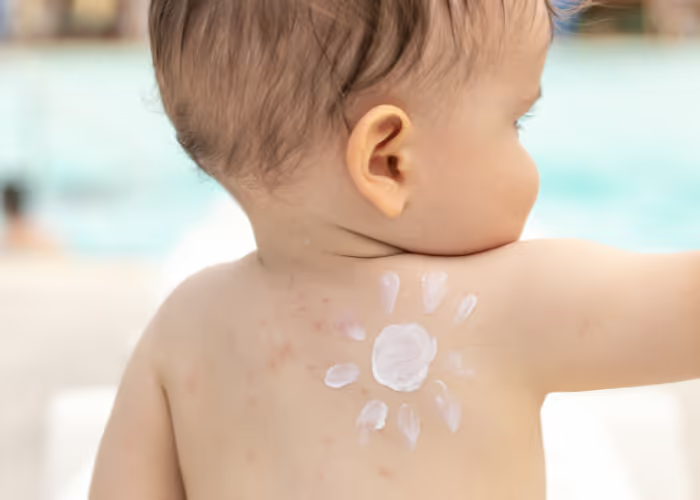
- Your sunscreen is not only good for protecting you against skin aging or skin cancer, it also ensures that your skin and the inflammation are not damaged further. This reduces the chance of acne scars. Also, choose the right makeup to hide your acne, if you wish to do so.
The most common treatments for acne scars
After your acne has been treated , you will likely want to get rid of your acne scars as well. However, first and foremost, it is important to know that there is no guarantee that acne scars will heal completely. It is possible, however, to restore the skin as well as possible so that the acne scars are as minimally visible as possible.
The most common treatments for this are peels and laser therapy. These treatments can only be started once the acne has completely calmed down. After a course of oral medication that significantly reduces sebum production, it is even recommended to wait at least 6 months after the end of the course, as your skin will otherwise be too vulnerable. If you are using a topical acne treatment, wait a while after stopping before having your acne scars addressed.
Because your skin is more vulnerable to sunlight (and therefore pigment spots) after a peel or laser treatment, these procedures are only performed in the autumn or winter. We will discuss some of the most common treatments for removing your acne scars: laser treatment for acne scars or using a peel.
Peeling
With a fruit acid peel or chemical peel, the dermatologist applies an acid to your skin, which causes it to exfoliate in the days following the treatment. This helps fade pigmentation spots and small, superficial scars. Multiple sessions are usually required.
Laser treatment for acne scars
Treatment with the fractional CO2 laser not only creates a superficial peeling effect but also stimulates collagen production deeper within the skin. This allows it to treat slightly deeper acne scars as well. Multiple sessions are required here too.
Are you suffering from severe acne and feeling concerned? Or are you noticing the early signs of scarring? Whatever the type of acne may be, our dermatologists are via the Skindr app always ready to help you start a treatment that optimally supports your recovery.



%20(1).avif)
.avif)


%20(1).avif)
.avif)
.avif)

.avif)

-min.avif)
-min.avif)
-min.avif)
.avif)


.webp)




























.avif)


](https://static.legitscript.com/seals/624359.png)