.webp)



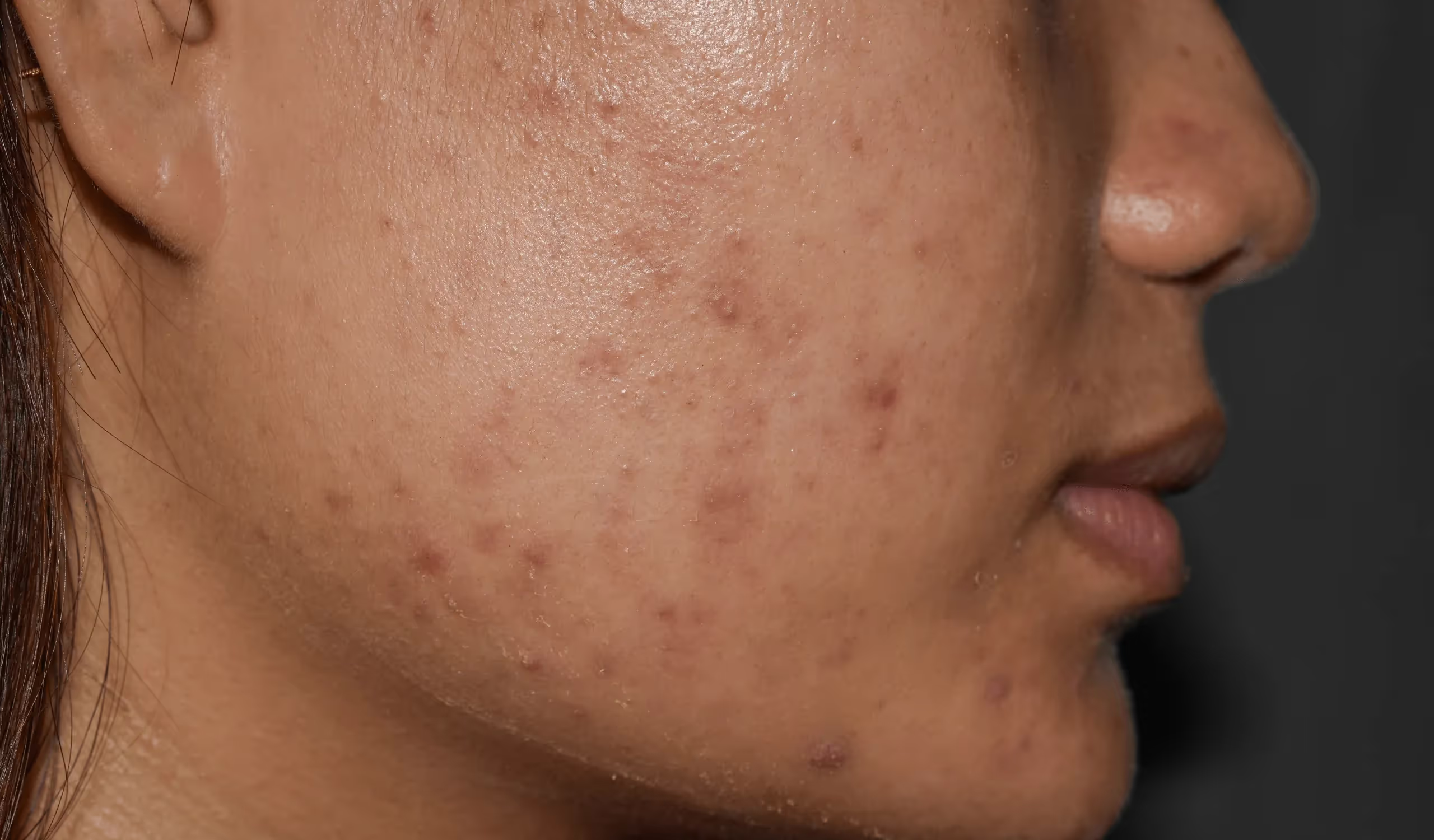
What are the causes of acne?
What is acne and who will have to deal with it?
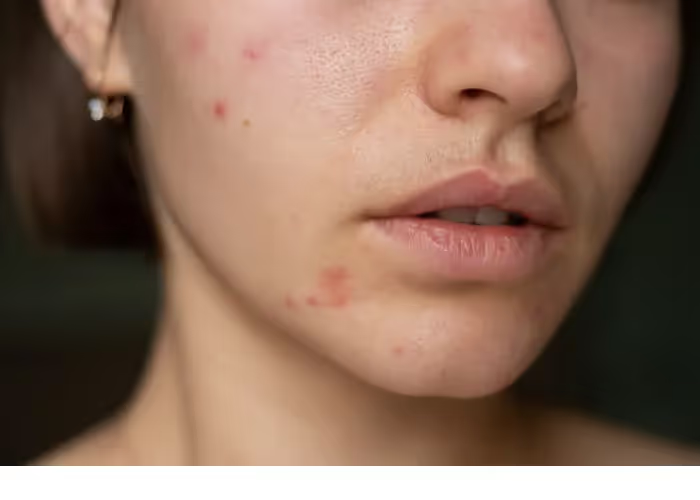
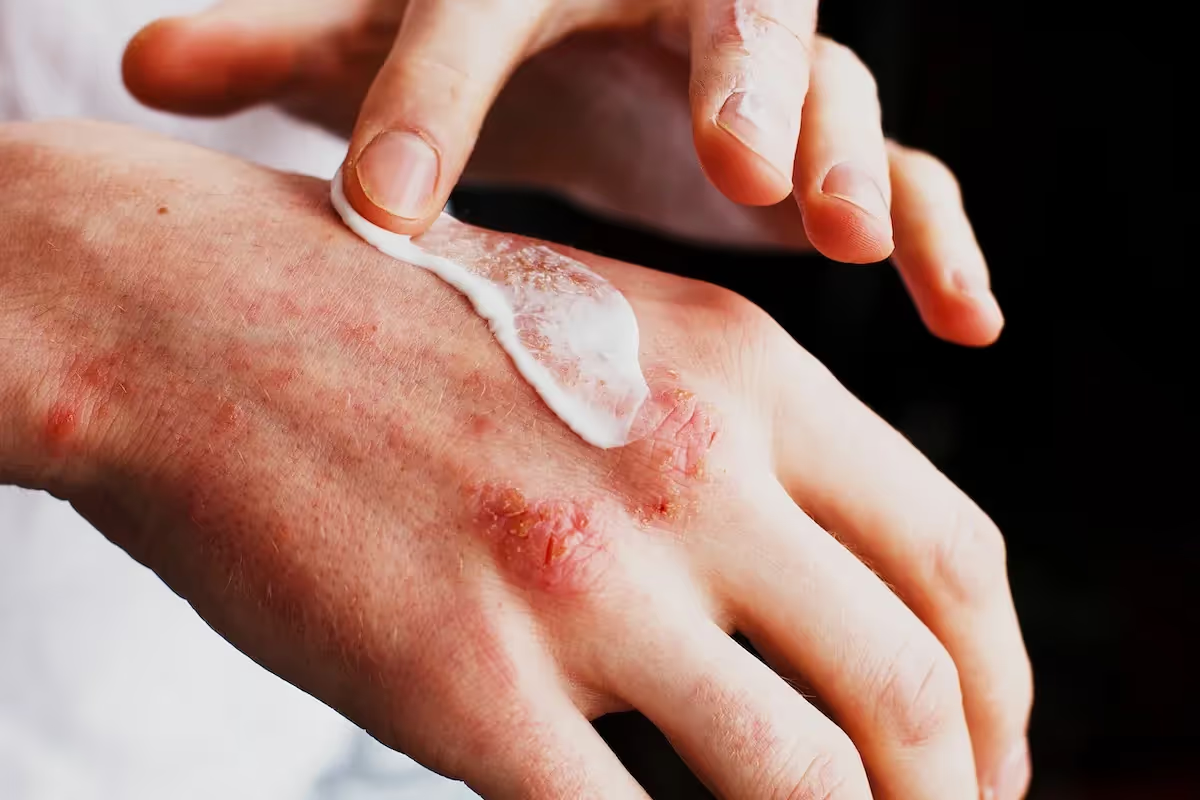
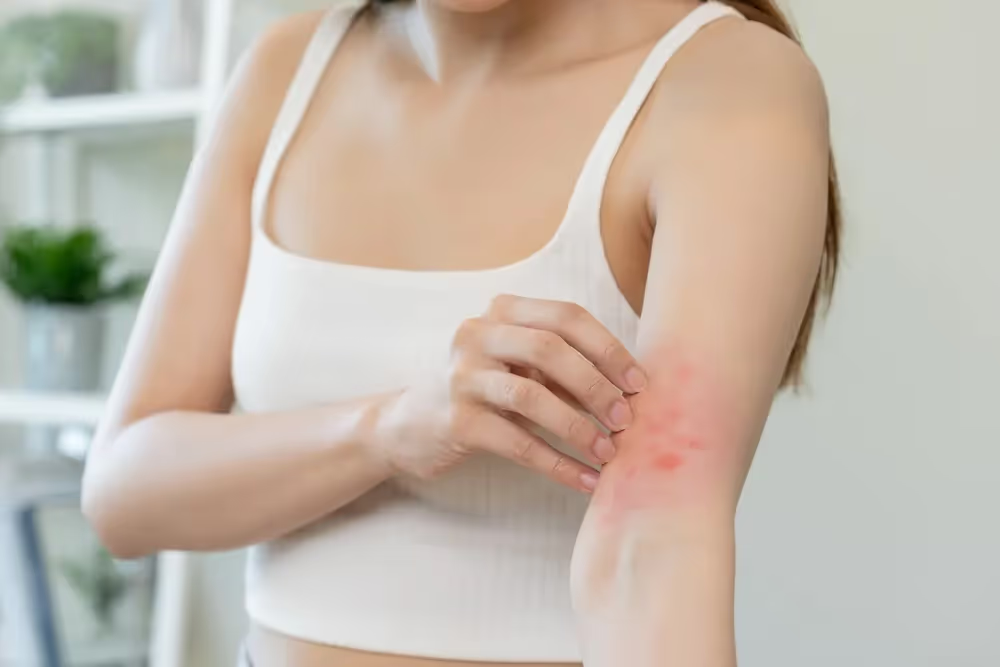
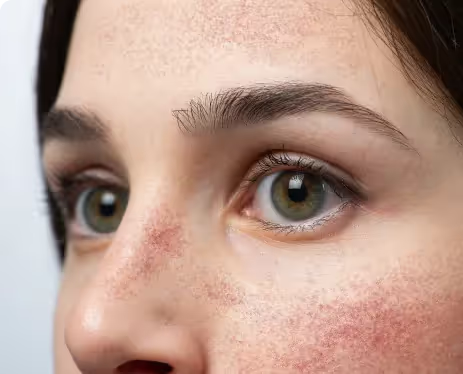
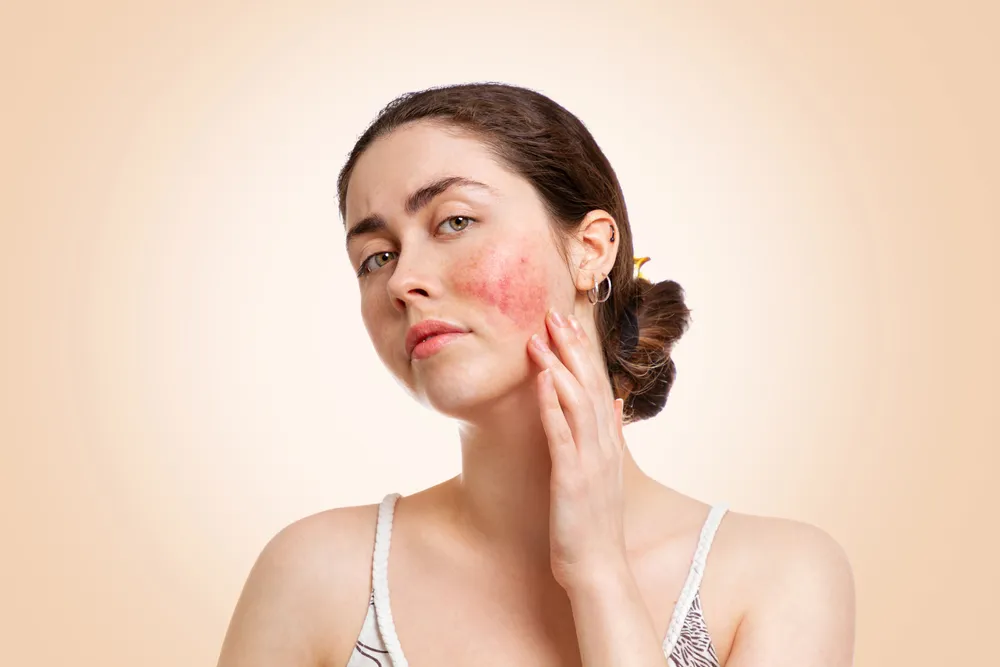
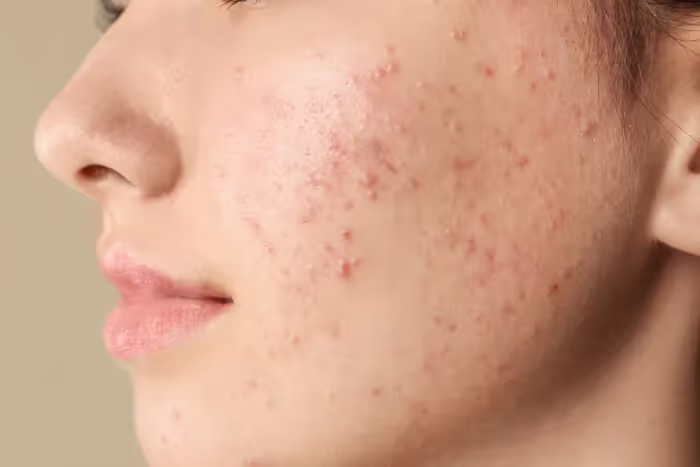
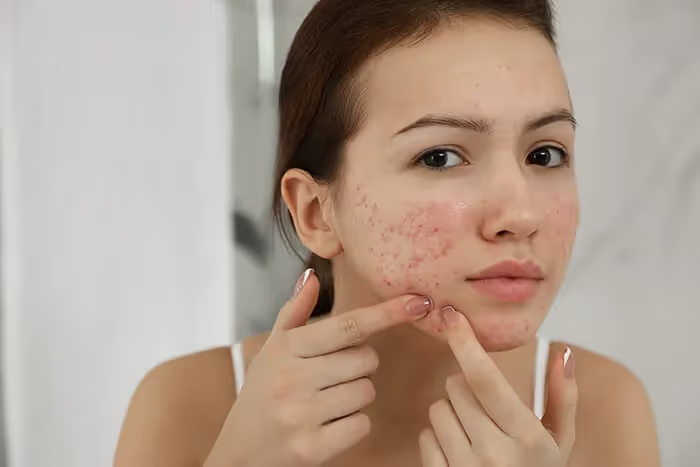
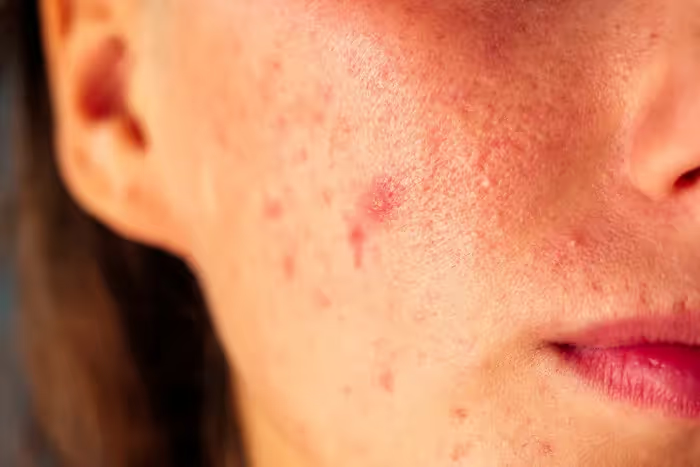
Acne is a common skin condition that is often associated with teenagers and is known as “juvenile pimples.” However, it is important to emphasize that acne is not just a problem of puberty; many adults also suffer from it later in life.
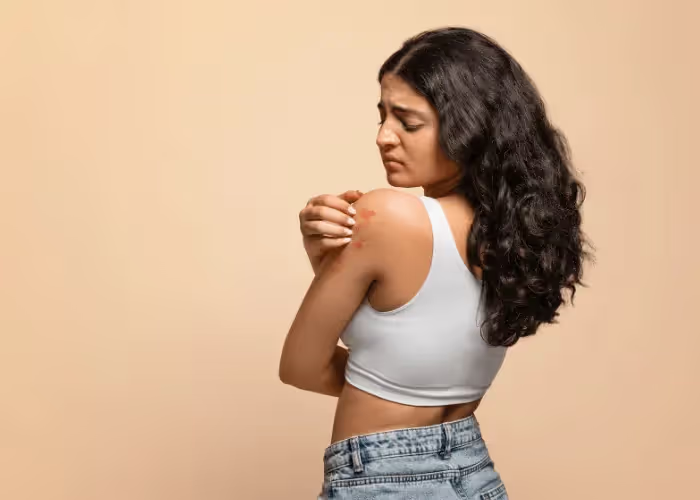
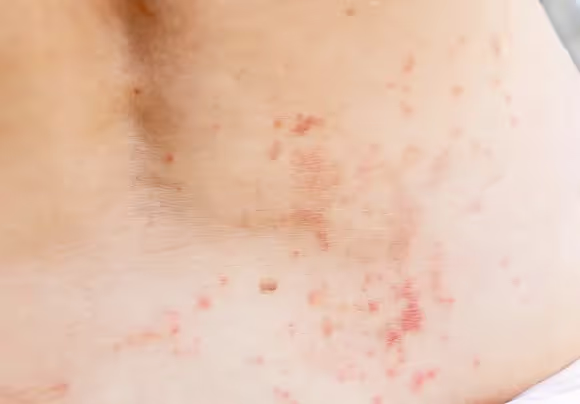
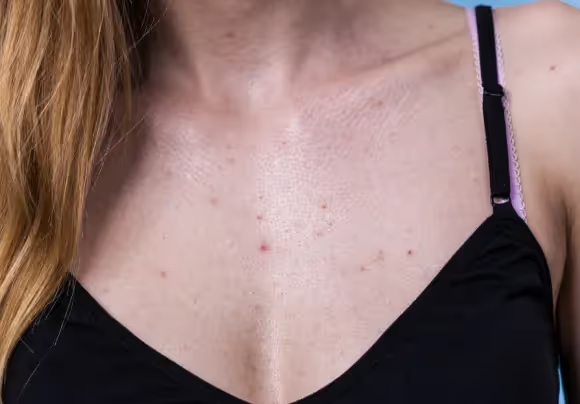
For some, acne is just a temporary phase, while others have to deal with it for a long time, sometimes even well into their adult years. These impurities, blackheads, and inflammations usually occur on the face, back, shoulders, and chest. Hormonal changes often play a major role in this and can make acne worse, especially in women during menstrual cycles, pregnancy or menopause.
Although acne is often seen as an aesthetic problem, it can also have an emotional and psychological impact. But what exactly causes acne, and what can you do about it? That's what we'll discuss in this article.
Hormones and Acne
If you have acne, you probably know that your hormones play a major role in this. During puberty, the increased production of hormones such as androgens causes sebaceous glands to produce more sebum. This excess sebum, along with dead skin cells, can clog pores, leading to blackheads, pimples, and acne, and this will make your acne worse.
But hormonal fluctuations, including acne and pimples, are not limited to puberty. Many adults still experience acne due to hormonal changes, for example during pregnancy or in the premenstrual phase. Even in your late twenties, hormonal imbalances can affect your skin.
What you see on the outside shows that a lot is happening behind the inside. Hormones therefore always play a key role in causing acne and pimples and having clear skin.
What can you do?
- Maintain balanced hormonal health by pursuing a healthy lifestyle and realize that hormonal changes don't just occur during puberty.
- If hormonal fluctuations are suspected as the cause of your acne, consult your doctor first. Research into a hormonal imbalance is particularly useful when, in addition to acne, there are other symptoms, such as excessive body hair, an irregular menstrual cycle or fertility problems, for example.
Your skincare routine
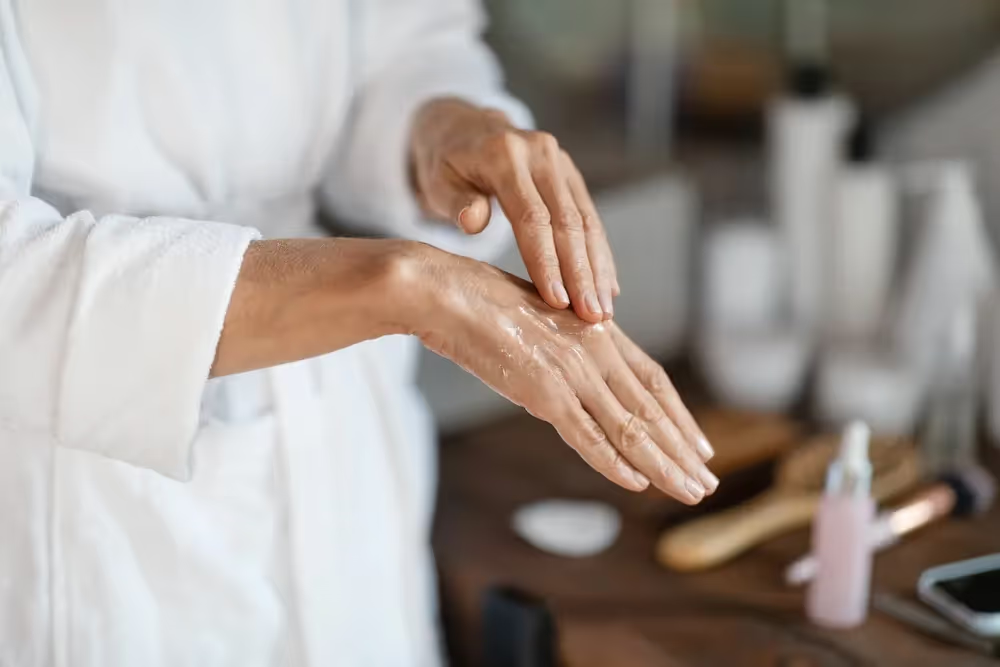
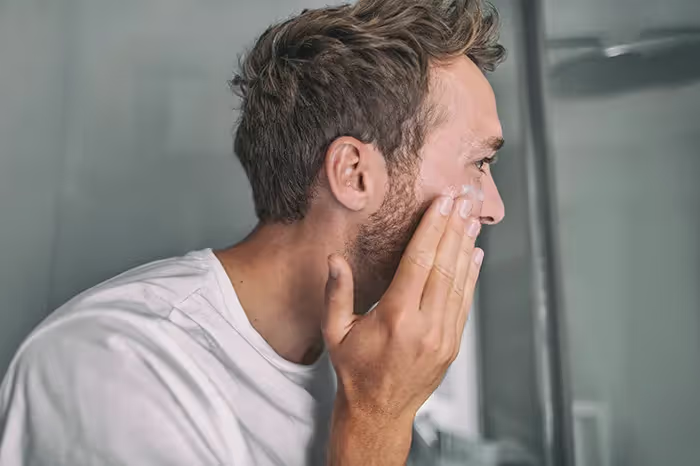
In addition to internal factors, external skin care also plays an important role in combating acne and blackheads. An inconsistent or wrong skincare routine can make your skin oilier, cause blackheads and clogged pores, and even cause irritation. On the other hand, a good and consistent routine can balance your skin, reduce blackheads, and combat inflammation.
Key steps in a routine for acne-prone skin include:
- Clean thoroughly but gently: Use a mild cleanser for your skin that removes excess sebum and dirt without drying out your skin.
- Exfoliate: Opt for chemical exfoliants like salicylic acid, which remove dead skin cells and cleanse pores.
- Hydrate: Use a light, non-comedogenic moisturizer to keep your skin hydrated without clogging pores.
- Sun protection: Sunblock with spf 50 is essential to prevent skin damage and reduce pigmentation.
Taking care of your skin is important, but be careful when using harsh products or following trends and hypes indiscriminately. Some products promise quick results but can damage your skin barrier and make your skin more vulnerable.
Instead, opt for mild, skin-friendly products to apply to your face. Listen to what your skin needs and focus on long-term health rather than short-term solutions.
Stress and Acne
Stress and acne form a vicious cycle that can be difficult to break. When you experience stress, your body produces more cortisol, a hormone that indirectly stimulates an increase in sebum production.
This causes the sebaceous glands to produce extra sebum, which leads to more pimples and irritations. In addition, stress can influence your sleep quality and diet, which also contributes to skin problems.
What can you do?
- Practice relaxation techniques, such as yoga, meditation, or breathing exercises to reduce stress.
- Get enough sleep and exercise to control your stress levels and reduce tension.
- Schedule regular time for yourself to relax, restore your energy, and reduce stress.
Nutrition and Acne
The relationship between acne and diet has been a topic of debate for years. While some people find that certain foods worsen their skin, the scientific evidence is often inconclusive.
Foods such as dairy products or foods with a high glycemic index, such as white sugar, are often associated with acne.
At the same time, nutrition can be a supporting factor for healthy skin. This is more about avoiding foods that can trigger inflammatory reactions and eating skin-friendly nutrients such as zinc, omega-3 fatty acids and vitamins.
What can you do?
- Keep a food journal to recognize patterns between what you eat and how your skin reacts.
- Focus on a balanced Mediterranean diet with lots of vegetables, fruit and whole grains and drinking plenty of water
What can you do about acne?
So we can conclude that acne and pimples are complex conditions that are influenced by a combination of internal and external factors. Internal triggers such as hormonal fluctuations often play a major role, especially during puberty, pregnancy or the menstrual cycle.
In addition, diet can have an important influence; foods with a high glycemic index, such as sugar and processed carbohydrates, can make acne worse. Stress should not be overlooked either, as it increases cortisol production, which can lead to increased sebum production and inflammation.
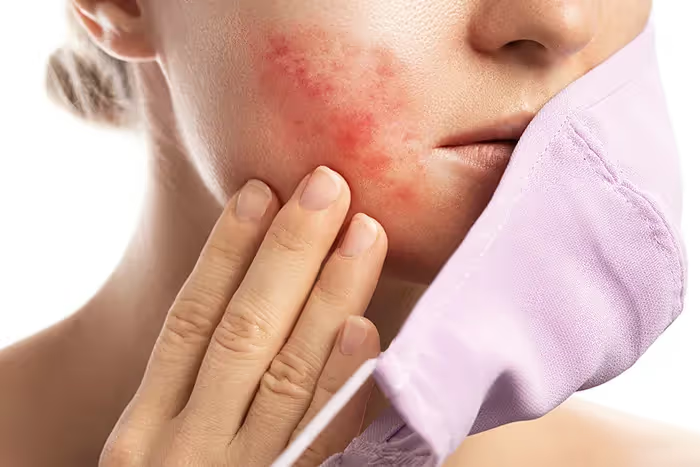
External factors, such as the wrong skin care products, insufficient cleansing or irritation from cosmetics, also contribute to the development of acne. For example, the use of comedogenic products can clog pores, while cleansing methods that are too harsh can damage the skin barrier and make problems worse.
Understanding these causes is essential to effectively address acne. By taking targeted steps, such as choosing non-comedogenic skin care products, adjusting your diet, managing stress through relaxation techniques, and seeking medical attention when needed, you can significantly improve your skin and blemishes. A holistic approach, addressing both internal and external factors, offers the best chance of long-term results and healthier skin.
A few practical tips to get you started:
- Maintain a consistent skin care routine that matches your skin type.
- Identify foods in your diet that may make acne worse.
- Seek professional help from a dermatologist.
- Take time to relax to control stress.
Do you have questions or don't know where to start? Contact a skin expert and find out what you can do to improve your skin from the inside out. Every step, no matter how small, brings you closer to radiant and healthy skin.


%20(1).avif)
.avif)


%20(1).avif)
.avif)
.avif)

.avif)

-min.avif)
-min.avif)
-min.avif)
.avif)


.webp)



























.avif)


](https://static.legitscript.com/seals/624359.png)