.webp)




May has been declared Skin Cancer Awareness Month. An initiative has been created to raise awareness about skin cancer. Why is that so important? Because skin cancer is the most common cancer in Belgium at 40% and because 460,000 Belgians are confronted with it every year.
Our team of dermatologists debunks the most persistent myths that circulate about skin cancer.
01 The tanning bed is safer than UV radiation in sunlight
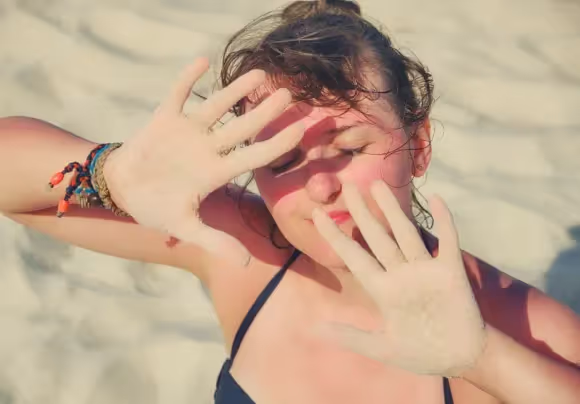
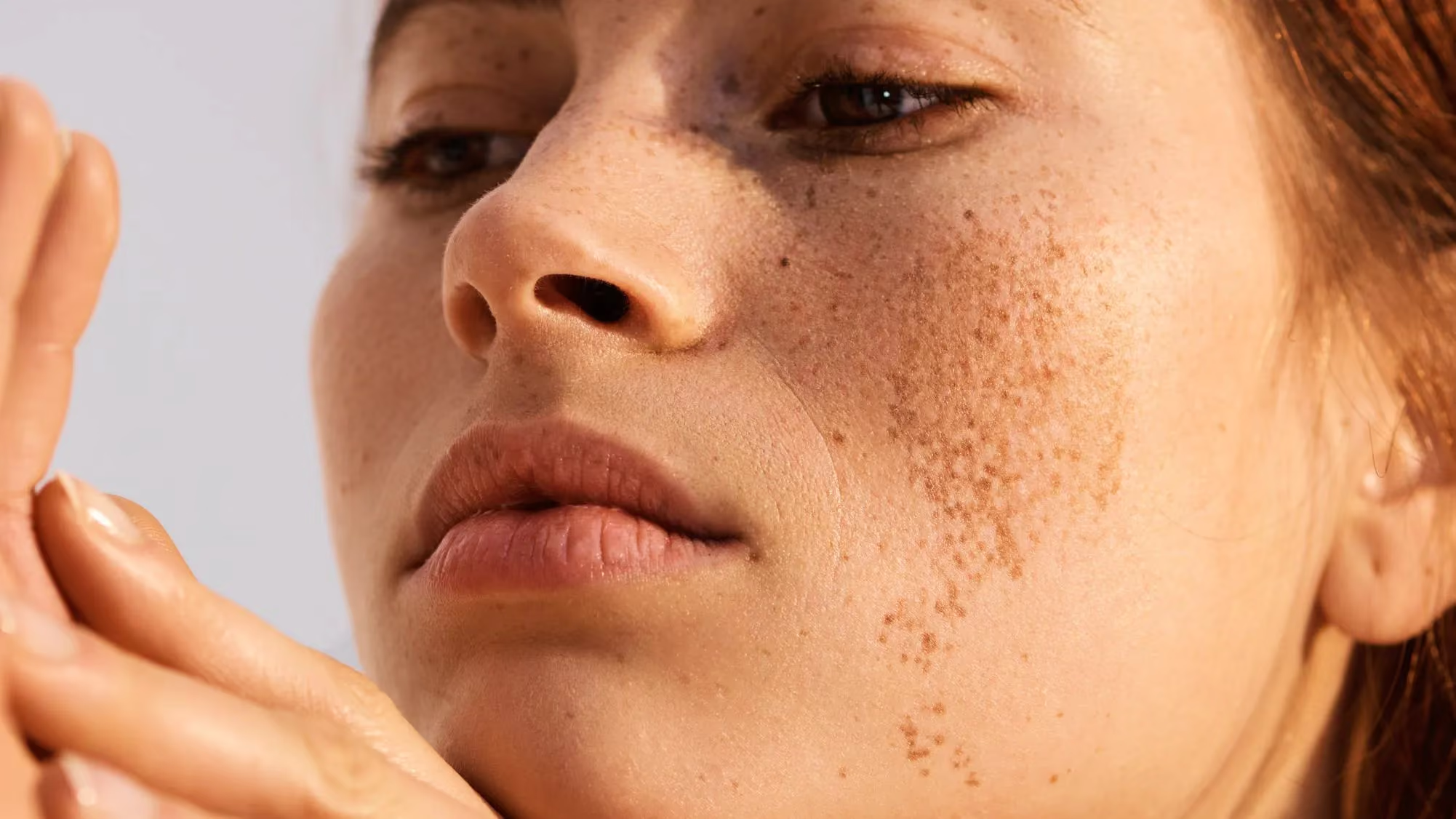
Myth: Going under the tanning bed is dangerous as the tanning bed also provides UV radiation. This can damage the skin enormously. It can cause wrinkles, freckles, hyperpigmentation, and in some serious cases even skin cancer. In other words, tanning beds are at least as unhealthy as sunbathing unprotected under the sun.
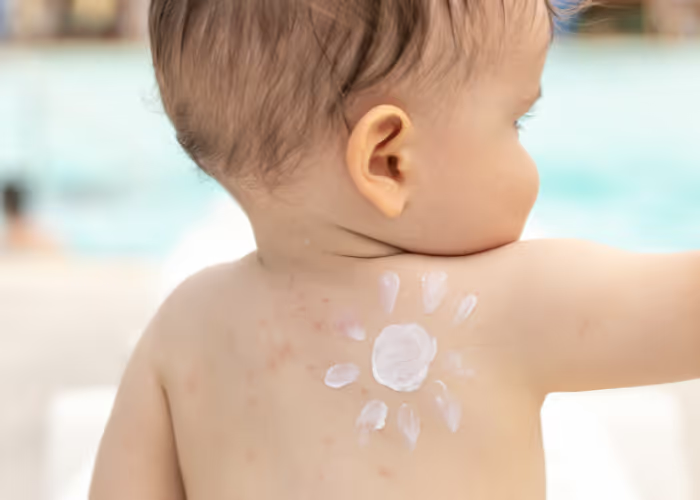
Did you know that sunscreen does not prevent you from getting a nice tan. So no excuse not to apply sunscreen or protect yourself against harmful UV radiation.
02 People who rarely get bandages and get a tan quickly are less likely to get skin cancer
Myth: There is no such thing as a safe tan. This is because any form of discoloration or deviation from your natural skin color is a sign of damage to the skin.
Why? When you come into contact with UV radiation, your body will produce more melanin (pigment) in response and protection. That way, you will get a nice color.
However, the same UV radiation also has a less pleasant side. It also causes changes in skin cells, which can lead to mutations. And that's how skin cancer occurs.
03 People with a paler skin type have a higher risk of skin cancer
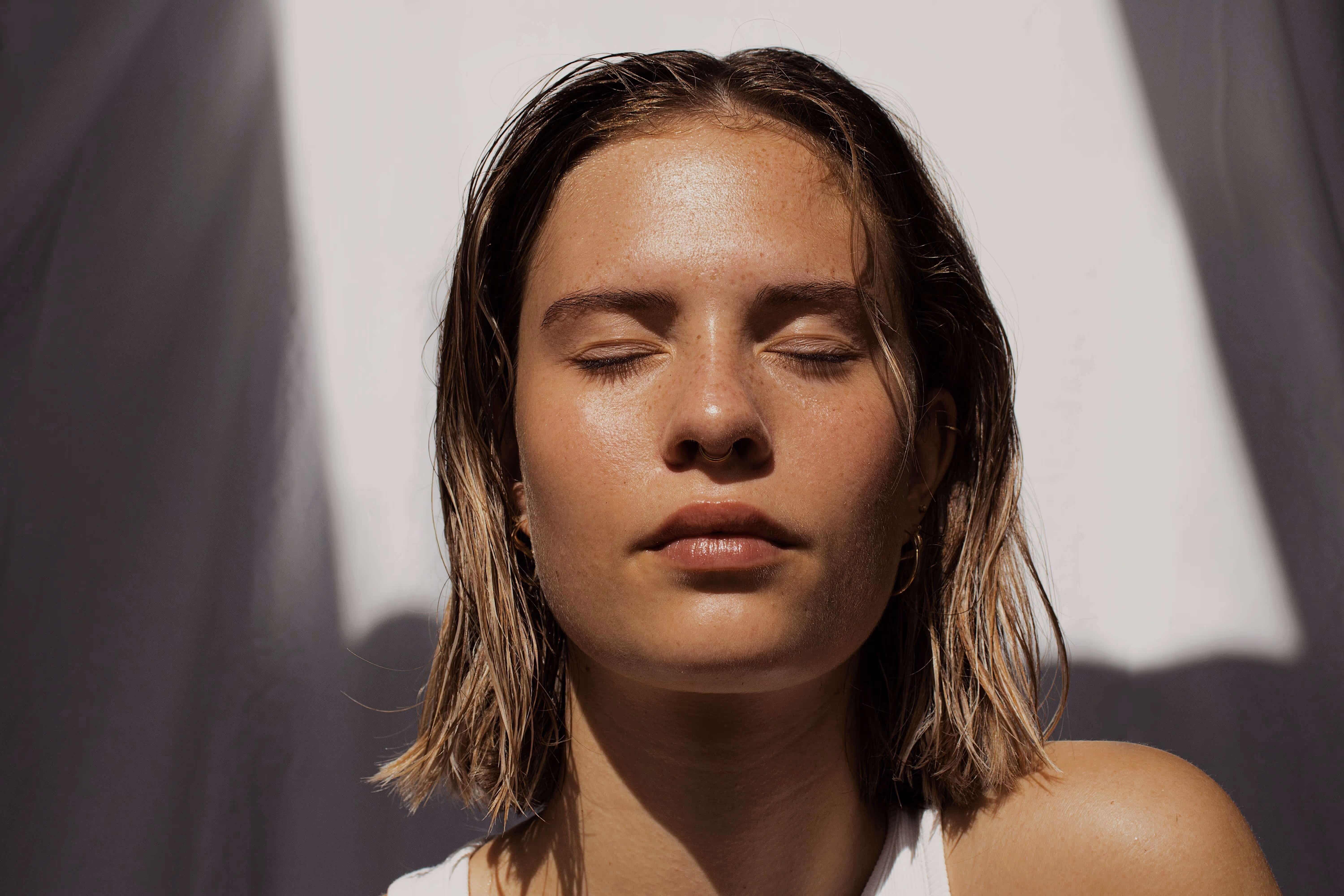
Fact: The paler your skin type, the less pigment, the faster you usually burn and damage the skin.
But that doesn't mean that people with darker skin colors are immune to skin cancer. Although their higher levels of pigment will partly protect them, UV rays can still cause abnormal changes in the skin. What's more: skin cancer in darker skin types is often only discovered at a later stage, when it is more difficult to treat.
04 Young people don't have to worry about skin cancer
Myth: In fact, melanomas are one of the most common forms of cancer among young people. nws.nws.nws recently headlined that more and more young people are confronted with skin cancer.
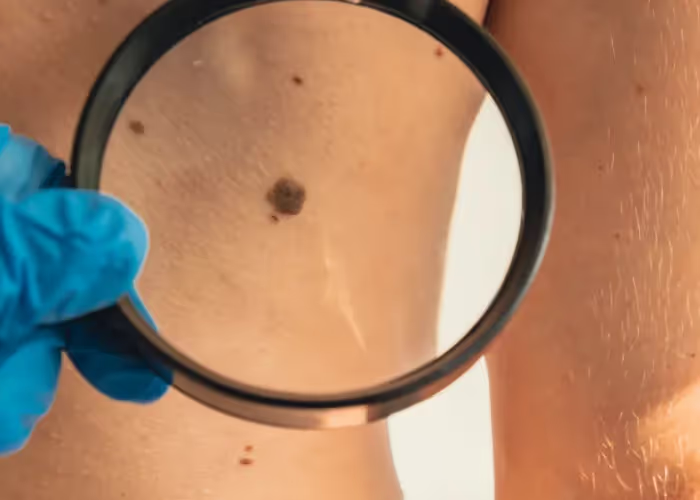
How is that? Young people are often not yet fully aware of the dangers of the sun and the importance of regular skin checks. Strong prevention by applying sunscreen carefully and wearing protective clothing, and early detection by having suspicious-looking moles checked by a dermatologist are invaluable.
Did you know that the risk of skin cancer increases by 80% when you burn more than 5 times between the ages of 15 and 20.
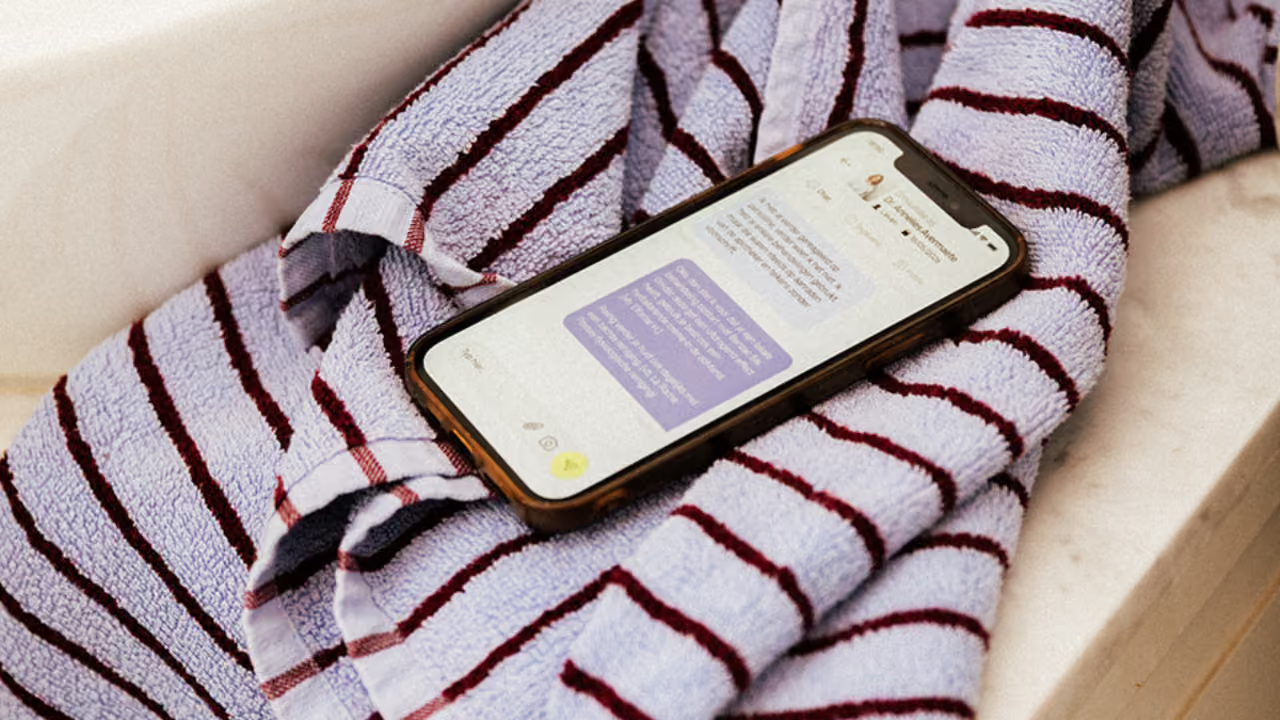
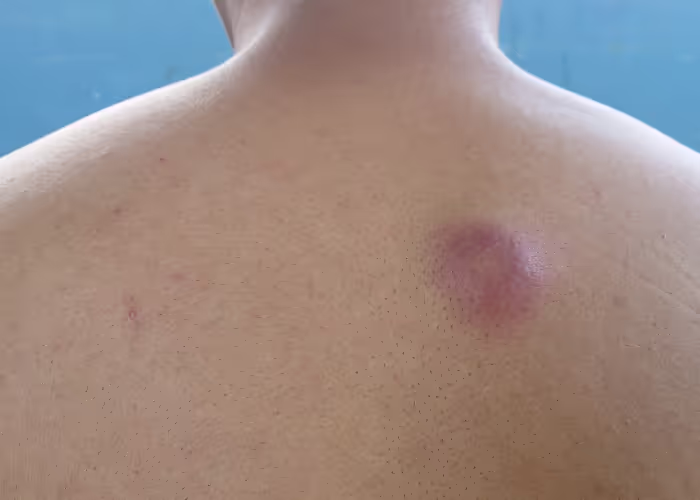
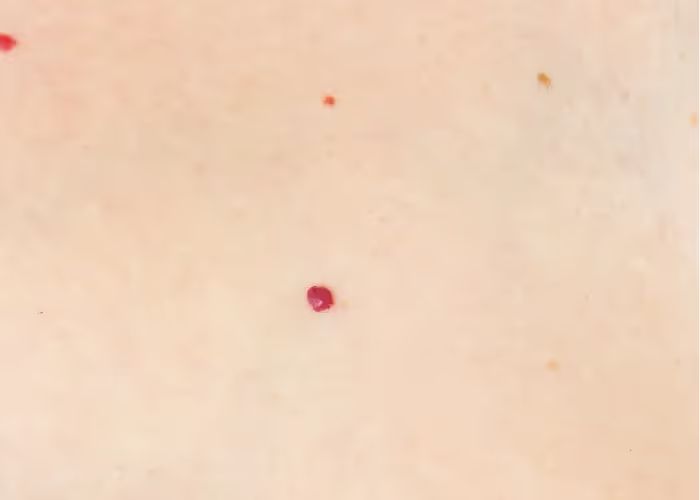
Do you have the slightest doubt about a spot? Then contact your doctor as soon as possible or dermatologist. Through the Skindr app you can act quickly if necessary. Within 48 hours, you will receive medical advice. Upload a photo and description of the suspicious spot and we'll make sure you get advice from an experienced within two days dermatologist.

%20(1).avif)
.avif)


%20(1).avif)
.avif)
.avif)

.avif)
-min.avif)
-min.avif)
-min.avif)
.avif)


.webp)

























.avif)


](https://static.legitscript.com/seals/624359.png)