.webp)



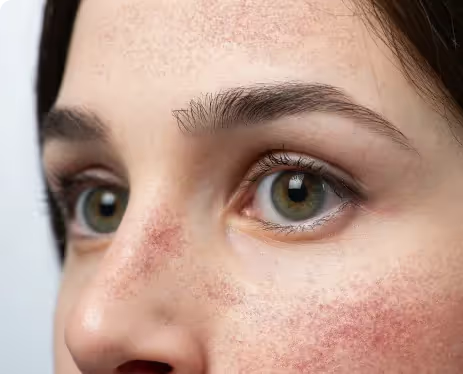
Genetic factors and hypersensitivity
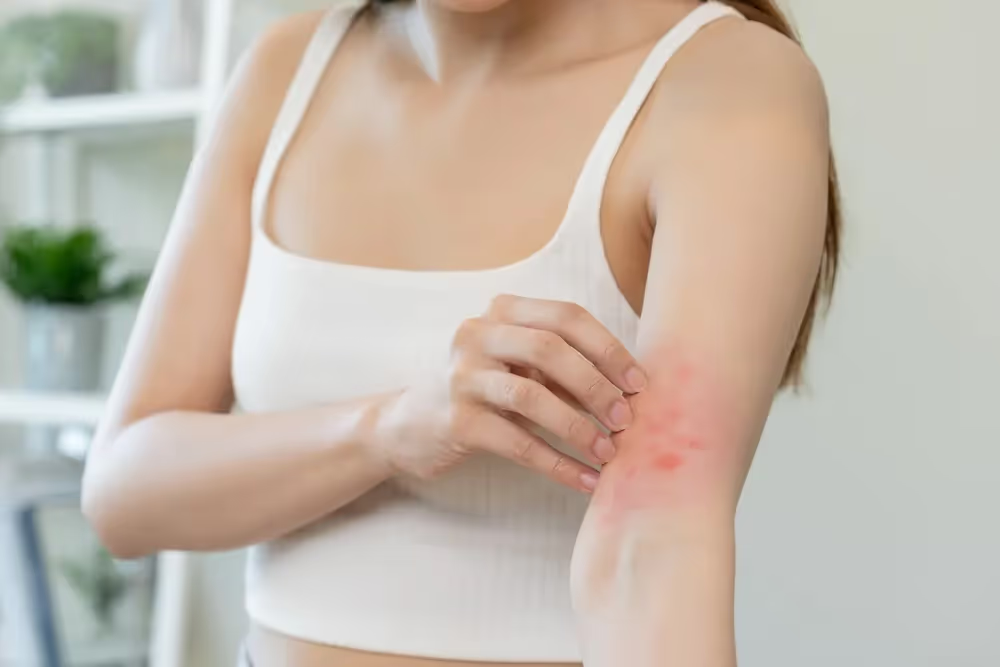
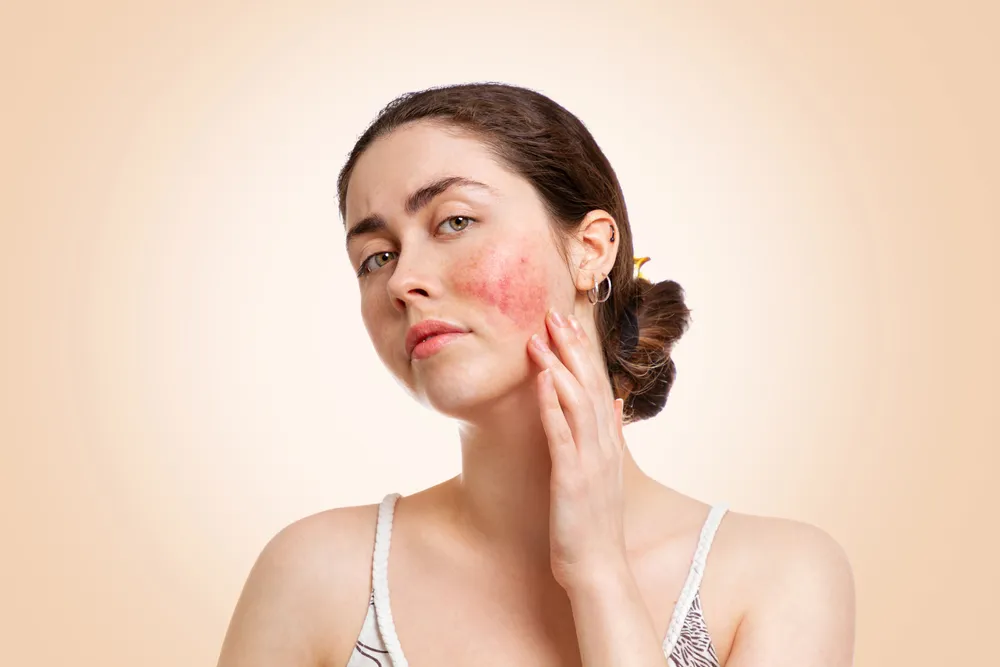
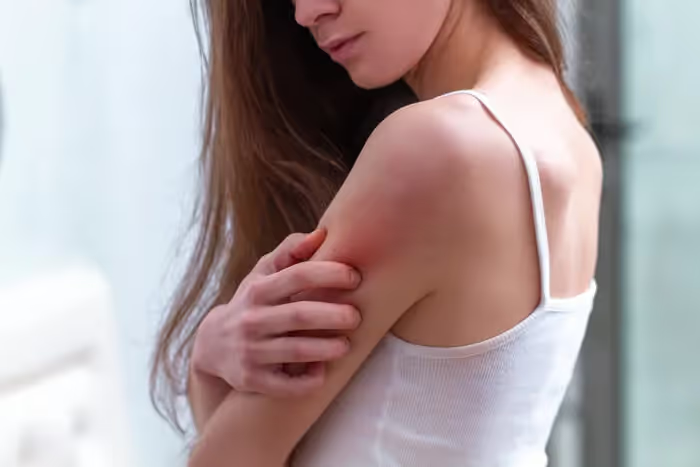
One of the theories about the cause of rosacea is genetic predisposition. If rosacea runs in the family, you are more likely to develop it yourself. In addition, it is assumed that rosacea may occur due to an overreaction of the immune system to certain stimuli, such as temperature changes, food, alcohol, and stress. This overreaction can lead to inflammation, a characteristic symptom of rosacea.
Demodex folliculitis and couperose
Another possible cause of rosacea is folliculitis by the demodex mite, a mite that lives on the skin. In people with rosacea, there appears to be an increase in these mites, which can lead to inflammation. Furthermore, dilated blood vessels in the face can also contribute to the symptoms of rosacea.
Climate influences: heat, cold and sunlight
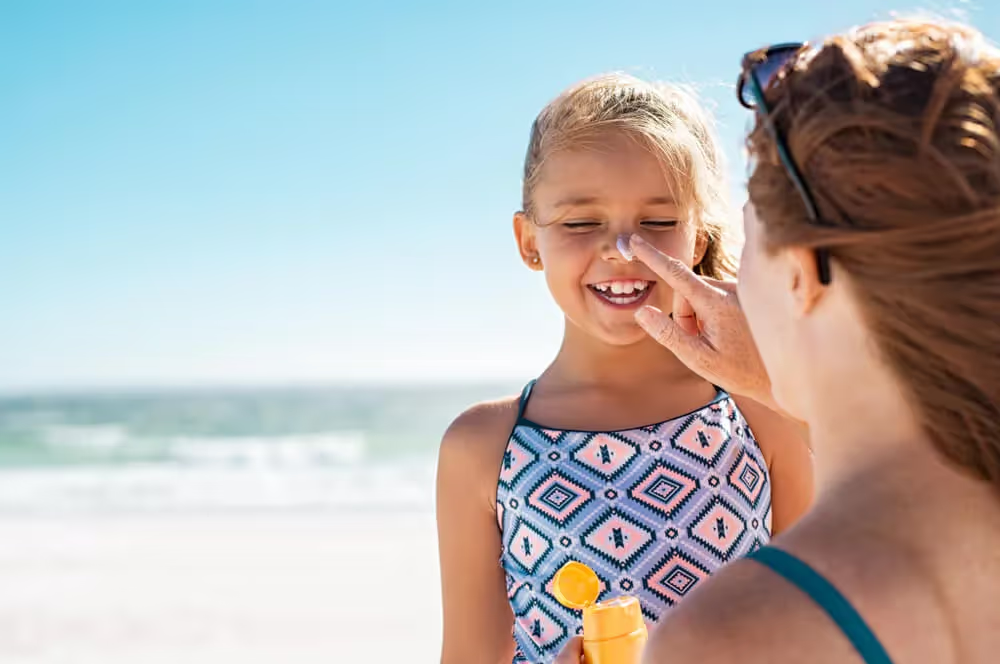
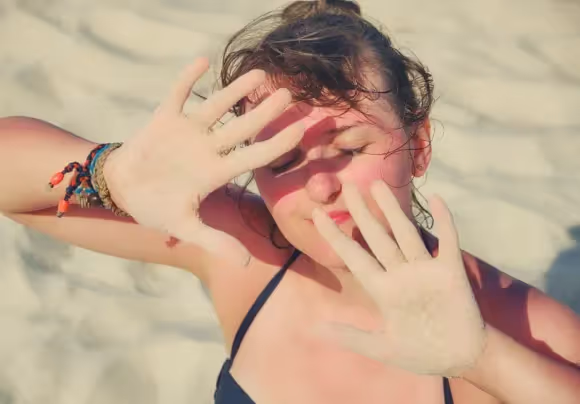
The climate plays an important role in influencing rosacea. Extreme hot or cold weather, as well as sun exposure, can cause flare-ups. These environmental factors can cause blood vessels in the skin to expand, resulting in increased redness and inflammation.
Tips for dealing with climate triggers
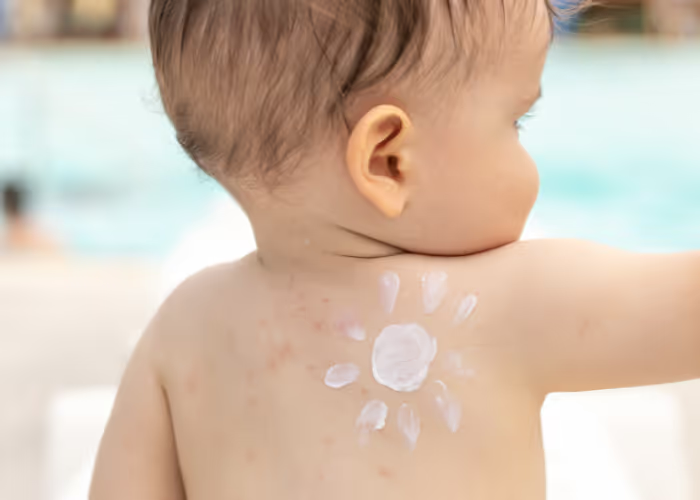
- Use sun protection with a high SPF to protect your face from UV rays.
- Hydrate your skin well in dry climates.
- Wear protective clothing in cold weather.
Nutrition and stress
In addition to climate factors, diet can also play a role in triggering rosacea. Alcohol, spicy and hot foods, caffeine, and histamine-rich foods may worsen symptoms by causing the superficial blood vessels in the skin to dilate. Stress is another major trigger for rosacea. It can lead to an increase in stress hormones such as cortisol, which can aggravate inflammation and redness.
Care products and medication
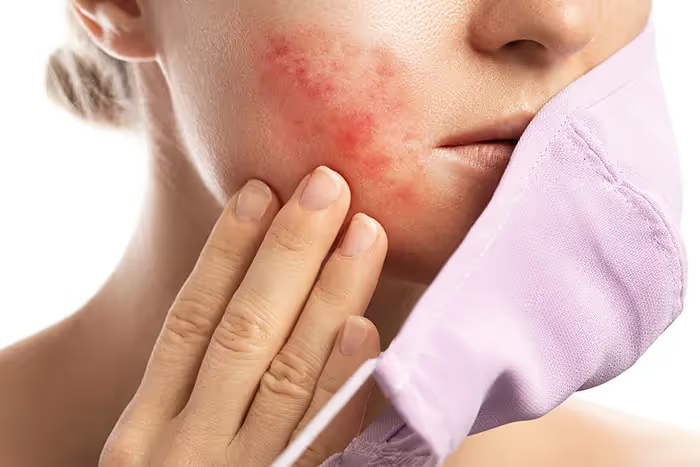
The choice of skin care products and certain medications can also affect rosacea. It is important to choose products that are gentle on the skin and do not contain irritants. Also, be careful with certain medicines, such as those for high blood pressure, which may worsen the symptoms of rosacea. Cortisone-containing products can increase rosacea, so be careful too!
Rosacea skin care tips
- Avoid harsh cleaning agents and opt for mild, non-foaming products.
- Test new products on a small area of skin first.
- Follow your doctor's instructions carefully if you are taking medications that may affect rosacea.
Conclusion
While the exact cause of rosacea is complex and multifactorial, it's important to be aware of the possible triggers and how to manage them. By recognizing and avoiding your triggers, and making careful choices in your skin care routine, you can control rosacea symptoms and improve your skin health.



%20(1).avif)
.avif)


%20(1).avif)
.avif)
.avif)

.avif)


-min.avif)
-min.avif)
-min.avif)
.avif)


.webp)
























.avif)



](https://static.legitscript.com/seals/624359.png)