.webp)



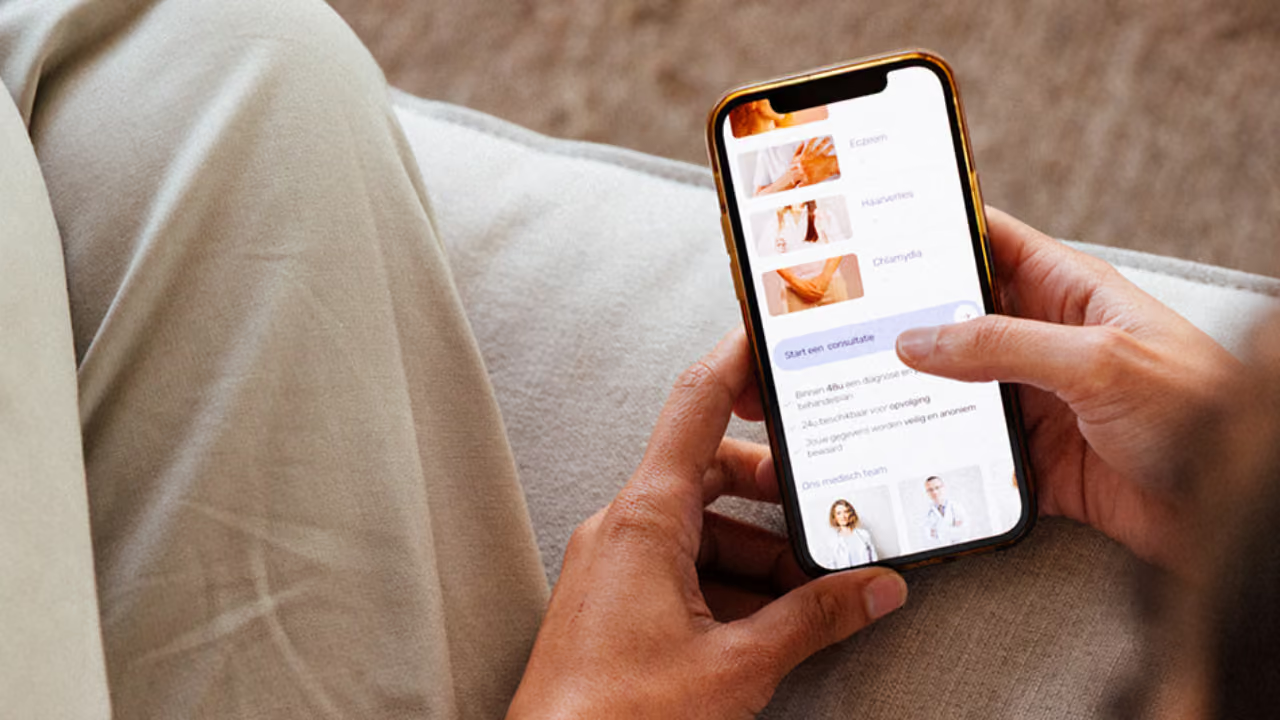
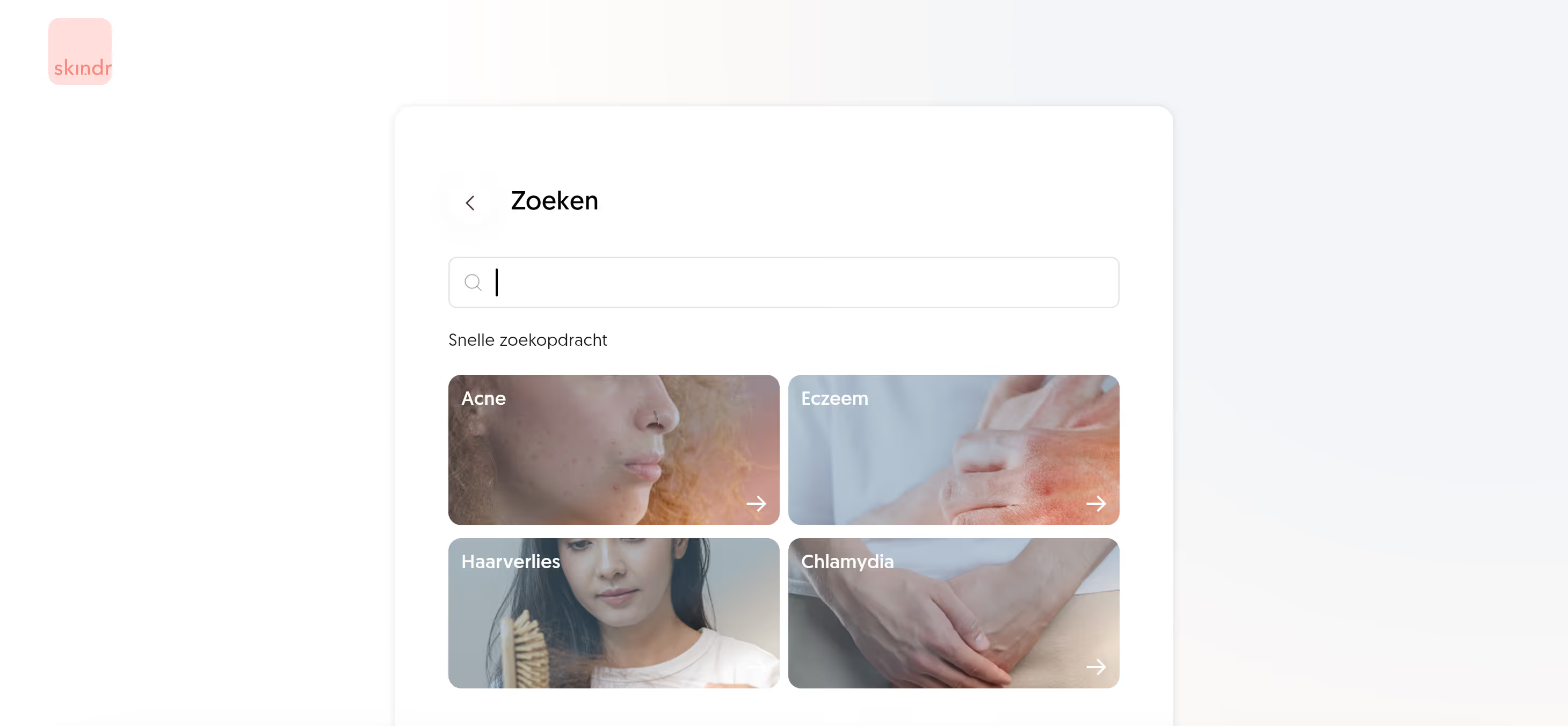
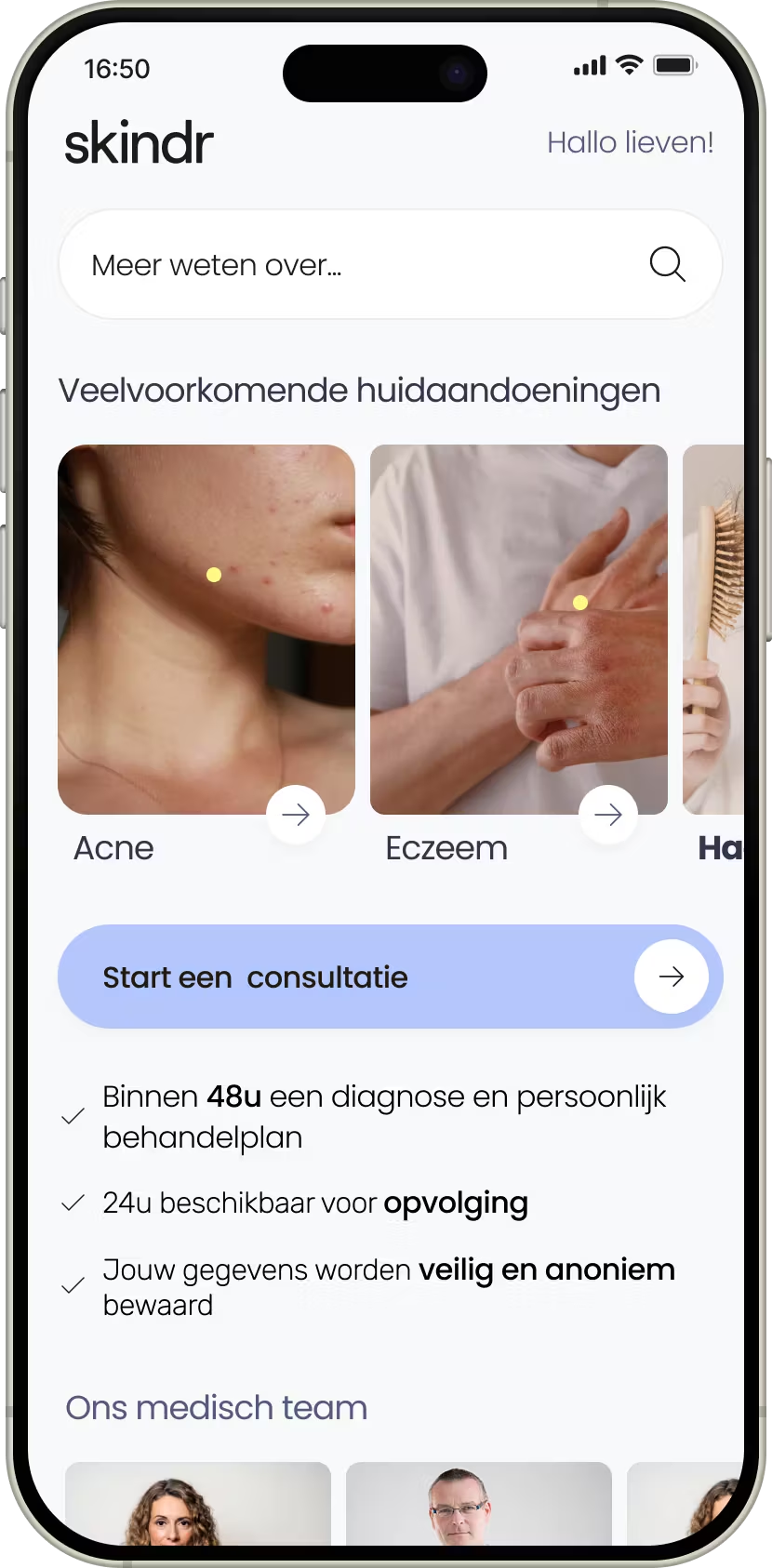
A consultation based on a photo, is that possible? Can the dermatologist really see enough of that? These are the questions we hear most often from our patients. Understandable, because what is new is unprecedented. Unexplored terrain. But let us also reassure you: photos make a lot of sense in dermatology.
Why is it possible to work with photos in dermatology?
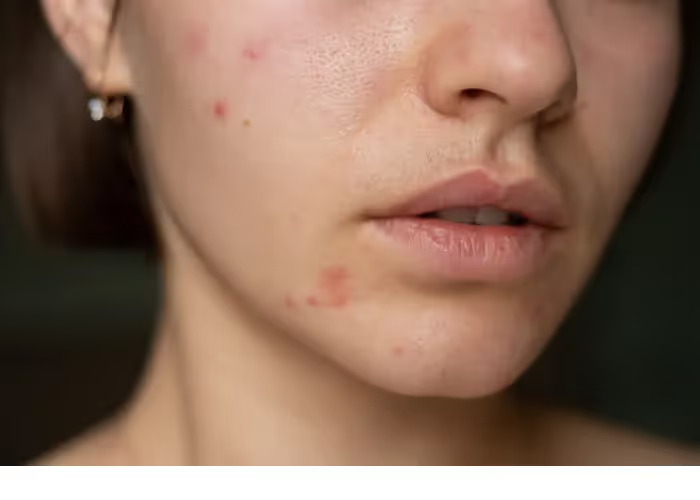
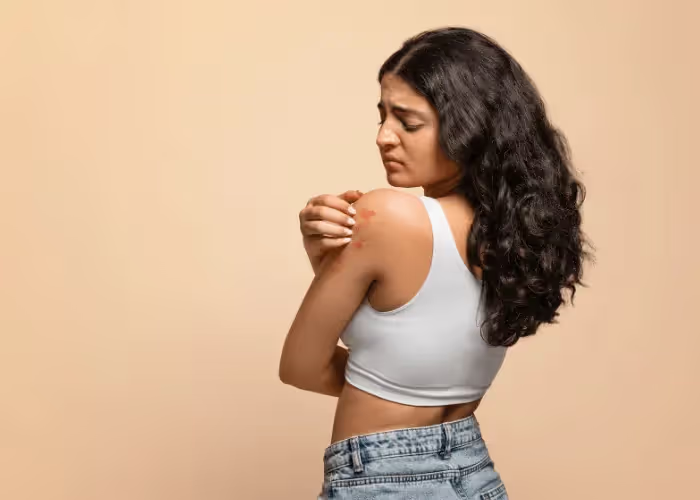
The skin is not only the largest organ, it is also the only organ that is visible to the naked eye. You don't need an ultrasound, scan, or internal examination to view the problem. What's more: In dermatology, “one look, one assessment” applies. For the most common conditions that we treat (acne, rosacea, eczema, (viral) rashes, psoriasis, etc.), no more will be seen during a physical consultation than via an online consultation. That is why it is perfect to draw up advice and a treatment plan based on photos.
Can the dermatologist see enough in my photos?
We like to ask the question the other way around: what can a dermatologist see in practice that he or she can't see on a photo? Bitterly little. Dermatologists are primarily trained to work with the eye and assess what they see. They have learned about most skin diseases from photos and will sometimes take pictures of the problem themselves during physical consultations.
Our dermatologists are also specially trained to assess photos and we are currently setting up a study in collaboration with UZ Gent to show how well this really works.
Here's what they can see in photos:
Discoloration
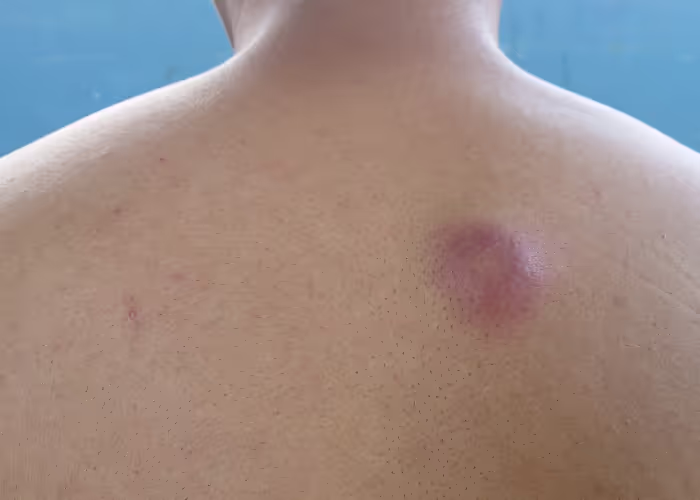
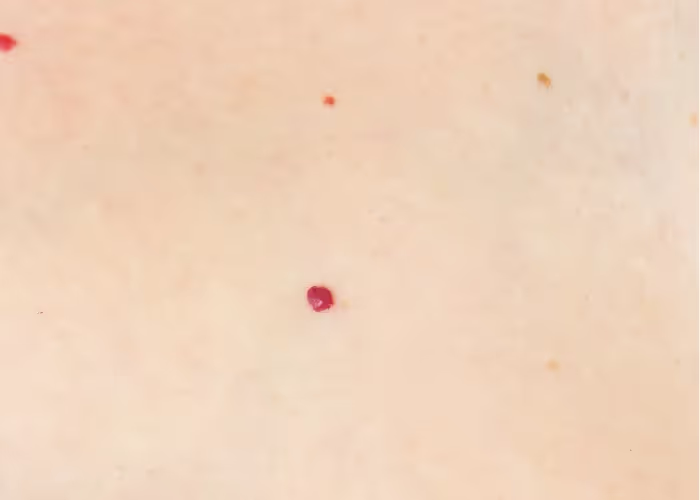
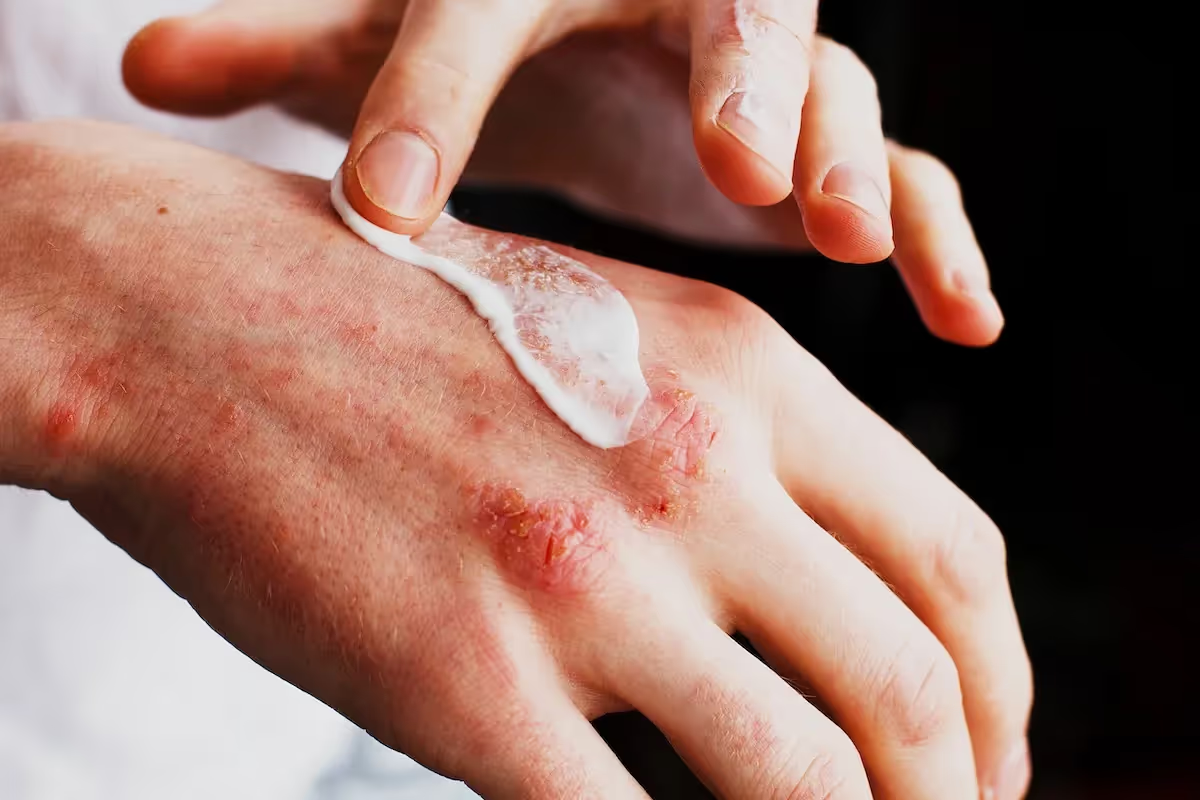
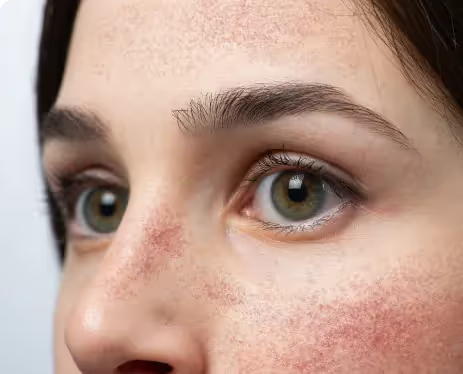
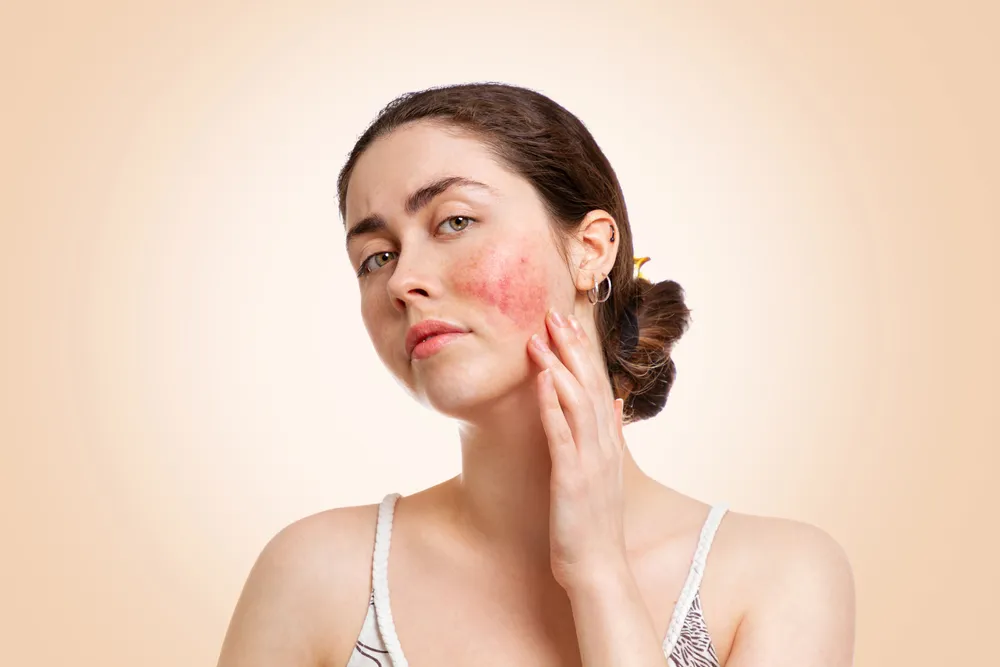
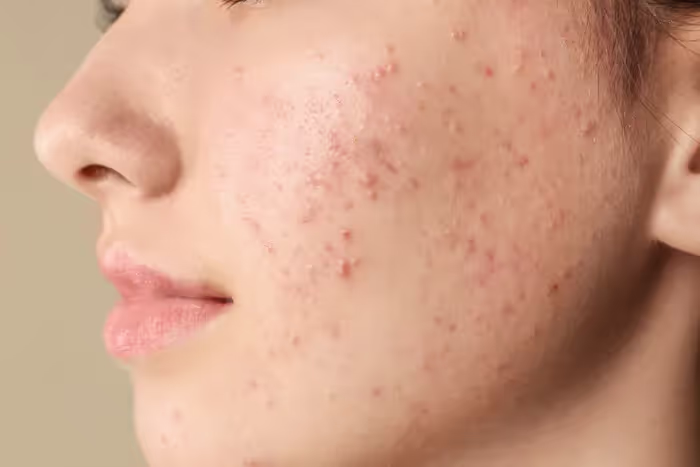
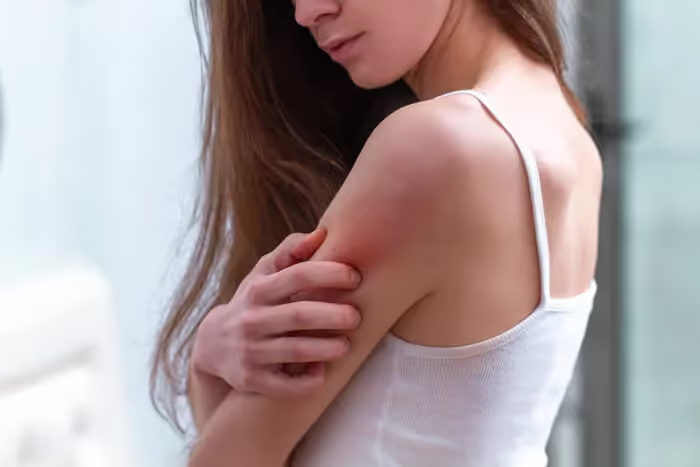
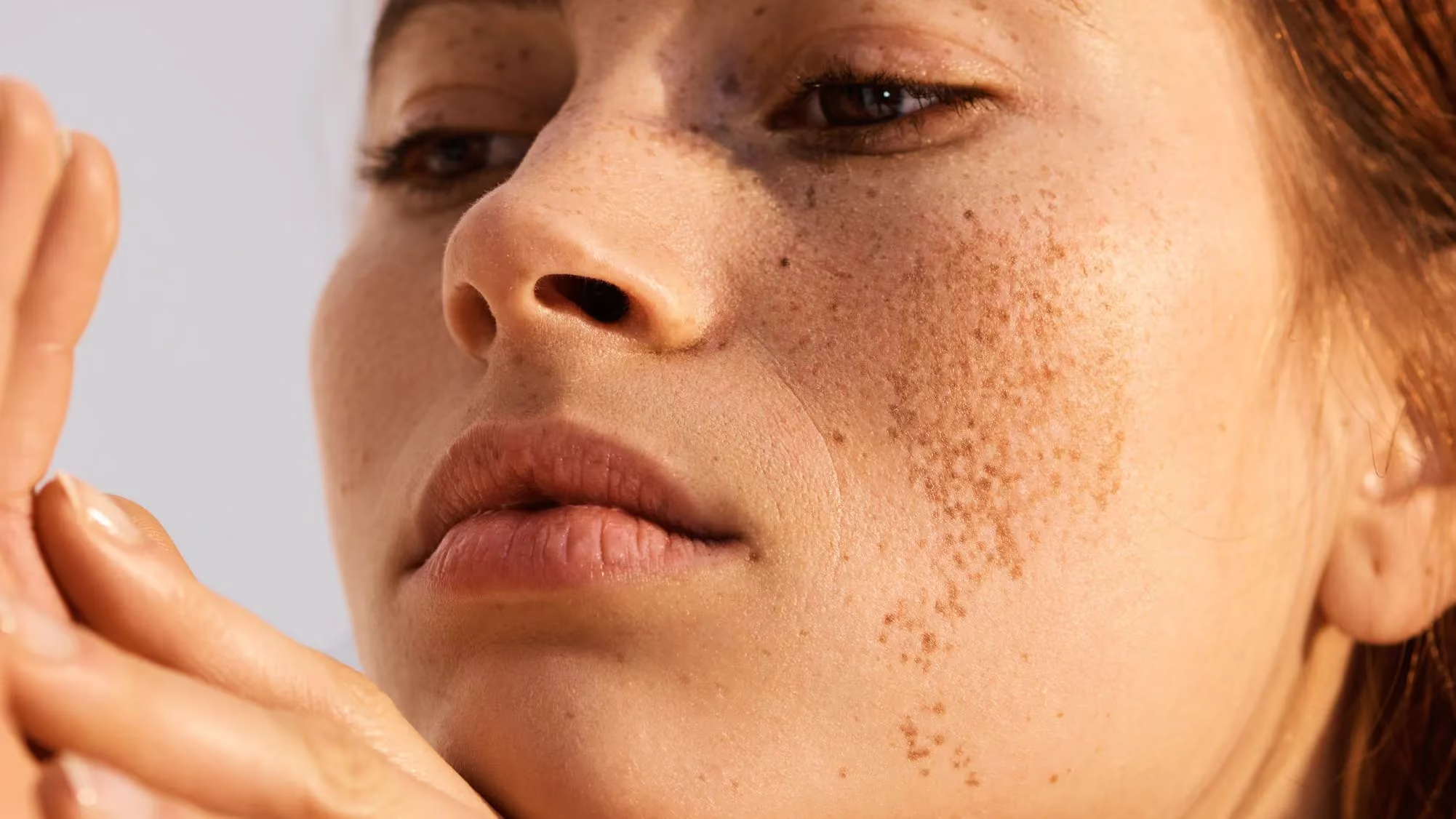
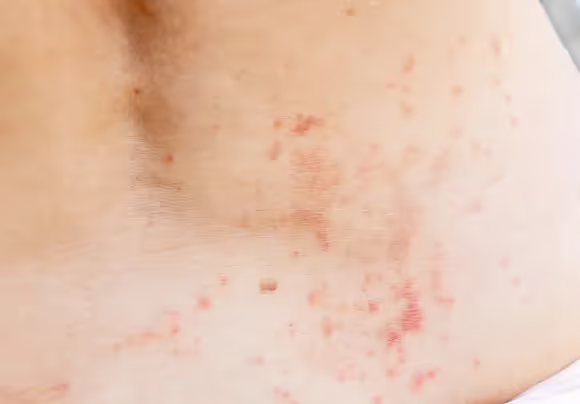
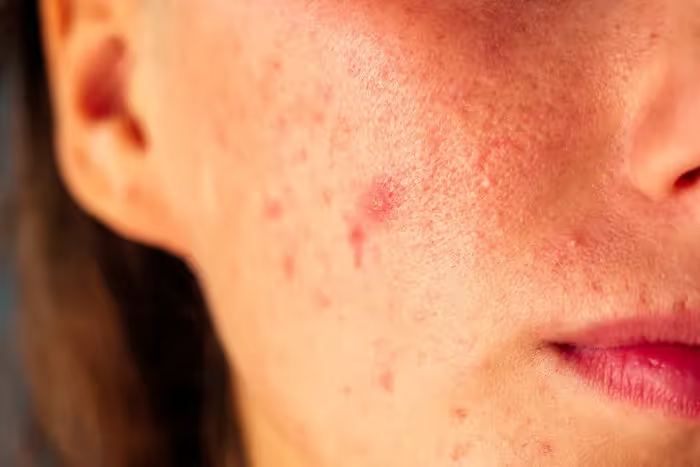
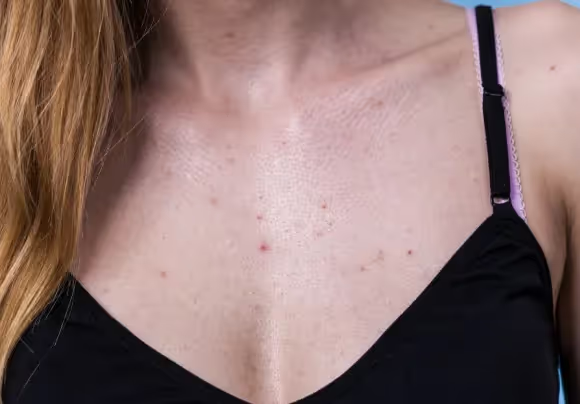
Many reactions or disorders cause skin discoloration: such as redness in eczema, brown or white patches in hyperpigmentation, a red bump in basal cell carcinoma, etc. This discoloration is clearly visible against your normal skin color and will therefore also be clearly visible in photos (taken in daylight or sufficient light).
Irregularities
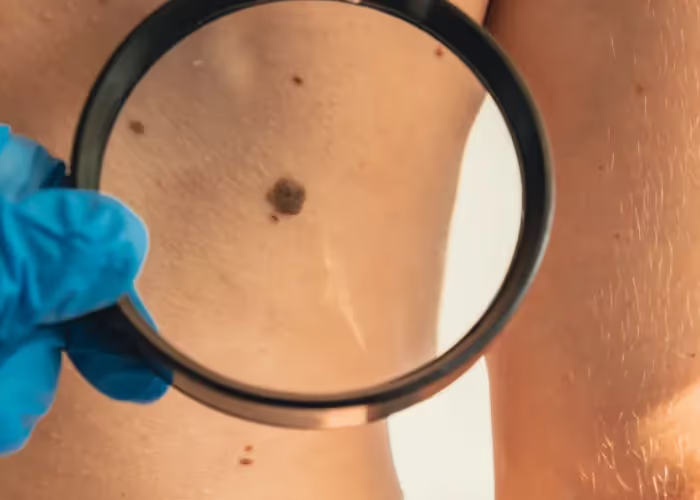
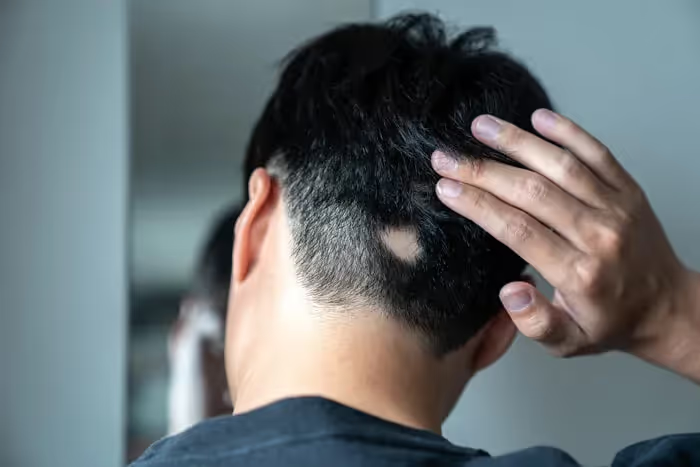
Abnormalities in shape and size or acute changes will be visibly different from how your skin normally looks. Such pronounced irregularities can in most cases be assessed via photographs and help to correctly assess the condition.
Relief
A lot of uncertainty about the photos lies in the fact that we would not be able to see the problem up close or touch it to understand the structure of the skin. But that is a misunderstanding: the tactile is overrated. We can also observe relief, peeling, roughness... in photos and examine them up close through detailed photos and zooming options.
Additional information
Just like a physical examination, there are of course always things that are not visible to the naked eye. Just think about how sensitive your skin is to certain products and treatments. We would be happy to discuss this additional information with you during the consultation, and together with the photos, forms an ideal starting point for determining the treatment.
Monitoring progress
A consultation based on photos also offers another great advantage in follow-up. Because the condition is recorded, it is also easier to make a concrete comparison and literally see progress using photos.
What conditions can the dermatologist help with based on a photo?
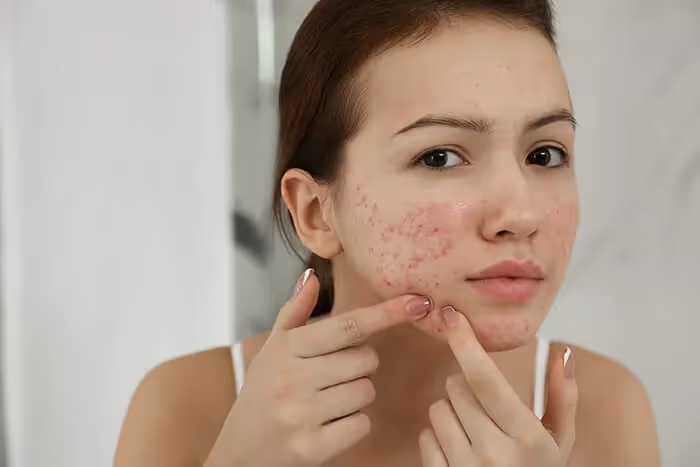
From internal experience, we can say that we can help 90%-95% of all our patients based on photos and descriptions. This mainly concerns inflammatory skin conditions (such as acne, rosacea, psoriasis, eczema...), viral rashes and hair loss. But also hhyperpigmentation, anti-aging and STDs, for example, are perfectly manageable based on photos.
What if I can't get any further help based on my photos?
First and foremost, the dermatologist always ask for more or new, clearer photos if they don't look enough on the photos that were forwarded. This gives them a better overall picture of the condition and can help you better. And you, as a patient, can also send additional photos if you are unsure whether the first two photos show your problem clearly enough.
If a physical consultation is really necessary because nothing can be determined by photo, the online consultation will be reimbursed because you were not helped there. As a patient, you therefore only pay for the physical examination.


%20(1).avif)
.avif)


%20(1).avif)
.avif)
.avif)

.avif)

-min.avif)
-min.avif)
-min.avif)

.avif)


.webp)



























.avif)


](https://static.legitscript.com/seals/624359.png)