.webp)



-min.avif)
Find out what science says
Acne is a common skin problem that can not only cause physical discomfort but can also be emotionally heavy. If you've ever struggled with acne, you know how frustrating it can be to find a solution. Often people are willing to really try anything.
Nowadays, people are often a little more suspicious about medication and try to tackle their acne first with supplements and in natural ways. After all, supplements are everywhere — from Instagram to TikTok — and the range is growing explosively with all types and brands.
But the question remains: can these popular trends really support your acne journey? Let's explore it..
What is acne and what causes it?
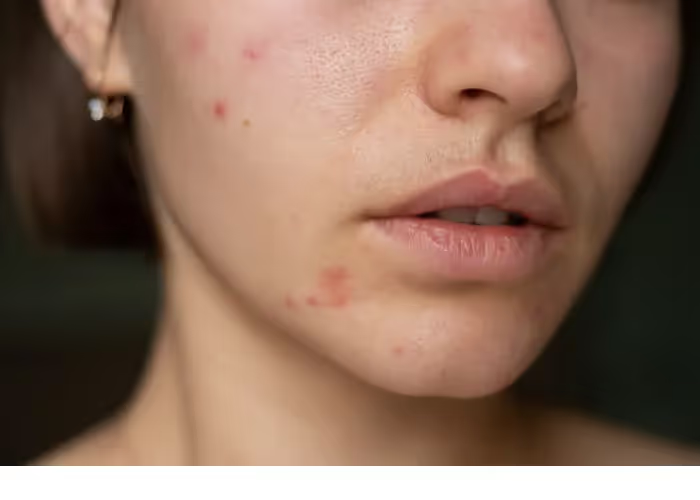
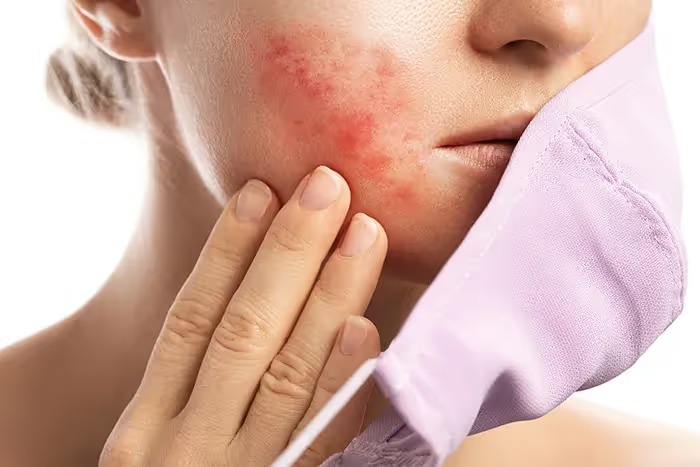
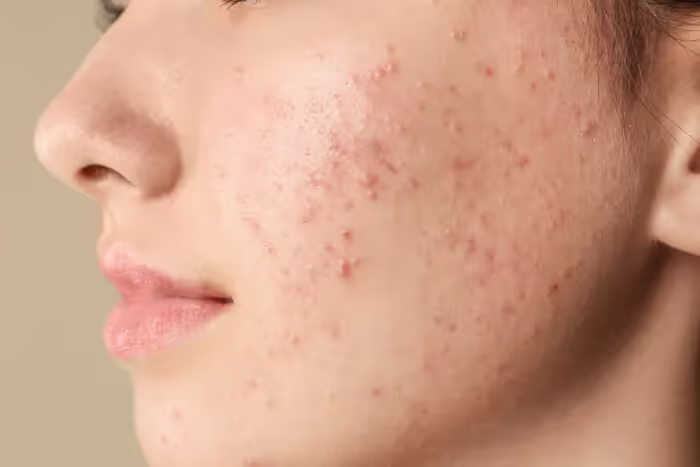
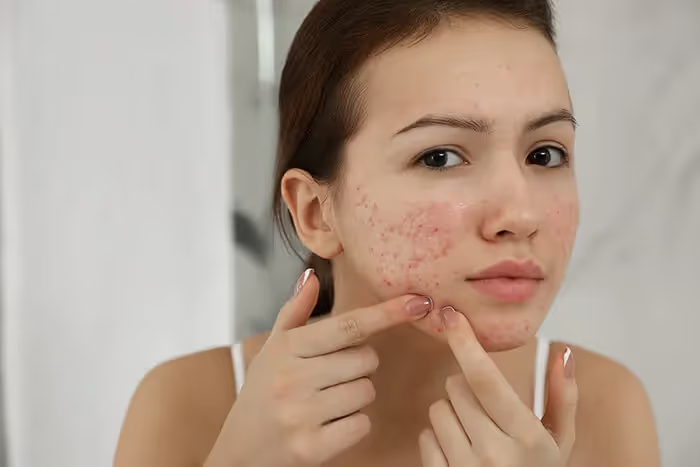
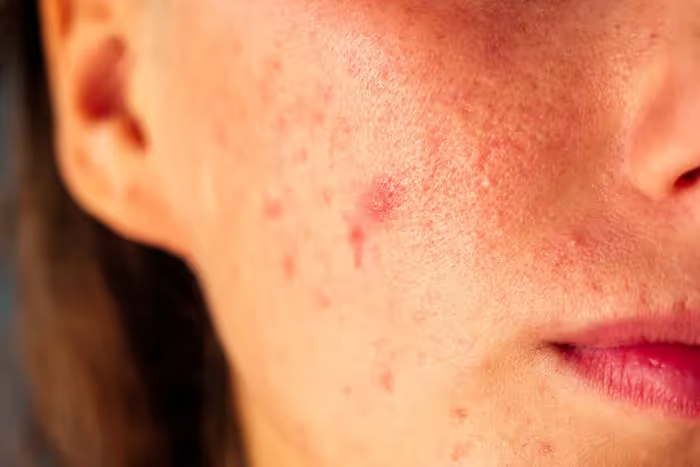
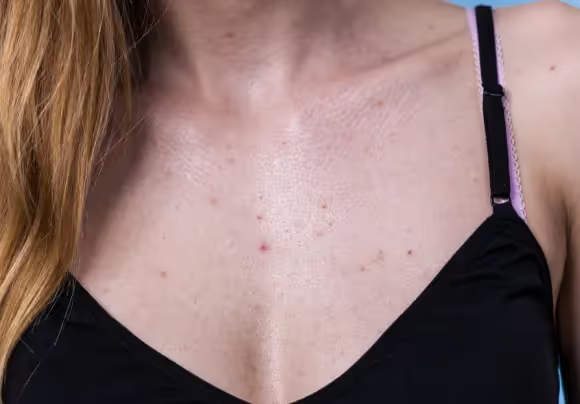
Before we dive into the potential benefits of supplements, it's important to understand what exactly acne is and what causes it. Acne develops when pores become blocked by sebum (skin oil) and dead skin cells. This can lead to blackheads, whiteheads, papules, pimples, and in some cases cystic acne.
Types of acne
- Blackheads and whiteheads: Caused by clogged pores.
- Papules and pimples: Caused by inflammation in these clogged pores.
- Cystic acne: A severe form of acne that causes deep inflammation and painful lumps.
Causes of Acne
Acne can be affected by several factors such as:
- Hormones (during puberty, menstrual cycles or stress or synthetic hormones as medication).
- Production of excess sebum.
- Bacteria on the skin
- Nutrition and lifestyle.
- Genetic predisposition.
It's important to understand that acne is often the result of a combination of internal and external factors. This makes it a complex disorder that cannot always be addressed by a single solution. You can read more about the causes of your acne in our previous blog post.
Important anti-acne supplements
Supplementation can be a useful addition to your skin care and healthy lifestyle. Here are five supplements that are often mentioned in relation to improving acne.
1. Vitamin A
Vitamin A is essential for cell growth and helps the skin stay healthy. Retinoids, a form of vitamin A, are commonly used in skin care products because of their ability to regulate sebum production and reduce inflammation.
- Benefits: Reduces excess sebum production and renews skin cells.
- Scientific evidence: While vitamin A plays a role in skin health, there is little direct evidence that taking vitamin A supplements reduces acne. Retinoids — medicinal forms of vitamin A — are effective for acne, but work differently than dietary supplements. Some studies suggest that people with acne have lower vitamin A levels, but this link has not been causally proven.
In addition, too much vitamin A can be harmful, especially in high doses or long-term use. Supplements should therefore only be used under medical supervision.
2. Vitamin D
Vitamin D is known for its anti-inflammatory properties and plays a crucial role in supporting the immune system.
- Benefits: Helps reduce inflammation in the skin and fights bacteria.
- Scientific evidence: Some studies show a link between a vitamin D deficiency and more severe acne, and small studies suggest that supplementation can help with a deficiency. However, the evidence is inconclusive: other studies found no connection. So there is no hard evidence that vitamin D supplements improve acne unless there is a demonstrable deficiency. More research is needed.
3. Zinc
Zinc is a mineral that is important for skin health. It's known for its immune-boosting and anti-inflammatory properties, which can help with blemishes.
- Benefits: Reduces inflammation and supports wound healing.
- Scientific evidence: Some studies suggest that oral zinc supplements may reduce the severity of acne, especially in zinc deficient individuals. However, the scientific evidence is mixed: some studies show positive effects, while others report no significant improvement. In addition, high doses of zinc supplements can cause side effects, such as stomach upset and copper deficiency. That is why it is important to only use zinc supplements under medical supervision and not as a substitute for standard acne treatments.
4. Omega-3 fatty acids
Omega-3 fatty acids, such as those found in fish oil, are known for their anti-inflammatory properties. They help strengthen the skin barrier and can soothe inflamed acne.
- Benefits: Reduces inflammation and helps balance sebum production.
- Scientific evidence: While studies indicate a possible link between omega-3 fatty acids and a reduction in acne, it's important to note that research is still limited and some studies have small samples. Additionally, individual responses to omega-3 supplementation may vary. Therefore, it is advisable to use omega-3 supplements only after consulting a medical professional and as a supplement to existing acne treatments, not as a substitute.
5. Probiotics
Gut health plays a major role in the condition of your skin. Probiotics can help keep the intestinal flora in balance, which in turn can have a positive effect on inflammatory processes in the body.
- Benefits: Supports a healthy gut-skin axis and reduces inflammation.
- Scientific evidence: Although the idea of microbiome if the key to skin health is attractive, we still know little about how to control this microbiome effectively and for a long time. Every body reacts differently to probiotics, and we still don't have a clear idea of which bacterial strains, dosages, and combinations really work against acne. Probiotics therefore certainly cannot replace standard treatment and their effect needs to be further investigated in large-scale, well-controlled studies.
How do you choose the right supplements?
When choosing supplements for acne, there are a few important things to consider. It is always recommended that you consult a doctor and use supplements to supplement your standard treatment in consultation with a dermatologist.
- Supplement quality: Choose products from renowned brands that have been independently tested for purity and safety.
- Recommended daily dose: More isn't always better. Stick to the dosage on the label or consult a health professional.
- Combinations: Some supplements work better when combined with others. For example, vitamin A can be better absorbed when consumed along with a source of healthy fats.
- A critical look at the supplement industry: While supplements are often presented as an easy solution for better health, it's important to take a critical look at the claims that are being made. The industry isn't always heavily regulated, which means there may be products on the market that promise false or exaggerated benefits. In addition, quality may vary, and some supplements may not contain the amount of active ingredients listed on the label. It is therefore essential to do careful research, consult only trusted sources, and choose products that have been independently tested for quality and safety.
The importance of a healthy lifestyle and diet
While supplements can play a role, we should not underestimate the influence of a balanced lifestyle and a healthy diet. Here are a few extra tips:
- Eat a full-fledged diet: Rich in vegetables, fruits, whole grains, and lean protein.
- Limit sugar and dairy: These have been linked to acne in some cases.
- Reduce stress: Stress hormones such as cortisol can make acne worse.
- Get a good night's sleep: Skin repair largely takes place while you sleep.
Take care of your skin from within
In short, supplements like vitamin A, vitamin D, zinc, omega-3 fatty acids, and probiotics can be valuable allies in your fight against acne. Remember, however, that a sustainable approach always involves a combination of factors, including a healthy lifestyle and a good skin care routine.
If you're considering adding supplements to your routine, always consult with a medical professional to determine which approach best suits your situation. Take care of your skin — from the inside out.




%20(1).avif)
.avif)


%20(1).avif)
.avif)
.avif)

.avif)


-min.avif)
-min.avif)
-min.avif)

.avif)


.webp)





























.avif)



](https://static.legitscript.com/seals/624359.png)