.webp)




Fine lines, crow's feet, wrinkles, no one escapes skin aging. And that's not necessary either. Just like any other organ, with any other part of the body, skin aging is a very normal and natural process. Although you can ask for a delay: slow aging. Our dermatologists tell you how they ensure that their skin stays healthy and young for longer.
The skin's aging process: explained step by step
First things first: to understand how to put those wrinkles on the long run, you understand exactly what happens when the skin gets old. The biggest changes are taking place in the structure and composition of the skin.
01 The epidermis is thinning
The top layer of your skin consists of many layers of cells. The older you get, the more layers of cells disappear and the thinner your epidermis becomes. Conversely, the stratum corneum (= the outer layer) will become thicker. This combination ensures that the skin barrier can no longer optimally protect the skin: the skin becomes valer and drier.
02 The amount of collagen decreases
Collagen is the protein that ensures the firm structure of your skin. It produces new skin cells so that your skin stays firm, young and healthy. Without these cells, wrinkles or sagging become visible. Hyaluronic acid, which is part of the same connective tissue, is also declining.
03 The amount of elastin decreases
Elastin in the part of the tissue that keeps your skin elastic and supple. In other words, the skin becomes stiffer and will therefore show signs of aging more quickly, such as crow's feet.
The impact of external skin aging
In addition to the natural skin aging process, a number of other factors also play a role in how the skin ages. These can accelerate or delay skin aging if you deal with them properly.
An organ like the skin is, unlike other organs, constantly exposed to the environment. This has the most effect:
- UV radiation from sunlight
- Smoking
- Hormones
- Nutrition
Especially when you keep in mind that the protective layer of the skin becomes thinner as you age, the impact of these environmental factors can begin to weigh more heavily.
How-to slow aging
If dermatologist we are often and happy to help patients with their questions about anti-aging. About when to start doing that, about what skin care products you should use. But we also have a number of tips for slow aging: to keep your skin young in a healthy, natural way for as long as possible.
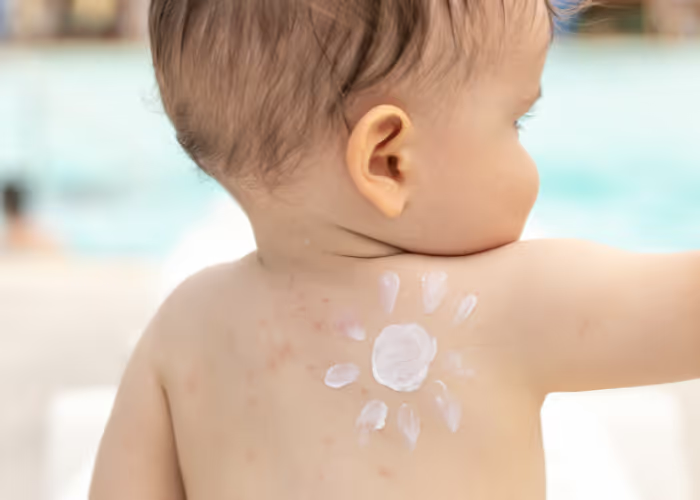
- Protect your skin from the sun: The sun's ultraviolet (UVA) rays can accelerate the aging process. Sun cream is the best anti-aging cream. Use a broad-spectrum cream with at least SPF 30 every day, even when it's cloudy outside. Wear protective clothing and try to stay in the shade during peak times (10 a.m. to 2 p.m.).
- Don't smoke: Smoking is bad for your overall health and therefore also for your skin. It can damage collagen and elastin, and thus accelerate the aging process a lot.
- Don't drink too much alcohol: Alcohol also affects collagen through saccharification. As a result, the skin cells cannot renew themselves.
- Instead, opt for water: Dehydrated skin can look dry and dull, making fine lines and wrinkles more noticeable. Lots of water and water-rich foods, such as fruits and vegetables, also keep your skin nourished.
- Avoid harsh and excess skin care products: Too heavy cleansers and peels can strip the skin of its natural oils. Thus, the protective function will decrease.
Extra:
However, use a moisturizer every roof to bring sufficient moisture into the skin.
- Exercise regularly: Exercise can improve circulation and stimulate collagen production.
Do you want more info or personal advice about slow aging, anti-aging or cosmetic treatments (injections, fillers)? The dermatologists who are affiliated with Skindr are happy to help you get started. Start a consultation in the Skindr app.



%20(1).avif)
.avif)


%20(1).avif)
.avif)
.avif)

.avif)
-min.avif)
-min.avif)
-min.avif)

.avif)


.webp)


























.avif)



](https://static.legitscript.com/seals/624359.png)