.webp)



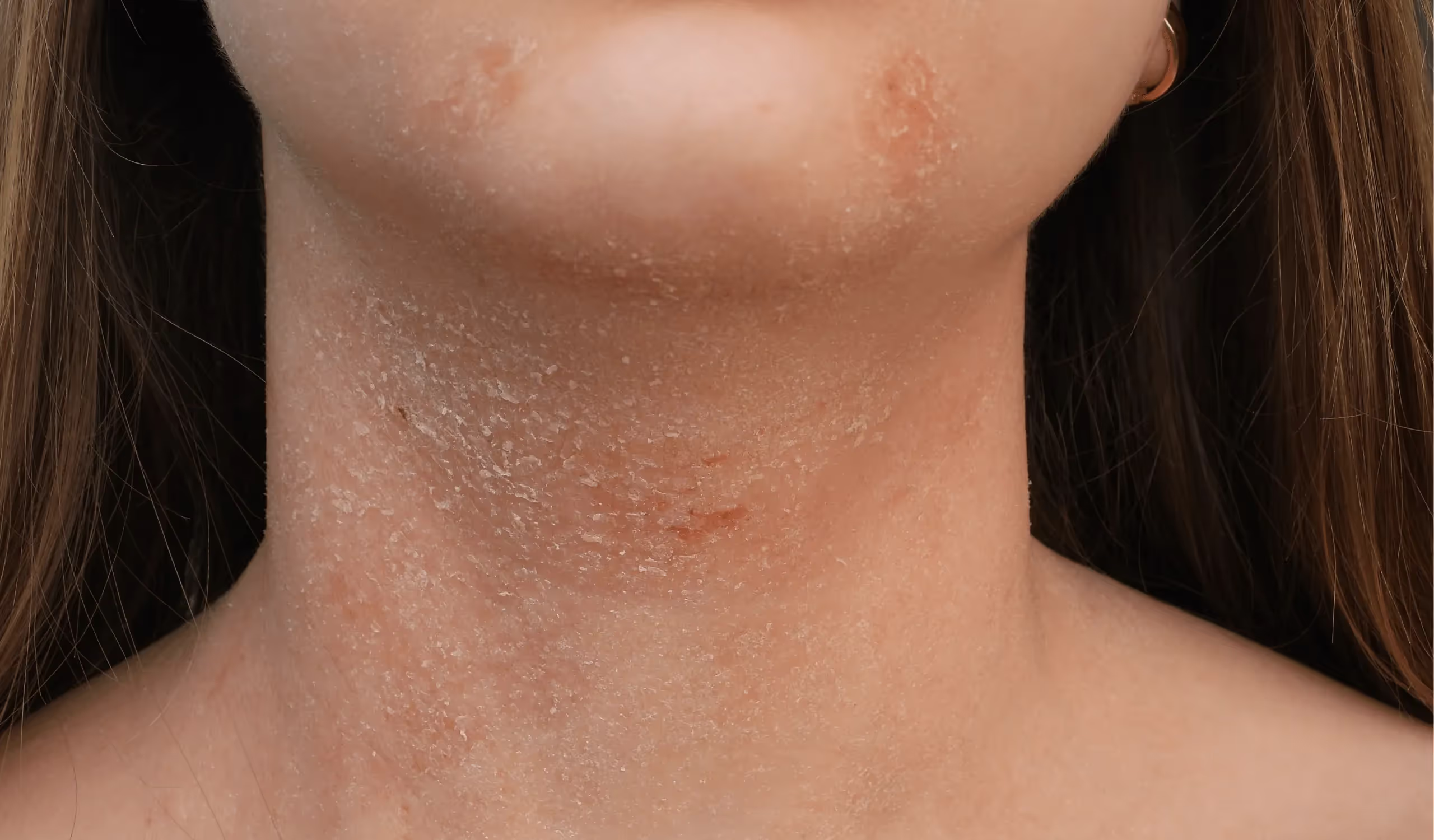
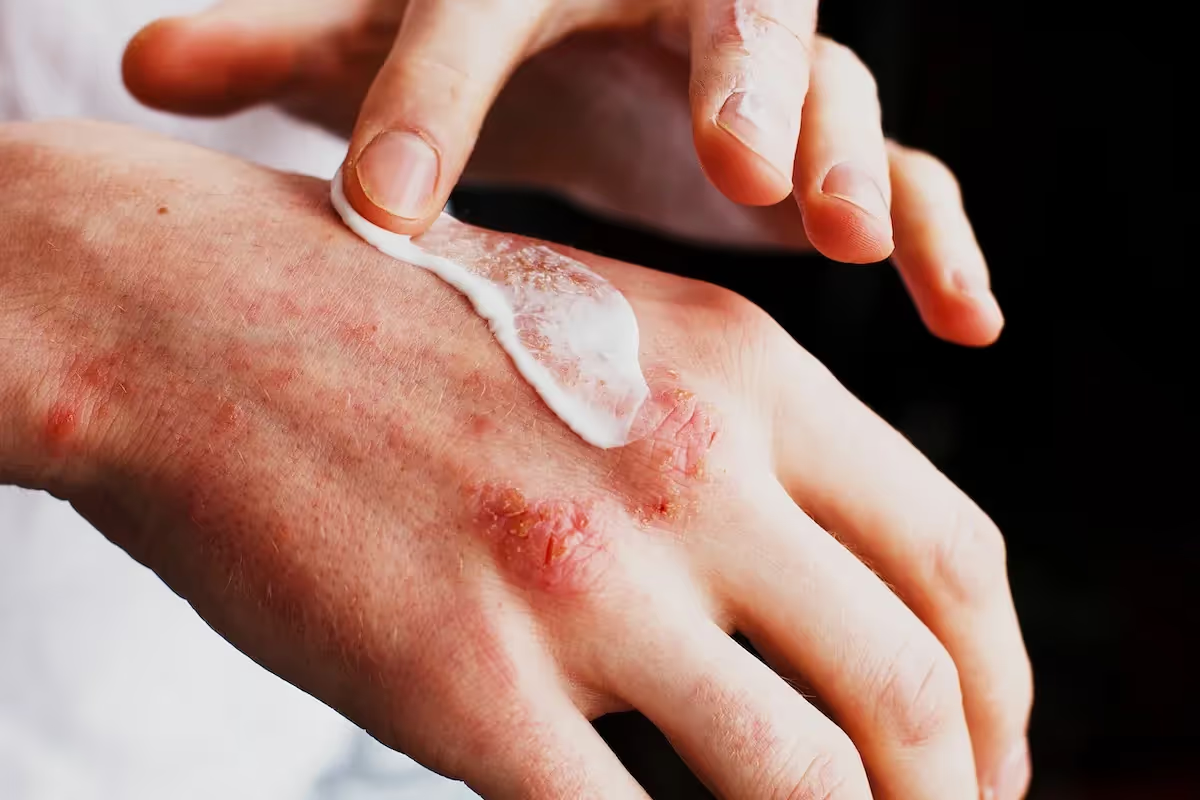
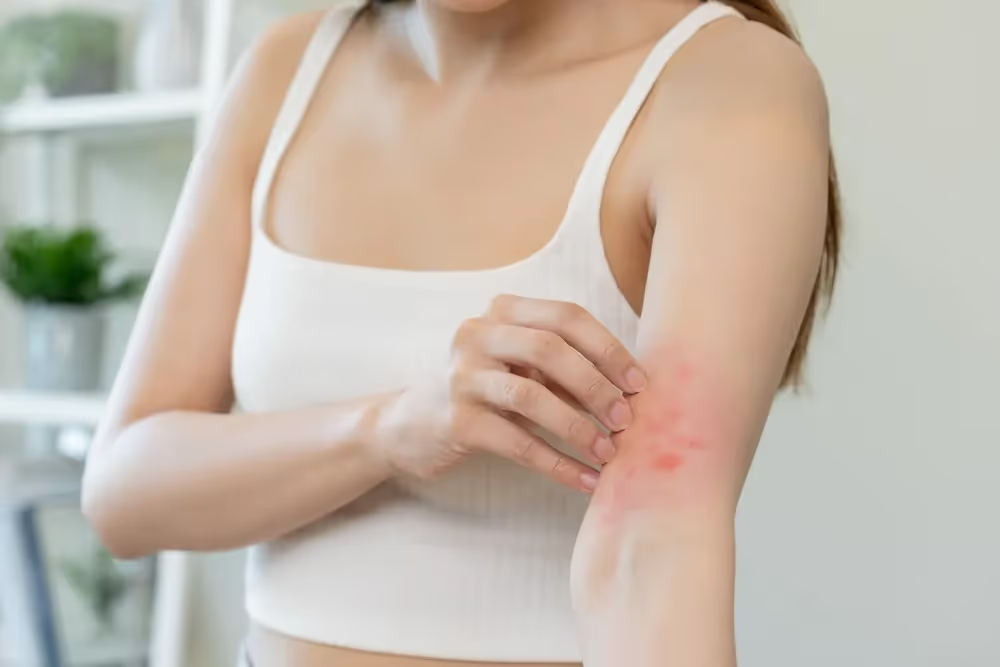
By making the right choices every day, you can support your skin and alleviate symptoms of eczema. This can range from the clothes you choose to extra moisturizing and protecting the skin.
Choose the right fabrics and clothing
The fabric of your clothes plays a role in controlling your eczema. Opt for materials that are gentle on the skin and reduce irritation.
- Breathable natural fabrics: Choose cotton, bamboo or silk. These materials are soft and reduce the risk of irritation, unlike synthetic fabrics that can retain heat and moisture.
- Avoid wool and synthetic materials: Wool can chafe and irritate the skin, while synthetic fabrics such as polyester are often not breathable.
- Special eczema-friendly clothing: Consider clothing with built-in protective materials or bandage suits that protect the skin from scratching and chafing. This is mainly used in children.
Loose-fitting clothing is often a better choice for people with eczema. Tight clothing can cause friction, which irritates the skin and can make eczema worse.
Hydrate and protect your skin
Good skin care is essential to control eczema:
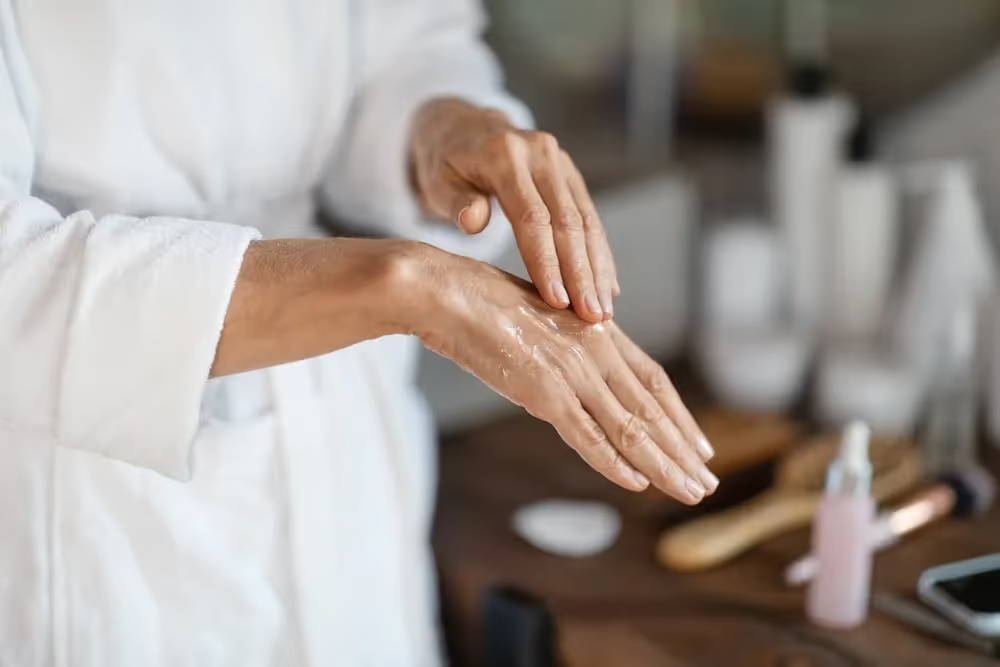
- Use moisturizers: Opt for rich, hypoallergenic creams that help repair the skin barrier and prevent dehydration.
- Short and lukewarm shower: Avoid long, hot showers that can dry out the skin. Use mild, unscented cleansers.
- Protect your skin against extreme conditions: Think of wind, cold and sun. Use sunscreen with a mineral filter and wear protective clothing when needed.
Seasonal skincare
Your skin's needs change with the seasons. Adjust your routine accordingly:
wintertime
- Hydrate intensively: Dry, cold air can make eczema worse. Use a rich cream to protect your skin.
- Dress in layers: Wear breathable cotton clothing under thicker layers.
In summer
- Protect from the sun: Choose a sunscreen with a high SPF and preferably a mineral sunscreen.
- Shower after swimming: Rinse off chlorine or salt water immediately to prevent further dehydration and irritation.
In spring and autumn
- Adjust your routine: Use mild cleansers and light moisturizers to protect your skin from temperature changes.
Other helpful tips
- Wash your clothes carefully: Use hypoallergenic detergents and rinse extra well to remove irritating residues.
- Keep your nails short: This is how you prevent damage to the skin when scratching.




%20(1).avif)
.avif)


%20(1).avif)
.avif)
.avif)


.avif)


-min.avif)
-min.avif)
-min.avif)
.avif)


.webp)






























.avif)


](https://static.legitscript.com/seals/624359.png)