.webp)




From wasp sting to hives
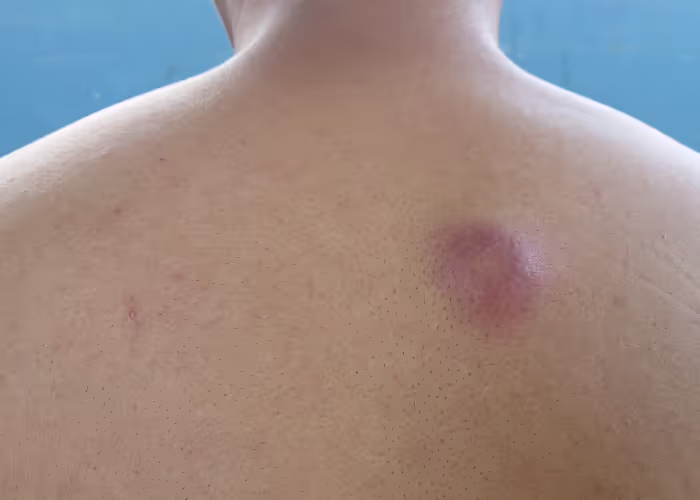
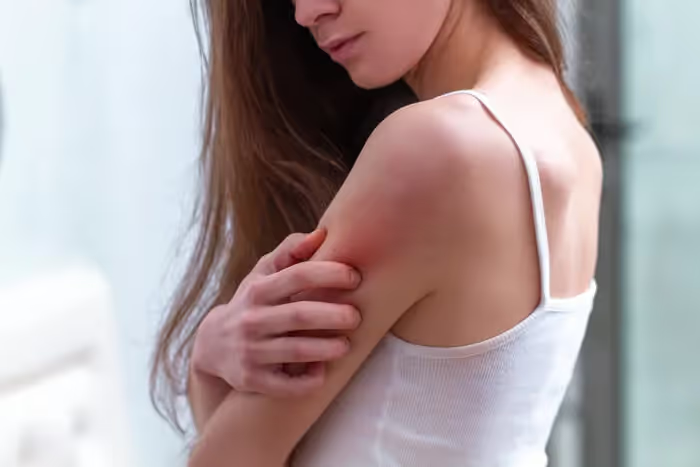
Wasp stings are very recognisable. If you have been pricked before, you know that the burning sensation is characteristic and not so pleasant. In the area where you were stung, the skin turns red and swelling and itching may occur due to the venom that comes out of the sting.
In some cases, people with an allergy to insect stings may experience serious generalized reactions, such as swelling in other parts of the body, difficulty breathing, dizziness, or anaphylactic shock. A less serious adverse reaction is the development of hives.
What is hives?
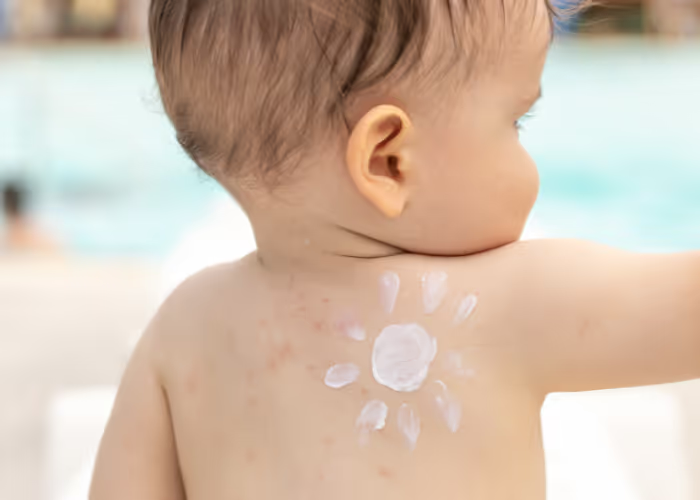
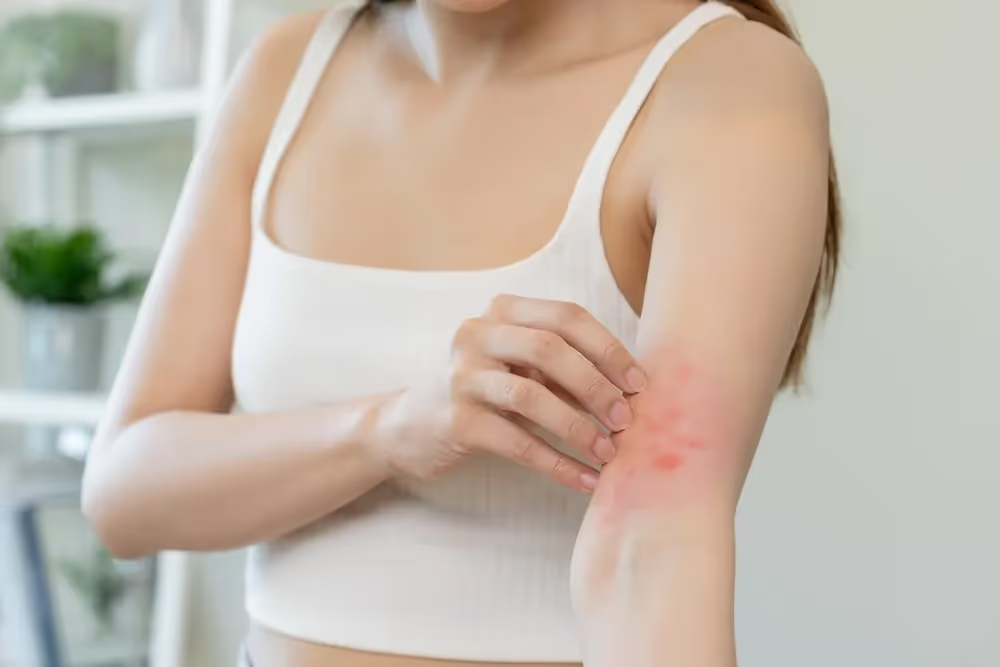
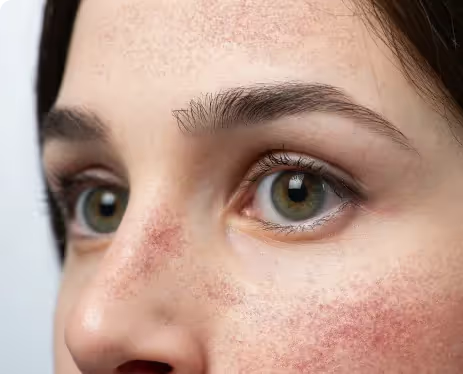
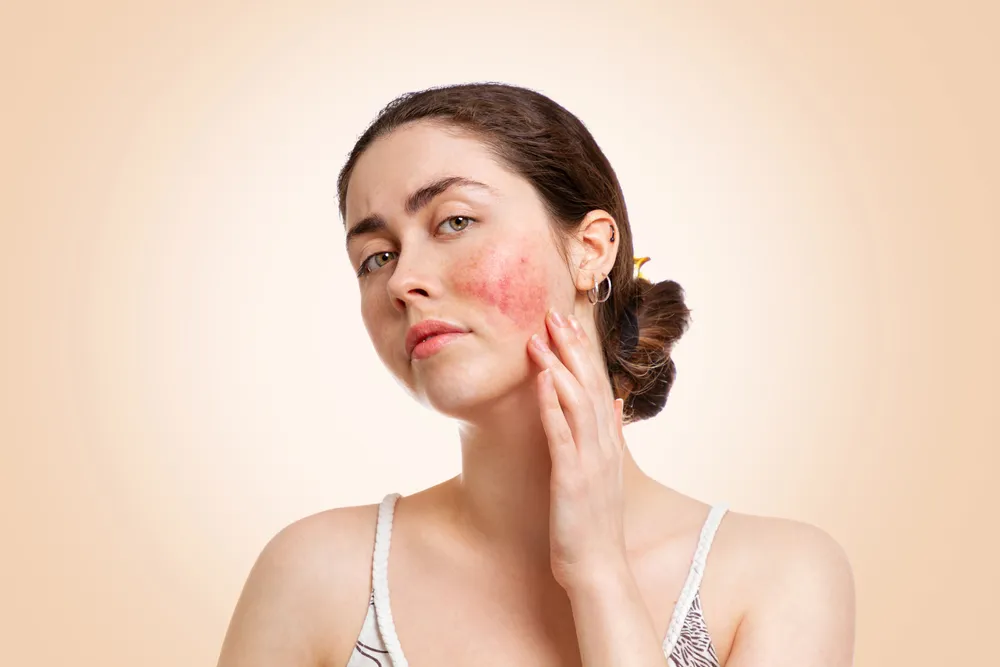
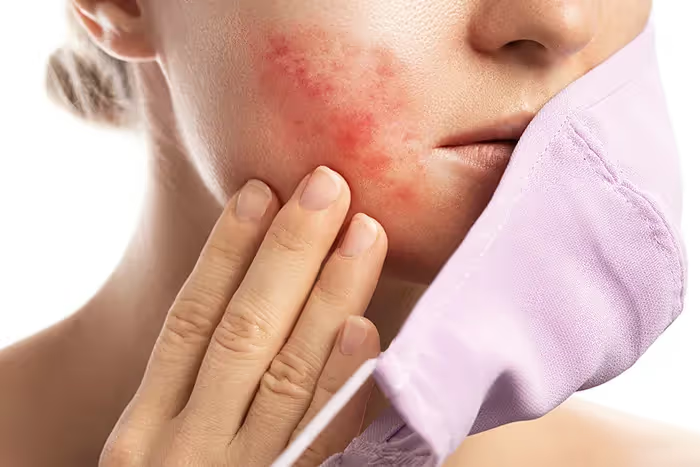
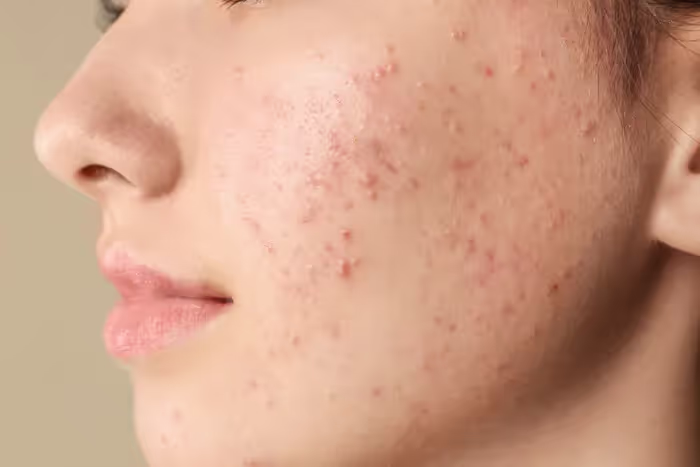
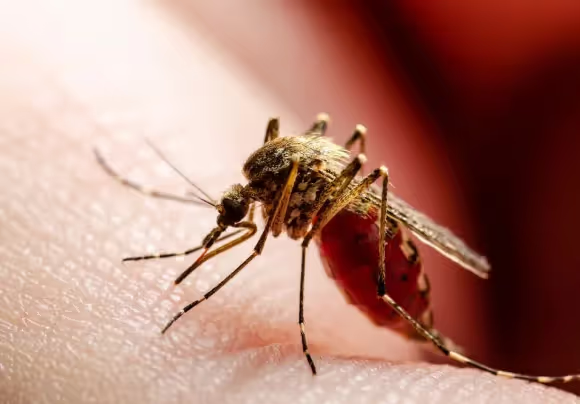
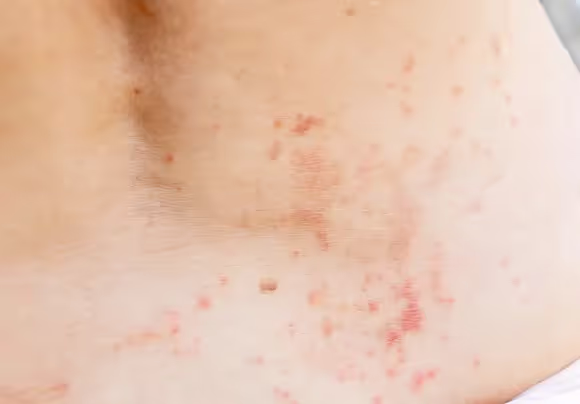
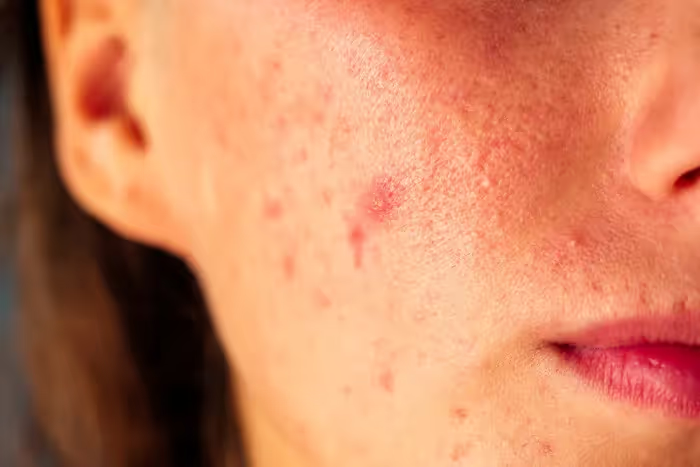
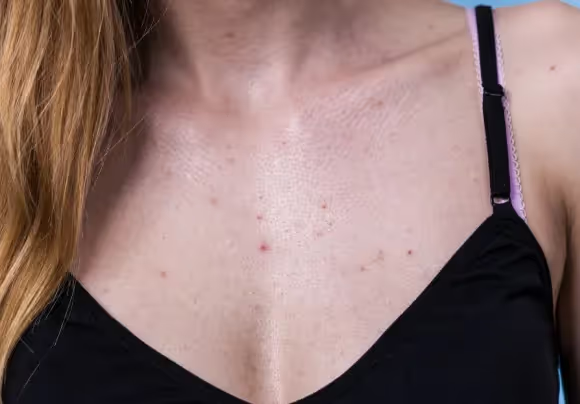
Hives are a skin condition characterized by red, itchy bumps or patches on the skin. These bumps can vary in size and shape and tend to change shape quickly or disappear and come back elsewhere. Hives sometimes occur as a response to a certain stimulus, such as in this blog post a wasp sting (but also other insect bites, such as mosquito bites), where the immune system releases histamine. That histamine causes the characteristic symptoms of hives.
The cause of hives is certainly not always known; in most forms of hives, no clear trigger can be recognized. For example, you can also have a hives reaction after experiencing a banal viral infection, a cold,...
What can you do to prevent a wasp sting from becoming hives?
Treating the wasp sting correctly can already help prevent a further skin reaction, such as hives. Stung? Then do it like this:
Remove the sting
Wasps sometimes leave their stings in the skin. Try to remove the sting carefully by scraping it with your nail or tweezers. Do not pinch the sting, as this may cause more venom to be released.
Clean the sting area
Push or suck the poison out of the stung area. Wash the sting area with water and mild soap to remove any bacteria and reduce the risk of infection.
Cool the affected area
Apply a cold compress or ice to the sting area to reduce swelling and pain. Keep the compress on the spot for about 15 minutes and repeat if necessary.
Use your adrenaline pen
If you have a history of a serious allergic reaction, you probably have an adrenaline pen, a medicine to stop serious generalized reactions in time.
What if you do get hives?
- Avoid scratching or rubbing: While it may be tempting to scratch or rub the itchy areas, you should avoid it. Scratching can damage the skin and increase the risk of infection. Instead, try tapping or dabbing the areas to relieve itching.
- Use an antihistamine: Antihistamines are medications that reduce the release of histamine in the body, which also reduces itching and swelling. They can thus provide relief and attenuate the hives. Always follow the instructions on the package or consult a doctor for the correct dosage. Note: If you are already familiar with an allergy to wasp stings, it is best to take your antihistamine medication at a high dose immediately.
- Consult a doctor: If the symptoms of hives persist, are severe or worsen after a wasp sting, it is best to consult a doctor or dermatologist to be on the safe side. They can make an accurate diagnosis and prescribe stronger medications if needed. Would you like advice about your skin reaction? Have your skin assessed by a dermatologist through the Skindr app.



%20(1).avif)
.avif)


%20(1).avif)
.avif)
.avif)

.avif)


-min.avif)
-min.avif)
-min.avif)
.avif)


.webp)


























.avif)


](https://static.legitscript.com/seals/624359.png)