.webp)



.avif)
Treating rosacea can be challenging, but with the right approach and treatments, it is possible to significantly reduce symptoms and improve quality of life. In this blog post, we discuss the different treatments for rosacea, from self-care to medical interventions.
Self-care
Self-care plays a critical role in managing rosacea. Here are some tips to get started:
- Sun protection: Protect your skin from sunlight with a high SPF sunscreen.
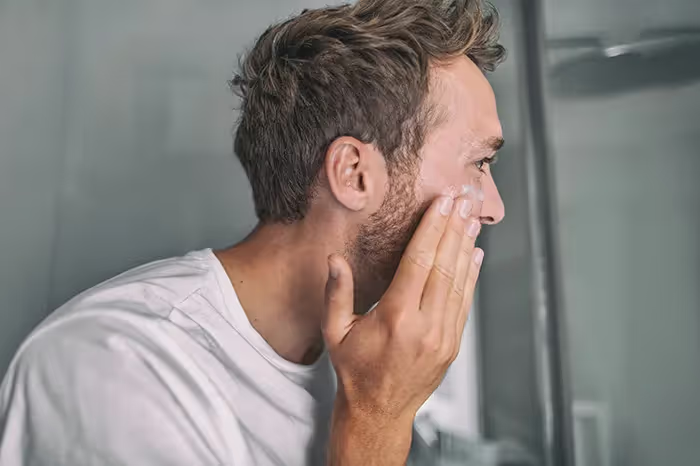
- Mild skin care: Use mild, hydrating cleansers and avoid harsh soaps.
- Camouflage: Use water-based makeup to disguise redness. There are special creams on the market with green pigments that help you hide the redness.
- Trigger journal: Keep track of what makes your rosacea worse and try to avoid these triggers.
Medical treatments
Step 1: Diagnosis and Evaluation
The first step towards effective treatment is an accurate diagnosis by a dermatologist. The severity of rosacea largely determines the treatment plan.
Step 2: Treatment Plan
Based on the diagnosis, the dermatologist draw up a treatment plan. This can range from medicinal cream to antibiotic tablets and laser therapy.
Step 3: Prevent follow-up and relapse
Regular follow-up by a dermatologist is essential to monitor progress and adjust the treatment plan. Long-term maintenance therapy may be necessary to prevent relapse.
Specific treatments
- Local treatments: Creams that constrict blood vessels can help with redness. Certain creams help reduce inflammation and redness and target demodex mites.
- Laser therapy: For visible blood vessels and permanent redness, laser therapy can be effective.
- Antibiotics: In case of more serious symptoms, antibiotics may be prescribed in tablet form.
Each type of rosacea requires specific treatment
Red skin
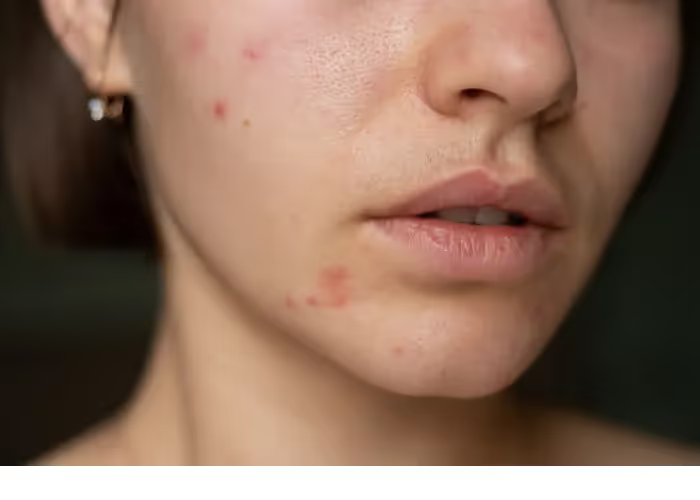
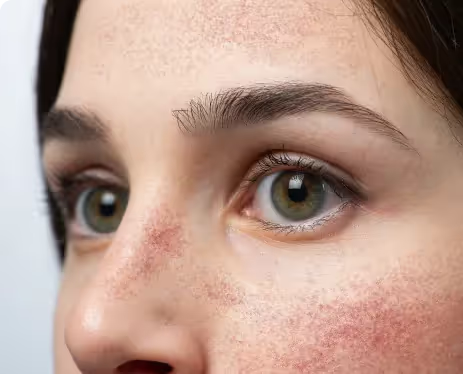
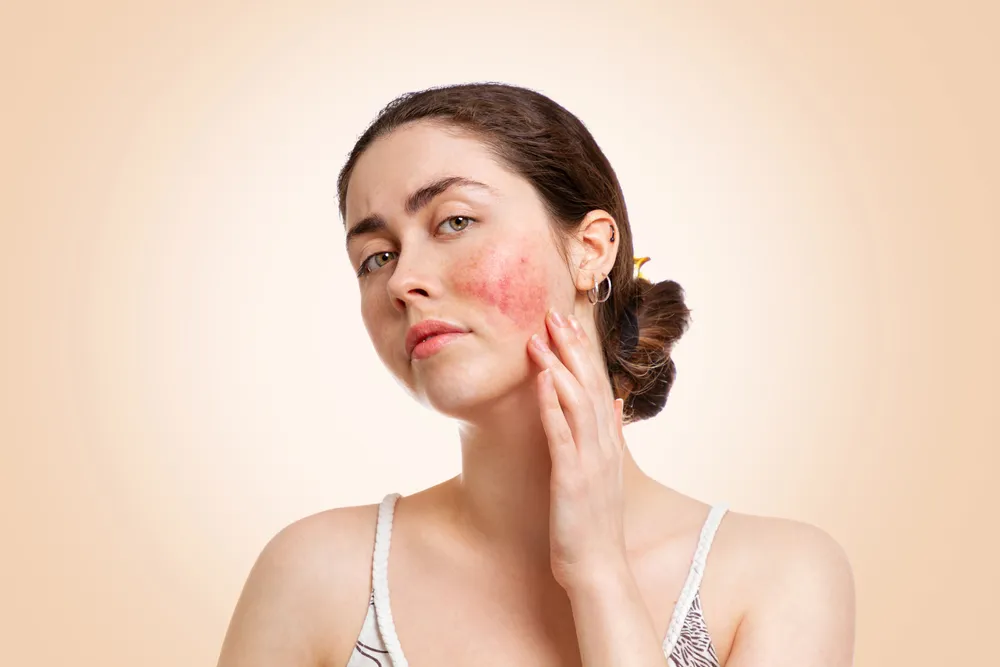
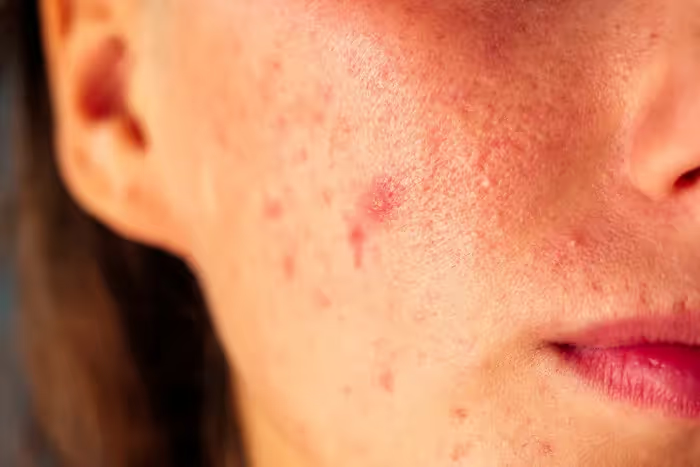
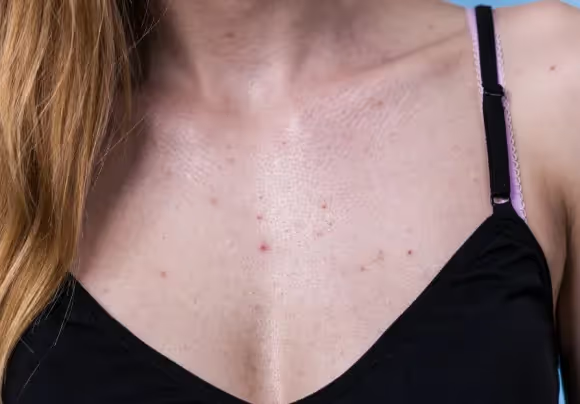
The continuous redness that characterizes rosacea can be addressed with topical treatments. A gel that constricts blood vessels can help temporarily reduce skin redness.
Red skin with bumps and pimples
When rosacea is accompanied by bumps and pimples, anti-inflammatory creams are essential. These creams help reduce skin inflammation and redness. Antibiotics - in both spreadable form and oral tablets - may also be prescribed to treat inflammation.
Phymatous rosacea
In phymatous rosacea, where the skin of the nose is thickened (= “rhinophyma”), treatment with a CO2 laser can provide significant improvements. This form of rosacea often requires a more intensive approach, and in some cases, surgical procedures may be necessary to remove excess tissue and restore the shape of the nose.
Ocular rosacea
If you have eye problems, it is also best to let your dermatologist know. Treatments can range from cleaning the eyelids regularly to using special eye drops that reduce inflammation and dryness.
Importance of dermatological guidance
A dermatologist can not only help with the right diagnosis and treatment, but also provide advice on lifestyle adjustments and skin care products that are suitable for your skin type. Download the Skindr app to get quick advice from a real dermatologist.
Conclusion
Effective rosacea management requires a personal approach and regular follow-up. With the right treatments and lifestyle adjustments, patients can manage rosacea symptoms and improve their quality of life. Regular visits to a dermatologist are essential to monitor the progression of the disorder and adjust treatment if necessary.


%20(1).avif)
.avif)


%20(1).avif)
.avif)
.avif)

.avif)


-min.avif)
-min.avif)
-min.avif)


.webp)




























.avif)


](https://static.legitscript.com/seals/624359.png)