.webp)



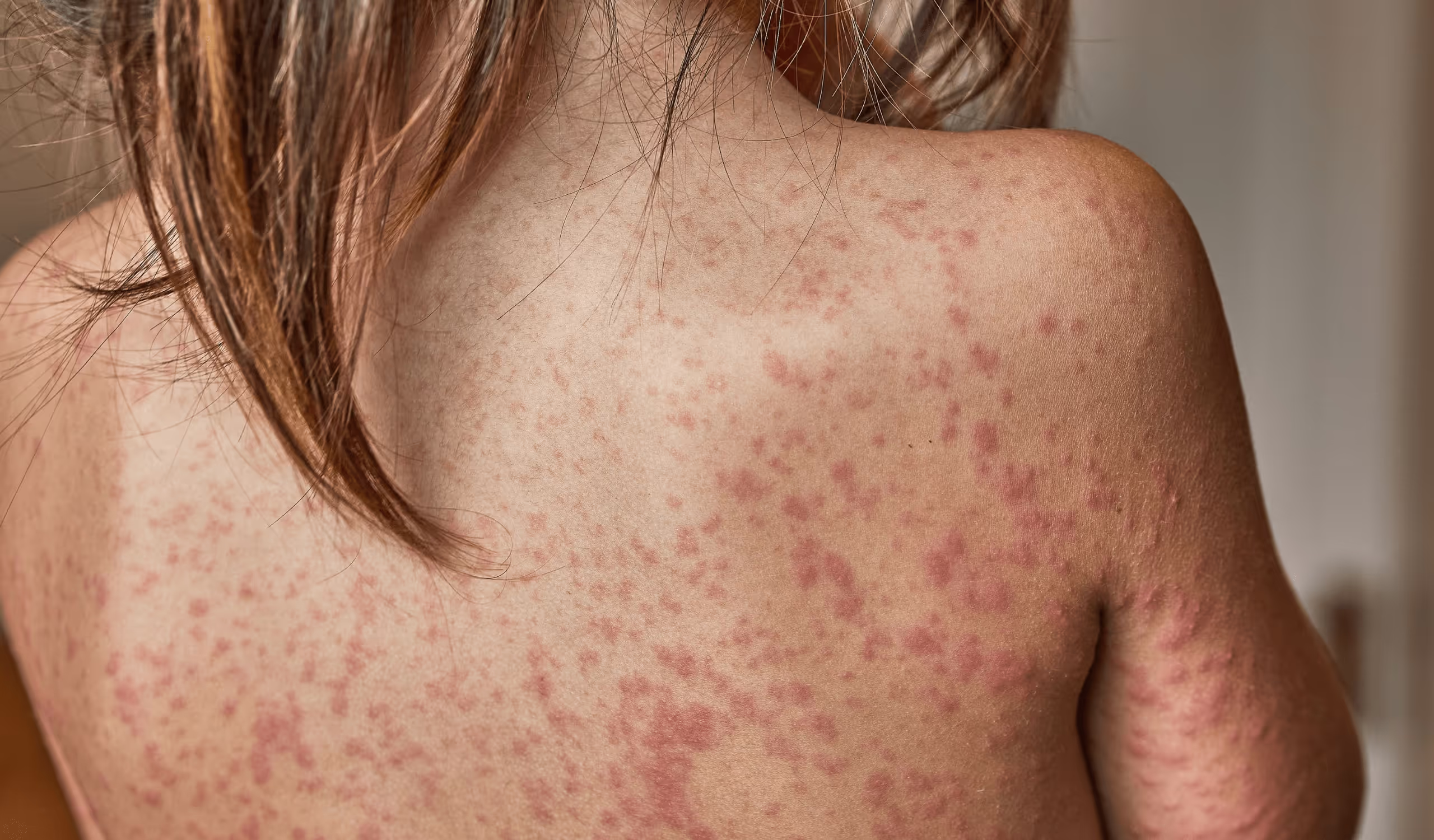
Measles or Fifth Disease? How to recognize the difference in your child
Children sometimes have rashes or red spots. But how do you know if it's measles or the fifth disease? Both diseases cause a rash, but there are clear differences in symptoms, causes and what to do about it. In this blog, you can read how to recognize the difference and what to do if you suspect one of these disorders.
What are measles and fifth disease?
Measles is a highly contagious viral infection. Thanks to vaccinations, it is still rare in Belgium, but the number of cases has increased somewhat recently. Especially in children who have not been vaccinated. The vaccination is part of the basic Child and Family program and is usually given when your child is 12 months old.
You can recognize measles by fever and typical patches on the skin, including small white spots in the mouth (Koplik spots). Nevertheless, the chance that a child's rash is really measles is still small. More important than the rash itself is how sick your child feels. This often helps doctors to assess whether it is serious more quickly.
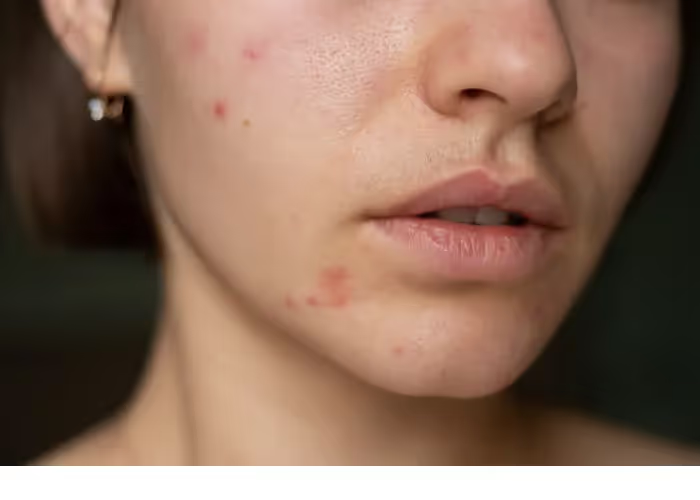
The fifth disease (erythema infectiosum) is caused by the parvovirus B19 and is mainly seen in children aged 5 to 15 years. It is usually mild and you see red spots on the cheeks, torso and arms or legs. It often goes away on its own. Only in special cases, for example in pregnant women or people with a weak immune system, can there be complications.
Differences in symptoms
Here are the main differences between measles and the fifth disease.
Measles
- High fever (over 38.5°C)
- Red, watery eyes
- Sensitive to light
- Dry cough
- Runny nose
- Small white spots in the mouth (Koplik spots)
- Dark red spots that start on the face and spread downwards
Fifth disease
- Slight fever (or no fever)
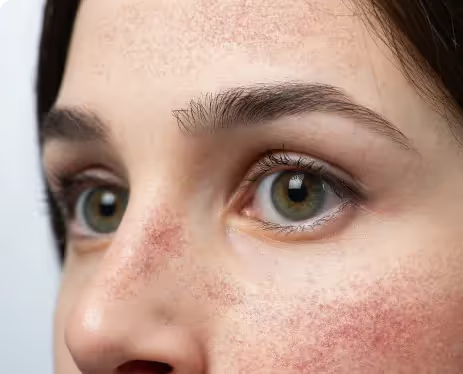
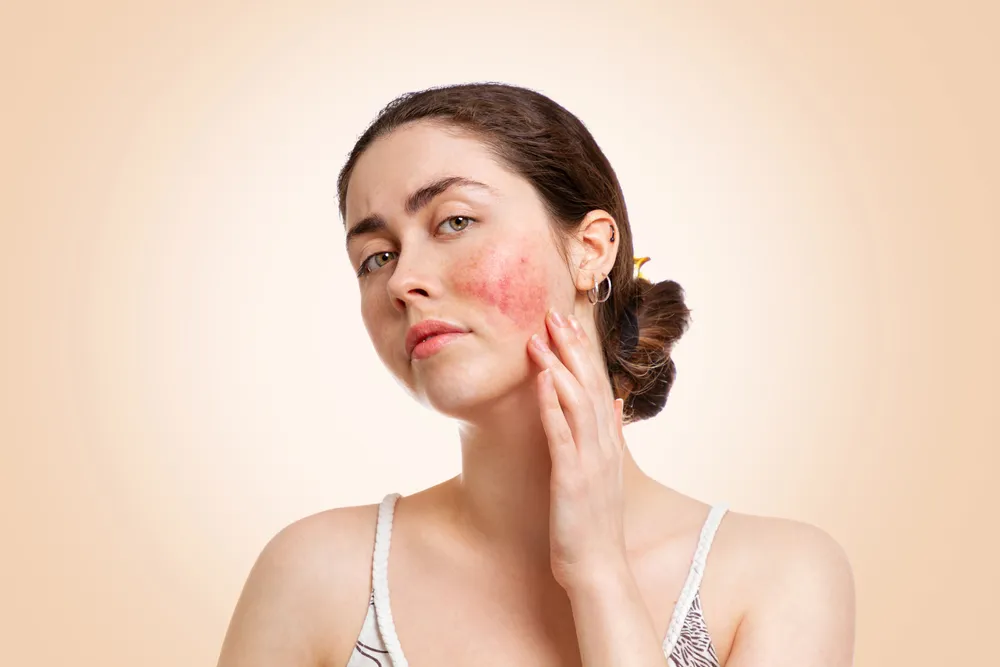
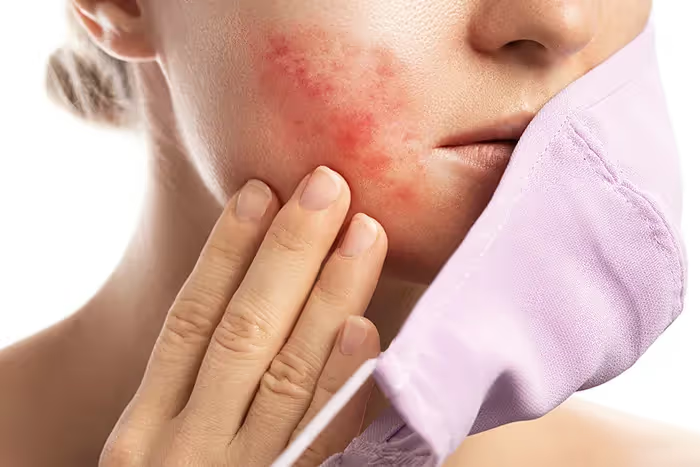
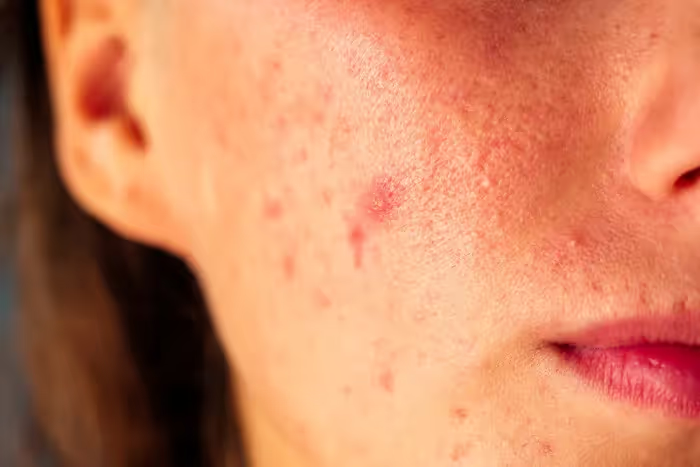
- Redness on the cheeks, as if they were beaten
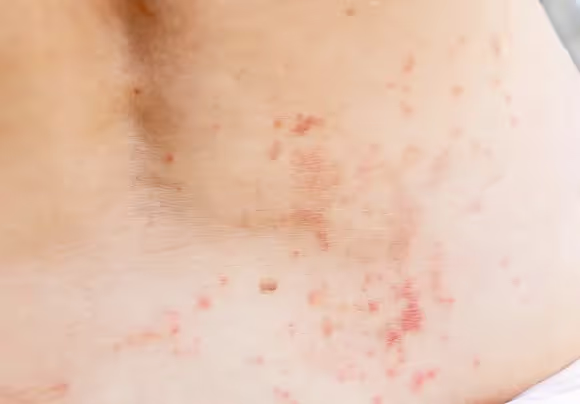
- Fine, reticulated rash on arms, legs and torso
- Sometimes a bit itchy
- Joint pain (especially in older children or adults)
- Overall a milder clinical picture
Please note: Although both diseases cause a rash, the measles rash looks different and usually makes a child feel much sicker.
How does the doctor know what it is?
Because the symptoms are similar, it is important that a doctor makes the correct diagnosis. This is usually the case:
- Asking questions: The doctor asks if your child has been in contact with someone who is ill, and what the symptoms are exactly.
- Research: What the rash looks like, where it is, and whether there is a fever or cough helps to determine the cause.
- Blood test (sometimes): For measles, a blood test can be done to see if there are antibodies. In the fifth disease, this is usually not necessary. Only if there is a risk of complications, such as pregnancy, can a test be useful.
What can you do about it?
There is no specific medication for measles or the fifth disease, but you can alleviate the symptoms.
In case of measles
- Rest and drink: Let your child get sick and make sure they drink enough.
- Lowering a fever: For example, with a fever reducer.
- Watch out for complications: Especially for young children or children with lower immunity. Call the doctor if you have any signs of pneumonia or ear infection.
- Vitamin A: In some countries, this is given to make the disease less serious.
In the fifth disease
- Relieve itching: Antihistamine may help with skin irritation.
- Joint pain: A common pain reliever can provide relief.
- Reassure: The disease is usually mild and will go away on its own.
Are you unsure whether the symptoms are serious, such as breathing problems or prolonged fever? Then always contact the doctor.
How do you prevent it?
Vaccination
You can protect your child well against measles with a shot. The MMR vaccine (mumps, measles, rubella) is offered as standard. It protects your child and also helps to reduce the spread of the disease.
There is no vaccine against the fifth disease, because it is usually harmless and will go away on its own.
Hygiene tips
- Wash your hands regularly with soap.
- Keep your child away from sick people.
- Have your child cough or sneeze into a tissue paper or elbow.
Briefly summarized
The difference between measles and the fifth disease is not always immediately visible. But pay attention to the symptoms: measles often causes more and more severe symptoms than the fifth disease.
In case of doubt or serious complaints: call the doctor. Vaccination is the best way to prevent measles. Good hygiene is important for the fifth disease.
Want to know more about skin diseases in children? Then consider an appointment with a dermatologist.


%20(1).avif)
.avif)


%20(1).avif)
.avif)
.avif)

.avif)


-min.avif)
-min.avif)
-min.avif)
.avif)


.webp)


























.avif)


](https://static.legitscript.com/seals/624359.png)