.webp)


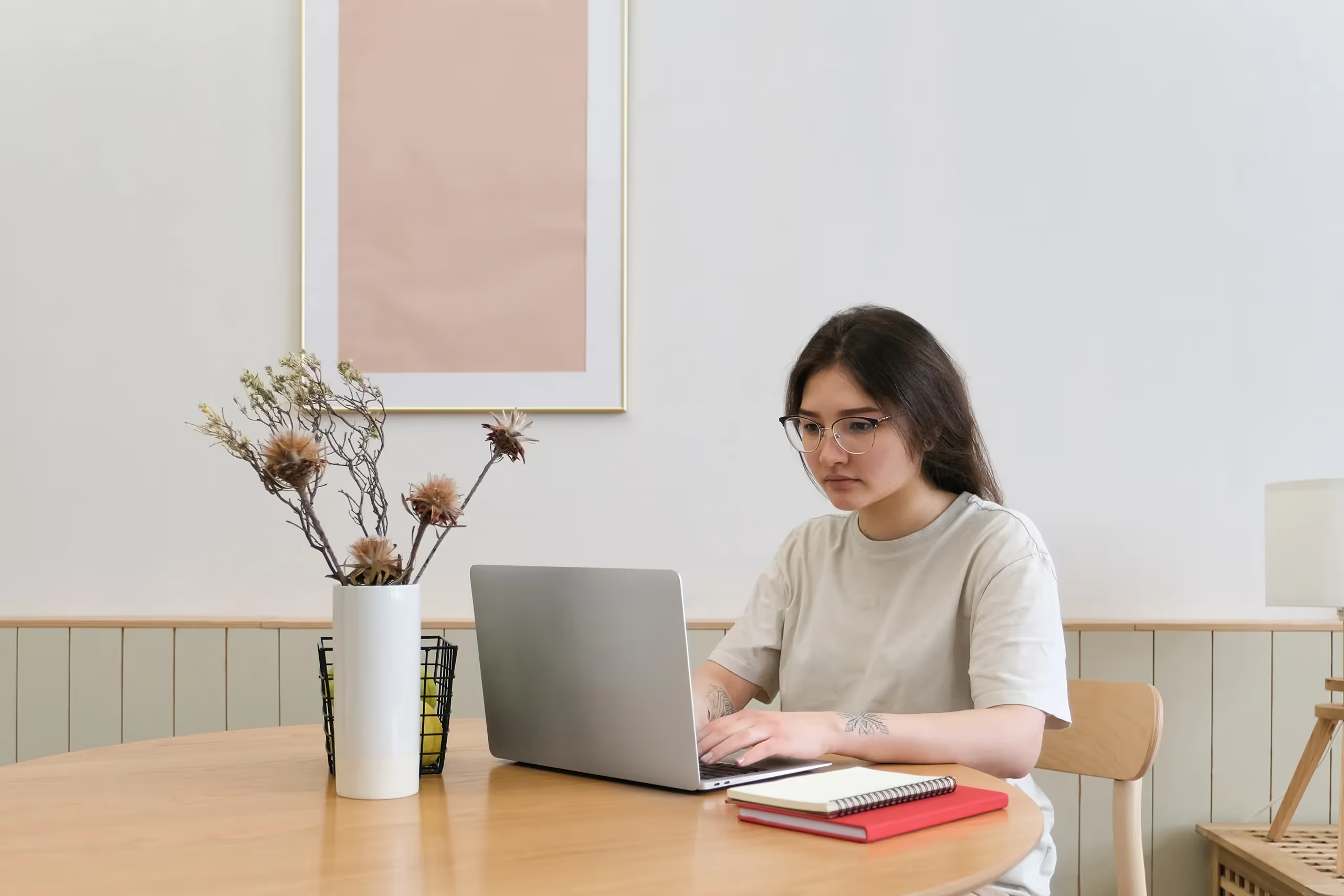
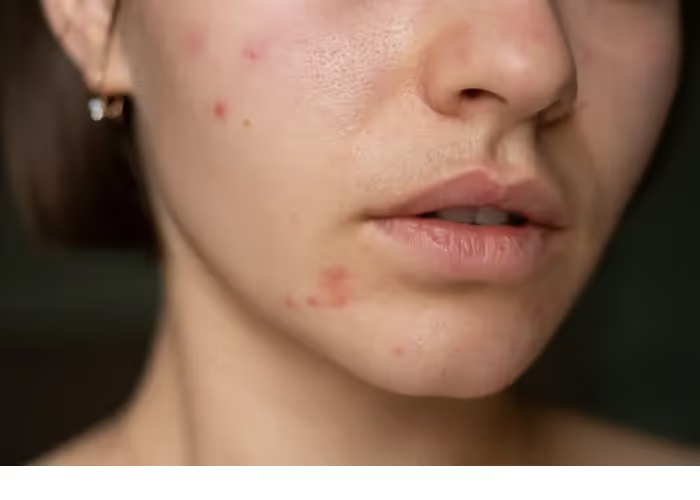
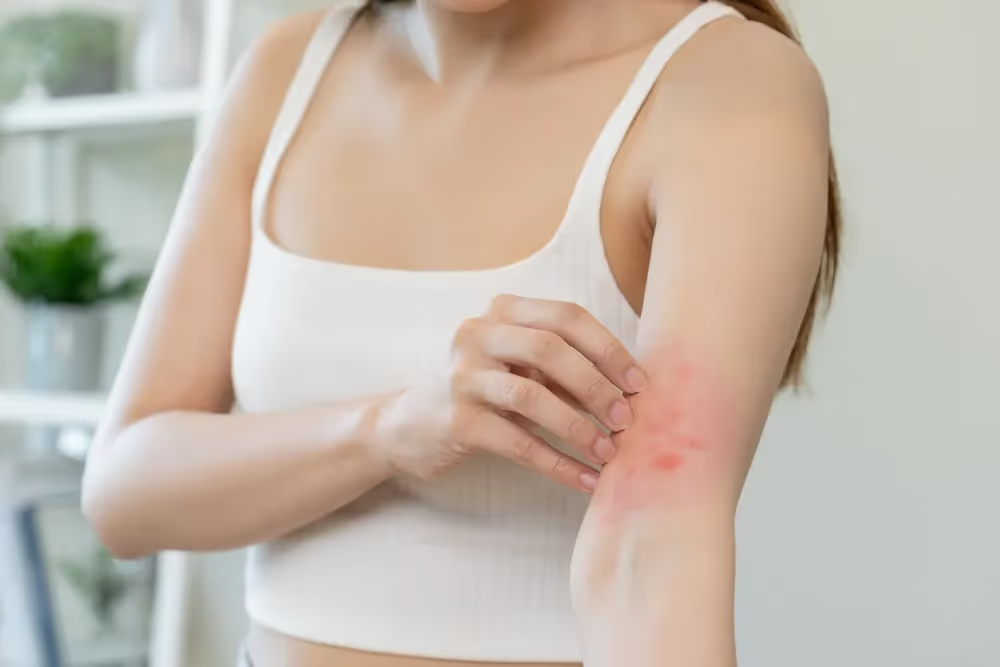
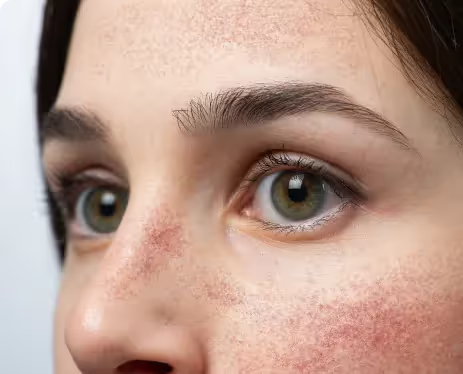
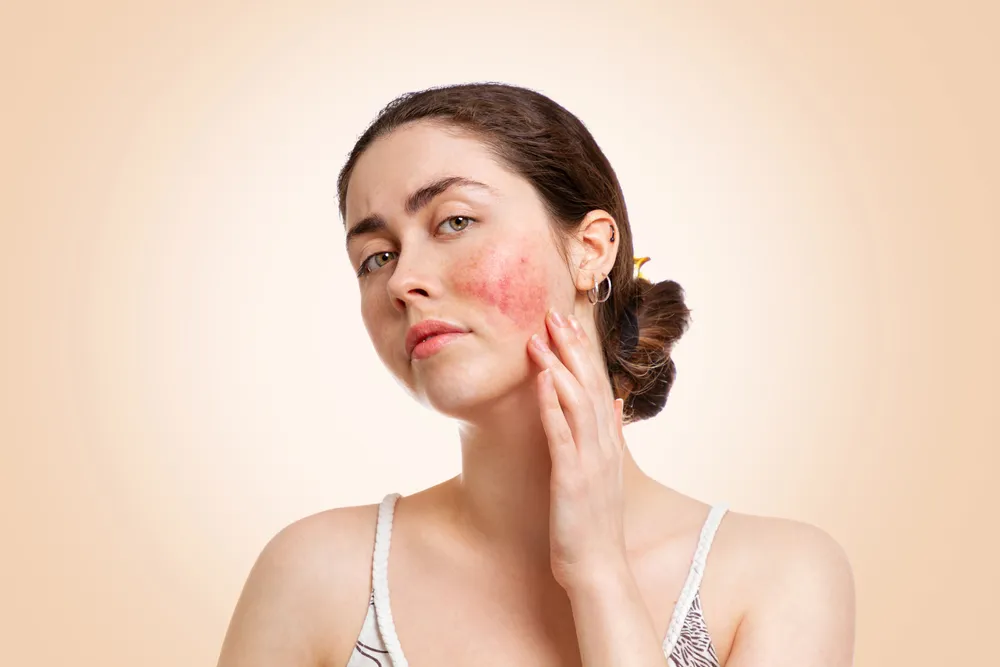
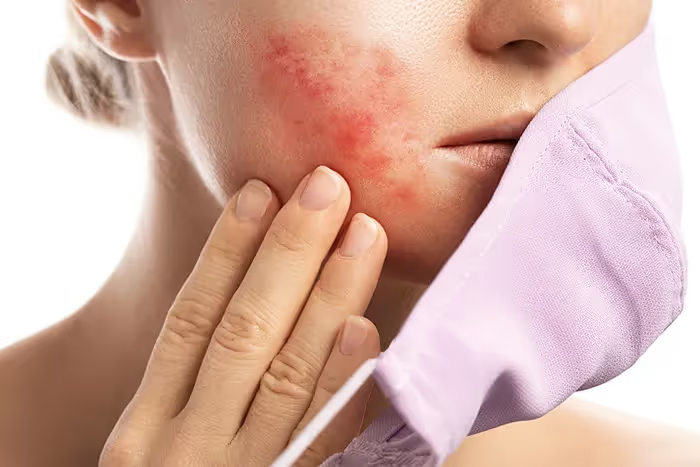
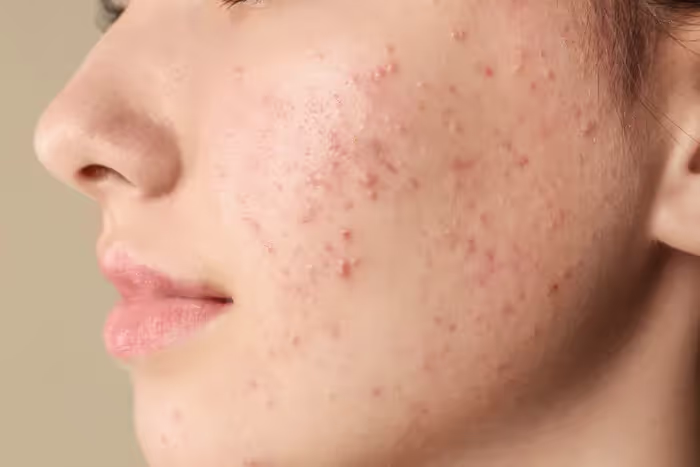
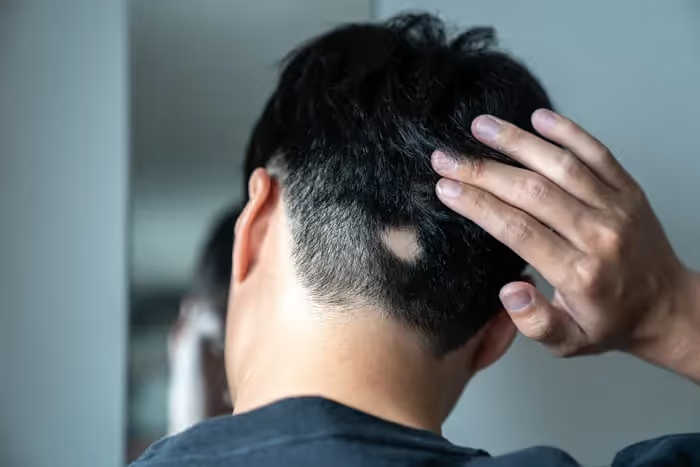
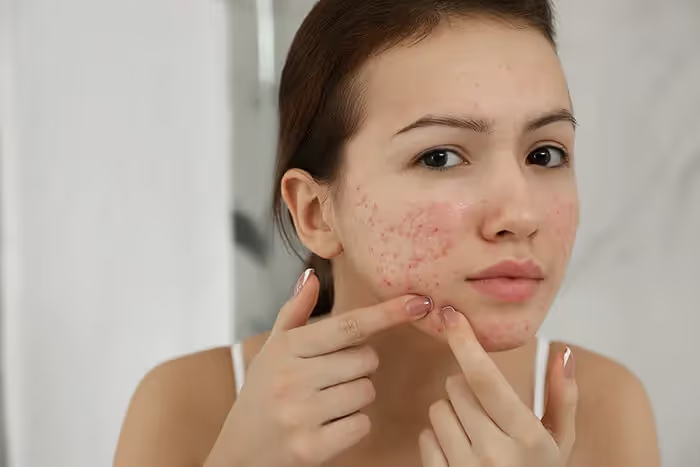
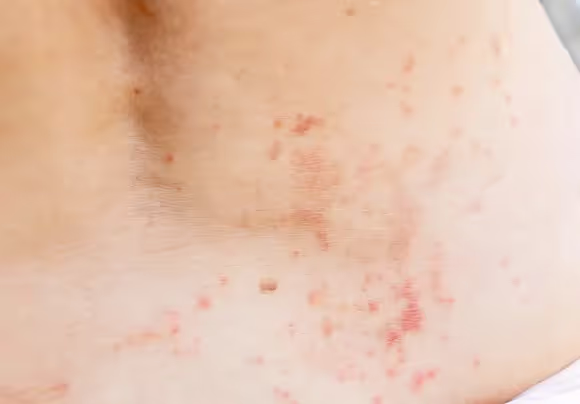
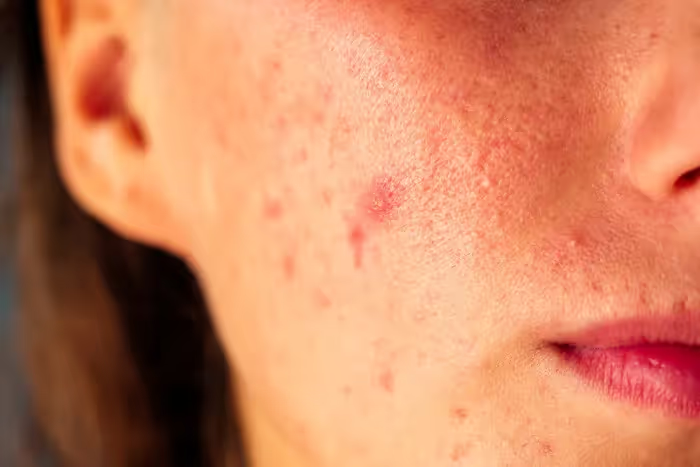
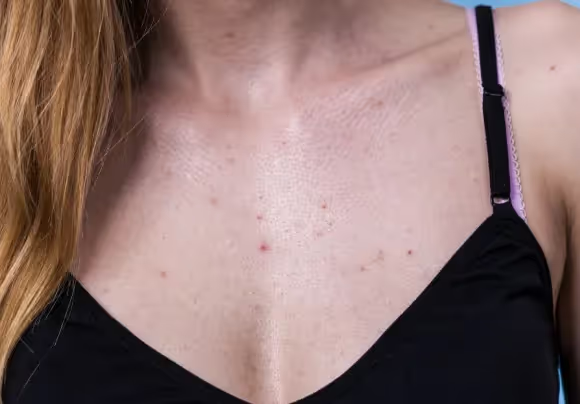
Never heard of teledermatology? Then you are certainly not alone. However, telemedicine is already being used in many areas and is increasingly being used. Teledermatology is the exchange of medical information about dermatological problems via telecommunications: say e-mail, phone call or chat. This exchange can take place between doctor and specialist, between patient and dermatologist or between universities and students. Within telemedicine, teledermatology is or online dermatology the most popular. This is because the waiting times in the dermatology can increase significantly and a dermatologist can diagnose most skin conditions based on photos and a description.
GPs alleviate dermatologists' workload with teledermatology
Most GPs have been exchanging medical information with a dermatologist via telecommunications. This is how they relieve the dermatologist and the patient was helped more quickly. It is also cheaper because a consultation with a skin specialist costs a lot more than with a doctor. Sometimes it is not clear to the doctor whether it is necessary to refer a patient to the dermatologist or not. Instead of taking things on the safe side and advising the patient to consult a skin specialist, the doctor avoids unnecessary appointments by first informing himself by email or phone.
Patients helped much faster
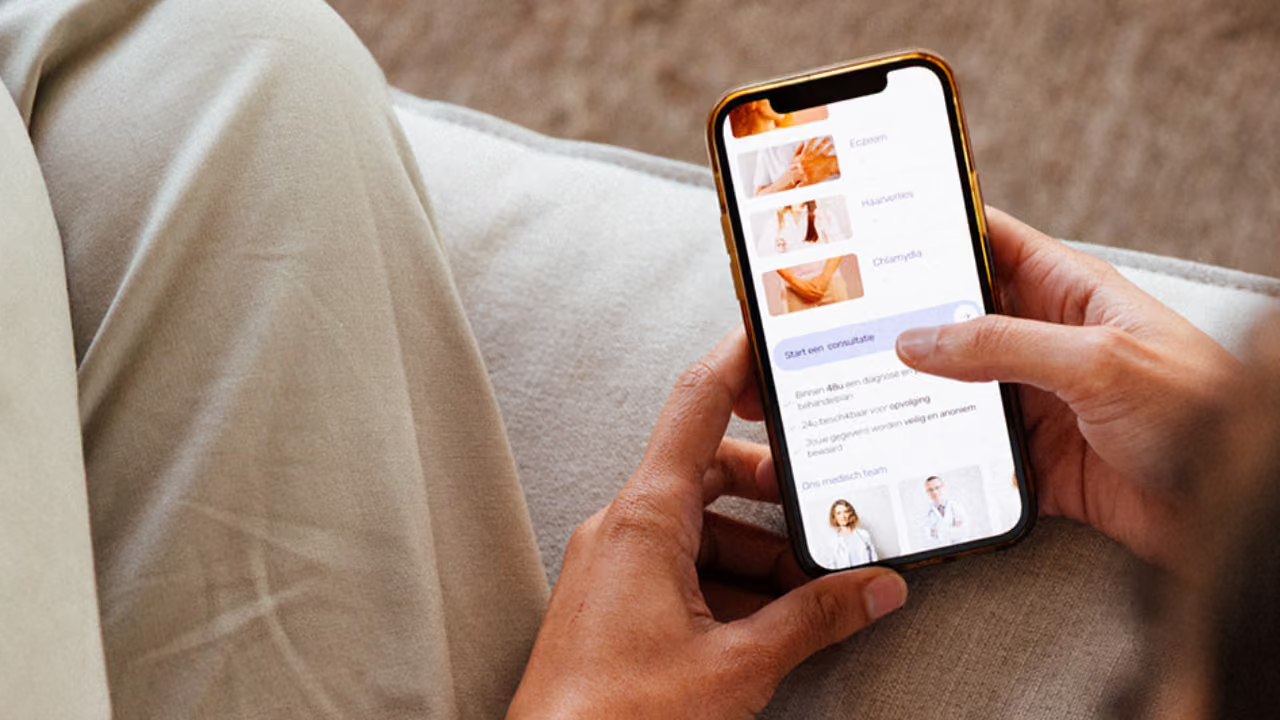
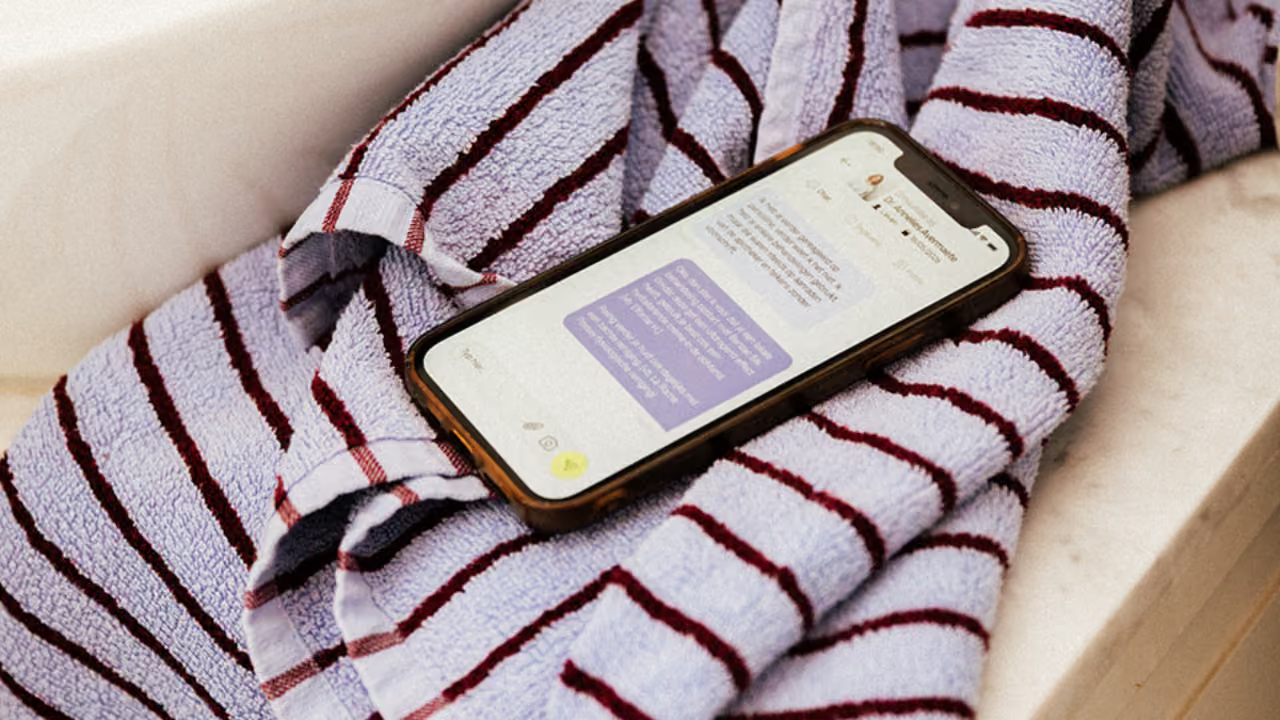
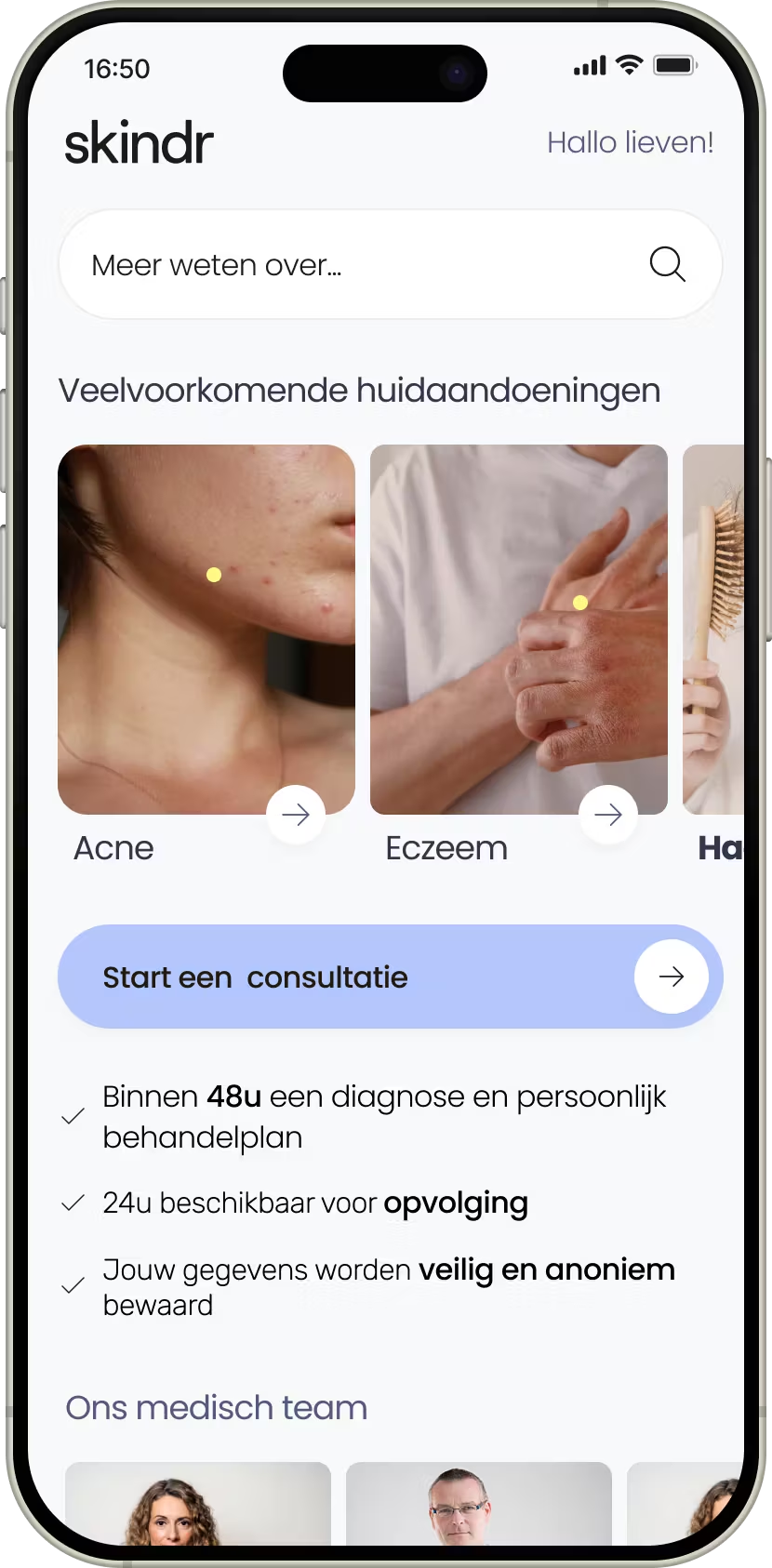
GPs make the most use of it, but the system was actually created to facilitate direct contact between patients and dermatologists to simplify. Portland dermatologists Perednia and Brown were the first to use the term in 1995 in a scientific publication describing that teledermatology one way was to reach patients in rural areas more easily. After all, the patient does not have to travel around for an online consultation. This saves considerable time. Teledermatology has made it possible for patients, when it suits them, to start a consultation with an online dermatologist and describe the skin condition and upload photos via chat.
Continuing training
A third application of teledermatology is the dissemination of knowledge. Universities offer students online courses, training programs, and web applications. These are mainly aimed at medical students, but patients and their family members can also communicate with peers via online self-help groups.
Shorter waiting time and more efficient collaboration
The advance of teledermatology is a logical consequence of the increasing workload of dermatologists and technological evolution. Technology has made many things in daily life more efficient, including the contact between the patient and the doctor. Those suffering from a rash no longer have to wait weeks or take half a day to be helped. Although in most countries, online consultations are not yet funded by the national health care system, the cost is lower and so is the patient's bill. In this way, it does not pay more than with a classic consultation and the health care system is less burdened.
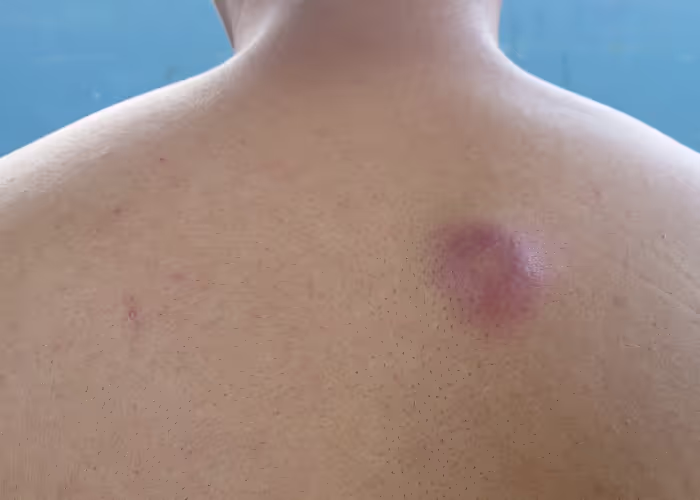
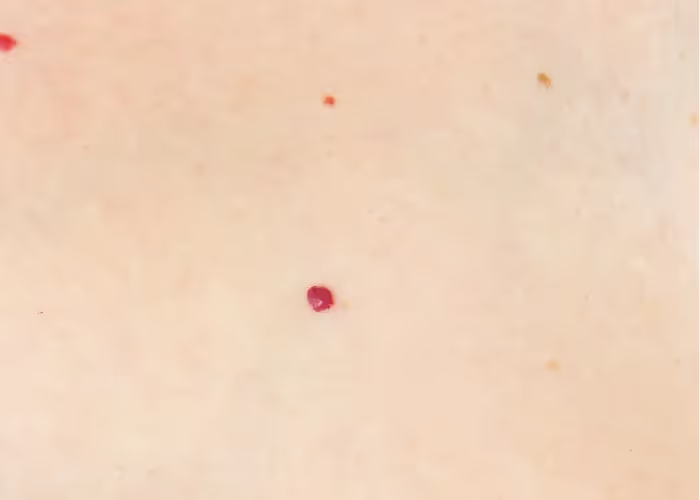
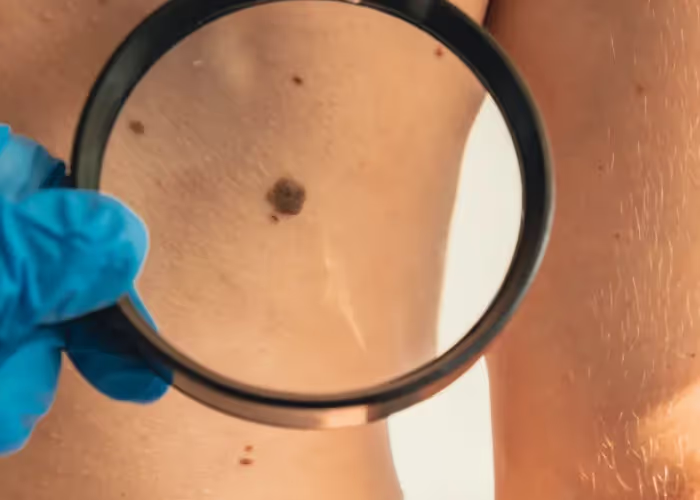
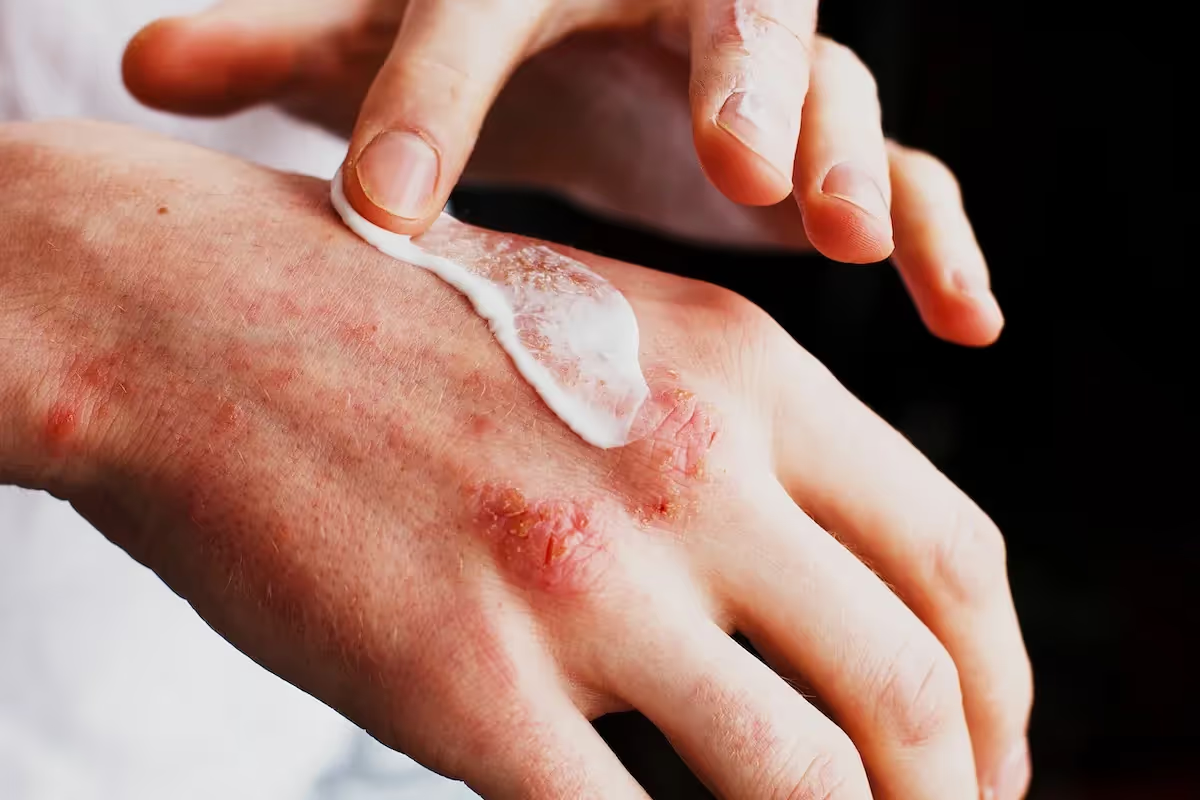
In 75 percent of the teleconsultations, a visit to the practice afterwards is no longer necessary. Not all dermatological problems can be solved via an online consultation. Skin tumours and their follow-up, for example, are less suitable. Chronic skin diseases such as psoriasis, which require a lot of follow-up, are ideal for: teledermatology. The person consulted online dermatologist will still invite the patient to the practice if necessary to make the correct diagnosis or initiate treatment.

%20(1).avif)
.avif)


%20(1).avif)
.avif)
.avif)

.avif)

-min.avif)
-min.avif)
-min.avif)
.avif)


.webp)


























.avif)


](https://static.legitscript.com/seals/624359.png)