.webp)




Frank Deboosere describes this week as a winter shot, and we feel it. Now that the temperatures dipped below zero degrees, it was shivering and trembling, but also lips were jumping and trying to stay away from those itchy hands and legs. The winter cold isn't good for your skin.
Why? Does that differ so much from other weather conditions? In this blog, we would love to work with you to see what winter means for your skin care.
The vicious cycle of dry winter skin
We are not climate experts, but we do know that the humidity in the winter is much lower. Low humidity means dry air, and we just don't want that for our skin. Even a short exposure to that cold, dry air already has an effect on your skin. This is because the amount of moisture in your skin is getting less and less. And that's how dry lines are created. They sometimes say it freezes, so that's also true for your skin.
More than that: the drier the skin, the weaker the skin barrier. Your top layer of skin, the horny layer - which partly consists of skin fat, can no longer retain moisture and therefore loses its protective function.
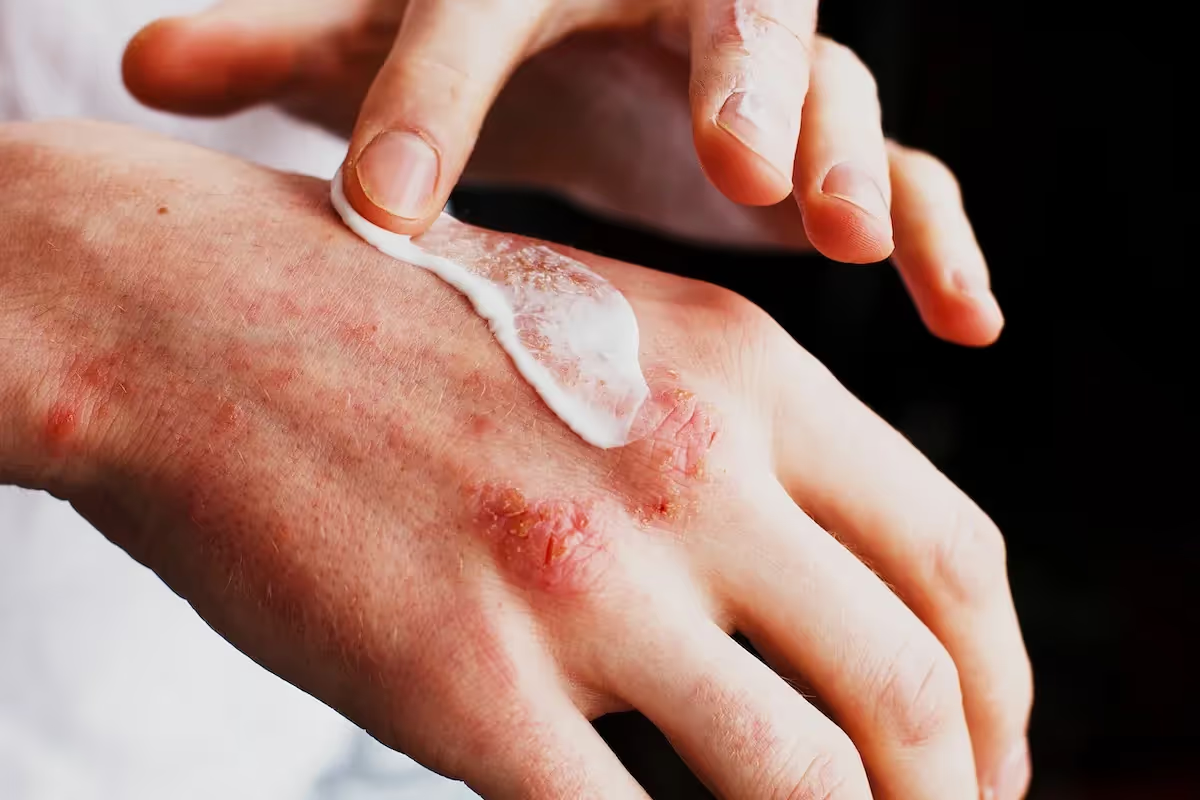
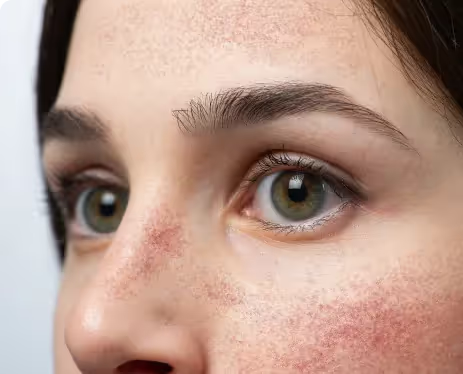
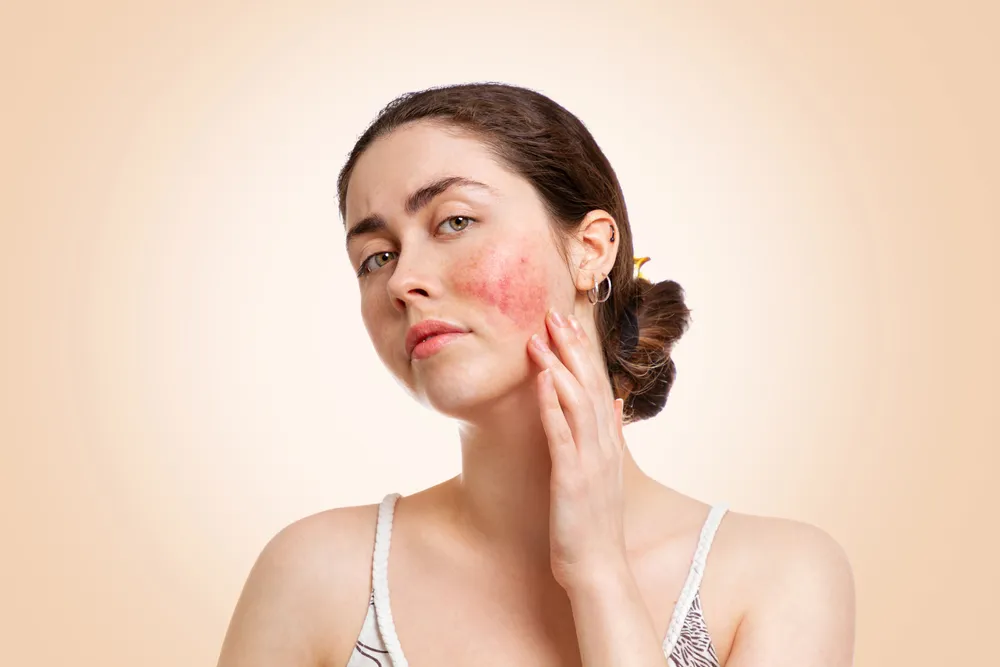
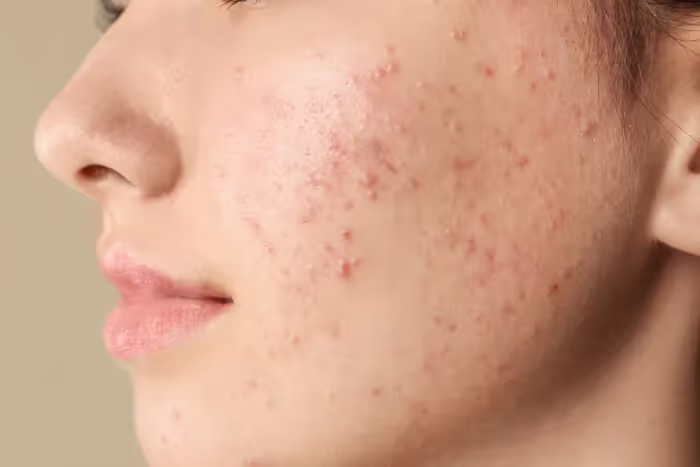
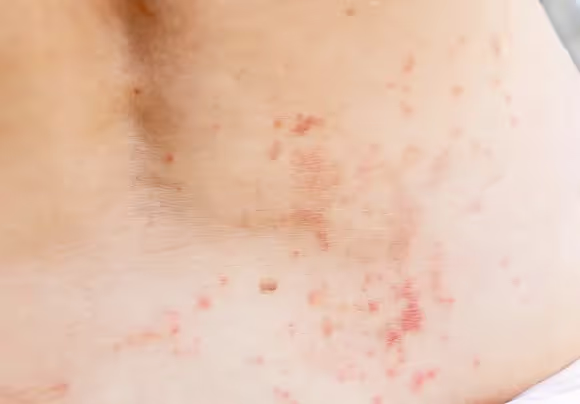
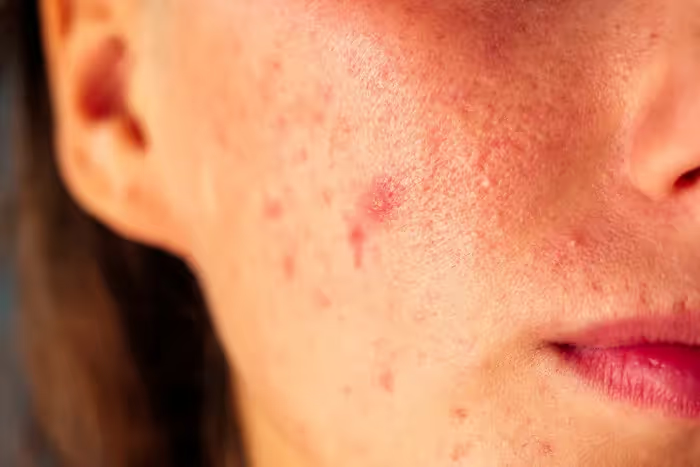
The protective layer of fat becomes less firm, your skin becomes more sensitive, the cold takes better, and your skin dries out further. You can already feel it coming: you are in a vicious cycle that can ultimately lead to flakes, irritations and frustration.
How do you break that circle?
By helping the skin fat of the stratum corneum. Although dehydrated winter skin is difficult to hydrate, it is still worthwhile to (keep) doing this. Use an oily, moisturizing cream several times a day to replenish your skin fat, as it were. In addition, switch from degreasing shower soap to either shower oil or mild soap. This way, the barrier function can recover and your skin will retain moisture again. Bye bye dry winter skin, hello supple and soft skin.
Although this medal also has a downside when it comes to real freezing cold. Reason? If it gets too cold, the moisturizer ensure that the skin freezes without you even noticing it. It reads like a contradiction, because doesn't that cream just lay a protective layer? Yes, and it makes your skin feel warmer than it actually has.
So should you wear cream or not wear cream when the mercury drops below zero? We recommend that you do lubricate and combine this with warm clothes that keep moisture inside.
8 winter skin care tips
Our golden advice: learn them by heart, these tips, because they work wonders every winter to keep your skin healthy in harsh conditions.
- A hot shower is less your friend than you think. Although it is very tempting to warm up, there is nothing that dehydrates your skin more than washing yourself with too hot water too often.
- Where you might want to degrease your skin in the summer, you don't want that in the winter. Avoid perfumed, harsh soaps that further weaken skin oil and opt for shower oil that adds just extra oil.
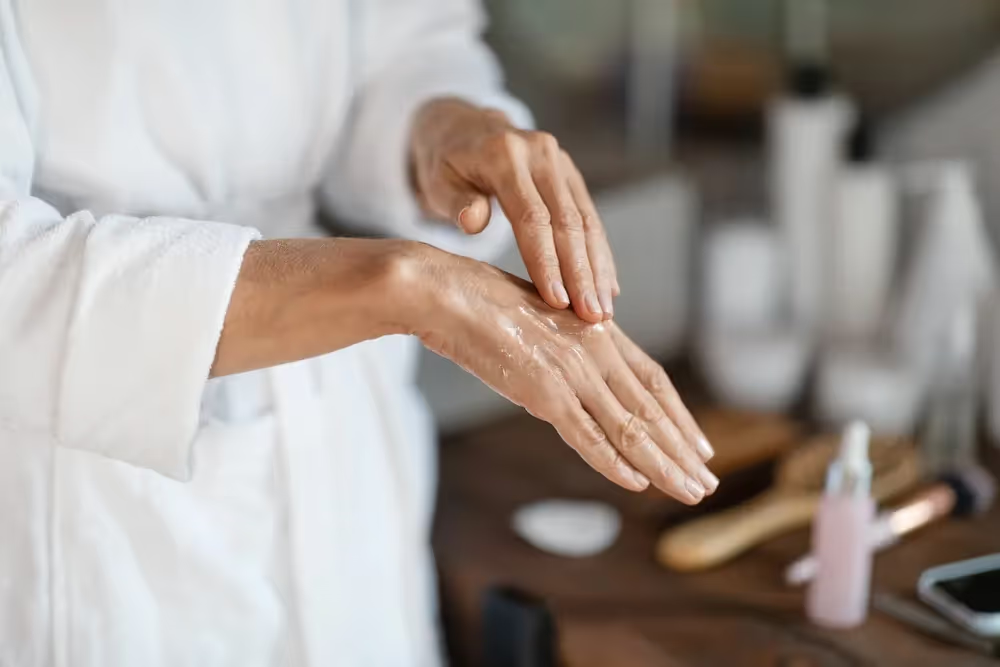
- Body lotion is your best friend. Lubricate often and be aware of when you lubricate. It's no myth: applying body lotion immediately after washing/showering ensures that your skin absorbs the products better.
- “Don't know, don't bother” does not apply to skin care: be sure to read the list of ingredients of the products you use carefully. A water-based moisturizer alone is not enough in the winter. Look for the following ingredients: petrolatum, glycerin, ceramides and dimethicone.
- Eliminate dead skin cells that remain on your skin by exfoliating or with a exfoliator. The flakes will disappear and the moisturizers in your skin care will be able to nourish your skin again.
- Not only the cold irritates the skin, the rougher fabrics in winter clothing also play a role. Keep this in mind, especially if your skin is already dry. Treat your skin to a soft substance.
- Lend the air a hand to stay moist. A humidifier has been specially made for this, but even simple solutions such as a bowl of water over your heater can go a long way.
- SPF! Always, always, always protect properly against UV rays. Even in the winter when ice or snow can reflect these rays extra. Did you know that snow reflects as much as 80% of the rays?
Does your skin still stay dry after these tips and do the red spots, itching and frustrations increase? Consult one of our dermatologists via Skindr and receive a customized treatment plan within 48 hours. Start your consultation here.





%20(1).avif)
.avif)



%20(1).avif)
.avif)
.avif)


.avif)


-min.avif)
-min.avif)
-min.avif)

.avif)


.webp)



































.avif)



](https://static.legitscript.com/seals/624359.png)