.webp)




Hair loss is a problem that is often associated with men, but make no mistake: it also affects many women. So you are certainly not alone when your hair becomes thinner. In this blog, we'll look at the causes of hair loss in women - from stress and genetic factors to hormonal changes - and what you can do about it.
Genetic predisposition (female baldness)
Women may also be genetically pre-programmed for hair loss, similar to male pattern baldness. This is often referred to as female pattern baldness (androgenetic alopecia) and can lead to a gradual decrease in hair density and thinning hair all over the scalp, starting from separation.
Hair loss due to hormonal changes
Hair loss due to contraception
The progestins in the pill and, among other things, the hormone spiral cause an androgenic effect in the body: male hormones are given leeway. If women are genetically sensitive to dihydrotestosterone, it can lead to pill hair loss.
Note: stopping the pill can also cause you to lose more hair. That's because your hormones get out of balance.
Hair loss after pregnancy
Many women experience hair loss after pregnancy or after childbirth. During pregnancy, there is an increased amount of estrogen in the body, which leads to thicker and fuller hair. After delivery, however, when hormone levels return to normal, a significant amount of hair can enter the telogen phase, the loss phase of the hair growth cycle. This can result in noticeable hair loss 3 months after giving birth.
In addition, stress during pregnancy and the physical stress moment during childbirth can cause hair loss. Fortunately, this type of hair loss is usually temporary and hair usually starts to grow again another 3 months later. Do you not notice any improvement after 3 months? Then contact your dermatologist, to rule out permanent hair loss.
Hair loss after menopause
During menopause, women experience a decrease in female hormones such as estrogen and progesterone. These hormonal changes can lead to thinning hair and hair loss. Hair can become weaker and brittle, resulting in reduced hair density.
Another factor that can cause menopausal hair loss is increased production of the male hormone dihydrotestosterone (DHT). This hormone can shrink hair follicles, which shortens the lifespan of the hair and can ultimately lead to thinning hair.
Unique hair disorder in post-menopausal women: Frontal fibrosing alopecia
Frontal fibrosing alopecia (FFA) is a chronic condition where gradual hair loss occurs. It is characterized by inflammation and scarring of the hair follicles, which causes the front hairline to recede and the hair to thin. This form of hair loss is permanent: once the hair is gone, it cannot grow back.
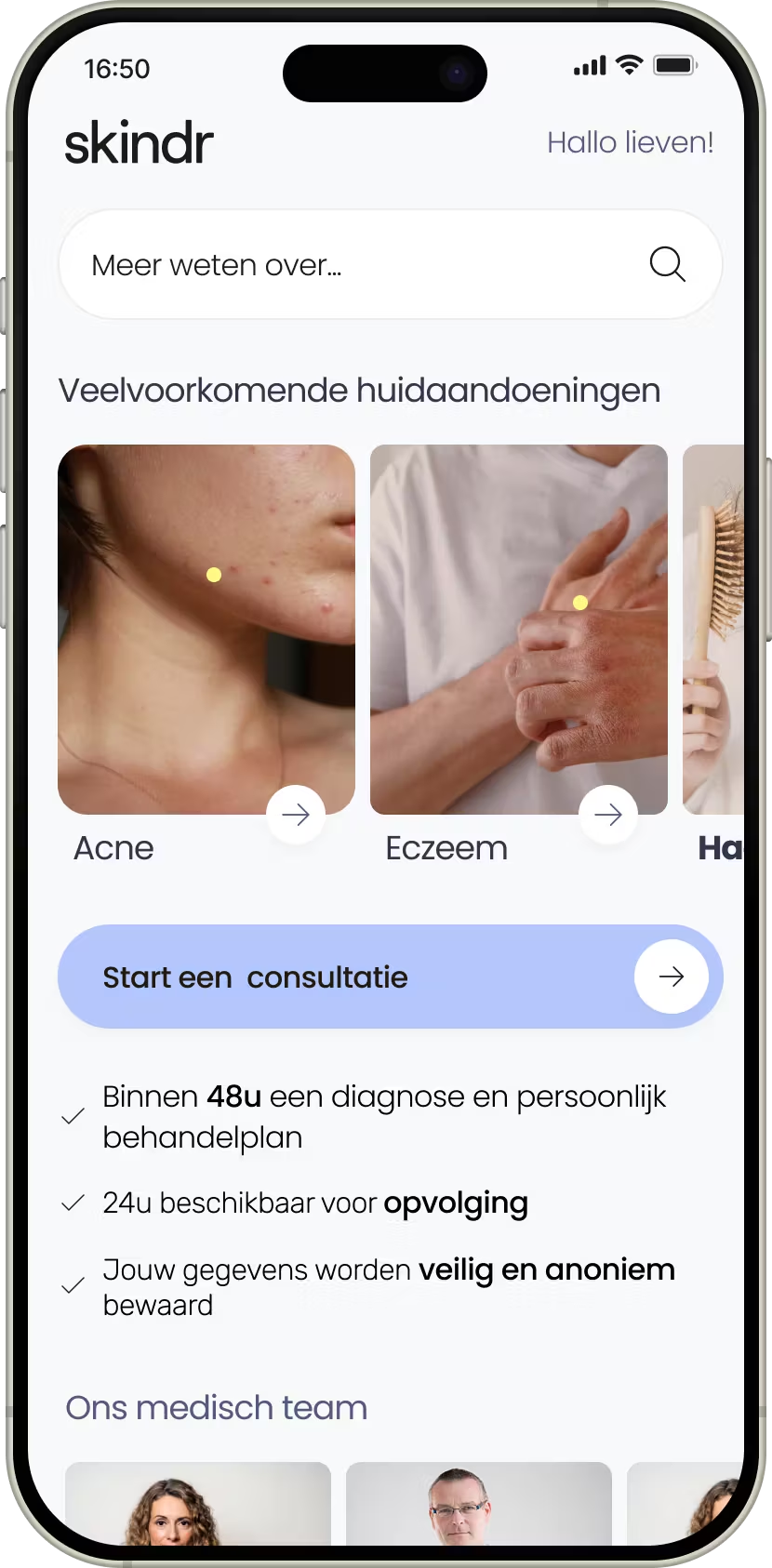
Being there quickly can slow down hair loss. Is your hairline gradually receding, especially on the sides and forehead? Win via the Skindr app on average, get the advice of a certified dermatologist within 48 hours.
Other explanations for hair loss in women
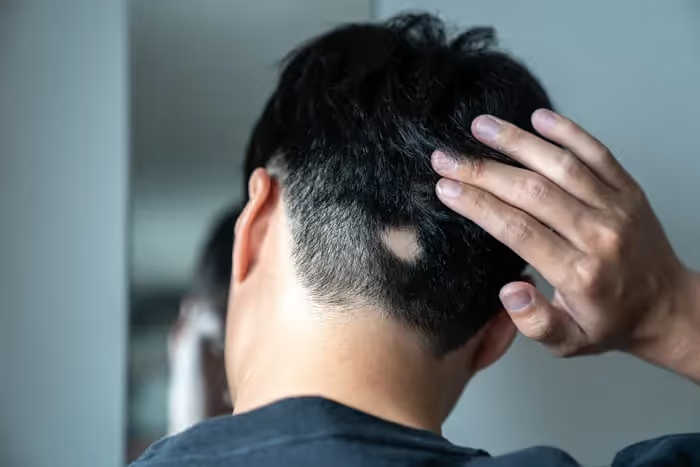
- Autoimmune disorders: Certain autoimmune disorders such as alopecia areata may lead to hair loss. In this disorder, the immune system accidentally attacks hair follicles, resulting in round, bald patches on the scalp and sometimes on other parts of the body.
- Hair loss due to thyroid disorders: Thyroid problems, such as hypothyroidism (underactive thyroid) or hyperthyroidism (thyroid gland that works too fast), can lead to hair loss. Thyroid hormones play a crucial role in regulating the hair growth cycle.
- Excessive styling and treatments: Frequent use of heat tools or harsh chemical treatments such as perms and bleaching can damage hair and cause hair loss. This is also known as traction alopecia mentioned.
- Nutritional deficiencies: A poorly balanced diet, lack of essential nutrients such as iron, zinc, vitamin D and biotin, can affect hair health and cause hair loss.
- Skin disorders: Certain inflammatory skin conditions can also affect hair growth.
Female Hair Loss Treatments
Fortunately, there are various solutions and treatments available for women who are dealing with hair loss. It is always advisable to have a dermatologist or a specialist in the field of hair loss consult to determine the exact cause of hair loss before considering treatment.
Some possible treatments include:
- Healthy lifestyle: A balanced diet, regular exercise and stress management can contribute to healthy hair.
- Hair care: Using mild hair care products and avoiding excessive use of heat and chemical treatments can promote hair health.
- Hair growth lotion: a topical treatment that stimulates hair growth and strengthens hair follicles.
- Systemic treatments with immune suppressants: In severe forms of androgenetic alopecia, alopecia areata or frontal fibrosing alopecia, tablets can be chosen that suppress the immune system so that it no longer attacks the hair follicles.


%20(1).avif)
.avif)


%20(1).avif)
.avif)
.avif)

.avif)

-min.avif)
-min.avif)
-min.avif)
.avif)


.webp)

























.avif)


](https://static.legitscript.com/seals/624359.png)